
Quick Answer: Are Munafie Wipes the Best Choice for Sensitive Skin?
When evaluating whether Munafie wipes are the best choice for sensitive skin, the answer depends on your baby’s specific skin profile and daily environment. Munafie wipes are a highly popular, budget-friendly option in the Philippines, favored for their soft texture and the inclusion of soothing moisturizing agents like aloe vera and vitamin E. For babies with normal to mildly dry skin, these wipes provide an effective, gentle clean for daily diaper changes and routine cleanups.
However, they may not be the optimal choice for every infant. For babies diagnosed with severe eczema, active diaper rash, or highly reactive skin, ultra-minimalist water-based wipes containing 99% pure water and a single mild preservative are generally safer. Minimizing the number of ingredients directly reduces the risk of triggering allergic contact dermatitis. Because product formulations and manufacturing batches can change over time, caregivers must always check the physical ingredient label on the pack before use.
What to Look for in Wipes for Sensitive Skin
Caring for an infant’s skin in a tropical, high-humidity climate like the Philippines requires careful attention to skincare products. High temperatures and humidity can cause babies to sweat excessively, making their skin folds highly susceptible to friction, heat rash, and diaper dermatitis. When the skin barrier is constantly exposed to moisture and friction, it becomes fragile and highly sensitive to chemical irritants, meaning the choice of baby wipe is a critical decision for daily skin health.
Products mentioned in this guide
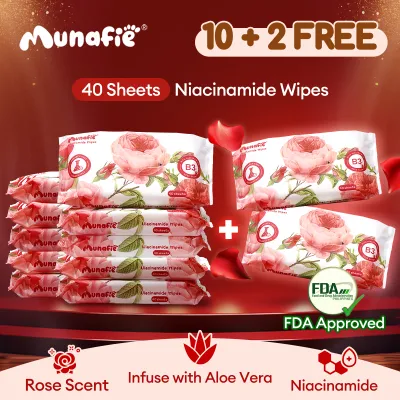
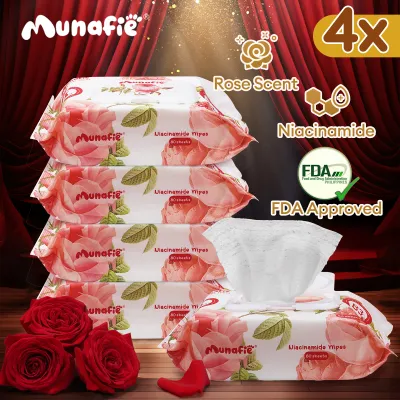
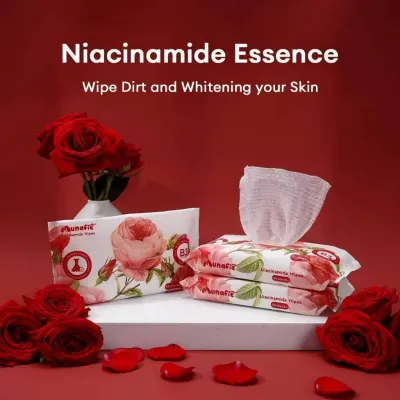
Prices are valid at publication and may change. Please refer to the product page for the latest price.

First, carefully evaluate the ingredient list on the packaging. Caregivers should strictly avoid wipes that contain denatured alcohol, synthetic fragrances, and harsh preservatives. Preservatives like parabens, methylisothiazolinone (MIT), and methylchloroisothiazolinone (CMIT) are known allergens that can strip the skin of its natural protective lipids. Even “unscented” labels can sometimes be misleading, as some products use masking fragrances to hide chemical odors; look instead for products explicitly labeled “fragrance-free.”
Second, prioritize the pH balance of the formulation. A healthy infant skin barrier has a slightly acidic physiological pH, typically ranging between 5.5 and 6.0. This acidic environment, often called the acid mantle, serves as a natural defense mechanism against harmful bacteria and fungi, such as Candida albicans, which thrives in warm, wet diaper environments. Using wipes that are too alkaline can disrupt this delicate balance, leaving the skin vulnerable to stubborn diaper infections. Choosing wipes formulated to match the skin’s natural pH helps preserve this protective barrier.
Third, consider the physical material and thickness of the wipe. Thin, low-quality wipes often require parents to apply more pressure or wipe the same area repeatedly to clean up messy diapers. This repetitive mechanical friction can micro-tear the delicate outer layer of the skin, leading to redness and irritation. A high-quality, thick spunlace non-woven fabric with an embossed pattern allows parents to lift waste efficiently with minimal swipes, protecting the skin from friction-induced damage.
Finally, assess the moisture level of the wipe. A suitable wipe must be wet enough to dissolve dried-on residue easily without aggressive scrubbing, but it should not leave excess liquid pooling in the baby’s skin folds. In humid tropical climates, trapped moisture in areas like the groin or thighs can cause skin maceration, softening the tissue and making it highly vulnerable to bacterial invasion. Because formulations are subject to change without notice, always verify the printed ingredient deck on the actual pack rather than relying on historical reviews.
Evaluating Munafie Wipes for Sensitive Skin
Munafie wipes have established a strong presence in the Philippine market as an accessible, cost-effective option for daily baby care. To understand how they perform on sensitive skin, we must analyze their material construction, physical performance, and typical chemical formulation based on standard product specifications.
The physical design of Munafie wipes generally features a spunlace non-woven fabric, which is often enhanced with an embossed or textured pattern. This textured surface is highly functional for diaper changes, as the raised patterns act like tiny pockets that grip and lift waste from the skin with minimal dragging. The material is soft to the touch, which helps minimize mechanical irritation during cleanups. While they are sufficiently durable for standard diaper changes, they are generally thinner than premium medical-grade wipes, meaning caregivers might need to use an extra sheet or two for heavier messes.
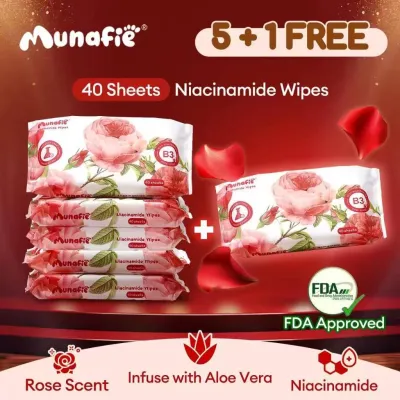
From a chemical standpoint, Munafie wipes typically feature a high water content combined with mild skin-conditioning agents. The addition of botanical extracts, most notably aloe vera and vitamin E, is a central feature of their formulation. In a warm climate, these ingredients can provide a soothing, cooling sensation on the skin while helping to replenish moisture. Vitamin E acts as a mild emollient that supports skin barrier recovery, while aloe vera helps calm minor surface irritation. This makes them highly suitable for babies with dry skin who benefit from a light, protective moisture layer after cleaning.
However, botanical additives are not entirely risk-free. While natural extracts are beneficial for healthy skin, they can occasionally act as contact allergens for infants with highly reactive skin, open wounds, or severe eczema. If a baby has a compromised skin barrier, even mild botanical extracts can penetrate deep into the epidermis and trigger localized allergic reactions.
When purchasing Munafie wipes, caregivers must actively inspect the physical packaging. Because these wipes are distributed widely across various online marketplaces and local retail stores, different batches or imports may carry slight variations in ingredients or preservative systems. Check the label to verify that the specific pack is free from drying alcohols and synthetic perfumes, and look for hypoallergenic testing badges. Frame your purchasing decision around what the physical label promises and how your baby’s skin historically tolerates botanical ingredients.
Comparing Munafie to Other Popular Wipe Categories
To help you determine the best fit for your baby’s skincare routine, it is highly useful to compare Munafie wipes against other common categories of baby wipes available in the market. This highlights the distinct trade-offs between ingredient simplicity, moisturizing benefits, and skin safety.
Munafie vs. Water-Based Wipes (99% Water)
Water-based wipes, which typically consist of 99% purified water and a single, highly stable food-grade preservative, represent the benchmark for highly reactive or eczema-prone skin. The primary distinction between Munafie wipes and these ultra-minimalist water wipes lies in the complexity of their ingredient lists.
While Munafie wipes incorporate active skincare ingredients like aloe vera and vitamin E to moisturize the skin, water-based wipes deliberately eliminate these extras to minimize the risk of allergic reactions. If your baby has highly sensitive skin, active eczema flares, or a history of reacting to various baby lotions and creams, water-based wipes are generally the safer option. The minimalist ingredient profile reduces the likelihood of contact dermatitis to an absolute minimum, making them ideal for the first few months of a newborn’s life when the skin barrier is still developing.
Conversely, if your baby has dry, intact skin and does not have a history of plant-based allergies, Munafie wipes can offer a practical advantage. The emollients in Munafie wipes leave a thin, protective barrier on the skin after wiping, which helps prevent transepidermal water loss. This moisturizing effect can be highly beneficial in air-conditioned nurseries or during dry, windy seasons when a baby’s skin is prone to drying out. Additionally, water-based wipes tend to sit at a higher price point, making Munafie a more budget-friendly choice for families who do not require ultra-minimalist formulations.
Munafie vs. Standard Scented or Multi-Purpose Wipes
Standard scented or multi-purpose utility wipes are widely available and highly economical, but they present significant risks when used regularly on sensitive infant skin. These products are often formulated with synthetic fragrances, drying alcohols, and stronger surfactants designed for general cleanup tasks rather than delicate personal care.
In a hot and humid tropical climate, using scented or alcohol-based wipes on a baby’s diaper area can quickly lead to painful skin complications. Heat and sweat naturally open up the skin’s pores and soften the stratum corneum, allowing synthetic perfumes and harsh chemicals to penetrate deeper into the skin layers. This exposure can strip away the skin’s natural protective oils, causing rapid moisture loss, severe stinging during application, and persistent diaper rashes.
Munafie wipes are specifically formulated to be much gentler than these standard multi-purpose options. By excluding harsh alcohols and strong synthetic scents, Munafie provides a dedicated personal care solution that respects the integrity of the infant skin barrier. While standard utility wipes may be acceptable for wiping down toys, high chairs, or stroller handles, they should not be used on a baby’s face, hands, or diaper area. Investing in a dedicated, sensitive-skin-friendly option like Munafie is a much safer approach for daily hygiene.
Decision Guide: Which Wipe Should You Buy?
Selecting the right baby wipe requires balancing your child’s skin sensitivity, your household budget, and your typical usage scenarios. Use this structured decision guide to help you choose the most appropriate product for your needs.
- Choose Munafie if:
- Dry Skin moisturizing: Your baby has dry but otherwise healthy, non-reactive skin that benefits from mild moisturizing ingredients like aloe vera and vitamin E.
- Daily Diaper Changes: You need an affordable, soft, and textured wipe for regular, everyday diaper changes that can lift messes without requiring excessive rubbing.
- Budget-Friendly Daily Use: You want a cost-effective option for high-volume daily use without resorting to harsh, heavily fragranced standard wipes.
- No Known Plant Allergies: Your baby has shown no prior sensitivity to botanical extracts or mild cosmetic preservatives.
- Choose 99% Water Wipes if:
- Severe Eczema or Atopic Dermatitis: Your baby has diagnosed eczema, highly reactive skin, or a compromised skin barrier that easily flares up when exposed to skincare products.
- Known Botanical Sensitivities: Your baby has experienced redness or rashes after using products containing aloe vera, chamomile, or other plant-derived ingredients.
- Newborn Care: You are cleaning a newborn baby whose skin barrier is still developing and requires the absolute minimum number of chemical exposures.
- Active Diaper Rash: Your baby is currently experiencing an active, raw diaper rash, where any added active ingredients or fragrance could cause intense stinging and further inflammation.
- Verify First if:
- Recent Rashes: If you are switching to Munafie because your baby developed a rash from another brand, check the ingredients of both brands side-by-side to ensure you are not introducing the same problematic preservative or chemical.
- Bulk Purchases: Before buying large boxes or multi-packs from online marketplaces, purchase a single pack first to test the material thickness, moisture level, and skin compatibility.
- Label Discrepancies: Always inspect the physical packaging upon delivery. Formulations can vary by batch or importer, so verify that the pack in your hand is indeed alcohol-free, fragrance-free, and suitable for sensitive skin.
How to Patch Test and Monitor Skin Reactions
Even when a baby wipe is labeled “hypoallergenic,” “dermatologically tested,” or “natural,” these terms do not guarantee that the product is 100% allergy-proof for every individual child. Every infant’s skin chemistry is unique, and a product that works perfectly for one baby may cause irritation for another. Performing a simple patch test is a vital safety step before fully integrating any new wipe brand into your baby’s daily routine.
To perform a patch test, select a small, clean, and discreet area of your baby’s skin, such as the inner forearm or the upper thigh. Gently wipe this area with a fresh wipe from the new pack. Allow the skin to air dry naturally. Do not apply any other creams, lotions, or powders to this test spot for the next 24 hours.
Monitor the test area closely over the next 24 to 48 hours for any signs of localized irritation. Look for symptoms such as localized redness (erythema), dry or flaky patches, tiny raised bumps (papules), or signs of itching (such as your baby rubbing the area).
If you observe any of these reactions, stop using the wipes immediately. Wash the area gently with clean, lukewarm water to remove any remaining residue, and return to your previous skin-safe cleaning method. If the reaction is severe, spreads, or does not improve within a couple of days, consult your pediatrician or a qualified pediatric dermatologist for proper diagnosis and treatment.
Frequently Asked Questions (FAQ)
Can I use Munafie wipes on my baby's face and hands?
You must check the specific product packaging to confirm if the wipes are approved for face and hand use. While many mild wipes are gentle enough for hands, the skin on a baby’s face is significantly thinner and more sensitive than the skin on their bottom. If you do use them on the face, always avoid the immediate eye area and the mouth to prevent accidental ingestion or stinging. If the wipes contain botanical extracts or mild surfactants, they may cause mild discomfort if they contact the eyes. For facial cleanup, a clean washcloth dampened with plain water is often the safest alternative.
Do Munafie wipes have an expiration date?
Yes, baby wipes do have an expiration date, which is typically printed as a batch code, manufacturing date (MFG), or expiry date (EXP) on the back or side of the plastic packaging. Unopened wipes generally have a shelf life of two to three years from manufacture, but once opened, they should ideally be used within three to six months. In hot and humid tropical climates, the preservative system in opened wipes can degrade more rapidly if the pack is exposed to direct sunlight or heat. Using expired wipes is not recommended, as dry wipes lose their cleaning efficacy, and degraded preservatives can allow harmful mold, bacteria, or yeast to grow inside the moist package.

Community discussion
Share your experience or ask a question. Comments are reviewed before publication.