
When caring for a baby with sensitive skin, finding the right wet wipe can feel like an endless cycle of trial and error. There is no single, universally “best” wipe for every child, as sensitive skin reactions are highly individualized. A baby might react to a specific preservative, a trace synthetic fragrance, or even the physical friction of a certain fabric texture. Munafie wipes, which have gained significant popularity in the Philippines due to their budget-friendly pricing and accessibility on local online marketplaces, can be a highly suitable option—but only if their specific ingredient profile avoids your child’s unique skin triggers.
The choice between Munafie and other popular brands in the Philippine market—such as Uni-Love, Pampers, Huggies, or Pigeon—ultimately depends on a careful evaluation of three core pillars: ingredient transparency, physical material texture, and moisture levels. Because formulations can vary between import batches and manufacturing runs, parents must learn how to read and verify the physical packaging of the exact pack they hold in their hands.
Key Criteria for Evaluating Sensitive Skin Wipes
To protect your baby’s delicate skin barrier, you must look past front-of-pack marketing claims and focus on verifiable product specifications. The following four criteria are essential when evaluating any brand of baby wipes:
Products mentioned in this guide
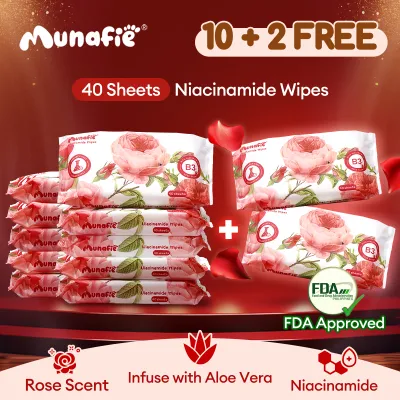
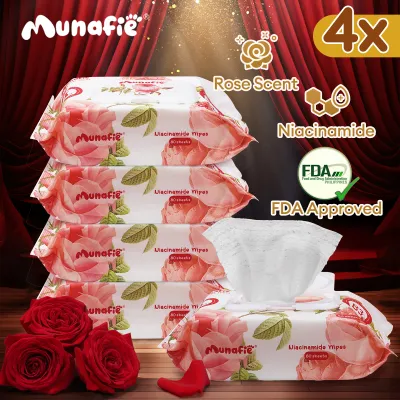
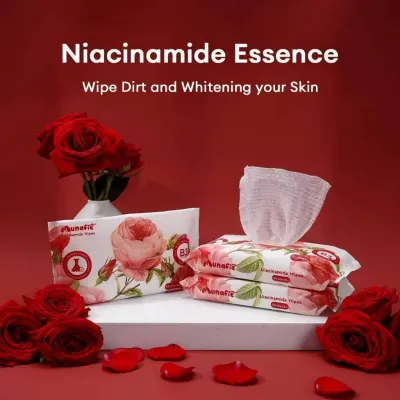
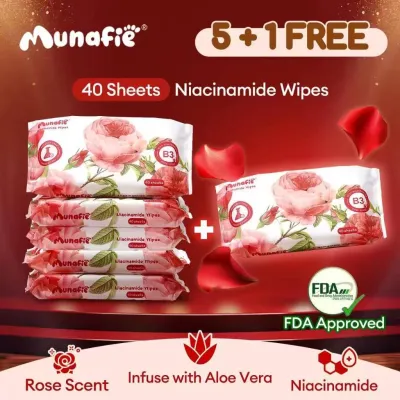
Prices are valid at publication and may change. Please refer to the product page for the latest price.
Ingredients to Avoid
The skin of an infant is significantly thinner and more permeable than adult skin, making it highly susceptible to chemical irritants. When reading the ingredient list on the back of a package, actively look for and avoid synthetic fragrances, denatured alcohol, parabens, and harsh preservatives. Preservatives like Methylisothiazolinone (MIT) and Chloromethylisothiazolinone (CMIT) are notorious contact allergens that have been restricted or banned in leave-on cosmetic products in many regions due to their tendency to trigger contact dermatitis. Even if a package claims to be “hypoallergenic,” a quick scan of the ingredients is the only way to verify its true safety profile.
Water Purity and Additives
Many modern baby wipes boast formulations containing “99% pure water” or “EDI ultra-pure water.” Electronic Deionization (EDI) water is highly purified water that has had ionic impurities removed, making it an excellent, non-irritating base for skin cleansing. However, because water is highly prone to bacterial and fungal growth, no commercial wet wipe can be 100% water if it is designed to sit on a shelf for months. The remaining 1% of the formulation typically consists of mild preservatives, skin-conditioning agents (like aloe vera or chamomile), and pH adjusters. When choosing a wipe, the general rule of thumb is that a shorter, simpler ingredient list minimizes the statistical probability of an adverse skin reaction.
Material and Texture
The physical structure of the wipe determines how much friction is applied to the skin during a diaper change. Most commercial wipes are made from non-woven fabrics, which are typically created by bonding polyester and viscose (rayon) fibers together using high-pressure water jets (a process known as spunlace). Polyester provides strength and durability, while viscose adds softness and absorbency. Some premium brands use 100% plant-based fibers, such as bamboo or organic cotton, which are naturally soft and biodegradable but usually carry a higher price tag. Additionally, the texture of the wipe—whether it is completely smooth or embossed with a 3D pearl pattern—affects its cleaning efficiency. A textured wipe can lift stool and moisture more effectively, reducing the number of wipes needed and minimizing the physical rubbing that can compromise a reactive skin barrier.
pH Balance
Healthy infant skin maintains a slightly acidic pH level, typically between 4.5 and 5.5, which forms a protective layer known as the acid mantle. This acidic environment is crucial for keeping harmful bacteria and fungi at bay. Using alkaline soaps or wipes with an improper pH can disrupt this barrier, leading to dryness, irritation, and an increased risk of diaper rash. When evaluating wipes, look for products that explicitly state they are “pH-balanced” or “formulated to match skin’s natural pH.”
Evaluating Munafie Wipes: What to Check on the Label
Munafie wipes have become a staple in many Filipino households, prized for their soft feel and highly competitive pricing, often sold in bulk packs online. However, because these wipes are widely imported and distributed through various third-party sellers rather than a single official local distributor, parents must exercise extra diligence when verifying their suitability for sensitive skin.

Core Formulation Checks: When you receive a pack of Munafie wipes, do not rely solely on online product descriptions. Turn the package over and carefully examine the printed ingredient list. Look for the specific preservation system used. If the ingredients are not listed in English, or if the translation is unclear, this is a significant transparency issue. For babies with highly reactive skin, it is critical to know exactly what preservatives are keeping the wipes fresh. If you cannot verify the ingredients on the physical pack, proceed with extreme caution or opt for a brand with fully transparent labeling.
Material Verification: Gently inspect the physical wipe itself. Check the packaging for any indications of the fabric composition. Munafie wipes are generally marketed as soft and cross-laid, which helps prevent tearing. However, you should physically test a sheet from a new pack. Stretch it gently to see if it sheds loose fibers or tears easily. A wipe that sheds can leave tiny synthetic fibers on your baby’s skin, which can trap moisture and cause localized irritation, especially in the skin folds.
Certifications and Claims: Many imported wipes feature various symbols, seals, or claims like “dermatologically tested” or “suitable for newborns.” Because regulatory oversight of these terms can vary globally, treat these front-of-pack claims as items that require physical verification. Look for recognized, independent certification marks on the packaging. If the certifications cannot be verified, rely strictly on a clean, minimal ingredient list and your own observation of how your baby’s skin reacts.
Limitations and Batch Variations: It is common for manufacturing formulations to change over time or vary between different factories producing under the same brand name. A batch of Munafie wipes purchased online today may not have the exact same fiber blend or preservative ratio as a batch purchased six months ago. Always check the physical label of each new delivery, particularly the manufacture and expiration dates, to ensure you are using a fresh, unchanged product.
Comparing Munafie to Other Common Brands in the Philippines
To understand where Munafie stands, it is helpful to compare it against other widely available brands in the Philippines, ranging from local favorites to international household names.
Ingredient Transparency and Preservative Systems
In the local market, brands like Uni-Love, Sweet Baby, and Pigeon are highly popular and offer clear, English-labeled packaging with fully disclosed ingredient lists. Premium international brands like Pampers Sensitive or Huggies Clean Care also provide highly detailed formulation transparency, backed by extensive clinical testing.
When comparing Munafie to these brands, ingredient transparency is often the primary differentiator. While local and major international brands make their formulations easily accessible on their websites and physical packaging, some imported Munafie packs may feature minimal English labeling. For a parent of a baby with severe eczema or known chemical allergies, this lack of clear disclosure is a critical factor. If you cannot easily identify the preservative system on a pack of Munafie wipes, choosing a highly transparent local brand like Uni-Love (which is widely available in local supermarkets and drugstores) provides a much higher level of safety and peace of mind.
Material Softness and Friction
The physical thickness and texture of a wipe directly impact how gently it cleanses. Premium brands often design thicker, heavier-weight wipes (measured in grams per square meter, or GSM). For instance, certain premium wipes from Huggies or Pigeon are noticeably thick and feature embossed patterns that glide smoothly over the skin, lifting messes with minimal pressure.
Munafie wipes are frequently praised by local parents for their soft, stretchy feel, which is gentle on the skin. However, they are generally thinner than premium-tier wipes. Thinner wipes can sometimes fold over or bunch up during use, requiring you to use multiple sheets or apply more physical pressure to clean a messy diaper area. This extra rubbing can cause micro-friction on sensitive skin, leading to redness. If your baby’s skin is highly prone to friction-induced irritation, investing in a thicker, embossed wipe from a reputable local brand may be more effective than using multiple sheets of a thinner, budget-friendly wipe.
Moisture Levels and Climate Considerations
The warm, humid climate of the Philippines plays a massive role in diaper area health. High humidity means that moisture on the skin does not evaporate quickly. If a wet wipe leaves a heavy layer of liquid on the skin, and a fresh diaper is immediately secured over it, the trapped moisture can quickly lead to skin maceration and diaper rash.
Some brands of wipes are extremely wet, heavily saturated with liquid, which is excellent for loosening dried-on messes but leaves a significant wet residue. Other brands are formulated to be moderately damp, leaving minimal moisture behind. Munafie wipes typically fall into the moderately damp category, which is highly suitable for our local climate as it cleans effectively without oversaturating the skin. Regardless of the brand you choose, it is highly recommended to let the baby’s skin fully air-dry, or gently pat it dry with a clean, soft cloth, before putting on a new diaper to prevent moisture-related skin breakdown.
Decision Framework: Which Wipe Should You Choose?
To help you navigate these choices, use this clear, conditional decision-making framework tailored to your baby’s skin needs, your lifestyle, and your budget:
Choose Munafie if:
- You have physically inspected the packaging of the current batch and confirmed that the ingredient list is fully translated, transparent, and free from any of your baby's known skin triggers.
- Your baby has normal to slightly sensitive skin that does not react easily to standard non-woven materials or mild preservatives.
- You are looking for an extremely budget-friendly option (typically priced under ₱50 per pack in bulk online) for daily, light cleanups and general household use.
- You prefer a moderately damp, soft wipe and do not mind using multiple sheets for larger messes.
Choose Alternative Brands if:
- Your baby has highly reactive skin, eczema, or a history of contact dermatitis, requiring complete ingredient transparency and verified dermatological certifications.
- You prefer a thicker, heavily textured wipe that allows you to clean diaper messes with fewer passes, reducing physical friction on the skin.
- You want the reassurance of buying from established local brands with dedicated customer service, clear English labeling, and consistent quality control across all retail batches.
- You are willing to pay a higher price point (ranging from ₱100 to ₱300 per pack) for premium, plant-based, or ultra-minimalist formulations.
Neither May Fit if:
- Your baby is currently experiencing an active, severe diaper rash, broken skin, bleeding, or a suspected fungal infection (such as a yeast infection). In these situations, stop using all commercial wet wipes immediately, regardless of how mild or "pure" they claim to be. The preservatives and cleansing agents in wet wipes can cause intense stinging on open skin and delay the healing process. Instead, use soft, single-use cotton balls or clean cotton cloths dipped in plain, lukewarm water, gently pat the skin dry, and consult a pediatrician or pediatric dermatologist for a proper diagnosis and treatment plan.
Verify First if:
- You are purchasing wipes from a new online seller or trying a new batch. Always inspect the physical packaging upon delivery. Check that the plastic seal is completely intact, the expiration date is valid, and the ingredients are clearly listed. If the packaging arrives damaged, bloated, or without clear labeling, do not use the wipes on your baby's skin.
Safe Usage and Monitoring for Reactive Skin
Using the right wipe is only half the battle; how you use and store the product is equally critical for maintaining your baby’s skin health.
Patch Testing: Whenever you introduce a new brand of wipes—including Munafie—to your baby’s routine, always perform a simple patch test first. Gently wipe a small, unaffected area of skin on your baby’s inner arm or thigh. Wait 24 hours and closely monitor the area for any signs of redness, tiny bumps, swelling, or itching. If the skin remains clear, you can begin using the wipes on the diaper area, but continue to observe the skin closely for the first few days of regular use.
Proper Wiping Technique: When cleaning the diaper area, always use a gentle patting motion or wipe smoothly in a single direction (always from front to back, especially for baby girls, to avoid introducing bacteria into the urinary tract). Avoid vigorous scrubbing or rubbing back and forth, which can micro-tear the delicate outer layer of the skin. After wiping, allow the skin to air-dry completely for a few moments, or gently pat it dry with a clean, dry cotton cloth before applying a barrier cream and securing a fresh diaper.
When to Stop and Consult a Professional: Wet wipes are designed solely for cleaning healthy or mildly dry skin; they are not medical treatments for skin conditions. Stop using any commercial wipe immediately and consult a qualified pediatrician or pediatric dermatologist if you observe spreading redness, blistering, peeling skin, pus-filled bumps, or if your baby cries or shows clear signs of discomfort during wiping. If a diaper rash does not show signs of improvement after three days of gentle care and air-drying, seek professional medical advice to rule out secondary infections that may require prescription topical treatments.
Frequently Asked Questions (FAQ)
Can I use scented wipes on sensitive skin if my baby hasn't reacted before?
It is highly recommended to avoid scented wipes entirely if your baby has sensitive skin. While your baby may not show an immediate reaction to a scented wipe, repeated exposure to synthetic fragrances can cause contact sensitization over time. This means the skin barrier can gradually weaken, eventually leading to a sudden, painful allergic reaction or contact dermatitis after weeks or months of trouble-free use. Sticking to fragrance-free options is always the safest approach for delicate skin.
How should I store wipes in a humid climate to prevent bacterial growth?
In the warm, humid climate of the Philippines, open packages of wet wipes are highly vulnerable to bacterial and mold contamination. Always ensure the plastic lid or resealable sticker is pressed down firmly and sealed tightly after every single use to prevent the wipes from drying out and to keep airborne contaminants out. Store the packs in a cool, dry place away from direct sunlight, such as a closed drawer or diaper caddy. Avoid leaving wipe packs in hot vehicles or near sunny windows, and always inspect the wipes for any unusual sour odors or discoloration before use.

Community discussion
Share your experience or ask a question. Comments are reviewed before publication.