
Quick Answer: Choosing Between Munafie and Alternative Intimate Wipes
Choosing the right intimate wipe in the Philippines depends heavily on your specific skin sensitivity, how much moisture you prefer in tropical weather, and your overall budget. Munafie wipes have gained popularity in local e-commerce spaces as an accessible, budget-friendly option designed for quick, everyday freshness. However, they may not suit everyone, particularly those who require specialized clinical care.
You should choose Munafie wipes if you prioritize highly affordable, travel-friendly packs with soft, lightly moistened sheets for casual on-the-go touch-ups. On the other hand, you should consider alternative brands if you have highly reactive skin that requires strictly fragrance-free, clinically tested dermatological formulas, or if you prefer bulk packaging with robust flip-top lids to prevent drying in high-heat environments.
Because the intimate area is highly sensitive and prone to irritation, individual reactions to personal care products vary significantly. Always perform a patch test on a small, less sensitive area of skin before regular use, and carefully check the manufacturer’s packaging for full ingredient compliance.
Products mentioned in this guide
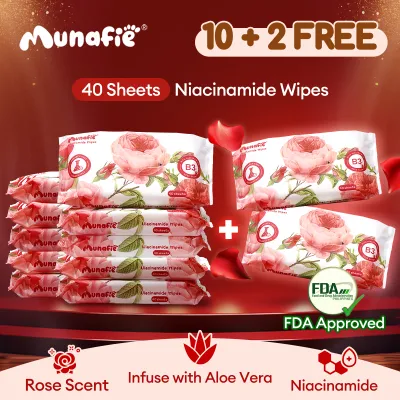
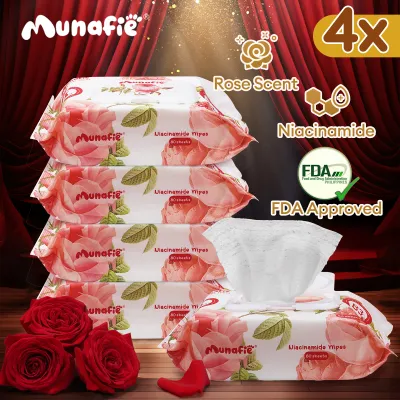
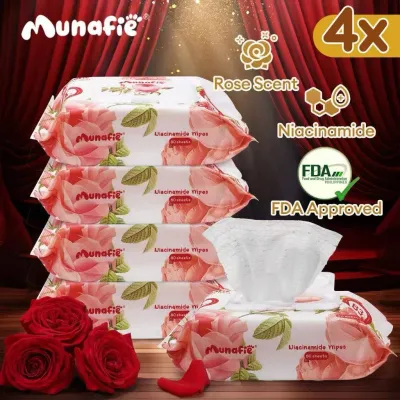
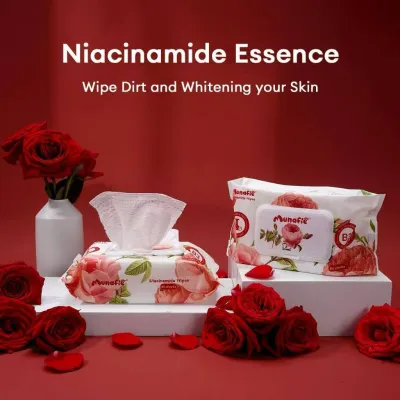
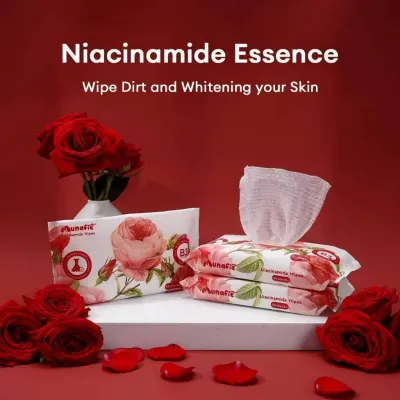
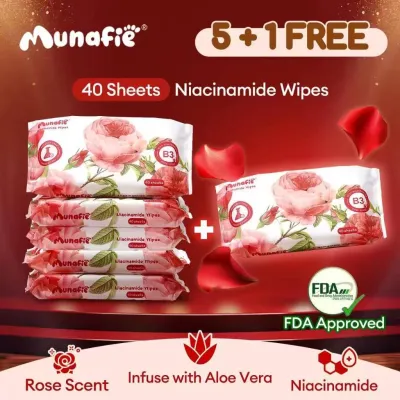
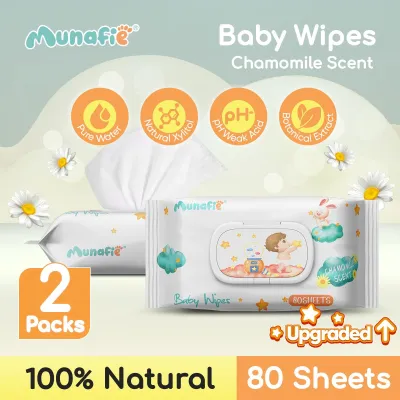
Prices are valid at publication and may change. Please refer to the product page for the latest price.
Key Criteria for Evaluating Intimate Wipes for Sensitive Skin
Navigating the personal care market in the Philippines requires a clear understanding of what makes a product safe and effective. The combination of high ambient temperatures, humidity, and daily physical activity can increase sweat production and friction, making the choice of intimate care products highly consequential. To make an informed decision, you must evaluate products based on objective criteria rather than relying solely on brand popularity or packaging aesthetics.

Gentleness and Ingredient Safety
The primary consideration for any product used on sensitive skin is its chemical formulation. The natural vulvovaginal environment maintains a delicate, slightly acidic pH balance, typically ranging from 3.5 to 4.5. Using products that disrupt this natural acidity can lead to discomfort, dryness, or an imbalance in local microflora.
When evaluating intimate wipes, look for pH-balanced formulations specifically designed to match this natural acidity. Avoid products containing ethyl alcohol or isopropyl alcohol, as these ingredients strip natural moisture and can cause a painful burning sensation on sensitive or chafed skin. Similarly, parabens used as preservatives should be avoided, as they are known sensitizers that can trigger contact dermatitis in reactive individuals.
Fragrance is another critical factor. While scented wipes may seem appealing for odor control, added perfumes are a leading cause of localized allergic reactions. Opting for fragrance-free or unscented options is generally safer for highly sensitive skin. Always check the physical packaging for claims such as “dermatologically tested” or “hypoallergenic,” but remember that these labels are not universally standardized. You must verify the complete ingredient list on the physical product or official brand pages, as formulations can change without prior notice.
Cleaning Effectiveness and Material Quality
Beyond the chemical formula, the physical properties of the wipe determine how well it performs without causing mechanical irritation. The thickness of the wipe, often measured by its fabric weight, directly impacts its durability. Thin, flimsy wipes tend to tear or bunch up during use, which can lead to uneven cleaning and require you to use multiple sheets.
Texture also plays a significant role in cleaning efficiency. Some wipes feature an embossed or textured pattern designed to lift away sweat, sebum, and impurities effectively with minimal pressure. Smooth wipes, while gentle, may require more wipes or firmer wiping, which can cause friction-induced irritation on delicate skin. The material composition is equally important; wipes made from natural, biodegradable fibers like spunlace viscose or cotton tend to feel softer and retain moisture more evenly than those containing high percentages of synthetic polyester.
Moisture retention is a delicate balance. A wipe must be sufficiently wet to glide smoothly over the skin, but it should not leave behind a heavy, sticky residue. In the humid climate of the Philippines, excess moisture that does not dry cleanly can trap sweat and heat, potentially creating an environment conducive to fungal or bacterial overgrowth. Look for formulas that leave a clean, dry, yet hydrated finish.
Value for Money and Pack Sizes
Evaluating the cost-effectiveness of intimate wipes requires looking beyond the initial retail price. To find the true value, you should calculate the cost per sheet by dividing the total price of the pack by the number of individual wipes inside. This calculation allows you to compare premium clinical brands directly with mass-market budget options.
Packaging design is a frequently overlooked factor that directly impacts value. In hot, tropical climates, adhesive sticker seals on wipe packs tend to lose their stickiness quickly due to dust, humidity, and repeated opening. Once the seal fails, the remaining wipes dry out rapidly, rendering them useless and wasting your money. Packs equipped with a rigid, plastic flip-top lid offer superior moisture protection, ensuring that the last wipe in the pack remains as moist and usable as the first.
Pack sizes also dictate convenience and value. Small travel packs containing 10 to 20 sheets are highly portable and fit easily into small bags or pockets, making them ideal for commuting or travel, though they usually carry a higher cost per sheet. Larger bulk packs containing 40 to 80 sheets offer better economic value for home use but are less practical to carry around. Because prices fluctuate across online marketplaces and local drugstores, checking current listings and promotional bundles is the best way to secure a fair deal.
How Munafie Wipes Compare to Market Alternatives
Comparing Munafie wipes to other options in the Philippine market reveals distinct differences in formulation, material quality, and target audience. Munafie wipes are widely recognized for their highly economical pricing and compact, visually appealing packaging. They are primarily designed for general, quick-use freshness and are highly favored by budget-conscious consumers who do not have severe skin sensitivities.
In contrast, clinical intimate wipes available in local drugstores are formulated with a strict focus on gynecological health. These clinical brands often incorporate lactic acid to actively support and maintain the natural acidic pH of the intimate area. They are typically fragrance-free, thoroughly tested by dermatologists, and designed for daily hygiene, making them the preferred choice for individuals prone to infections or localized irritation. However, this specialized formulation comes at a significantly higher cost per sheet compared to Munafie.
Another common alternative is premium baby wipes. Many users opt for baby wipes because they are formulated for infant skin, meaning they are generally free from alcohol, parabens, and strong fragrances. Baby wipes also tend to be thicker and come in larger bulk packs with secure flip-top lids, offering excellent value for home use. However, baby wipes are formulated to match a baby’s skin pH, which is closer to neutral (around 5.5 to 7.0), meaning they do not provide the specific acidic pH balance required for adult intimate care.
For eco-conscious consumers, organic and biodegradable wipes made from 100% plant-based fibers represent a growing segment. These wipes avoid synthetic plastics entirely and are often infused with organic soothing agents like aloe vera or chamomile. While they offer excellent material quality and environmental peace of mind, they are the most expensive option per sheet and may not be as widely available in physical retail stores across the Philippines.
| Wipe Category | Key Ingredient Focus | Common Pack Sizes | Best For |
|---|---|---|---|
| Munafie Wipes | Light soothing ingredients, mild fragrance options | 10 to 40 sheets | Budget-conscious quick freshness and travel convenience |
| Clinical Intimate Wipes | Lactic acid, pH-balanced, fragrance-free | 10 to 20 sheets | Highly sensitive skin and targeted gynecological care |
| Organic / Biodegradable Wipes | Plant-based fibers, aloe vera, chamomile | 20 to 60 sheets | Eco-conscious users looking for plastic-free options |
| Premium Baby Wipes | Ultra-pure water, minimal ingredients, unscented | 80 to 100 sheets (bulk) | Multi-purpose family use and cost-effective home care |
By understanding these distinctions, you can map your personal requirements to the category that best serves your routine. If your skin is highly resilient and you prioritize low-cost portability, Munafie or basic travel wipes are highly practical. If you experience frequent irritation, investing in clinical-grade intimate wipes is a safer approach to maintaining your skin health.
Purchasing Channels and Authenticity Checks in the Philippines
To ensure you are using safe personal care products, you must purchase them through reliable channels and verify their authenticity. The rise of online marketplaces has made a vast array of intimate wipes, including imported brands like Munafie, highly accessible. However, this convenience also increases the risk of encountering counterfeit or poorly stored products.
Safe purchasing channels in the Philippines include:
- Official Flagship Stores: When shopping on major e-commerce platforms, always look for the official brand store or certified mall distributor tags. These sellers source products directly from the manufacturers, ensuring proper quality control.
- Established Local Drugstores: National pharmacy chains are highly reliable physical retail options. These chains maintain strict supply chain standards and temperature-controlled storage.
- Large Supermarket Chains: Major supermarkets carry a consistent inventory of reputable, locally registered intimate and baby wipes, offering a dependable physical shopping experience.
When your purchase arrives or when buying in-store, use this practical checklist to verify product authenticity:
- Factory Seals: Ensure the outer plastic wrapping, sticker seal, or plastic flip-top lid is completely intact. Any sign of peeling, re-gluing, or puncture indicates potential tampering or exposure to air, which can lead to bacterial contamination.
- Batch Numbers and Expiration Dates: Legitimate manufacturers print clear, legible batch numbers and expiration dates directly on the packaging, usually using a dot-matrix print or embossed stamp. Be suspicious of products where these details are missing, smudged, or printed on a separate adhesive label that can be easily removed.
- Legible Labeling and FDA Registration: Check the back of the packaging for clear, grammatically correct product descriptions, ingredient lists, and manufacturer details. In the Philippines, reputable personal care products should feature a valid Food and Drug Administration (FDA) registration or notification number on the label, which you can verify through the official FDA verification portal.
- Print Quality: Counterfeit products often feature blurry graphics, washed-out colors, or spelling mistakes on the packaging. If the print quality looks cheap or irregular, do not use the product.
Avoid buying personal care items from unverified third-party sellers offering prices that seem too good to be true. Counterfeit wipes are often manufactured in unsanitary facilities without quality control, meaning they may contain harmful bacteria, mold, or restricted chemical preservatives that can cause severe allergic reactions, chemical burns, or infections when applied to sensitive intimate areas.
Decision Guide: Matching Intimate Wipes to Your Routine
To choose the ideal intimate wipe for your daily life, consider how your physical activities, skin type, and environment interact. The following scenarios can help guide your final decision:
- For Post-Workout Freshness or Commuting: If you need a quick way to wipe away sweat after a long commute in transit or after a gym session, prioritize compact portability and rapid drying. Munafie wipes or standard travel-sized wipes are excellent for this, as they fit easily into small bags and provide a cooling sensation. Remember to seal the pack tightly immediately after extraction to preserve the remaining sheets in the heat.
- For Highly Reactive or Allergy-Prone Skin: If you have a history of contact dermatitis, yeast infections, or general sensitivity, prioritize clinical-grade, fragrance-free intimate wipes. Look for formulations that contain lactic acid to support your skin's natural acidic barrier, and avoid any products containing added perfumes or essential oils.
- For Daily Home Use and Family Care: If you prefer keeping wipes in your bathroom for regular daily use, prioritize bulk packaging with a rigid plastic flip-top lid. Premium, unscented baby wipes or larger packs of clinical wipes offer the best cost-per-sheet value and are less likely to dry out over weeks of storage.
- For the Eco-Conscious Consumer: If you want to minimize plastic waste, choose wipes explicitly labeled as 100% biodegradable, compostable, or plastic-free. These are typically made from plant fibers like bamboo or cotton and break down much faster than standard synthetic wipes.
Regardless of which brand you choose, make it a habit to read the ingredient list every time you repurchase. Manufacturers frequently update their product formulations, alter preservative systems, or introduce new fragrances without changing the front packaging design. A product that worked well for you in the past may suddenly cause irritation if the ingredients have been modified.
Finally, maintain a clear safety boundary: intimate wipes are designed for external use only and are meant to be a convenient supplement, not a permanent replacement for regular washing with clean water. If you experience localized redness, itching, burning, swelling, or unusual discharge, discontinue use of the wipes immediately. If these symptoms persist, consult a healthcare professional or gynecologist for a proper diagnosis and treatment plan.
Frequently Asked Questions (FAQ)
Can I use intimate wipes every day?
While intimate wipes are highly convenient for maintaining freshness on the go, they are not designed to replace daily washing with clean water. Frequent or excessive use of wipes—especially those containing fragrances, preservatives, or surfactants—can strip the skin’s natural lipid barrier and disrupt the delicate microbial balance of the intimate area. This is particularly true in hot, humid climates like the Philippines, where the skin may already be stressed by sweat and friction. For optimal hygiene, limit wipe usage to situations where water is unavailable, such as during travel, after workouts, or in public restrooms. Always follow the manufacturer’s specific usage instructions and monitor your skin for any signs of dryness or irritation.
Are Munafie wipes safe to use during pregnancy?
Pregnancy triggers significant hormonal changes that can alter the body’s natural pH levels and make the intimate area highly sensitive and more susceptible to irritation or infections. While many intimate wipes are formulated to be mild, pregnant individuals should exercise extra caution. It is crucial to carefully review the ingredient list of any wipe you plan to use, paying close attention to the presence of added fragrances, essential oils, or strong chemical preservatives that could trigger an allergic reaction. Because safety standards and personal sensitivities are heightened during this period, you should consult your obstetrician or healthcare provider before introducing any new intimate care products into your daily routine.
Community discussion
Share your experience or ask a question. Comments are reviewed before publication.