
Finding the right diaper for your baby in a tropical climate like the Philippines involves balancing performance, skin health, and household expenses. There is no single diaper brand that works perfectly for every infant, as the ideal choice depends heavily on your baby’s unique physical build, skin sensitivity, and daily activity levels. Parents must often weigh the immediate savings of budget-friendly brands against the advanced features of premium alternatives.
When comparing Mumuki, Pampers, and Huggies, the decision comes down to matching specific product designs with your baby’s daily routine. While one brand may excel at keeping your baby dry during long overnight stretches, another might offer the perfect lightweight fit for active daytime play in humid weather. The key is to identify which trade-offs your family is willing to make regarding unit cost, specialized absorbency layers, and elastic fit.
Before committing to bulk boxes or large diaper packs, it is highly recommended to purchase small trial packs first. This allows you to test how the materials interact with your baby’s skin and verify the physical fit in real-world conditions. Testing on a small scale prevents waste and ensures you do not get stuck with dozens of unused diapers if your baby experiences leaks or skin irritation.
Products mentioned in this guide
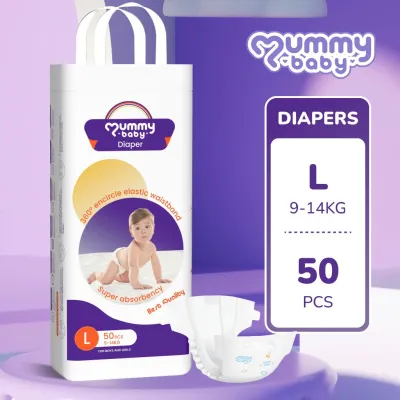
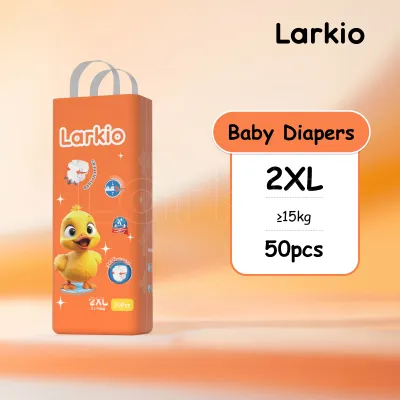
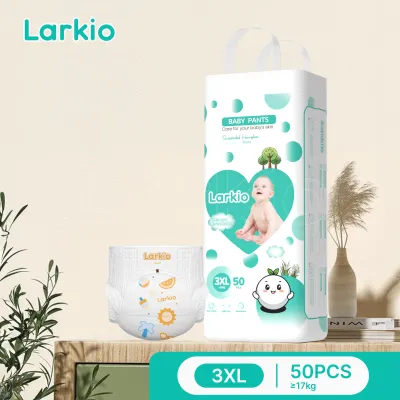
Prices are valid at publication and may change. Please refer to the product page for the latest price.
How to Compare Absorbency and Leak Protection
Evaluating how well a diaper absorbs moisture and prevents leaks requires looking past marketing claims and focusing on observable design elements. When examining Mumuki, Pampers, or Huggies, start by checking the product packaging for specific technical indicators. Look for details regarding the core construction, such as the presence of superabsorbent polymers, moisture-wicking top sheets, and integrated wetness indicators that change color when wet.
In hot and humid tropical conditions, a diaper’s ability to lock away wetness quickly is essential for maintaining skin dryness. To assess daytime versus overnight performance, monitor how the diaper behaves over several hours of continuous wear. A diaper suitable for overnight use should distribute liquid evenly across the core without sagging excessively in one spot, which can cause the outer material to feel damp or heavy.
You can conduct a simple at-home check to evaluate the dryness of the diaper’s inner lining. After your baby has worn the diaper for a few hours, gently press a clean, dry paper towel against the inner core material. If the paper towel remains dry, the diaper’s moisture-wicking layer is performing effectively; if it absorbs moisture, the core may be saturated, or the material may not be locking wetness away quickly enough.
Additionally, inspect your baby’s clothing and bedding for any signs of dampness, particularly around the waistline and leg openings. Frequent leaks or a damp outer shell often indicate that the diaper’s absorbency capacity has been reached, or that the liquid is not being distributed efficiently. Keep in mind that absorbency needs change as your baby grows, meaning a brand that worked well during the newborn stage may perform differently as your baby’s liquid intake increases.
Checking Comfort, Fit, and Skin Compatibility
A diaper’s comfort and fit are directly linked to your baby’s freedom of movement and overall skin health. To evaluate these factors, physically inspect the diaper’s structural components before putting it on your baby. Pay close attention to the elasticity of the waistband, the flexibility of the side tabs, and the design of the double-layered leg cuffs, which act as the primary barrier against blowouts.

Breathability is another critical factor to verify, especially in warm climates where trapped heat and sweat can quickly lead to discomfort. Check the product specifications on the packaging for mentions of breathable outer backsheets or micro-pores that allow air to circulate. A stiff, plastic-like outer cover is more likely to trap humidity against your baby’s skin than a soft, cloth-like material.
After your baby wears a diaper, carefully monitor their skin for any physical reactions when you perform a change. Look for localized redness, chafing, or deep elastic indentations around the thighs, hips, and waist. These marks suggest that the diaper’s elastic bands are either too tight, poorly positioned, or that the diaper size itself needs to be adjusted.
While manufacturers often advertise their materials as ultra-soft, softness is highly subjective and varies between brands. Instead of relying solely on how a diaper feels to your touch, observe how your baby moves while wearing it and how their skin responds over several days. If you notice persistent redness, diaper rash, or signs of discomfort, stop using that specific brand immediately and consult a pediatrician or qualified healthcare professional for guidance on skin management.
How to Calculate the True Cost per Diaper
Comparing diaper prices solely by the cost of a single pack can be highly misleading, as package sizes and diaper counts vary widely across brands. To find the genuine value of Mumuki, Pampers, and Huggies, you must calculate the exact unit price, or the cost per individual diaper. Use this simple formula to guide your purchasing decisions:
Unit Price Formula
- Calculation: Unit Price = Total Pack Price (₱) / Number of Pieces in the Pack
For example, if a pack of diapers costs ₱450 and contains 50 pieces, the unit price is ₱9.00 per diaper. Comparing this unit price across different brands and pack sizes allows you to see exactly where your money is going, regardless of whether you are buying a small travel pack or a massive bulk box.
However, the cheapest unit price does not always translate to the lowest daily expense. You must also factor in the frequency of diaper changes required by each brand. If a lower-cost diaper has limited absorbency and requires eight changes a day to prevent leaks, it may end up costing more over a month than a slightly more expensive diaper that only requires five changes a day due to superior capacity.
To optimize your budget, compare prices across multiple retail channels, including physical supermarkets, local department stores, and official brand stores on online marketplaces. E-commerce platforms frequently offer bulk discounts, subscription services, and seasonal promotional events that can significantly lower the unit price of premium brands. Keep a running log of your diaper expenses and usage rates to determine which brand delivers the best balance of performance and cost-efficiency for your household.
Final Decision Guide: Which Brand to Choose
Selecting the right diaper brand involves aligning your household budget with your baby’s physical needs and skin tolerance. Because every baby’s body shape and skin sensitivity are unique, the best choice is always conditional rather than universal. Use the following guidelines to help finalize your decision:
Consider Mumuki if:
- Your primary goal is to minimize your household's diapering expenses with a highly competitive unit price.
- You need a lightweight, straightforward diaper for frequent daytime changes when your baby is awake and active.
- Your baby's skin does not have a history of sensitivity or irritation when exposed to standard diaper materials.
Consider Pampers or Huggies if:
- You require specialized overnight absorbency features to help your baby stay dry and sleep comfortably through the night.
- Your baby is highly active, and you require advanced elastic waistbands or specific leg cuff designs to prevent leaks during movement.
- Your budget comfortably accommodates a higher unit price in exchange for specialized moisture-wicking technologies.
Before making a permanent switch to any new diaper brand, always verify the manufacturer’s weight and size guidelines on the packaging, as diaper fit can vary significantly between brands even within the same size category. If your baby has a history of severe diaper rash, eczema, or specific material allergies, consult a pediatrician before changing brands to ensure the new materials are appropriate for your baby’s skin.
Frequently Asked Questions (FAQ)
Can I use different diaper brands for daytime and nighttime?
Yes, mixing diaper brands is an excellent way to balance performance and budget. Many parents use a highly affordable, basic diaper for daytime hours when changes are frequent, and switch to a premium, high-capacity diaper for overnight sleep. Before adopting this routine, ensure your baby’s skin tolerates the materials of both brands to avoid irritation.
What are the physical signs that a diaper size needs to be changed?
Observable signs that your baby has outgrown their current diaper size include deep red marks or indentations on their thighs or waist, frequent side leaks or blowouts, and difficulty fastening the side tabs securely. While the manufacturer’s weight guidelines on the packaging serve as a helpful baseline, your baby’s unique body proportions will ultimately dictate when it is time to size up.
Community discussion
Share your experience or ask a question. Comments are reviewed before publication.