
Selecting the right baby wipes for a child with sensitive skin requires looking beyond eye-catching packaging and focusing on the exact ingredients touching your baby’s delicate skin barrier. While Mummy offers several wipe variants in the local market, identifying the safest option for a baby with sensitive or easily irritated skin depends on matching the formulation to the baby’s specific triggers. Rather than declaring a single universal winner, this guide helps parents compare available variants based on ingredient simplicity, label claims, and practical usage conditions, empowering you to make an informed choice for your baby’s daily care.
In the tropical climate of the Philippines, high humidity and heat can exacerbate skin friction and trap moisture in diaper areas, making the choice of baby wipes even more critical. A wipe that works perfectly for one infant might trigger redness or contact dermatitis in another, especially if the skin barrier is already compromised. By understanding how to evaluate formulations, read ingredient lists, and apply proper wiping techniques, you can minimize the risk of irritation and keep your baby comfortable.
Key Evaluation Criteria for Sensitive Skin Wipes
When evaluating any baby wipe for easily irritated skin, the primary goal is to minimize chemical and mechanical triggers that can disrupt the outer layer of the skin. The skin of a newborn or infant is significantly thinner than adult skin, meaning it absorbs substances more readily and loses moisture faster. Establishing a consistent set of standards allows you to filter out products that may cause adverse reactions before they ever touch your baby.
Products mentioned in this guide
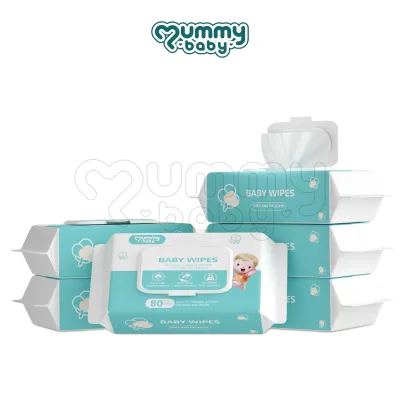
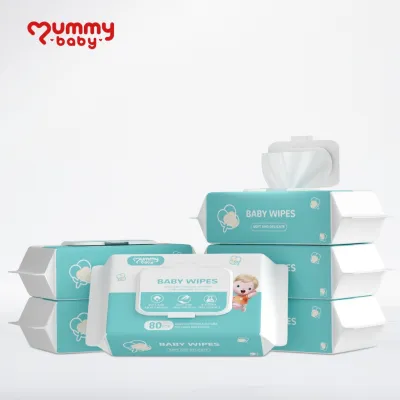
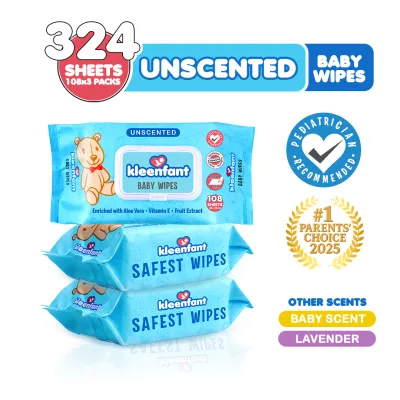
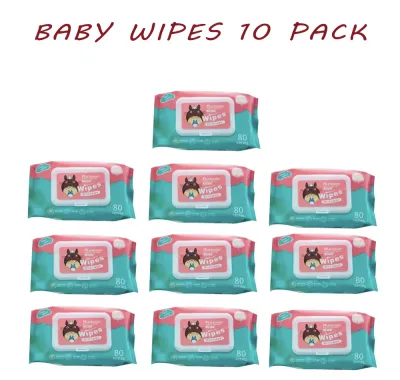
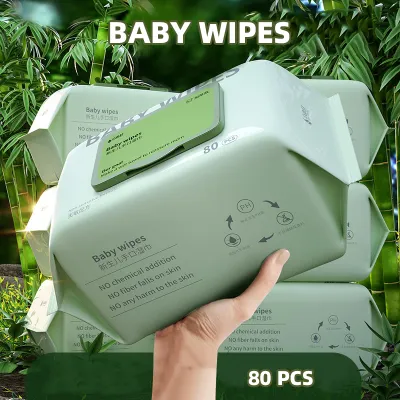
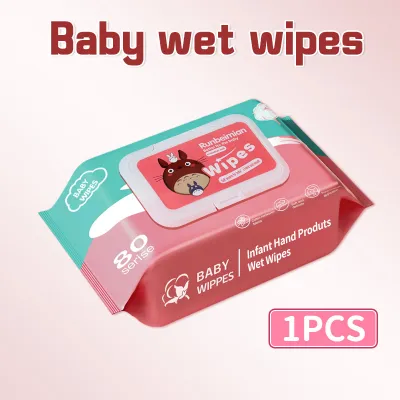
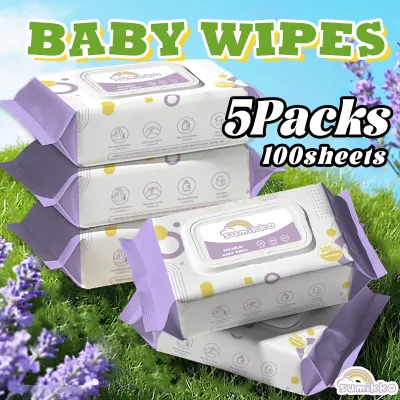
Prices are valid at publication and may change. Please refer to the product page for the latest price.
Ingredient simplicity is the most reliable starting point for sensitive skin care. As a general rule, the fewer components listed on the back of the pack, the lower the risk of contact dermatitis. Each additional preservative, surfactant, or botanical extract represents another potential allergen that your baby’s skin must tolerate, making minimalist formulations inherently safer for reactive skin.
Verifying the complete absence of common irritants is the next crucial step. Parents should actively check labels to ensure the wipes are free from drying alcohols, artificial fragrances, and harsh preservatives like parabens or methylisothiazolinone. Even natural-sounding ingredients can sometimes act as sensitizers, so a clean, irritant-free list is essential.
Physical properties also play a major role in skin health, as mechanical friction can damage a delicate skin barrier just as easily as chemical irritants. Look for wipes that offer sufficient thickness and a soft, non-abrasive texture to ensure you can clean thoroughly with minimal pressure. The moisture level must be balanced; a wipe that is too dry requires excessive rubbing, while one that is overly wet can leave excess moisture trapped in skin folds, promoting fungal growth.
Finally, interpreting label claims requires a critical eye. Terms like “dermatologist-tested” or “hypoallergenic” are helpful indicators, but they are not standardized legal definitions. Parents must verify these claims by looking at the actual ingredient list and checking the manufacturer’s packaging for specific testing standards, age suitability, and caregiver supervision warnings.
Comparing Common Mummy Wipe Variants
Mummy baby wipes have become a familiar sight for parents across the Philippines, offering a range of options designed to cater to different stages of infancy and skin types. These products are widely distributed, and parents can easily check current stock availability in local supermarkets, baby specialty stores, and major online marketplaces.

To find the most suitable option for your baby, it is helpful to categorize the available Mummy variants into distinct formulation groups. By comparing these categories side-by-side, you can match their specific properties to your baby’s current skin condition and daily routine.
Pure Water and Minimalist Formulations
Minimalist, water-based wipes are designed to mimic the gentle cleansing of plain water and cotton. These formulations are highly preferred during the newborn stage when the skin barrier is still developing, as well as during active eczema flare-ups when any added chemical can cause intense stinging or redness.
When choosing a water-based variant, you should verify the manufacturer’s claims regarding water purity, such as the use of multi-stage purification or reverse osmosis. Additionally, because pure water is highly susceptible to bacterial and fungal contamination once the pack is opened, you must check the label to identify the specific mild preservative system used to keep the wipes sterile and safe.
While these minimalist wipes are exceptionally gentle, they do come with practical trade-offs that parents should consider. Because they lack added surfactants or cleansing agents, they may not glide as effortlessly over sticky messes, potentially requiring you to use more sheets per diaper change to achieve a complete clean.
Soothing Extract Formulations (Aloe, Chamomile, etc.)
Many commercial wipes feature formulations infused with botanical extracts like aloe vera, chamomile, or calendula. These variants are typically designed for routine diaper changes where the skin is healthy but could benefit from mild, natural soothing properties to help calm minor redness from diaper friction.
However, natural ingredients are not automatically safe for every infant. For babies with highly sensitive skin, eczema, or a compromised skin barrier, plant-derived extracts can actually act as allergens or contact sensitizers. What soothes one baby’s skin might trigger an allergic reaction or contact dermatitis in another, making caution necessary.
Before introducing any new botanical-infused wipe to your daily routine, it is highly recommended to perform a safe patch test. Gently swipe a single wipe on a small, healthy patch of your baby’s skin, such as the inner forearm, and wait twenty-four hours to monitor for any signs of redness, swelling, or irritation before using the product for a full diaper change.
Decoding the Ingredient List and Safety Labels
To truly protect your baby’s sensitive skin, you must learn to look past front-of-pack marketing claims and read the ingredient list on the back of the packaging. Manufacturers often highlight appealing keywords on the front, but the regulatory ingredient list provides the absolute truth about what is inside the package.
When reviewing the ingredients, pay close attention to the preservatives and surfactants used to keep the wipes fresh and clean. According to current pediatric dermatology guidelines, parents should monitor or avoid ingredients like phenoxyethanol, formaldehyde releasers, and harsh detergents if their baby has highly reactive skin. If you notice your baby developing persistent redness, stop using the product immediately and consult a pediatrician to identify if a specific preservative is the culprit.
It is also vital to distinguish between “unscented” and “fragrance-free” products. An unscented product may still contain masking fragrances designed to cover up the chemical smell of the raw ingredients, which can still irritate sensitive skin. A truly fragrance-free product will have no fragrance chemicals listed in the ingredients, offering a much safer profile for allergy-prone babies.
Beyond the ingredients themselves, product safety depends heavily on freshness and hygiene. Always check the manufacturing and expiration dates, batch codes, and the integrity of the plastic seal or lid before purchasing. In the warm, humid climate of the Philippines, a compromised seal can quickly lead to moisture loss or, worse, the growth of harmful bacteria and mold inside the pack.
Decision Framework: Choosing the Right Variant
To simplify your purchasing decision, you can use a structured framework to match the right Mummy wipe variant to your baby’s specific skin profile. This prevents unnecessary trial and error, saving you money and protecting your baby from painful skin reactions.
You should choose Pure Water or minimalist variants if your baby has diagnosed eczema, open or broken skin, or a known sensitivity to botanical ingredients. These wipes provide the gentlest possible cleansing without introducing unnecessary compounds that could sting or inflame active rashes.
Conversely, you may choose Soothing Extract variants if your baby has healthy, intact skin, tolerates plant-derived ingredients well, and you want a mild calming effect to help protect against routine diaper friction. These are excellent for daily maintenance when there are no active skin conditions.
Before making any bulk purchase, always verify if your baby has a known family history of allergies to specific preservative families or botanical compounds. If a sibling or parent has highly sensitive skin, starting with the most minimalist formulation available is always the safest path.
Keep in mind that commercial wipes may not be suitable for every situation. If your baby is dealing with a severe, persistent diaper rash, or if they require medicated topical treatments, you should stop using commercial wipes entirely and follow the specific cleansing routines prescribed by your pediatrician.
Best Practices for Usage and Storage
Even the gentlest wipe can cause skin irritation if it is stored incorrectly or used too aggressively. Implementing proper handling and application techniques ensures that the wipes remain sterile, moist, and safe for your baby’s skin from the first sheet to the last.
In the tropical climate of the Philippines, high heat and humidity can accelerate the drying process and create an environment where bacteria can thrive if the package is left open. Always store your wipe packs in a cool, dry place away from direct sunlight, and ensure the plastic lid or adhesive seal is pressed down firmly after every single use.
When performing a diaper change, always use a gentle “pat, don’t rub” technique. Dragging a wipe repeatedly across sensitive skin creates mechanical friction that strips away natural oils and damages the skin barrier. Gently patting the area clean removes residue effectively without causing physical trauma to the skin.
If your baby experiences a severe diaper rash flare-up, characterized by bright red skin, peeling, or blisters, you should temporarily stop using commercial wipes altogether. Switch to using plain, lukewarm water and soft cotton pads or a clean washcloth to cleanse the area, and consult a qualified healthcare professional for a proper diagnosis and treatment plan.
Frequently Asked Questions (FAQ)
Can I use Mummy wipes on my baby's face and hands?
Before using any baby wipe on your child’s face or hands, you must carefully check the product packaging for specific eye-safe and oral-safe certifications. The skin on the face is thinner and more sensitive than the diaper area, and babies frequently put their hands and fingers into their mouths.
For facial and hand cleanup, minimalist, pure water formulations are highly preferred over botanical or scented variants. These simple formulations minimize the risk of stinging the eyes or causing accidental ingestion of bitter surfactants and botanical residues during feeding or thumb-sucking.
How do I calculate the true cost per wipe when buying in bulk?
To find the best value without relying on fluctuating retail prices, you can calculate the exact cost per sheet using a simple formula. Divide the total price of the pack or bundle by the total number of individual wipes included:
Price of Pack / Total Number of Sheets = Cost per Wipe (₱)
When buying in bulk, you must also evaluate the quality of the resealable packaging. A cheap, poorly designed seal on a large bulk pack may lose its stickiness quickly in a humid climate, causing the remaining wipes to dry out and become unusable before you can finish the pack, which ultimately negates any bulk savings.
Community discussion
Share your experience or ask a question. Comments are reviewed before publication.