
When protecting your baby from mosquito bites in a tropical climate like the Philippines, safety is just as important as prevention. While a mosquito sticker patch offers a convenient, hands-free alternative to messy sprays, these products are not universally safe for all infants and toddlers. Their safety depends entirely on the active ingredients used, the exact developmental stage of your child, and how carefully you apply and monitor the patch.
As a general rule, parents should never apply a mosquito sticker patch directly to a baby’s skin. While many of these products are marketed as “natural” because they rely on plant-based essential oils, concentrated botanicals can still pose significant respiratory and dermal risks to developing systems. For very young infants, physical barriers remain the safest and most reliable choice, while older babies and toddlers may use patches under strict caregiver supervision and strategic placement.
Understanding the specific ingredients, potential hazards, and proper application methods will help you make an informed decision for your family. By balancing convenience with pediatric safety guidelines, you can keep your little one protected from mosquito-borne illnesses without exposing them to unnecessary health risks.
Products mentioned in this guide
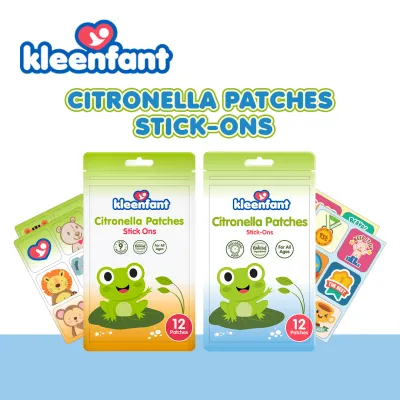
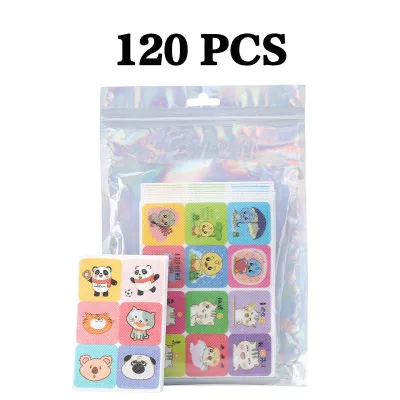
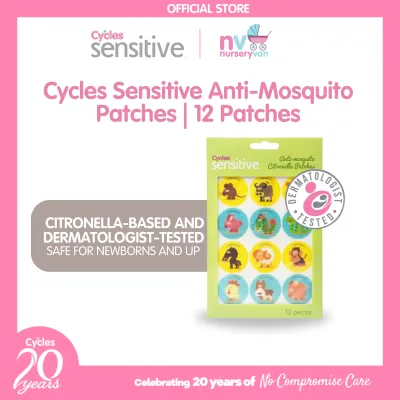
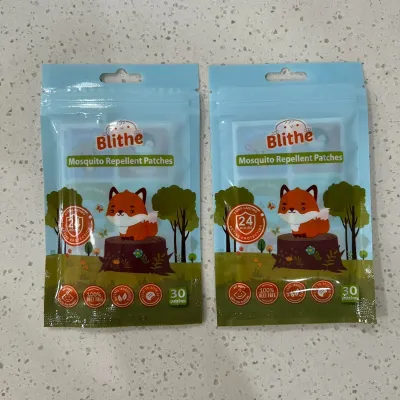
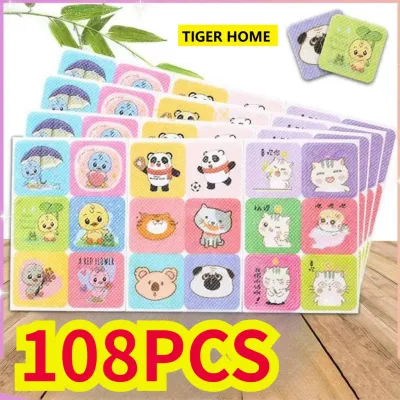
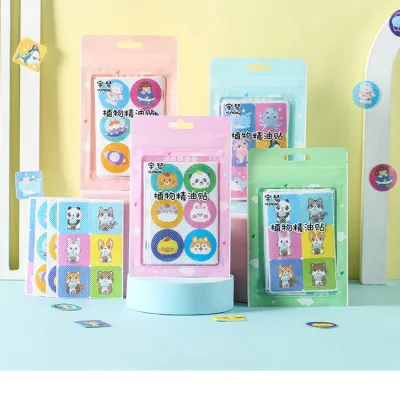
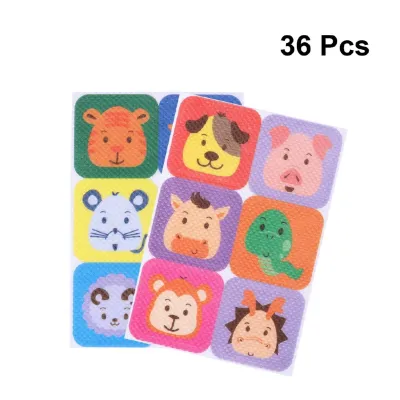
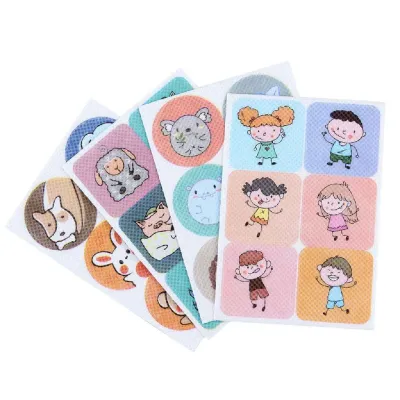
Prices are valid at publication and may change. Please refer to the product page for the latest price.
Common Ingredients in a Mosquito Sticker Patch and Their Effects
To evaluate the safety of any mosquito sticker patch, you must first look closely at its active ingredients. Unlike traditional topical repellents that rely on synthetic chemicals, most sticker patches utilize volatile plant-based essential oils. These oils work by evaporating slowly, releasing a scent barrier that masks the human odors—such as carbon dioxide and lactic acid—that naturally attract mosquitoes.
Citronella Oil Citronella is the most common active ingredient found in commercial mosquito patches. Extracted from various species of lemongrass, it has been used for decades as a natural insect repellent. While it is generally recognized as safe for older children when used as directed, citronella is highly volatile. In concentrated patch form, the strong aroma can be overwhelming for a newborn’s sensitive olfactory system, even though the oil itself does not make direct contact with the skin.
Eucalyptus and Lemon Eucalyptus Oil Many patches incorporate eucalyptus oil or Oil of Lemon Eucalyptus (OLE) to enhance their repellent strength. It is crucial to distinguish between pure lemon eucalyptus essential oil and the synthesized compound known as PMD (para-menthane-3,8-diol). While PMD is a highly effective, clinically proven repellent, major pediatric and public health organizations advise against using any products containing lemon eucalyptus oil or PMD on children under three years of age due to potential skin and respiratory sensitivities.
Lavender and Peppermint Oils Lavender and peppermint are frequently added to patches for their pleasant scents and mild insect-repelling properties. Although these botanicals are often perceived as soothing, they contain complex organic compounds that can trigger allergic reactions in sensitive individuals. Peppermint oil, in particular, contains menthol, which can cause localized cooling sensations that may irritate a young child’s eyes or nasal passages if the patch is placed too close to their face.
The “Natural” Misconception Many commercial brands prominently display labels like “100% natural,” “organic,” or “chemical-free” to reassure parents. However, in pediatric care, natural does not automatically translate to safe. Baby skin is thinner, more fragile, and more permeable than adult skin, and an infant’s respiratory tract is highly reactive. Concentrated essential oils are potent chemical mixtures created by plants, and they can cause contact dermatitis, eye irritation, or respiratory distress just as easily as synthetic compounds if misused.
Contrasting with Synthetic Repellents While mosquito patches rarely contain synthetic repellents like DEET or Picaridin, it is important to understand why. Synthetic repellents are designed to be applied to the skin or clothing to provide long-lasting, measurable protection. Because patches rely on the passive evaporation of volatile oils, they cannot deliver the same consistent, localized protection as a properly applied, pediatrician-approved topical repellent. Parents must carefully read the entire ingredient list of any patch to ensure there are no hidden synthetic fragrances, artificial colorants, or chemical adhesives that could trigger a reaction.
Potential Risks and Side Effects for Babies
While a mosquito sticker patch is designed to be a low-risk product because it is not rubbed into the skin, using it around babies and toddlers still carries distinct physical and physiological hazards.

Skin Sensitivities and Contact Dermatitis
Even though you should never apply a patch directly to your baby’s skin, the risk of dermal irritation remains. Volatile essential oils can easily transfer from the patch to clothing fibers, and subsequently to the skin underneath. If a baby sweats, the moisture can facilitate the transfer of these concentrated oils, leading to localized redness, itching, or contact dermatitis. Furthermore, if a baby touches the patch and then rubs their eyes or mouth, they can transfer the concentrated oils directly to these highly sensitive mucosal membranes, causing immediate burning and irritation.
Respiratory Irritation and Volatile Compounds
Infants and toddlers have rapidly developing respiratory systems with narrow airways. The strong, concentrated scents emitted by essential oil patches can act as sensory irritants. In enclosed spaces—such as a nursery, an air-conditioned bedroom, or a covered stroller—the concentration of volatile organic compounds (VOCs) can build up quickly. This concentrated vapor can trigger coughing fits, sneezing, watery eyes, or even wheezing, particularly in babies who have an underlying predisposition to asthma, reactive airway disease, or infant eczema.
Choking and Ingestion Hazards
Perhaps the most immediate physical danger associated with mosquito patches is the risk of choking and accidental poisoning. Most patches are designed with bright colors, playful cartoon characters, and friendly animal shapes to appeal to children. However, this visual appeal also makes them highly attractive to curious toddlers who are in an oral exploration phase. A toddler can easily peel a sticker patch off their clothing or stroller and put it directly into their mouth. This poses a severe choking hazard. If swallowed, the concentrated essential oils can cause severe irritation to the lining of the mouth, esophagus, and stomach, and if aspirated into the lungs, they can lead to chemical pneumonitis, a serious inflammatory condition.
Age Guidelines: When Is It Safe to Start Using Them?
Navigating when to introduce protective products requires a clear understanding of your child’s developmental milestones and physiological vulnerability. Pediatric guidelines offer specific age-based boundaries to help parents minimize risks.
- Newborns to 6 Months: Do not use any mosquito repellent patches, essential oils, or topical chemical repellents on babies in this age group. A newborn's skin barrier is highly permeable, and their respiratory system is exceptionally delicate. For infants under six months, rely entirely on physical barriers to prevent insect bites.
- 6 Months to 3 Years: You may use certain plant-based mosquito patches with extreme caution, provided they do not contain lemon eucalyptus oil (OLE) or PMD. Ensure the patch is placed completely out of the child's sight and reach. Always check the manufacturer's packaging for specific age restrictions, as some brands formulate their adhesives or oil concentrations specifically for older children.
- 3 Years and Older: Children in this age bracket have more resilient skin barriers and more developed airways, making them suitable candidates for a wider variety of repellent patches, including those containing lemon eucalyptus oil. However, active caregiver supervision is still necessary to prevent the child from playing with, sharing, or ingesting the stickers.
Before introducing any new mosquito repellent product to your child’s routine, it is highly recommended to consult your pediatrician. This is especially critical if your baby has a history of sensitive skin, eczema, allergies, or respiratory conditions like asthma. A healthcare professional can provide personalized guidance based on your child’s medical history and the local insect-borne disease risks in your area.
Best Practices for Safe Application and Use
If you choose to use mosquito sticker patches to protect your child during high-risk periods, such as the rainy monsoon season in the Philippines, following strict safety protocols will help minimize potential hazards.
Strategic Placement of the Patch
Proper placement is the most effective way to prevent both skin irritation and ingestion.
- Apply to clothing only: Never stick a patch directly onto your baby's skin. The adhesive backing and the concentrated oils are designed solely for fabric application.
- Place out of reach: Stick the patch on areas of clothing that your child cannot see or easily access. The upper back of their shirt, between the shoulder blades, is the ideal location.
- Utilize baby gear: Instead of placing the patch on the child's clothing, consider sticking it to the exterior frame of their stroller, the outer canopy, or the underside of a playpen rail. Ensure it is positioned far enough away that the baby cannot reach out and grab it.
- Avoid enclosed sleeping spaces: Do not stick patches on the inside of a crib, bassinet, or any enclosed sleeping area where the baby will spend hours breathing in the concentrated vapors.
Ensuring Adequate Ventilation
Because patches work by releasing volatile vapors, they should be used primarily in well-ventilated environments.
- Outdoor use: Patches are best suited for outdoor activities, such as walks in the park or family gatherings, where natural air movement dilutes the concentration of essential oil vapors.
- Indoor precautions: If using patches indoors, ensure the room is spacious and well-ventilated. Avoid using them in small, tightly sealed, air-conditioned bedrooms where the air remains stagnant.
Caregiver Supervision and Safe Disposal
Active monitoring is essential to ensure the patch remains securely in place and does not become a hazard.
- Regular checks: Periodically inspect your child to ensure the patch has not peeled off, fallen onto the floor, or been transferred to their hands.
- Monitor for adverse reactions: Watch your child closely for any signs of discomfort. If you notice persistent coughing, watery eyes, sneezing, or skin redness near the application area, remove the patch immediately and move the child to fresh air.
- Proper disposal: When you return indoors or when the patch's effective time has passed, peel it off immediately. Dispose of it in a closed trash bin that is completely inaccessible to children and pets. Do not leave used patches lying around, as they still contain residual oils and adhesive.
- Secure storage: Store unused patches in their original, resealable foil packaging. Keep the package in a cool, dry place, high up and locked away from children's reach, to prevent the essential oils from evaporating prematurely in tropical heat.
Effective and Safe Alternatives for Baby Mosquito Protection
In tropical environments where mosquito-borne diseases like dengue are a constant concern, relying solely on a mosquito sticker patch may not provide sufficient protection. Utilizing a multi-layered defense strategy that prioritizes physical and environmental controls is the safest and most effective approach for young children.
Physical Barriers Physical barriers are the gold standard for infant mosquito protection. They provide a highly effective shield without introducing any chemical or botanical exposures to your baby’s skin or lungs.
- Mosquito netting: Equip your baby's crib, playpen, and stroller with fine-mesh mosquito netting. Ensure the net is pulled taut and does not sag into the sleeping area, which could pose a suffocation hazard. Inspect the netting regularly for any small tears or gaps.
- Protective clothing: Dress your baby in loose-fitting, lightweight, long-sleeved shirts and long pants. Opt for light-colored clothing, as mosquitoes are naturally attracted to dark colors. Tight clothing should be avoided, as mosquitoes can sometimes bite through thin, snug fabrics.
Environmental Controls Reducing the mosquito population around your living space is a highly effective way to protect your entire household.
- Eliminate standing water: Mosquitoes breed in stagnant water. Regularly empty, clean, or cover containers that can hold water, such as flowerpot saucers, buckets, pet bowls, and clogged gutters. This is particularly crucial during the rainy season in the Philippines.
- Install window and door screens: Keep windows and doors closed unless they are fitted with intact, fine-mesh screens to prevent mosquitoes from entering your home.
- Air circulation: Use standing or ceiling fans in your living areas. The constant airflow makes it difficult for mosquitoes to fly and locate hosts.
Pediatrician-Approved Topical Repellents For older babies and toddlers who require more robust protection during outdoor activities, topical repellents may be appropriate. Consult your pediatrician to select a product with a safe, clinically proven active ingredient—such as low-concentration Picaridin or DEET—formulated specifically for young children. Always apply these products strictly according to the manufacturer’s instructions, avoiding the child’s hands, eyes, mouth, and any cut or irritated skin.
Frequently Asked Questions (FAQ)
Can I put a mosquito patch directly on my baby's skin?
No, you should never apply a mosquito sticker patch directly to your baby’s skin. The adhesive backing can cause localized irritation or allergic reactions, and the highly concentrated essential oils can lead to chemical burns, severe contact dermatitis, or rapid dermal absorption. Always apply the patch to the exterior of your child’s clothing or baby gear, completely out of their reach.
Are citronella mosquito patches safe for newborns?
No, citronella mosquito patches are not recommended for newborns or infants under six months of age. Newborns have highly sensitive respiratory tracts and delicate skin barriers that can easily be irritated by the strong, volatile vapors of concentrated essential oils. For newborns, physical barriers such as fine-mesh mosquito nets and protective clothing are the only recommended methods of protection.
What should I do if my baby gets a rash from a mosquito patch?
If your baby develops a rash, immediately remove the patch and any clothing that has come into contact with it. Gently wash the affected skin with mild baby soap and cool water to remove any residual oils. Do not apply harsh creams or self-prescribed ointments. Monitor your baby closely, and consult a pediatrician immediately if the rash persists, spreads, or if your baby shows signs of respiratory distress, such as coughing or wheezing.
Community discussion
Share your experience or ask a question. Comments are reviewed before publication.