
Mosquito repellent bracelets for kids have become a highly visible accessory, especially during warm, humid months when mosquito activity peaks. Parents naturally want to protect their little ones from itchy bites and mosquito-borne illnesses, making these colorful, wearable bands seem like a convenient, mess-free alternative to sticky sprays and lotions. However, determining whether these bracelets are truly safe for babies and toddlers requires a closer look at their ingredients, how they interact with sensitive skin, and the physical hazards they might present to a developing child.
For infants and very young toddlers, wearable repellent bands are generally not recommended. While older toddlers may be able to wear certain types under close adult supervision, parents must remain vigilant about checking product labels, verifying age recommendations, and monitoring for signs of skin or respiratory irritation. Understanding the limitations and risks of these products is essential for keeping your child safe while effectively managing pest protection in tropical climates.
Understanding the Ingredients in Kids' Mosquito Bracelets
When evaluating any mosquito repellent bracelet, the first step is to carefully examine the active ingredients listed on the product packaging. Many wearable bands marketed for children claim to be natural, utilizing plant-derived essential oils such as citronella, lemongrass, peppermint, rosemary, and geraniol. Other products may use synthetic chemical repellents. Because young children have highly sensitive systems, parents must verify exactly what substances will be in close proximity to their child’s skin and airways.
Products mentioned in this guide
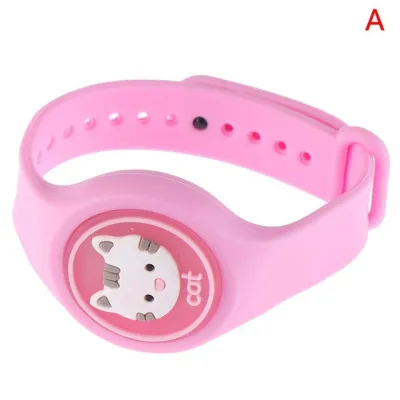
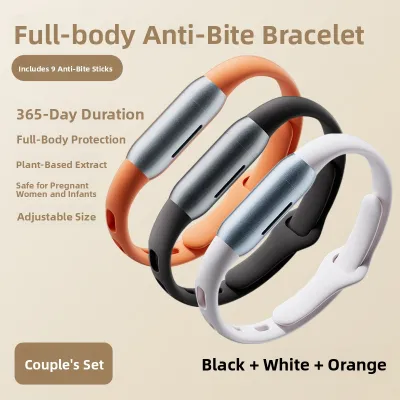
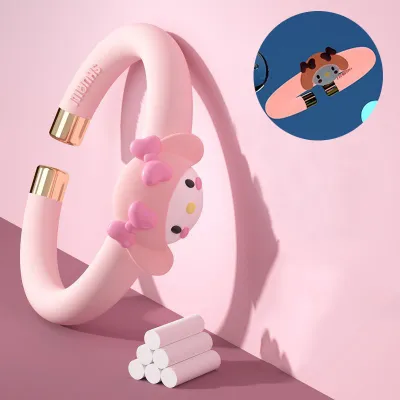
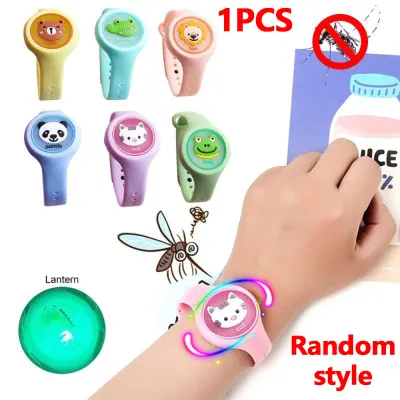
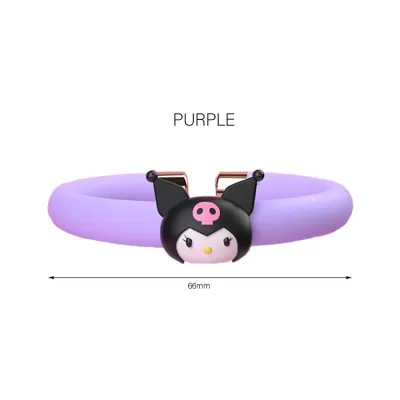
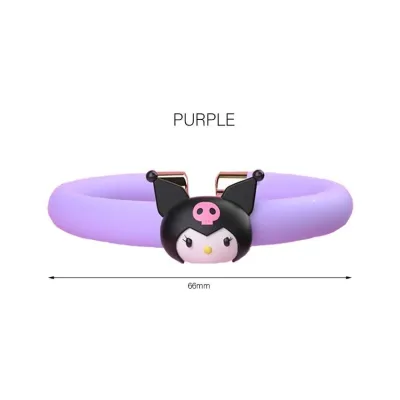
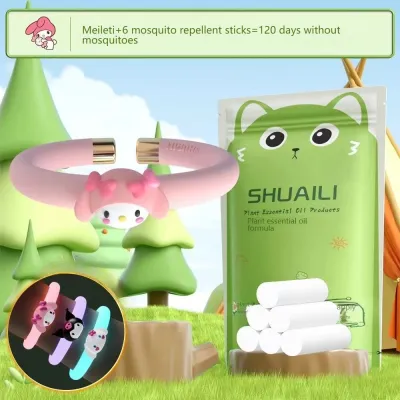
Prices are valid at publication and may change. Please refer to the product page for the latest price.
It is a common misconception that “natural” ingredients are inherently safe for infants and toddlers. Highly concentrated essential oils are volatile organic compounds that release strong vapors to deter insects. While these scents might be harmless to adults, they can be overwhelming to a baby’s developing respiratory system. Inhalation of concentrated oils in enclosed spaces, or even outdoors on a still day, can sometimes trigger coughing, sneezing, or mild breathing discomfort in sensitive children.
Furthermore, synthetic chemical formulations require even greater scrutiny. Parents should always check the manufacturer’s age warnings, as many chemical repellents are strictly rated for older children and should never be used on infants or toddlers. If a brand uses vague terms like “proprietary botanical blend” without specifying the exact oils and concentrations, it is safest to pass on that product and choose one with transparent labeling.
Age Limits and Skin Sensitivity Concerns
The age of your child is the most critical factor when deciding how to protect them from mosquitoes. Infants under six months of age have exceptionally thin, fragile skin that is far more permeable than adult skin. This means any topical substance or volatile oil that comes into contact with their skin can be absorbed into their system much more rapidly. Because of this physiological vulnerability, pediatric guidelines globally emphasize using physical barriers rather than chemical or concentrated botanical repellents for very young babies.

As babies grow into toddlers, their skin remains highly sensitive to direct contact with concentrated substances. Wearing a repellent bracelet directly on the wrist or ankle can cause localized skin irritation, known as contact dermatitis. The friction of the band rubbing against the skin, combined with sweat and the active repellent ingredients, creates a prime environment for redness, itching, and rashes.
Before allowing an older toddler to wear a repellent band, parents should perform a cautious check for sensitivity. While you cannot easily patch-test a volatile bracelet in the traditional sense, you can introduce it gradually. Try attaching the bracelet to an item of clothing, such as the loop of a shoe or the back of a shirt, rather than directly on the skin, and observe your child closely for the first thirty minutes. Watch for any signs of localized redness, hives, or if the child begins to rub their eyes or cough.
If you observe any signs of discomfort, respiratory irritation, or skin changes, you must remove the bracelet immediately. Wash the affected skin area thoroughly with mild soap and water to remove any lingering oils or chemical residues. Keep in mind that a child’s skin barrier can take time to recover, so avoiding further exposure to the triggering product is essential.
Evaluating Protection: Do Repellent Bracelets Actually Work?
Beyond safety, parents must consider whether mosquito repellent bracelets provide enough actual protection to justify their use. The mechanism of a repellent band relies on creating a small “vapor shield” around the bracelet itself. However, this protection radius is extremely limited. A band worn on a child’s left wrist will do very little to protect their right ankle, legs, or face from hungry mosquitoes. This localized effect leaves a significant portion of the child’s body completely vulnerable to bites.
Environmental factors common in tropical climates further reduce the effectiveness of these wearables. High winds can quickly disperse the repellent vapors before they can form a protective barrier around the child. Similarly, high humidity and heavy sweating can cause the active ingredients to wash away or evaporate much faster than the manufacturer’s advertised lifespan.
This limited efficacy poses a secondary safety risk: a false sense of security. In regions where mosquito-borne diseases like dengue are prevalent, relying solely on a wristband can leave a child dangerously exposed. Parents might feel reassured by the presence of the colorful band and neglect more comprehensive protective measures, such as applying approved topical repellents or dressing the child in protective clothing. Effective mosquito defense requires a multi-layered approach rather than relying on a single wearable accessory.
Safety Rules for Choosing and Wearing Repellent Bracelets
If you decide to use mosquito repellent bracelets for your older toddler, adhering to strict safety rules can help minimize the risks of accidental exposure, skin irritation, or ingestion. First, always purchase products from reputable brands that provide clear, age-appropriate labeling and comprehensive safety instructions. Avoid unbranded or cheaply manufactured items from online marketplaces, as these may not adhere to strict quality control standards and could contain undisclosed chemicals or high concentrations of irritating oils.
Placement of the bracelet is key to preventing accidental ingestion. Toddlers are naturally curious and frequently put their hands, toys, and clothing into their mouths. If a repellent band is worn on the wrist, there is a high risk that the child will chew on the band, directly ingesting the concentrated active ingredients. To prevent this, never place the band directly on a child’s hand or wrist if they still frequently explore objects with their mouth. Instead, consider securing the bracelet to the frame of their stroller, their diaper bag, or a belt loop on the back of their clothing where they cannot reach or see it.
Proper storage is another crucial safety measure. When the bracelet is not actively being used, store it in its original resealable packaging and place it completely out of reach of children, preferably in a locked cabinet.
Finally, establish clear boundaries for when to stop using the product. If your child shows any signs of skin irritation, persistent coughing, watery eyes, or lethargy while wearing or near the bracelet, discontinue use immediately. If the symptoms do not resolve quickly after removing the band and washing the skin, or if you suspect your child has swallowed any part of the bracelet, consult a pediatrician or seek professional medical assistance right away.
Safer Mosquito Protection Alternatives for Young Children
For parents who prefer to avoid the risks associated with wearable repellent bands, there are several highly effective, low-risk alternatives that provide protection without exposing young children to concentrated chemicals or volatile oils. Physical barriers remain the safest and most reliable defense against mosquito bites for both babies and toddlers. Utilizing fine-mesh mosquito netting over cribs, playpens, strollers, and infant car seats physically blocks insects from reaching your child’s skin without any chemical exposure.
Dressing your child appropriately is another simple yet highly effective strategy. Opt for loose-fitting, light-colored clothing that covers their arms and legs. Loose, lightweight long sleeves and pants provide an excellent physical shield while keeping your child cool in warm weather.
Managing your immediate environment is also key to reducing mosquito encounters. Regularly inspect your living spaces and yard to eliminate any standing water, which serves as a breeding ground for mosquitoes. Empty water from flower pots, buckets, pet bowls, and outdoor toys at least once a week. Additionally, using a simple electric fan in areas where your child plays or sleeps can significantly disrupt mosquito flight patterns, making it very difficult for them to land and bite.
For older toddlers who require extra protection during outdoor activities, consult your pediatrician about safe, age-appropriate topical repellents. When recommended by a healthcare professional, look for pediatric-approved formulations containing low concentrations of active ingredients cleared for young children. Always apply these products sparingly to exposed skin, avoiding the child’s hands, eyes, mouth, and any cuts or irritated areas, and wash the repellent off thoroughly once you return indoors.
Frequently Asked Questions (FAQ)
Can babies under 6 months wear mosquito repellent bracelets?
No, babies under six months of age should not wear mosquito repellent bracelets. Pediatric consensus strongly advises against exposing young infants to concentrated essential oils or synthetic chemical repellents due to their highly permeable skin and sensitive, developing respiratory systems. For infants in this age group, physical barriers such as stroller canopy nets, crib netting, and lightweight, protective clothing are the safest and most effective methods to prevent mosquito bites.
What should I do if my child gets a rash from the bracelet?
If your child develops a rash or skin irritation from a repellent bracelet, remove the band immediately. Wash the affected area thoroughly with cool water and a mild, fragrance-free soap to remove any remaining oil or chemical residues. Pat the skin dry gently with a clean towel and avoid applying any self-prescribed creams or ointments. Monitor the rash closely, and consult a pediatrician if the redness, swelling, or itching persists, worsens, or spreads to other parts of the body.
Are citronella bracelets completely safe for toddlers?
While citronella is a natural, plant-derived ingredient, it is not completely risk-free for toddlers. Highly concentrated citronella oil can still cause contact dermatitis, skin redness, or respiratory sensitivity in young children with delicate systems. Parents should always check the manufacturer’s age recommendations, avoid placing the band in direct contact with sensitive skin, and ensure the child cannot put the bracelet in their mouth.
Community discussion
Share your experience or ask a question. Comments are reviewed before publication.