
Mosquito repellent bracelets can offer localized, short-term deterrence, but their safety for babies depends heavily on the specific essential oils used, the infant’s age, and how the accessory is worn. During dengue season in the Philippines, relying solely on bracelets is insufficient, and parents must carefully weigh potential skin and respiratory sensitivities against the need for robust protection. This guide helps you evaluate product labels, recognize adverse reactions, and build a safer, layered defense strategy for your child.
In tropical climates where humidity remains high, mosquito populations thrive, making effective pest control a top priority for families. While these wearable accessories are often marketed as convenient, chemical-free alternatives to traditional sprays, they are not a universal shield. An infant’s skin barrier is significantly thinner and more permeable than an adult’s, meaning substances that contact their skin are absorbed much more readily. Before purchasing or strapping any accessory onto your baby, it is vital to understand the physiological differences that make infants highly vulnerable to concentrated botanical extracts.
Balancing the threat of mosquito-borne illnesses like dengue with the potential risks of topical or respiratory exposure requires a cautious, informed approach. Caregivers must verify the recommended age, weight limits, and specific method of use from the product documentation before purchase. Relying on a single wearable item can leave critical areas of your baby’s body exposed, making a comprehensive, multi-layered approach to pest protection essential.
Products mentioned in this guide
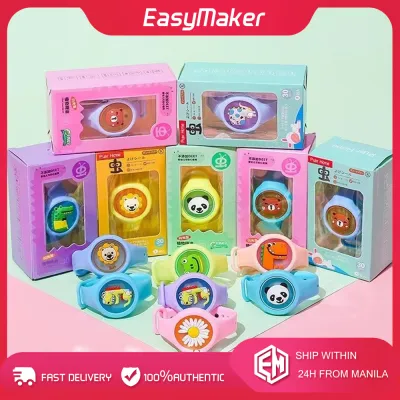
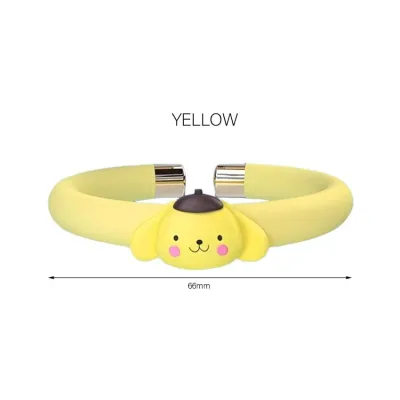
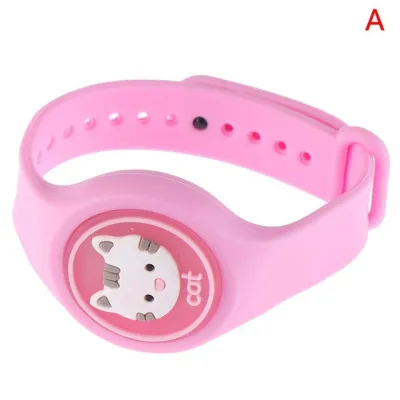
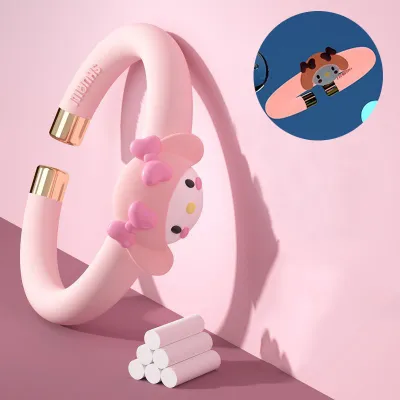
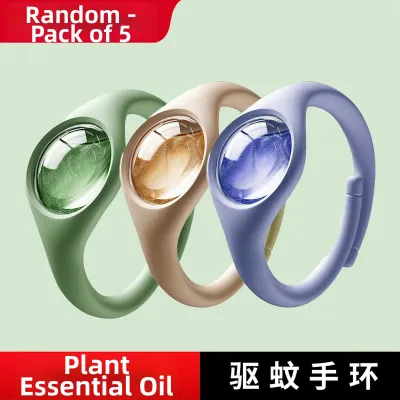
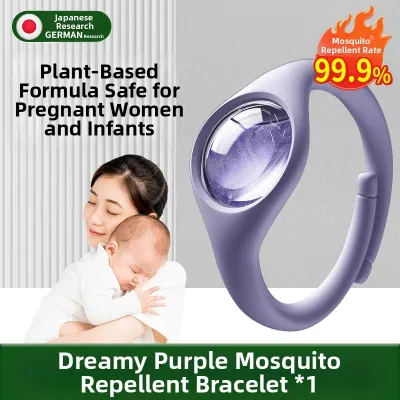
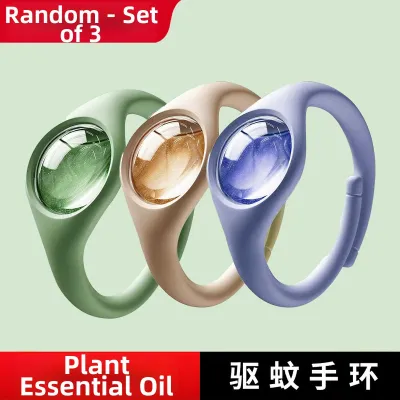
Prices are valid at publication and may change. Please refer to the product page for the latest price.
Understanding the Ingredients: Essential Oils and Baby Skin
Many commercial repellent bracelets utilize plant-based essential oils as their active ingredients, with citronella, eucalyptus, and peppermint being among the most common. While these botanical extracts are natural, they contain complex organic compounds that can be highly irritating to an infant’s delicate skin. Contact dermatitis, characterized by localized redness, itching, and dry patches, is a frequent adverse reaction when these concentrated oils come into direct contact with a baby’s skin.
When evaluating these products, caregivers must carefully read the packaging labels for age restrictions and concentration warnings. Many manufacturers explicitly state that their products are not suitable for infants under a certain age, often due to the high concentration of active oils. Additionally, some formulations may contain synthetic additives, preservatives, or carrier oils that can further exacerbate skin sensitivities or trigger allergic reactions. Any safety standards or certifications listed on the packaging should be verified directly by the reader, as label claims can vary widely.
It is a common misconception that labels marked “natural” are inherently safe or “hypoallergenic” for infants. In reality, natural essential oils are highly concentrated plant extracts that can cause severe irritation, especially on compromised, dry, or immature skin barriers. Hypoallergenic products are specifically formulated and tested to minimize allergic reactions, whereas “natural” simply denotes the origin of the ingredients without guaranteeing safety for sensitive baby skin.
Parents should also look out for specific ingredients like lemon eucalyptus oil, which is often confused with regular eucalyptus oil. Standard safety guidelines from global pediatric organizations advise against using oil of lemon eucalyptus on children under three years of age. Verifying the exact botanical names and concentrations on the product label is a crucial step before introducing any wearable repellent to your child’s environment.
Potential Respiratory and Allergic Risks
The mechanism by which mosquito repellent bracelets work relies on the continuous release of volatile organic compounds (VOCs) into the surrounding air to mask human scents. While this creates a localized vapor barrier that deters insects, these strong scents can easily overwhelm a baby’s developing respiratory system. In enclosed or poorly ventilated spaces, such as a nursery, a car, or a draped stroller, the concentration of these vapors can build up rapidly.

Inhaling these concentrated aromatic compounds can trigger respiratory irritation, leading to coughing, sneezing, or watery eyes. For infants with a family history of asthma or those with sensitive airways, exposure to strong essential oil vapors can even provoke bronchospasms or asthma-like symptoms. Because babies cannot communicate their discomfort verbally, these respiratory reactions may initially manifest as unexplained fussiness or changes in breathing patterns.
The physical placement of the bracelet also plays a significant role in inhalation and ingestion risks. If a bracelet is worn on a baby’s wrist, it is highly likely to end up near their face, as infants frequently rub their eyes, nose, and mouth. Furthermore, babies explore their world through oral sensory play, meaning any accessory worn on the wrist or ankle is at high risk of being sucked on or chewed, leading to direct accidental ingestion of the active oils.
Caregivers must always check the manufacturer’s warnings regarding use around infants with pre-existing respiratory conditions or heightened environmental allergies. If your baby has sensitive airways, even indirect exposure to these volatile oils can cause discomfort. Prioritizing physical barriers over vapor-emitting accessories is generally the safer path for infants who are prone to respiratory issues.
Safe Usage Guidelines and Boundary Conditions
If you decide to incorporate mosquito repellent bracelets into your family’s daily routine, minimizing direct contact with your baby’s skin is the most effective way to reduce risks. Instead of strapping the band directly onto your infant’s wrist or ankle, consider alternative placement strategies. Attaching the bracelet to the outer frame of a stroller, the canopy handle, or even your own clothing allows the repellent vapors to function without risking localized skin burns or allergic rashes on the child.
Establishing strict time limits for the use of these accessories is another essential safety measure. Repellent bracelets should never be worn while the baby is sleeping, napping, or left unattended, as the risk of the band slipping off and becoming a choking or strangulation hazard increases significantly. Once you return indoors to a well-screened or air-conditioned environment, remove the bracelet immediately and store it in a sealed container to limit unnecessary exposure.
Before using a new repellent bracelet around your baby, performing a localized patch test on your own skin can help identify highly irritating formulations. While this does not guarantee your baby will not react, it can help you detect exceptionally strong or poorly formulated products beforehand. When the bracelet is in use, monitor your baby closely for any behavioral changes, such as unusual lethargy, persistent rubbing of the face, or sudden irritability.
Supervision is the cornerstone of using any wearable accessory on an infant. Ensure that the bracelet is securely fastened and completely out of the baby’s reach if attached to external gear like strollers or playpens. Regularly inspect the accessory for signs of wear and tear, as leaking oil or loose parts can quickly turn a simple repellent tool into a direct safety hazard.
Recognizing Adverse Reactions and When to Stop
Promptly identifying the signs of an adverse reaction allows you to take immediate action before a minor irritation escalates into a more serious health issue. Caregivers should perform regular visual skin checks on areas near the bracelet or where the baby may have brushed against it. Look for localized redness, hives, small blisters, peeling skin, or swelling, which are clear indicators of contact dermatitis or an allergic response.
In addition to physical skin changes, pay close attention to behavioral and respiratory cues that suggest your baby is uncomfortable. Unexplained, persistent crying, sudden coughing fits, frequent sneezing, watery eyes, or constant rubbing of the nose and face can all point to an adverse reaction to the volatile oils. If you observe any of these signs, it is critical to remove the bracelet from the baby’s vicinity immediately.
Upon noticing a reaction, wash the affected skin area thoroughly with mild baby soap and cool water to remove any remaining oil residue. Avoid applying other topical creams or home remedies without professional guidance, as these can sometimes worsen the irritation. If the redness persists, if blisters develop, or if your baby experiences any difficulty breathing, stop use immediately and consult a pediatrician.
Building a Comprehensive Dengue Protection Plan
During peak dengue season in the Philippines, relying solely on a single accessory like a repellent bracelet is highly insufficient. These bands only offer localized, short-term deterrence, leaving critical areas of the body, such as the legs, neck, and face, completely exposed to hungry insects. Aedes mosquitoes, the primary vectors of dengue, are aggressive daytime biters that can easily bypass a single wristband to feed on unprotected skin.
A robust defense strategy must prioritize physical barriers, which provide highly effective protection without any chemical or respiratory risks. Dress your baby in lightweight, long-sleeved shirts and long pants made of breathable fabrics to keep them cool in the tropical heat while minimizing exposed skin. Additionally, ensure that window and door screens in your home are fully intact, and use properly fitted mosquito nets over cribs, strollers, and playpens.
For situations where physical barriers are not enough, such as outdoor gatherings or visits to high-risk areas, consult your pediatrician for age-appropriate, clinically tested topical repellents. Formulations containing low concentrations of DEET or Picaridin are often recommended for infants over a certain age, but they must be applied strictly according to professional advice and manufacturer instructions. Your pediatrician can help you select a safe product and demonstrate the correct application method to avoid accidental ingestion or eye irritation.
Maintaining a clean environment is also a vital component of dengue prevention. Regularly inspect your surroundings for any standing water where mosquitoes might breed, such as in flower pots, clogged gutters, or open containers. By combining environmental control, physical barriers, and carefully vetted topical solutions, you can create a comprehensive, layered defense that keeps your baby safe throughout the high-risk season.
Frequently Asked Questions (FAQ)
Can I use a mosquito repellent bracelet on a newborn?
It is highly recommended to avoid using mosquito repellent bracelets on newborns and infants under six months of age. Newborn skin is exceptionally thin, fragile, and highly permeable, making it extremely susceptible to absorbing concentrated essential oils. Furthermore, their respiratory systems are still developing, and the strong vapors emitted by these bracelets can easily cause irritation or breathing difficulties.
For newborns, safety guidelines emphasize relying exclusively on physical barriers for mosquito protection. Utilizing fine-mesh mosquito nets over cribs and strollers, dressing the baby in protective clothing, and keeping indoor spaces well-screened are the safest and most effective ways to shield a newborn from bites. Always consult your pediatrician before introducing any chemical or botanical repellent products to a newborn’s environment.
Do ultrasonic or non-chemical mosquito bracelets work for babies?
Ultrasonic and non-chemical mosquito bracelets are often marketed as completely safe, high-tech alternatives for infants because they do not release volatile oils or chemicals. However, scientific evaluations of ultrasonic pest repellents consistently show that these devices do not provide effective deterrence against mosquitoes, including the Aedes species that transmit dengue. Relying on them can give parents a false sense of security while leaving the baby unprotected.
Additionally, electronic bracelets present physical safety risks that caregivers must carefully evaluate. Many of these devices contain small parts, delicate straps, or button batteries, which pose severe choking and chemical burn hazards if they become loose. If you choose to use a non-chemical accessory, ensure it is kept entirely out of the baby’s reach and used only as a supplementary tool alongside proven physical barriers.
Community discussion
Share your experience or ask a question. Comments are reviewed before publication.