
Protecting young children from mosquito bites is a top priority for parents, especially in tropical climates like the Philippines where dengue fever is a constant concern. While topical chemical repellents are highly effective, many parents are hesitant to apply lotions directly to their child’s delicate skin. This concern has driven the popularity of mosquito patches for kids, which are small adhesive stickers infused with essential oils designed to repel insects without direct skin contact.
Mosquito patches are generally considered a lower-risk alternative to direct-skin chemical repellents when used correctly, but they are not entirely risk-free. Their safety and effectiveness depend heavily on the child’s age, the specific ingredients used, and strict adherence to safety guidelines. For very young infants under six months of age, physical barriers remain the safest and most recommended protection method. If your child has sensitive skin, reactive airways, or underlying respiratory conditions, it is always best to consult a pediatrician before introducing any aromatic products to their environment.
Understanding the Ingredients in Mosquito Patches
To evaluate the safety of mosquito patches, it is essential to understand what active substances they contain. Most commercial patches marketed for babies and toddlers rely on plant-based essential oils rather than synthetic chemicals. The most common active ingredient is citronella oil, which is widely recognized for its insect-repelling properties. Other frequently used botanical extracts include eucalyptus oil, lavender oil, and peppermint oil. These plant-derived ingredients work by emitting a strong aroma that masks the human scents, such as carbon dioxide and lactic acid, that mosquitoes use to locate their hosts.
Products mentioned in this guide
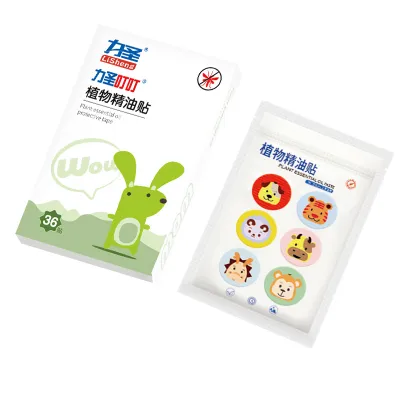
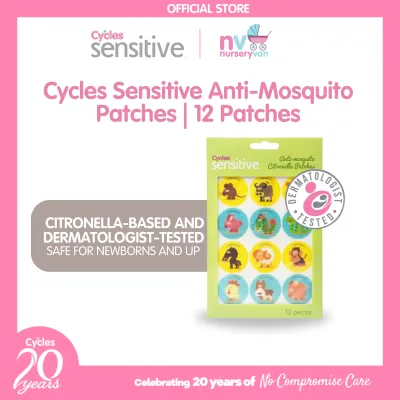
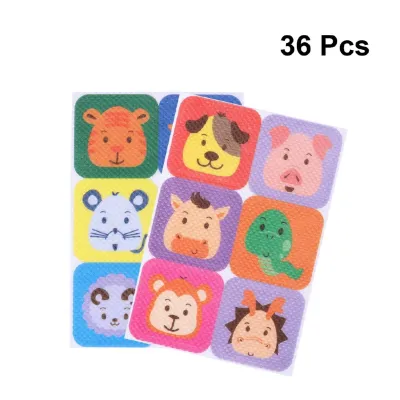
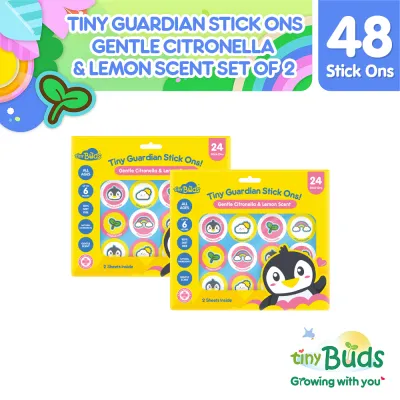
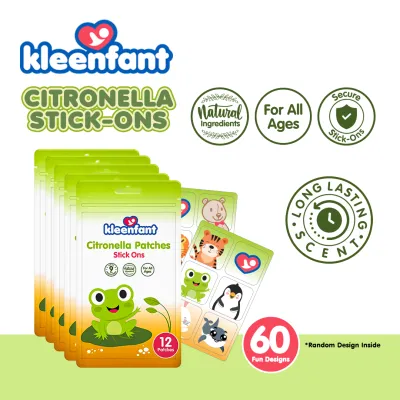
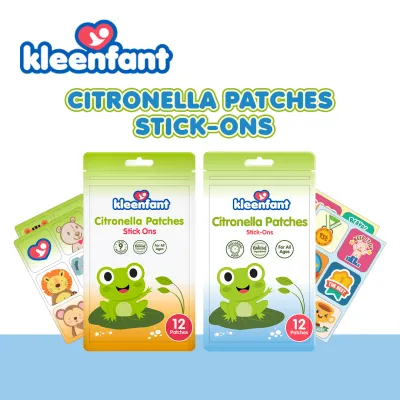
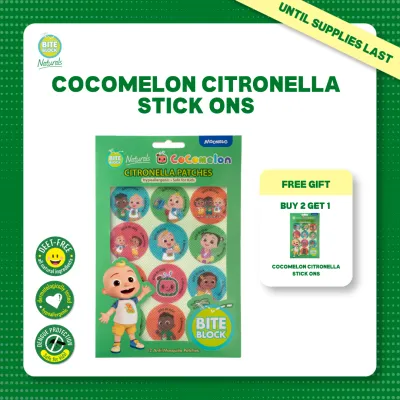
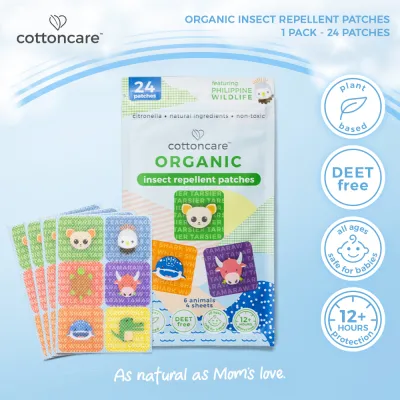
Prices are valid at publication and may change. Please refer to the product page for the latest price.
There is a common misconception among parents that because an ingredient is “natural,” it is automatically safe for infants. In reality, essential oils are highly concentrated chemical compounds extracted from plants. Because of this high concentration, these oils can still trigger allergic reactions, skin irritation, or respiratory discomfort in young children. The volatile organic compounds that allow these oils to evaporate and repel mosquitoes are the very same elements that can irritate a child’s sensitive nasal passages.
While botanical oils dominate the sticker market, some patches may contain synthetic chemical repellents. However, synthetic active ingredients like DEET or Picaridin are rarely formulated into patch or sticker formats. These chemicals are designed to be applied directly to the skin or clothing as sprays or lotions to provide a continuous barrier, making them less suited for the localized, vapor-based mechanism of a sticker.
When shopping for mosquito patches for kids, parents should carefully read the exact ingredient list on the back of the packaging. Do not rely solely on front-label marketing claims like “100% natural,” “herbal,” or “organic.” Checking the specific botanical ingredients and their concentrations helps you identify potential allergens and ensure the product is appropriate for your child’s developmental stage.
Age Restrictions and Safety Guidelines
When using mosquito patches, age is one of the most critical safety factors to consider. Pediatric guidelines and toxicologists generally advise against using any aromatic or chemical repellents on or near newborns and infants under six months of age. During this early stage of development, an infant’s respiratory system is highly sensitive, and their skin barrier is exceptionally thin and permeable. Inhaling strong, concentrated essential oil vapors in close proximity can easily overwhelm their airways, making physical barriers the only recommended defense for this age group.

For older babies and toddlers aged six months to three years, mosquito patches can be introduced as a supplemental form of protection. However, this should only be done if the specific product label explicitly permits use for this age range. As children grow, their respiratory systems become more robust, and their skin becomes less sensitive to environmental aromas, though caution is still required.
Because formulations and oil concentrations vary significantly between brands, there is no universal age limit for all mosquito patches. A patch that is safe for a two-year-old may contain essential oil concentrations that are too strong for a seven-month-old baby. Always check the manufacturer’s packaging for the minimum age requirement and specific usage warnings before applying a patch to your child’s gear or clothing.
Active supervision is mandatory whenever a toddler is wearing a mosquito patch. Toddlers are naturally curious, highly mobile, and explore their environment by touching and tasting objects. If left unsupervised, a child can easily peel the sticker off their clothing, play with it, or place it in their mouth. Caregivers must remain vigilant to ensure the patch remains securely out of the child’s reach throughout its use.
Potential Side Effects and Risks to Watch For
Although mosquito patches do not require direct skin application, they still carry potential side effects that parents must monitor. Skin irritation and contact dermatitis can occur if the patch accidentally comes into direct contact with the child’s skin. This can happen if the patch is applied incorrectly, or if the child peels the sticker off, handles the adhesive side coated with essential oils, and then rubs their face, eyes, or limbs. Symptoms of contact irritation include localized redness, itching, swelling, or a mild rash.
Respiratory irritation is another common risk associated with highly concentrated essential oils. Strong aromas can trigger coughing, sneezing, watery eyes, or general nasal discomfort in sensitive children. For toddlers with a history of asthma, reactive airway disease, or sensitive lungs, inhaling these concentrated botanical vapors can potentially trigger wheezing or an asthma flare-up. If you notice any changes in your child’s breathing patterns, the patch should be removed immediately.
Choking and accidental ingestion represent the most severe physical hazards associated with mosquito patches. Because these patches are small, colorful, and often feature appealing cartoon designs, toddlers may view them as toys or regular stickers. If a child manages to peel off a patch and swallow it, the physical sticker poses an immediate choking risk. Furthermore, ingesting the concentrated essential oils on the patch can cause stomach irritation, chemical burns in the mouth or throat, or systemic toxicity. If you suspect your child has swallowed a patch, do not induce vomiting, as this can cause the oils to enter the lungs; instead, wipe their mouth, offer a few sips of water if they are fully conscious, and seek emergency medical care immediately.
To ensure your child’s safety, you must know when to stop using the product. Remove the patch immediately and wash any contact areas with mild soap and water if you observe any of the following stop-conditions:
- Persistent coughing, wheezing, or difficulty breathing
- Redness, swelling, or hives on the skin near the patch or where the child touched it
- Excessive rubbing of the eyes or nose
- Unusual fussiness, lethargy, or signs of physical discomfort
Best Practices for Using Mosquito Patches Safely
If you decide to use mosquito patches for kids, following strict application and disposal protocols will minimize the associated risks. The most important rule of using mosquito patches is to never apply them directly onto your child’s skin. The adhesives and concentrated essential oils are formulated strictly for fabric and gear application, and direct skin contact can lead to chemical irritation or allergic reactions.
To prevent your child from tampering with the patch, practice strategic positioning. Apply the sticker to areas of clothing that are completely out of the child’s line of sight and reach. The upper back of their shirt, the outer collar, or the back of their waistband are ideal locations. For infants in strollers or high chairs, you can apply the patch to the outer frame, the underside of the tray, or the exterior canopy, ensuring the child cannot touch or grab it.
Environmental ventilation is another crucial factor. Avoid using multiple mosquito patches in small, enclosed, or poorly ventilated spaces, such as inside a closed car, a small unventilated bedroom, or under a heavy stroller cover. In tight spaces, the essential oil vapors can quickly accumulate to high concentrations, increasing the risk of respiratory irritation. Limit patch use to outdoor settings or well-ventilated indoor areas, and use only the minimum number of patches recommended by the manufacturer.
Proper disposal is essential to prevent post-use accidents. Once the patch has served its purpose or its effective duration has expired, peel it off carefully. Fold the sticker in half with the adhesive and active essential oil sides facing inward, locking the remaining residue inside. Immediately discard the folded patch into a secure, covered trash bin that is completely inaccessible to children and household pets.
Effective Alternatives for Infant Mosquito Protection
For parents who prefer to avoid aromatic products entirely, or for infants under six months of age, several highly effective, non-chemical alternatives exist. Physical barriers provide the most reliable defense against mosquito bites without introducing any chemical or respiratory risks. Installing fine-mesh mosquito nets over cribs, playpens, and strollers creates an impenetrable physical shield. Additionally, dressing your child in lightweight, breathable, long-sleeved shirts and long pants protects their skin while keeping them cool in humid weather. Opting for light-colored clothing is also beneficial, as mosquitoes are naturally attracted to dark colors.
Managing the immediate environment is another powerful way to reduce mosquito exposure. Regularly inspect your home and yard to eliminate any standing water, which serves as a breeding ground for mosquitoes. Ensure window and door screens are intact and free of tears. Indoors, physical traps, insect screens, and electric mosquito swatters can help clear living spaces safely without the use of chemical sprays.
Maintaining active air circulation in your child’s sleeping or playing area can also deter pests. Placing a standing or ceiling fan on a low or medium setting physically disrupts mosquito flight. Because mosquitoes are weak fliers, the continuous breeze makes it difficult for them to land on your baby, while also helping to disperse the carbon dioxide emissions that attract them.
For older toddlers who require robust protection during outdoor activities in high-risk areas, topical repellents approved by pediatric associations may be appropriate. Consult your pediatrician to discuss safe, age-appropriate options, such as low-concentration Picaridin formulations, which can be applied directly to exposed skin when physical barriers are not sufficient.
Frequently Asked Questions (FAQ)
Can I put a mosquito patch directly on my baby's skin?
No, you should never apply a mosquito patch directly to your baby’s skin. The adhesives used on these patches, combined with the highly concentrated essential oils, can cause severe skin irritation, contact dermatitis, or localized allergic reactions on delicate infant skin. These products are designed and manufactured to be applied exclusively to clothing, strollers, cribs, and other gear.
Are citronella mosquito patches safe for newborns?
Citronella mosquito patches are generally not recommended for newborns and infants under six months of age. A newborn’s respiratory system and nasal passages are highly sensitive, and the strong, concentrated vapors of citronella oil can cause airway irritation or breathing discomfort. For newborns, physical protection methods such as fine-mesh mosquito nets and long-sleeved clothing are the safest and most effective choices.
What should I do if my toddler swallows a mosquito patch?
If your toddler swallows a mosquito patch, do not induce vomiting, as this can cause the essential oils to enter their lungs and lead to severe respiratory complications. Immediately wipe any remaining residue from the child’s mouth and, if they are fully conscious and able to swallow, offer them a small sip of water. Contact a local poison control center or seek emergency medical care immediately, making sure to bring the original product packaging with you so the healthcare providers can identify the exact ingredients.
Community discussion
Share your experience or ask a question. Comments are reviewed before publication.