
Mosquito patches can be a helpful tool in a parent’s pest-protection toolkit, but their safety for babies depends heavily on the active ingredients, the baby’s age, and how the patches are applied. Because an infant’s skin is highly sensitive and their respiratory system is still developing, these patches should never be applied directly to a baby’s skin. Instead, they must be used on external surfaces like clothing or strollers, and parents must carefully verify the manufacturer’s age recommendations and ingredient lists before use.
In tropical climates like the Philippines, where high humidity and seasonal rains bring a surge in mosquito activity, protecting infants from bites is a constant priority for parents. While mosquito patches offer a convenient, hands-free alternative to traditional sprays, they are not a one-size-fits-all solution for newborns and infants. Understanding the potential risks, proper application methods, and safer physical alternatives is essential for keeping your little one comfortable and safe.
Understanding Mosquito Patch Ingredients and Infant Safety
When shopping for mosquito patches on an online marketplace or at a local pharmacy, the first step is to examine the physical packaging. Manufacturers are required to list age restrictions, warnings, and active ingredients, which serve as your primary guide for safety. Never assume a product is safe for a newborn simply because it is marketed for babies; always look for explicit age thresholds on the label.
Products mentioned in this guide
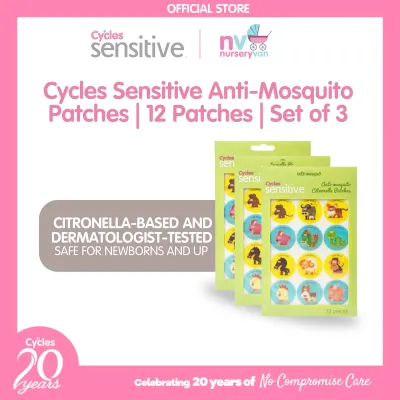
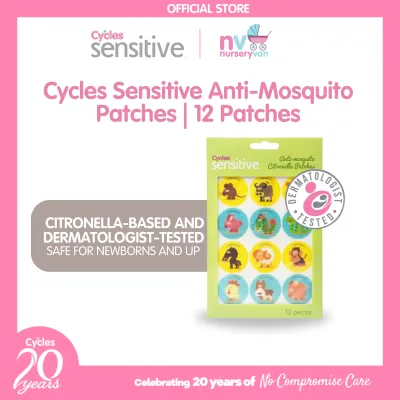
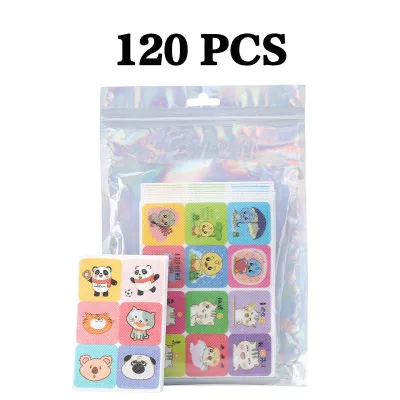
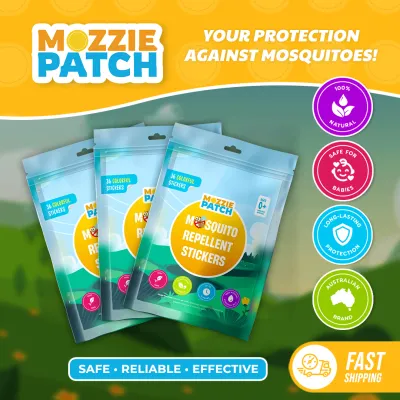
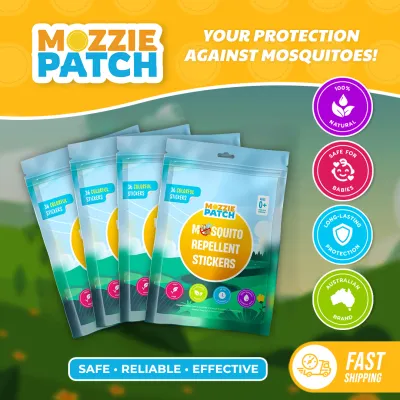
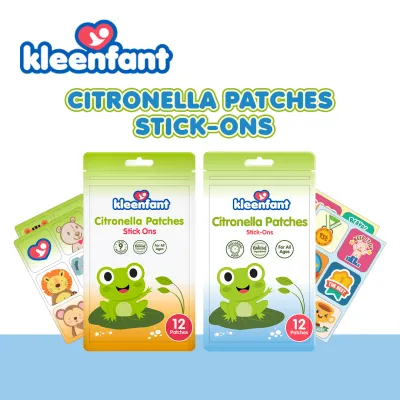
Prices are valid at publication and may change. Please refer to the product page for the latest price.
Mosquito patches generally fall into two categories based on their active ingredients: plant-based essential oils and synthetic chemical repellents. Plant-based patches frequently utilize volatile oils such as citronella, lemongrass, eucalyptus, or peppermint to mask the human scents that attract mosquitoes. Synthetic chemical patches, though less common in sticker form, may contain active ingredients designed to repel insects through chemical action.
Many parents naturally gravitate toward patches labeled “natural” or “organic,” assuming these terms guarantee safety for delicate infant systems. However, plant-derived essential oils are highly concentrated organic compounds that can still pose significant risks to a baby. These volatile oils can cause skin sensitization upon contact or trigger respiratory irritation when inhaled in close proximity.
An infant’s skin barrier is much thinner and more permeable than an adult’s, making them highly susceptible to absorbing topically applied substances. Additionally, their developing lungs and airways can easily become overwhelmed by strong, concentrated scents. Therefore, evaluating the specific ingredients and understanding how they interact with a baby’s developing body is a crucial first step before introducing any patch.
Furthermore, the quality and concentration of essential oils can vary widely between different brands and batches. Without standardized regulations for every cosmetic or herbal patch on the market, it is difficult to verify the exact strength of the formulation. This lack of uniformity makes it even more critical for parents to approach natural claims with a healthy degree of caution and to rely on observable product labels rather than marketing buzzwords.
Potential Risks and Side Effects to Monitor
Using mosquito patches around infants requires constant vigilance, as babies cannot communicate discomfort and are highly sensitive to environmental irritants. Parents must actively monitor their children for any physical signs of adverse reactions. The most common risks associated with these products fall into three categories: skin reactions, respiratory issues, and physical hazards.

Skin reactions can occur even if the patch is not applied directly to the baby’s skin. If a baby accidentally touches a patch and then rubs their eyes or face, the concentrated oils can cause immediate irritation. Contact dermatitis, redness, swelling, or localized rashes can also develop if a patch rubs against bare skin or if the adhesive leaks through thin clothing.
Respiratory concerns are another critical factor to monitor, especially in humid tropical environments where air can become heavy and stagnant. Strong scents from essential oils like citronella or eucalyptus can irritate a baby’s sensitive nasal passages and airways. Parents should watch closely for signs of respiratory distress, such as sudden coughing, sneezing, watery eyes, or changes in breathing patterns when a patch is nearby.
Physical hazards present a severe but often overlooked risk for older infants who are developing their motor skills. Babies naturally explore their world by putting objects in their mouths, and a colorful, sticker-like mosquito patch can easily catch their attention. If a baby manages to peel off a patch, they may swallow it, leading to a high risk of choking or chemical ingestion from the concentrated active ingredients.
Additionally, the adhesive backing of the patch itself can pose a minor skin hazard. If a patch is accidentally stuck to a baby’s skin or hair, removing it can cause pain, irritation, or even tear the delicate outer layer of the skin. Monitoring your baby’s physical environment and behavior while a patch is in use is the best way to prevent these preventable accidents.
Safe Application and Precautionary Measures
If you decide to use mosquito patches to protect your baby, adhering to strict application guidelines can significantly reduce the risk of adverse reactions. The primary rule of thumb is to treat these patches as environmental tools rather than topical treatments. By keeping the active ingredients away from direct contact with your baby’s body, you can minimize both skin and respiratory exposure.
Always apply mosquito patches to surfaces that are completely out of your baby’s reach and sight. Safe placement options include the outer fabric of a stroller canopy, the underside of a high chair, or the exterior frame of a crib, well away from where the baby can grab or touch. If applying to clothing, place the patch on the upper back of the garment where the baby cannot see, reach, or easily peel it off.
Ventilation and physical distance are equally important when using scented patches. Avoid using patches in enclosed, poorly ventilated spaces such as small bedrooms with closed windows, tightly covered strollers, or air-conditioned cars. Ensure there is adequate airflow to disperse the concentrated vapors, and keep the patch at a safe distance from your baby’s face, nose, and immediate breathing zone.
Knowing when to stop using a product is vital for your baby’s safety. If you observe any signs of skin redness, localized rashes, coughing, or unusual fussiness, immediately remove the patch and dispose of it safely out of reach. Wash any suspected areas of skin contact with mild baby soap and cool water, and do not attempt to use the product again.
Before introducing any new insect repellent product to your baby’s environment, it is highly recommended to consult a qualified pediatrician. This is especially critical for newborns and infants under two months of age, whose systems are exceptionally vulnerable. A pediatrician can provide personalized guidance based on your baby’s health history and the specific pest risks in your local area.
Safer Alternatives for Infant Mosquito Protection
For parents seeking a highly reliable defense against mosquitoes, physical barriers and environmental controls should always be the primary line of defense. These methods carry zero risk of chemical exposure, skin irritation, or respiratory distress, making them ideal for newborns and young infants. Relying on physical protection allows you to safeguard your baby without relying on volatile active ingredients.
A properly fitted mosquito net is one of the most effective and reliable tools for infant protection. Ensure your baby’s crib, stroller, and playpen are covered with a fine-mesh net that is securely fastened so mosquitoes cannot slip underneath. Regularly inspect the netting for any small tears or gaps that could compromise its effectiveness, and keep the mesh clean and free of dust.
Environmental control within and around your home plays a major role in reducing mosquito exposure. Dress your baby in lightweight, light-colored clothing that covers their arms and legs, as mosquitoes are often attracted to dark colors and can easily bite through tight fabrics. Additionally, eliminate any standing water in flower pots, buckets, or drains around your living space to disrupt the mosquito breeding cycle.
If physical barriers and environmental controls are not sufficient for your situation—such as during outdoor activities in high-risk areas—always seek professional medical guidance. A pediatrician can recommend approved, age-appropriate topical repellents that have been thoroughly evaluated for safety on infant skin. They can also guide you on the correct application methods to ensure maximum protection with minimal risk.
Frequently Asked Questions (FAQ)
Can I apply a mosquito patch directly to my newborn's skin?
No, you should never apply a mosquito patch directly to a newborn’s skin. A newborn’s skin is incredibly thin, delicate, and highly permeable, which significantly increases the risk of contact dermatitis, severe allergic reactions, and systemic absorption of the patch’s active ingredients. If you choose to use a patch, always apply it to external gear like a stroller frame or clothing, ensuring it is placed completely out of the baby’s reach, and strictly follow the manufacturer’s age limits.
Are plant-based citronella patches safe for infants under six months?
While citronella is a common plant-derived ingredient, it is not automatically safe for infants under six months of age. Concentrated essential oils can release strong vapors that may irritate an infant’s developing respiratory tract, leading to coughing or breathing discomfort. Additionally, direct or indirect contact with these oils can cause skin sensitization. Always check the product packaging for specific age restrictions and consult your pediatrician before introducing citronella patches to a young baby’s environment.
What steps should I take if my baby develops a rash from a patch?
If your baby develops a rash or skin irritation, immediately remove the mosquito patch and discard it safely where the baby cannot access it. Gently wash the affected skin area with mild baby soap and cool water to remove any remaining oils or adhesive residue. Monitor the area closely for changes; if the rash worsens, spreads, blisters, or is accompanied by fussiness or breathing difficulties, seek immediate pediatric care.
Community discussion
Share your experience or ask a question. Comments are reviewed before publication.