
During the rainy months in the Philippines, when the threat of dengue rises significantly, protecting infants from mosquito bites becomes a top priority for every parent. Mosquito killer stickers—often adorned with colorful cartoon designs and marketed as natural, plant-based alternatives—have become highly popular on local online marketplaces. However, their safety is not absolute; it depends entirely on the baby’s age, the specific active ingredients used, and how the product is applied.
While these patches offer a convenient, barrier-free way to repel insects, they are not completely risk-free and should never replace primary physical defenses. Caregivers must understand both the skin and respiratory risks associated with these aromatic patches before introducing them to a baby’s environment. This guide evaluates these risks to help you make an informed decision for your family.
The Safety Verdict: Are Mosquito Stickers Safe for Babies?
Mosquito killer stickers can be a safe and practical addition to your insect-defense toolkit, but they are not universally safe for all infants. Their primary safety benefit is that they are designed to be applied to clothing or nearby objects rather than directly onto the baby’s delicate skin. This design helps parents avoid the potential chemical absorption associated with topical repellents, making them an appealing option for daily use.
Products mentioned in this guide
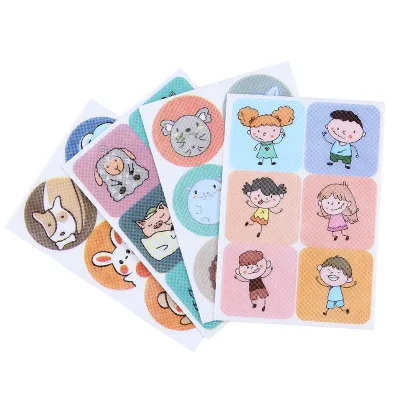
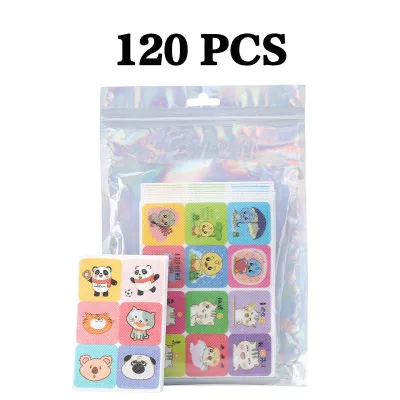
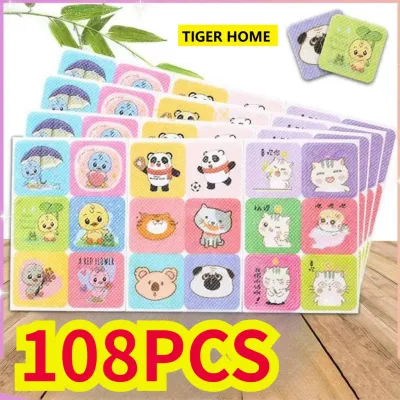
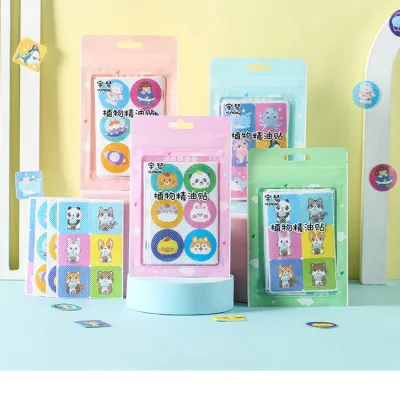
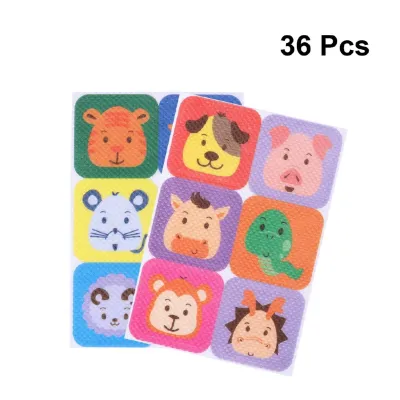
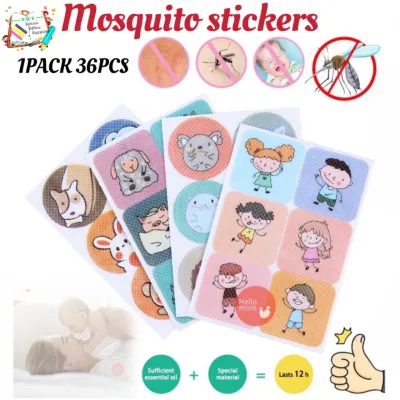
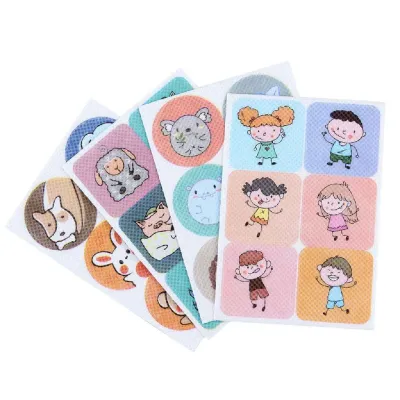
Prices are valid at publication and may change. Please refer to the product page for the latest price.
Despite their convenience, these patches are not suitable for newborns or very young infants. A newborn’s skin and respiratory systems are exceptionally fragile, meaning even natural plant vapors can cause adverse reactions. Furthermore, the tropical climate of the Philippines, characterized by high heat and humidity, can cause babies to sweat, potentially loosening the sticker’s adhesive and causing the active oils to run or come into contact with the skin.
To ensure safety, caregivers must look beyond marketing claims of “100% safe” or “organic” and verify the actual active ingredients and age recommendations on the packaging. These stickers should always be viewed as a secondary, supportive measure. They work best when combined with primary physical barriers, such as high-quality window screens and fine-mesh bed nets, rather than acting as a standalone defense against dengue-carrying mosquitoes.
Essential Oil Ingredients and Skin Irritation Risks
Most commercial mosquito stickers rely on plant-based essential oils to repel insects. The most common active ingredients include citronella oil, eucalyptus oil, lavender oil, lemongrass oil, and peppermint oil. While these ingredients are naturally derived, they are highly concentrated within the sticker patch to ensure they remain effective over several hours of exposure to the air.

An infant’s skin is structurally different from adult skin; it is approximately 30% thinner, has a less developed stratum corneum, and is highly permeable. This means that if a concentrated essential oil makes contact with a baby’s skin, it is absorbed much faster and can easily cause localized irritation. The risk of contact dermatitis, characterized by redness, swelling, micro-tears, or itchy hives, is elevated if a patch is mistakenly applied directly to the skin.
Furthermore, babies frequently explore their surroundings by touching and peeling objects. If a baby manages to peel off a sticker, they may press the adhesive side—saturated with concentrated oils—directly against their skin or rub their eyes with contaminated fingers. Caregivers must carefully read product labels to identify age restrictions, synthetic additives, or undisclosed artificial fragrances that may further increase the risk of skin irritation.
Respiratory Concerns: Can Mosquito Patches Affect Breathing?
Essential oils repel insects through volatility, meaning they release a continuous stream of strong, aromatic vapors into the surrounding air to mask the human odors that attract mosquitoes. While this scent barrier is effective at throwing off pests, the concentrated volatile organic compounds can easily overwhelm a baby’s highly sensitive and developing respiratory tract.
For infants with reactive airways, sensitive lungs, or a family history of asthma, inhaling these strong aromatic vapors can trigger coughing fits, sneezing, nasal congestion, or mild breathing discomfort. The intensity of the scent is a crucial factor; what smells like a pleasant herbal aroma to an adult can feel incredibly intense and suffocating to a small baby whose lungs are still maturing.
Placing a mosquito sticker too close to a baby’s face, such as on their collar, chest, or pillow, is a common mistake that increases respiratory risks. This placement forces the infant to breathe in highly concentrated vapors for extended periods. Additionally, in many Philippine homes, bedrooms are closed and air-conditioned during warm, humid nights; without adequate room ventilation, these aromatic compounds can accumulate in the air, increasing the likelihood of respiratory irritation.
Safe Usage Guidelines for Dengue Season
To maximize protection against dengue while minimizing physical and chemical risks, caregivers must follow strict application and usage protocols. Implementing these safety measures ensures that the stickers provide defense without causing accidental harm.
Correct Placement and Application
- Apply stickers strictly to outer clothing, strollers, crib frames, or playpens.
- Never apply a mosquito sticker directly to a baby's skin.
- Place the sticker on the upper back of the baby's shirt to keep it completely out of their sight and reach.
- Ensure the sticker is pressed down firmly so the edges do not curl up, which makes it easier for a baby to peel off.
Choking and Ingestion Hazards
- Regularly check that the sticker is still securely attached to the clothing or stroller.
- Be aware that a loose sticker is a major choking hazard if a baby puts it in their mouth.
- Swallowing a patch poses a serious poisoning risk due to the concentrated essential oils inside.
- Dispose of used stickers immediately in a secure trash bin that your child cannot access.
Age Limits and Supervision
- Always check the manufacturer's packaging for specific age warnings and suitability guidelines.
- Avoid using aromatic stickers around newborns and infants under six months of age unless cleared by a pediatrician.
- Maintain active supervision whenever your baby is wearing a sticker, especially during play or outdoor outings.
- Combine stickers with physical barriers, such as dressing your baby in light-colored, long-sleeved clothing and using a fine-mesh mosquito net (kulambo) over their sleeping area.
Warning Signs and When to Stop Use
Even when you follow all safety guidelines, adverse reactions can still occur. Caregivers must remain vigilant and monitor their infants closely for any physical or behavioral changes after applying a new mosquito sticker.
Observable signs of skin irritation include localized redness, raised hives, swelling, or a dry, flaky rash where the sticker was placed or where the clothing rubbed against the skin. Respiratory warning signs include persistent coughing, wheezing, rapid or shallow breathing, flaring nostrils, or chest retractions. Behavioral indicators, such as unusual fussiness, constant eye-rubbing, or inconsolable crying, can also signal that the strong scent is causing physical discomfort.
If you notice any of these warning signs, take immediate action:
- Peel off the mosquito sticker and discard it safely.
- Move your baby to a well-ventilated area with plenty of fresh air.
- If skin contact occurred, gently wash the affected area with mild baby soap and lukewarm water to remove residual oils.
- Do not apply harsh creams, rubbing alcohol, or home remedies to irritated skin.
Seek professional medical help immediately if your baby experiences difficulty breathing, swelling of the face or throat, or a severe, spreading rash. Please note that this guide provides general safety information and does not replace professional pediatric advice. Always consult your pediatrician if you have specific concerns about your baby’s health and insect protection.
Frequently Asked Questions (FAQ)
Can I use mosquito killer stickers on a newborn?
No, it is generally not recommended to use mosquito killer stickers on a newborn. A newborn’s skin is incredibly thin and permeable, and their respiratory system is highly sensitive to strong fragrances and volatile organic compounds. Exposing a newborn to concentrated essential oils can trigger breathing distress or skin allergies. For infants under six months of age, it is safest to rely exclusively on physical barriers, such as fine-mesh stroller nets, crib nets, and full-coverage clothing, to protect them from mosquito bites.
Do plant-based mosquito patches guarantee protection against dengue?
No plant-based mosquito patch can guarantee absolute protection against dengue. While essential oils like citronella can repel mosquitoes, their spatial efficacy is highly localized, meaning they only protect the area immediately surrounding the patch. Furthermore, essential oils evaporate rapidly, especially in the hot and humid tropical climate of the Philippines, causing their effectiveness to decline quickly over a few hours. To protect your baby from dengue, these stickers must be used as a secondary layer of defense alongside physical barriers and regular home maintenance to eliminate standing water where mosquitoes breed.
Community discussion
Share your experience or ask a question. Comments are reviewed before publication.