
Finding the right diaper for your baby in the Philippines involves balancing absorbency, fit, and breathability against the daily realities of tropical heat and high humidity. While Moosegear, Pampers, and Huggies are popular household names, no single brand is universally superior for every infant. The best choice depends on how a diaper’s specific cut, waistband elasticity, and core design align with your baby’s current weight, body shape, and skin sensitivity.
Rather than relying on general brand popularity, parents can make an informed decision by examining product labels, understanding structural differences, and conducting small-scale home trials. This guide breaks down the key design profiles of Moosegear, Pampers, and Huggies to help you identify the features that will keep your baby dry, comfortable, and free from irritation.
How to Evaluate Diaper Performance for Your Baby
Evaluating diaper performance starts with understanding how different materials and designs interact with your baby’s body. In a tropical climate, moisture management is critical. You want to look for diapers that feature a highly absorbent core designed to lock wetness away from the skin quickly, reducing the risk of diaper rash and discomfort during humid days.
Products mentioned in this guide
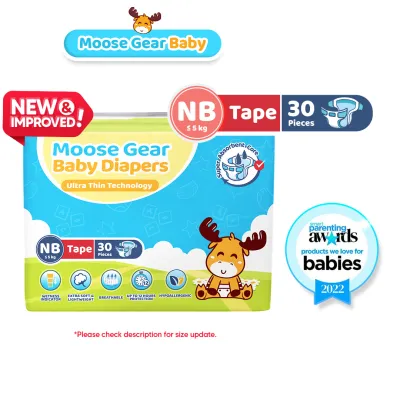
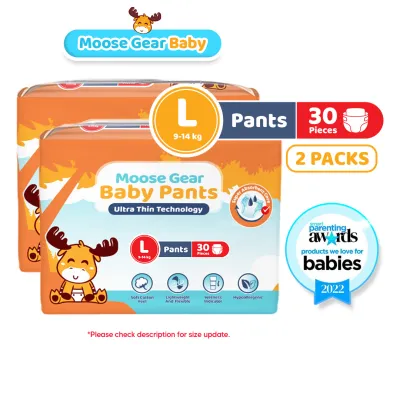
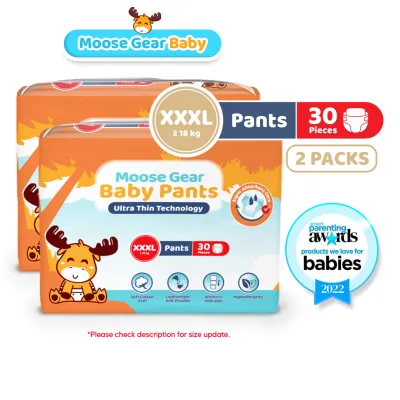
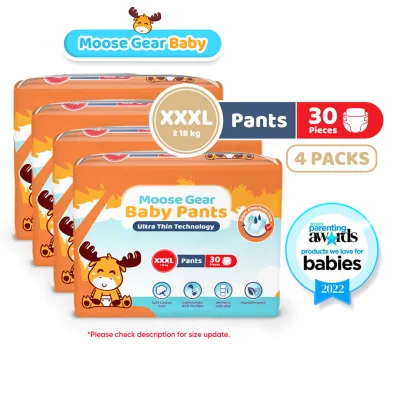
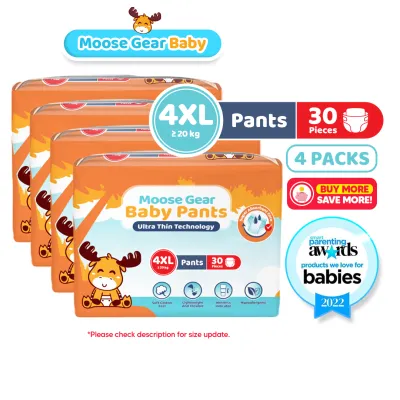
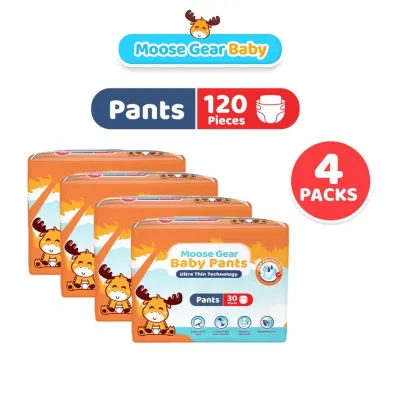
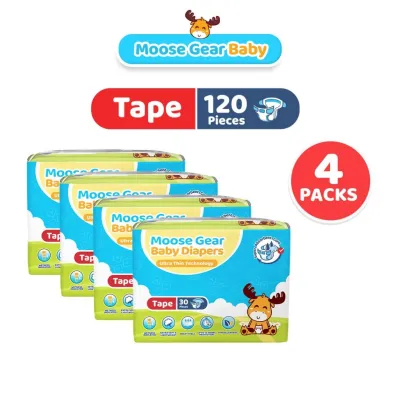
Prices are valid at publication and may change. Please refer to the product page for the latest price.
Fit and leak protection are equally vital, especially as babies become more active. Examine the leg cuffs and waistband of any diaper you consider. Double-layered leg barriers and highly elastic waistbands help contain messes during movement, but they must fit snugly without digging into your baby’s delicate skin.
Breathability is another essential factor to monitor. Look for packaging labels that specify breathable outer covers or micro-pore technology that allows heat and moisture to escape. Regularly check your baby’s skin during diaper changes; persistent redness, dampness, or localized chafing indicates that the current diaper design or size may not be providing adequate ventilation or fit.
Moosegear Baby Diapers: Features and Fit Profile
Moosegear baby diapers are designed with a focus on modern, thin-core technology. The manufacturer emphasizes an ultra-thin absorbent core that aims to provide high capacity without the bulkiness often associated with traditional pulp-filled diapers. This lightweight profile is particularly relevant for parents seeking a diaper that allows for easy movement and minimal bulk under lightweight clothing.

The structural cut of Moosegear diapers typically features a streamlined shape designed to sit comfortably on babies with average to slender builds. The thin core design is intended to distribute liquid evenly across the pad, preventing sagging when wet. This makes it a design to consider for active babies who are starting to crawl or walk, as a less bulky diaper can facilitate freer leg movement.
When purchasing Moosegear baby diapers, it is important to carefully verify the size chart on the packaging. Because diaper cuts vary widely between brands, a baby’s weight may fall into different size categories depending on the manufacturer’s specifications. Look for the wetness indicator on the outer cover, which changes color to signal when a change is needed, helping caregivers maintain a dry environment for the baby.
Pampers Diapers: Features and Fit Profile
Pampers diapers are widely recognized for their focus on dryness and skin protection, often featuring specialized topsheets designed to draw liquid rapidly into the core. Many of their product lines incorporate a dry-weave or textured inner layer that acts as a barrier between wetness and the baby’s skin. This design focus is aimed at keeping the skin surface dry even during extended wear, such as overnight sleep stretches.
The fit profile of Pampers typically features highly stretchable side tapes or a flexible waistband that conforms closely to the baby’s natural shape. This elasticity is designed to accommodate babies with varying body types, including those with rounder bellies or fuller thighs. The soft, cloth-like materials used in their construction are selected to minimize friction against sensitive skin areas.
Before selecting a Pampers product, caregivers should check the specific series labels, as features can differ between their standard and premium lines. Review the weight ranges indicated on the packaging and pay close attention to the recommended application instructions. Checking the wetness indicator and verifying the integrity of the adhesive tapes during use will help ensure a secure and reliable fit.
Huggies Diapers: Features and Fit Profile
Huggies diapers are engineered with a strong emphasis on structural containment and robust leak protection. A signature feature found on many of their diaper lines is the pocketed waistband or specialized leak-lock barrier designed to catch runny messes at the back. This structural addition is particularly useful for younger infants who spend a significant amount of time lying down, helping to prevent back blowouts.
The fit profile of Huggies is characterized by a sturdy, contoured shape and highly elastic waistbands that provide a secure, snug fit around the lower back and hips. This design offers excellent support for highly active babies who roll, climb, or run, as the diaper is structured to stay in place during vigorous movement. The leg cuffs are typically designed with double barriers to provide an extra layer of defense against side leaks.
When evaluating Huggies diapers, check the packaging for specific features like the wetness indicator and the stretchiness of the fastening tabs. Ensure you cross-reference your baby’s current weight with the Huggies size chart, as their structured, snug-fitting design may require sizing up sooner if your baby has a sturdier or rounder build.
Side-by-Side Comparison: What to Check on the Label
To make an objective decision, parents should compare the physical specifications of each brand rather than relying on general marketing claims. The table below outlines the key structural features to verify on the product packaging of Moosegear, Pampers, and Huggies diapers.
| Feature to Verify | Moosegear Baby Diapers | Pampers Diapers | Huggies Diapers |
|---|---|---|---|
| Absorbent Core Type | Thin, lightweight core designed for low bulk | Dry-weave topsheet with rapid-absorption channels | Multi-layer core with high-capacity retention |
| Waistband Design | Elastic waistband with flexible side panels | Highly stretchable side tapes and flexible waist | Pocketed back waistband to prevent blowouts |
| Leak Guard Structure | Double-layered leg cuffs for standard movement | Soft, flexible leg barriers for comfort | Reinforced double-barrier leg cuffs for active play |
| Wetness Indicator | Available on most sizes; changes color when wet | Standard feature across most product lines | Standard feature across most product lines |
Because every baby’s body shape is unique, the most reliable way to test a diaper’s performance is to conduct a safe, small-scale trial. Instead of purchasing large economy boxes initially, buy small sample packs or travel counts of each brand in your baby’s current size category. Observe how each diaper fits during a trial period of two to three days, paying close attention to any signs of leakage, sagging, or skin irritation.
During your trial, watch for clear indicators that a diaper is not performing well or that you need to adjust the size. If you notice deep red marks around your baby’s thighs or waist, the diaper is too tight, and you should size up. Frequent side leaks or back blowouts during normal activity suggest that the diaper’s structural cut does not align with your baby’s body shape, or that the absorbent capacity is insufficient for their current output.
Making the Final Choice for Your Baby
Selecting the right diaper brand is ultimately a personalized decision based on your baby’s physical development, skin sensitivity, and daily routine. If your baby is highly active, wears lightweight clothing, and benefits from a streamlined, low-bulk fit that allows for maximum mobility, Moosegear baby diapers may be the most suitable option to explore.
If your primary concern is maintaining surface dryness to protect sensitive skin during long sleep stretches, and your baby has a body shape that fits well with highly flexible side tapes, Pampers diapers are a strong candidate. Their focus on rapid-absorption topsheets makes them well-suited for babies prone to wetness-induced skin irritation.
If your baby is prone to back blowouts, has a rounder or sturdier build, or requires a highly structured diaper with robust leg barriers for active play, Huggies diapers offer the physical containment features necessary to prevent leaks. Their pocketed waistbands provide excellent peace of mind for parents of active infants.
Always prioritize your baby’s comfort by verifying size charts regularly, as weight distribution can change rapidly during growth spurts. If your baby has highly sensitive skin, consult a pediatrician for guidance on managing diaper rash, and always stop using any brand immediately if persistent redness or allergic reactions occur.
Frequently Asked Questions (FAQ)
How do I know if a diaper is the right size for my baby?
You can determine if a diaper fits correctly by performing a few simple physical checks during and after use. First, look for red marks or indentations on your baby’s thighs, hips, or waist after removing the diaper; these are clear signs that the diaper is too tight and you need to transition to a larger size. Second, observe the position of the fastening tapes; they should fasten symmetrically on the designated landing zone without requiring you to pull them excessively tight. Finally, if you experience frequent leaks or blowouts despite proper application, or if the diaper fails to cover your baby’s backside completely, it is time to consult the manufacturer’s size chart and transition to the next weight range.
Can I mix different diaper brands for day and night use?
Yes, mixing different diaper brands or product lines for daytime and nighttime use is a highly practical strategy used by many parents. During active daytime hours, you might prefer a thinner, more flexible diaper like Moosegear to allow your baby to move, crawl, and play without restriction. For overnight use, switching to a diaper with a higher absorbent capacity or specialized dry-weave topsheets, such as Pampers or Huggies, can help keep your baby dry and comfortable through long sleep stretches. If you choose to mix brands, monitor your baby’s skin closely to ensure they do not experience adverse reactions to the different materials and adhesives used by each manufacturer.

Community discussion
Share your experience or ask a question. Comments are reviewed before publication.