
Selecting the right diaper for your baby is a highly individualized decision that directly impacts their daily comfort, skin health, and your family’s budget. In a tropical climate like the Philippines, where high humidity and heat are constant factors, finding a diaper that performs reliably is essential. Because every baby has a unique body shape, activity level, and skin sensitivity, there is no single diaper brand that serves as a universal winner for everyone.
To find the best option, parents must look beyond marketing claims and systematically compare brands based on observable features. This guide provides a practical framework to compare Moosegear—a popular modern alternative—against established household names like Pampers, Equator, and Huggies. By focusing on hands-on testing, fit evaluation, and cost-per-piece calculations, you can confidently choose the diaper that best supports your baby’s needs.
How to Compare Absorbency and Leak Protection
Evaluating how well a diaper absorbs liquid and prevents leaks is the first step in finding the right brand. When comparing Moosegear, Pampers, Equator, and Huggies, start by examining the product packaging. Look for details regarding the absorbent core materials, such as superabsorbent polymers, and check for specific manufacturer claims about overnight protection or multi-layer distribution systems. These specifications give you an initial indication of how much volume the diaper is designed to handle.
Products mentioned in this guide
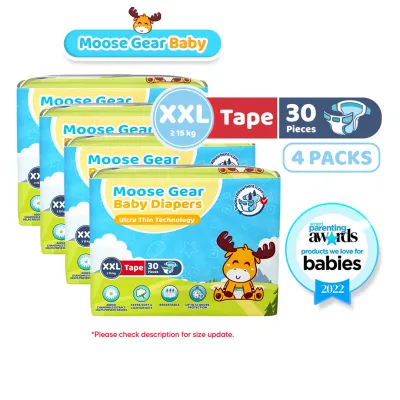
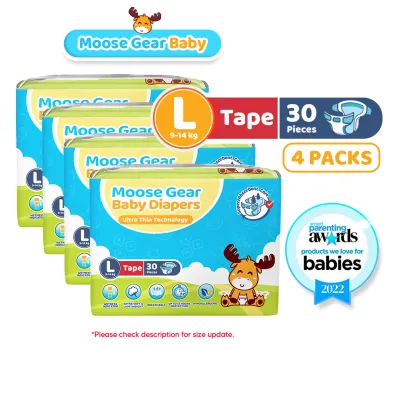
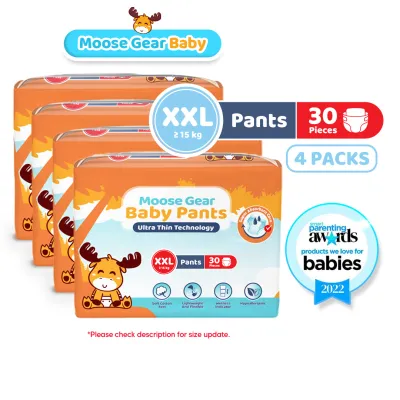
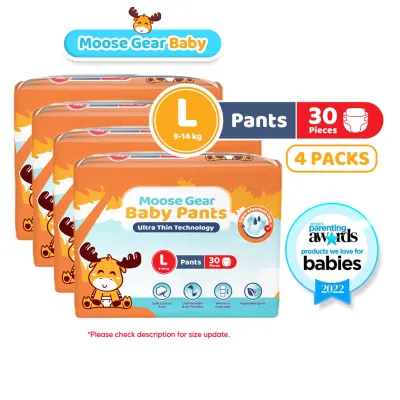
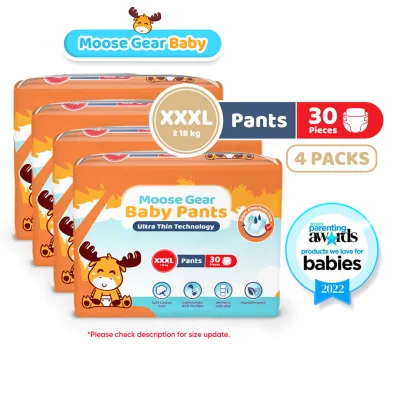
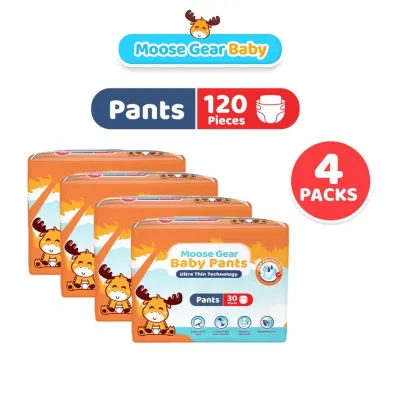
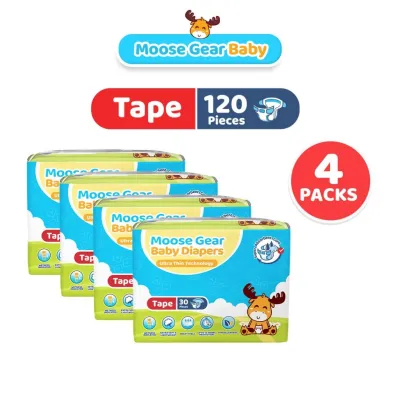
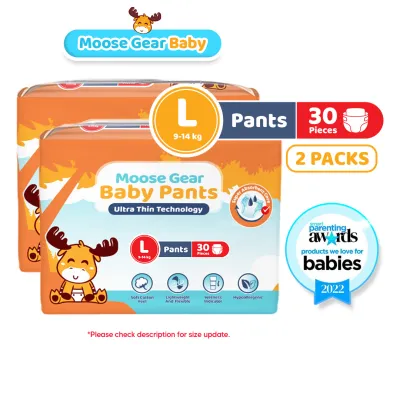
Prices are valid at publication and may change. Please refer to the product page for the latest price.
To assess real-world performance, you can perform a simple observation at home. After your baby has worn the diaper during a heavy wetting period, such as after a long nap, gently press a dry paper towel against the inner top-sheet. A high-performing diaper should lock moisture deep within its core, leaving the surface dry to the touch. Additionally, observe the diaper’s weight and shape when full; a well-designed core distributes liquid evenly rather than sagging heavily in a single spot, which can cause discomfort and restrict movement.
Leak protection also depends heavily on the diaper’s physical barriers. Inspect the leg cuffs and waistbands of each brand. High-quality diapers feature double-layered elastic leg gathers that stand upright to create a secure seal around the thighs. During active daytime play or extended overnight sleep, monitor whether liquid escapes through these barriers. In warm, humid environments, a diaper that fails to lock in moisture quickly can cause sweat and urine to mix, increasing the likelihood of skin irritation.
Evaluating Fit, Comfort, and Skin Sensitivity
A diaper’s cut and material composition must align with your baby’s physical build to prevent discomfort and skin issues. When testing different brands, pay close attention to the elasticity of the waistband and the flexibility of the side panels. The diaper should stretch easily to accommodate your baby’s belly as it expands after feeding, while still maintaining a secure fit that prevents the diaper from slipping down during movement.

After removing a diaper, carefully inspect your baby’s skin, particularly around the thighs, hips, and waist. Look for deep red indentations, friction marks, or localized redness. In the tropical heat of the Philippines, tight or stiff elastics can trap sweat against the skin, leading to rapid chafing and heat rash. If you notice persistent marks, it may indicate that the diaper’s cut is too narrow for your baby’s build, or that it is time to transition to a larger size.
Skin sensitivity is another critical factor that varies from baby to baby. Before introducing Moosegear, Pampers, Equator, or Huggies, verify the product labels for specific safety claims, such as hypoallergenic materials, fragrance-free formulations, or dermatological testing. Because babies have delicate skin barriers, even minor differences in materials can trigger a reaction. If your baby has highly sensitive skin, introducing only one new pack at a time allows you to isolate and identify which materials work best without causing widespread irritation.
Calculating Price and Value per Diaper
Managing household expenses requires a clear understanding of the true cost of diapering. Rather than comparing the total price of a diaper pack, calculate the exact price per piece. You can do this by dividing the total cost of the pack by the number of diapers inside. For example, a pack costing ₱600 containing 50 diapers results in a unit cost of ₱12.00 per piece. Gather these unit prices from official brand stores or authorized e-commerce retailers to ensure accurate, up-to-date comparisons.
To optimize your budget, look for long-term savings opportunities such as bulk purchase discounts, subscription services, and promotional bundles. Many brands offer significant price reductions when you purchase multi-packs or participate in online shopping events. Keep a record of these promotional prices, as they can substantially lower your monthly diapering expenses without requiring you to compromise on quality.
However, the cheapest diaper is not always the most cost-effective choice. If a lower-priced diaper has poor absorbency, you may find yourself changing your baby more frequently or dealing with regular leaks that require extra laundry and clothing changes. Conversely, a slightly more expensive diaper that keeps your baby dry for longer periods may reduce the total number of diapers used each day. Weigh the upfront unit cost against the daily usage rate and the overall health of your baby’s skin to determine the best overall value.
Decision Framework: Choosing the Right Brand to Try
Selecting which diaper brand to purchase next depends on your specific household priorities, budget, and your baby’s physical response to the materials. If you are interested in testing a newer, budget-friendly market alternative and want to personally verify its material softness and fit claims, Moosegear is an excellent option to try. Starting with a smaller pack allows you to evaluate its performance during both daytime play and nighttime sleep before committing to a bulk purchase.
If you prefer the reassurance of established product lines with highly standardized sizing, extensive retail availability, and familiar features like wetness indicators, brands like Pampers, Equator, or Huggies are reliable choices. These legacy brands are widely stocked in local supermarkets and department stores across the Philippines, making it easy to purchase replacements quickly. Their diverse product ranges also make it simpler to find specialized options, such as active-fit pants or extra-absorbent overnight diapers, as your baby grows.
Keep in mind that no diaper brand is guaranteed to work for every child. If your baby experiences persistent friction marks, severe diaper rash, or frequent leaks across multiple sizes and brands, the issue may not be the brand itself but rather a mismatch in fit or an underlying skin sensitivity. Always verify if your baby has specific skin conditions or medical needs by consulting a pediatrician before switching to a new brand, especially if you are dealing with ongoing skin irritation.
Frequently Asked Questions (FAQ)
How often should I change my baby's diaper to prevent rash?
You should check your baby’s diaper every two to three hours, and change it immediately after any bowel movement. In warm, humid tropical climates, leaving a wet diaper in contact with delicate skin can quickly lead to irritation and diaper rash. Always refer to the product packaging for specific usage guidelines, and consult a pediatrician for personalized advice on skin care routines and suitable barrier creams.
Can I mix different diaper brands for day and night use?
Yes, mixing different diaper brands is a practical and cost-effective strategy used by many parents. You might choose a highly absorbent, premium diaper from brands like Pampers or Huggies for overnight sleep to ensure your baby stays dry and comfortable throughout the night. During the day, when changes are more frequent, you can switch to a lighter, more economical option like Moosegear or Equator. When introducing any new brand into your baby’s routine, monitor their skin closely for any signs of sensitivity or redness.
Community discussion
Share your experience or ask a question. Comments are reviewed before publication.