
Preparing a hospital bag for delivery requires a careful balance between practical utility and limited packing space. In the Philippines, where high tropical humidity and warm temperatures can make postpartum recovery physically demanding, choosing the right personal care items is essential. Recently, Moose Gear wipes have gained significant attention among local parents, frequently appearing on hospital bag checklists and parenting forums.
While social media recommendations often present these wipes as an essential item, it is important to evaluate whether they truly offer a practical advantage for your specific labor and delivery experience. Understanding the physical design, ingredient profile, and real-world utility of these wipes will help you make an informed decision for both your comfort and your newborn’s delicate skin.
Why Moose Gear Wipes Are Trending Among Filipino Moms
The growing popularity of Moose Gear wipes among mothers in the Philippines is largely driven by their physical specifications and the convenience of bulk purchasing. These wipes are characterized by their larger sheet dimensions and thicker, textured material compared to standard, thin baby wipes. In local parenting communities and online marketplaces, they are often highlighted as a heavy-duty cleaning solution that can handle substantial messes with fewer sheets.
Products mentioned in this guide
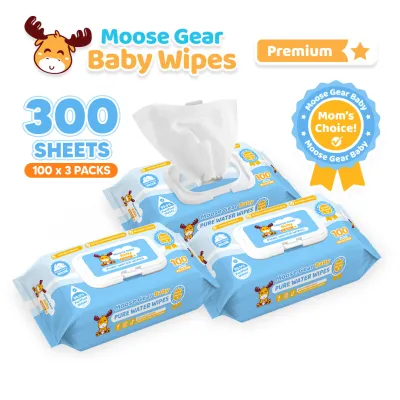
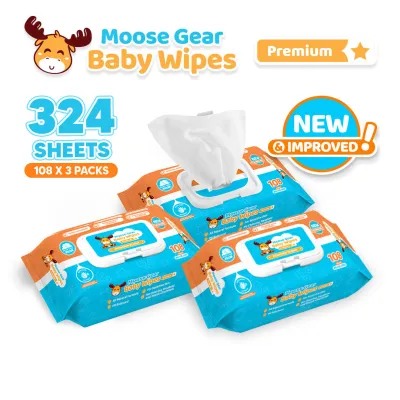
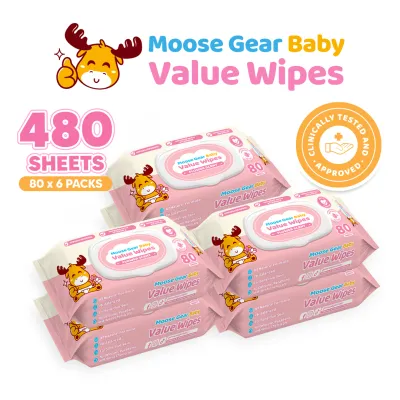
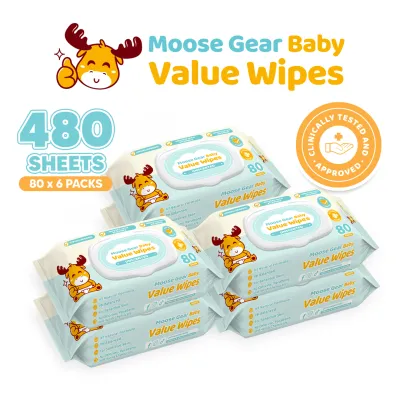

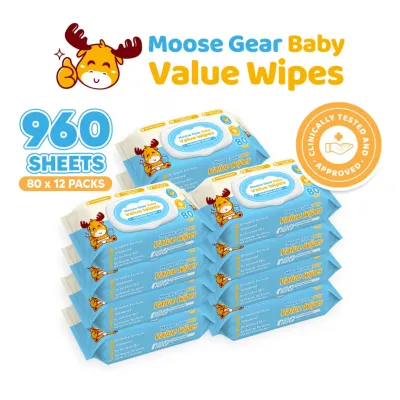
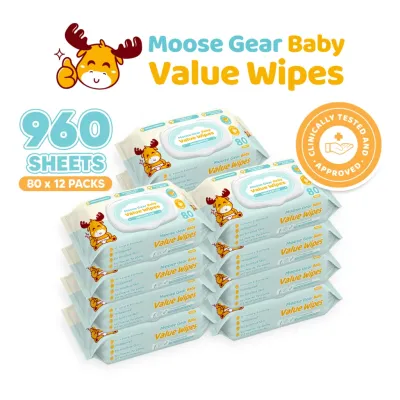
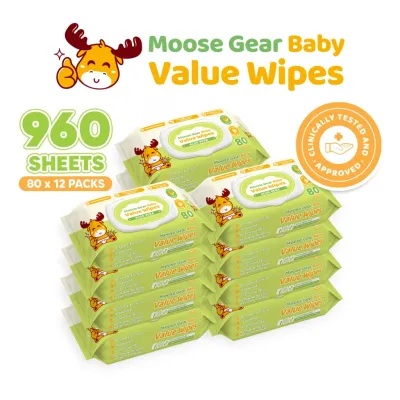
Prices are valid at publication and may change. Please refer to the product page for the latest price.
For many Filipino families, the appeal of these wipes lies in their availability on local e-commerce platforms and baby boutiques, where they are frequently sold in multi-packs or bulk cartons. This bulk availability makes them an attractive option for budget-conscious parents preparing for the postpartum period. The brand’s marketing often emphasizes multi-purpose utility, positioning the wipes as suitable for everything from diaper changes to general household cleanups.
However, it is essential to distinguish between promotional claims and the actual physical attributes of the product. While marketing narratives may describe them as an ideal hygiene solution, their true value in a hospital setting depends on observable characteristics: sheet thickness, tensile strength, moisture retention, and formulation. Evaluating these features objectively allows you to determine if they are a practical addition to your hospital bag or if standard alternatives would serve you better.
Evaluating Real-World Utility for Postpartum and Newborn Care
A typical hospital stay for childbirth involves two distinct care recipients with very different physical needs: the recovering mother and the newborn baby. Analyzing how a single hygiene product performs for both postpartum maternal recovery and early infant care reveals whether a multi-purpose wipe is truly practical or if specialized products are safer.

Maternal Postpartum Comfort and Hygiene
The immediate postpartum period brings significant physical discomfort, including heavy bleeding (lochia), intense sweating exacerbated by the tropical climate, and soreness from perineal tears or surgical incisions. During the first few days following delivery, taking a full shower may be physically challenging or temporarily restricted by your medical team. Under these conditions, maintaining personal hygiene is crucial for both comfort and infection prevention.
Using large, thick wipes can provide immediate relief for wiping away sweat from the neck and body, or gently cleaning the perineal area during frequent maternity pad changes. However, because postpartum skin and healing tissues are highly sensitive, you must carefully inspect the product packaging before use. Verify that the specific wipes you pack are free from harsh alcohols, strong synthetic fragrances, and common sensitizing preservatives, which can cause painful stinging or contact dermatitis on compromised skin.
It is equally important to recognize that commercial wet wipes are a supportive hygiene measure rather than a medical treatment. They should never replace prescribed postpartum care routines, such as using a medical-grade perineal irrigation bottle (peri bottle) filled with warm water or prescribed antiseptic washes. Always consult your obstetrician or midwife regarding the safest methods for cleaning postpartum wounds.
Newborn Diaper Changes and Gentle Cleaning
A newborn’s first bowel movements consist of meconium—a thick, sticky, tar-like substance that is notoriously difficult to clean. Standard thin wipes often tear or smear the meconium, requiring multiple sheets and excessive rubbing that can irritate the baby’s skin. The thicker texture and larger surface area of these trending wipes can make the initial meconium cleanup more manageable for tired parents in the hospital room.
Despite this practical benefit, a newborn’s skin barrier is extremely thin, delicate, and highly susceptible to chemical absorption and irritation. Before using any commercial wipe on your infant, thoroughly verify the ingredient list on the specific pack you intend to bring. Look for formulations explicitly labeled as water-based, hypoallergenic, and fragrance-free to minimize the risk of diaper rash or allergic reactions.
As a vital safety boundary, always consult your pediatrician or the hospital’s nursing staff before applying any commercial wet wipe to a newborn’s skin, particularly if your baby is born prematurely or has a family history of eczema. Many local hospitals and pediatric clinics strongly recommend avoiding commercial wipes entirely during the first week of life, advising parents to use only sterile cotton balls dipped in warm water to protect the baby’s developing skin barrier.
Pros and Cons of Packing Moose Gear Wipes for Delivery
Deciding what to pack in your hospital bag requires balancing utility against physical space and financial value. While these wipes offer distinct advantages, they also present specific trade-offs that may not suit every family’s birth plan or budget.
Pros
- Generous Sheet Size: The primary advantage is the physical dimension of each sheet. A larger surface area means you can often complete a thorough cleanup of postpartum fluids or newborn meconium using only one or two sheets, reducing overall waste.
- Material Durability: The thick, textured fabric resists tearing even when subjected to vigorous wiping or heavy moisture, providing a reliable barrier between your hands and the mess.
- Resealable Packaging: High-quality plastic lids or secure adhesive seals are crucial in the hot, humid Philippine climate. This packaging design helps retain moisture inside the pack, preventing the wipes from drying out during storage in a warm hospital room or transport.
Cons
- Bulkiness and Weight: Large-format wipes naturally come in larger, heavier packaging. If you are trying to pack light or are using a compact overnight bag, a full pack of these wipes can occupy a significant amount of valuable space.
- Variable Moisture Levels: Multi-purpose wipes are sometimes formulated to be slightly drier than dedicated, water-saturated baby wipes. This lower moisture level can make it harder to glide smoothly over dry skin without friction.
- Cost per Sheet: These wipes often carry a higher price point per sheet compared to standard, budget-friendly drugstore baby wipes. Families must evaluate their budget allocation to determine if the physical benefits justify the premium cost over the course of a hospital stay and subsequent postpartum weeks.
The Verdict: When to Pack Them and When to Skip
The decision to include these trending wipes in your maternity bag depends on your personal preferences, hospital policies, and skin compatibility. They are not a universal necessity, but they can be a highly practical addition under the right circumstances.
When to Pack You should consider packing these wipes if you prioritize multi-purpose items that can serve both maternal hygiene and heavy-duty diaper cleanups. They are highly beneficial if you anticipate a longer hospital stay where quick, refreshing sponge-downs are necessary, or if you prefer the tactile security of a thick, tear-resistant sheet. This choice is ideal if you have already tested the product on your own skin and confirmed that it does not cause irritation or allergic reactions.
When to Skip You can safely skip these wipes if your chosen hospital or lying-in clinic provides a comprehensive admission kit containing postpartum hygiene supplies and newborn care essentials. If you plan to strictly follow the traditional pediatric recommendation of using only warm water and cotton balls for your newborn’s first week, bringing a large pack of commercial wipes is unnecessary. Additionally, if you are working with a highly compact hospital bag and need to minimize weight and volume, standard-sized travel wipes are a more space-efficient choice.
When to Observe and Test First To avoid postpartum complications or neonatal skin issues, never use an untested product for the first time in the delivery room. Purchase a single, small pack well before your due date. Test a sheet on your inner arm for several consecutive days to monitor for any signs of redness, itching, or dryness. Observing how your skin reacts and evaluating the actual moisture level of the wipe beforehand ensures you make an informed decision before committing valuable hospital bag space to a full pack.
Practical Alternatives to Include in Your Maternity Bag
If you decide that these specific wipes do not align with your postpartum plan or space constraints, several reliable alternatives can fulfill your hygiene needs effectively.
- Standard Unscented Baby Wipes: For parents who prefer smaller, wetter, and more pliable sheets, standard unscented baby wipes are a practical choice. They are highly accessible, cost-effective, and designed specifically for frequent diaper changes without taking up excessive space in your bag.
- Dry Wipes or Soft Cotton Cloths with Warm Water: This combination remains the gold standard for both early newborn skin care and gentle maternal perineal cleaning. Dry cotton wipes contain zero chemical additives, preservatives, or fragrances. When paired with a peri bottle or a thermos of warm water, they provide the gentlest possible cleaning method, eliminating the risk of chemical irritation on sensitive skin or healing wounds.
- Maternity Pads and Perineal Sprays: For targeted postpartum comfort, general-purpose wipes cannot replace specialized recovery products. Packing high-absorbency maternity pads, cooling perineal sprays, or soothing foams provides direct relief to swollen or bruised tissues, ensuring a more comfortable recovery process that wet wipes alone cannot deliver.
Frequently Asked Questions (FAQ)
How many packs should I bring to the hospital?
For a typical hospital stay in the Philippines—which generally lasts 2 to 4 days for a normal delivery or a Caesarean section—bringing one large pack or two smaller travel-sized packs is usually sufficient. Before packing, contact your hospital or check your maternity admission package. Many private hospitals provide basic hygiene kits for mothers and newborns, which can help you avoid overpacking and save valuable bag space.
Are they safe for a newborn's umbilical cord area?
No, commercial wet wipes should not be used directly on or around a newborn’s umbilical cord stump. The umbilical cord area must be kept clean and dry to prevent infection and facilitate natural healing. Always follow the specific cord care protocol provided by your hospital’s pediatric staff, which typically involves leaving the area untouched or cleaning it only with sterile water or prescribed antiseptics as directed by your pediatrician.

Community discussion
Share your experience or ask a question. Comments are reviewed before publication.