
Quick Answer: Which Diaper Brand Should You Choose?
Selecting the ideal diaper for your baby in the Philippines is a balancing act that requires matching product features to your baby’s unique body shape, skin sensitivity, and your household budget. There is no single brand that serves as a universal solution for every infant. Instead, the best choice depends on specific, conditional factors that you can observe during daily use and routine diaper changes.
To help you make an immediate decision, the three major contenders in the local market satisfy distinct needs. Pampers is highly regarded for its slim, lightweight design and soft materials, making it an excellent option for parents who prioritize a low-profile fit and exceptional breathability in warm, tropical weather. Huggies is widely recognized for its robust leak protection, highly elastic waistbands, and generous leg cuts, making it the go-to choice for active babies with chunkier thighs who need secure containment during movement. Moose Gear has emerged as a popular, value-oriented alternative that appeals to budget-conscious families looking for dependable everyday performance and affordability without sacrificing basic comfort.
Because every baby has a unique anatomical build and varying levels of skin tolerance, you should expect to go through a brief trial period when introducing any new brand. What works perfectly for a friend’s baby might cause leaks or irritation for yours. Before committing to large bulk purchases, it is always wise to test a small pack first to observe how the diaper performs under real-world conditions.
Products mentioned in this guide
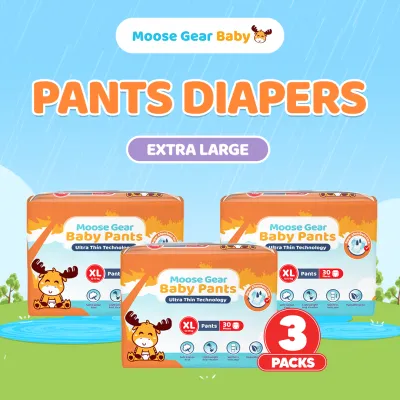
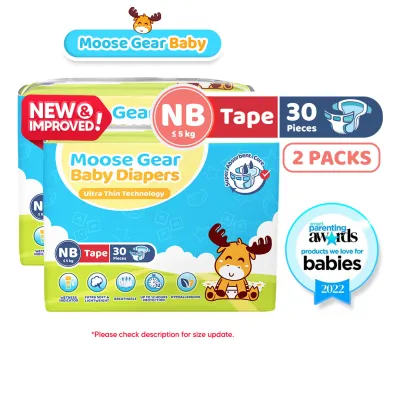


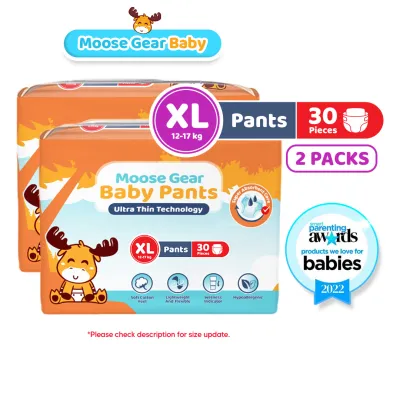
Prices are valid at publication and may change. Please refer to the product page for the latest price.
Understanding the Contenders: Brand Profiles and Core Focus
To make an informed comparison, you must first understand the market positioning and core design philosophies of these three brands. Each manufacturer targets different parental priorities, which is reflected in their product construction, marketing promises, and price points. Recognizing these distinctions allows you to align your purchase with your baby’s developmental stage and your family’s lifestyle.

Pampers has long been a household name globally and across the Philippines, establishing a reputation centered on skin dryness and material softness. The brand’s primary design focus is on minimizing bulk while maximizing liquid distribution. By utilizing advanced absorbent cores that distribute moisture evenly rather than letting it pool in one spot, Pampers aim to keep the diaper thin and flexible. This design philosophy is particularly beneficial in hot, humid climates where bulky, heavy diapers can trap heat and cause discomfort during outdoor activities or afternoon naps.
Huggies, another global giant, approaches diaper design with an emphasis on structural security and active fit. The brand is engineered to tackle the physical challenges of growing babies who are beginning to roll, crawl, and walk. Huggies diapers frequently feature wide, highly elastic waistbands and specialized pocketed back waistbands designed to catch runny messes before they escape up the baby’s back. Their leg cuffs are typically engineered with robust elastic barriers, prioritizing leak prevention for dynamic, high-energy infants who test the physical limits of their diapers.
Moose Gear has carved out a strong presence in the Philippine market by positioning itself as a modern, budget-friendly alternative that does not compromise on essential utility. Rather than relying on decades of global legacy marketing, the brand focuses on delivering ultra-thin, highly absorbent diapers at a lower price point per piece. Their packaging highlights features such as high-speed absorption layers and breathable backsheets. For local parents, Moose Gear represents a practical solution for frequent daytime changes, allowing families to maintain hygiene standards without straining their monthly budgets.
When evaluating these brands, you must also keep in mind that product lines are not static. Both Pampers and Huggies offer multiple tiers, ranging from standard everyday options to premium, high-end selections. Material compositions, elastic styles, and overall thickness can vary significantly between a brand’s entry-level diaper and its premium counterpart. Therefore, you should always inspect the specific packaging details and product descriptions to verify which tier you are purchasing.
Head-to-Head Comparison: Absorbency, Fit, and Comfort
To determine which diaper performs best for your baby, you need to evaluate them across three critical performance dimensions: absorbency, fit, and material comfort. Examining these factors closely will help you understand how each brand handles the daily demands of diapering.
Absorbency and Leak Protection
When assessing absorbency, you should look beyond simple marketing claims and examine the physical construction of the diaper’s core. High-quality diapers utilize a blend of fluff pulp and Super Absorbent Polymers (SAP) to lock moisture away from the skin. To evaluate a diaper’s performance, observe how dry the inner lining feels to the touch when you perform a change after several hours of use. A dry lining indicates that the core is successfully pulling wetness deep inside, which is crucial for preventing diaper dermatitis.
Leak protection is heavily dependent on the design of the standing leg guards, also known as the inner cuffs. These elasticized barriers run along the inside of the leg openings and must stand upright to catch liquid before it reaches the outer edges. When putting a diaper on your baby, always run your finger along these cuffs to ensure they are flared outward rather than tucked inward. You should also check for the presence of a wetness indicator—a colored line on the outside of the diaper that changes hue when wet—which helps you monitor wetness levels without unnecessarily opening the diaper.
Heavy overnight wetting requires a diaper core that can handle multiple voids without sagging or leaking. While premium lines from Pampers and Huggies are often favored for long overnight stretches due to their advanced liquid-channeling technologies, you can evaluate Moose Gear’s overnight performance by checking if the core remains intact or if it clumps excessively when fully saturated. If a diaper clumps or sags heavily, it can restrict your baby’s movement and increase the risk of side leaks during sleep.
Fit, Sizing, and Elasticity
An excellent absorbent core is ineffective if the diaper does not fit your baby’s body securely. Sizing is not standardized across brands, meaning a “Medium” in Pampers may fit quite differently than a “Medium” in Huggies or Moose Gear. You should always consult the weight-based size charts printed on the packaging as your primary guide, rather than relying solely on your baby’s age. If your baby’s weight falls near the upper limit of a size range, it is usually best to size up to ensure adequate coverage and comfort.
To accommodate different baby body types, pay close attention to the elasticity of the waistband and side tabs. Huggies is characterized by a highly elasticized back waistband that stretches comfortably around the torso, making it highly effective at preventing gaps when your baby sits or bends. Pampers typically features highly stretchable side tapes that allow for a customizable fit around the hips, which is often preferred for babies with slimmer waists. Moose Gear offers its own elastic configurations that you should assess for flexibility and holding power during active play.
To determine if a diaper’s fit is correct, inspect your baby’s skin during changes. Deep red marks or indentations around the thighs or waist indicate that the elastic is too tight, signaling that you need to size up or adjust the fastening tabs. Conversely, if you notice gaps between the diaper and your baby’s skin—particularly around the legs or the small of the back—the diaper is either too large or the cut is incompatible with your baby’s body shape, which will inevitably lead to leaks.
Material Comfort and Breathability
In a tropical climate like the Philippines, breathability is a critical factor in maintaining your baby’s skin health. High heat and humidity, combined with the trapped moisture inside a diaper, create an environment ripe for heat rash and chafing. When choosing a diaper, feel the outer cover to determine if it has a soft, cloth-like texture or a stiffer, plastic-like feel. Cloth-like backsheets generally feature micro-pores that allow hot air and vapor to escape while keeping liquid safely contained inside.
Inner lining softness is equally important, as this layer is in direct contact with your baby’s delicate skin. Gently run your hand over the inner sheet to check for a plush, non-abrasive texture. You should also be aware that manufacturers sometimes treat these inner linings with mild lotions, light fragrances, or specific botanical extracts to promote skin health. While these additives can be beneficial for many infants, babies with highly sensitive skin or conditions like eczema may experience adverse reactions to them.
To minimize the risk of allergic contact dermatitis, always verify the ingredient and material lists on the packaging. Look for clear claims regarding hypoallergenic properties, fragrance-free formulations, or dermatological testing. If your baby has a known sensitivity to specific chemicals or synthetic fragrances, prioritizing diapers with minimal additives is the safest course of action. Remember that skin tolerance is highly individual, and a material that feels incredibly soft may still cause irritation if your baby’s skin is sensitive to a specific component used in the manufacturing process.
Price and Value: Evaluating Cost Per Diaper
Managing household expenses is a priority for most families, and diapers represent a recurring, long-term cost. To compare the true financial impact of these brands, you must look past the retail price of the package and calculate the cost per diaper. Because pack sizes vary widely—ranging from small travel packs to massive mega-packs—comparing the total price of a bag can be highly misleading.
To calculate the cost per diaper, use this simple formula:
$$\text{Cost Per Diaper} = \frac{\text{Total Price of the Pack}}{\text{Total Number of Diapers in the Pack}}$$
For example, if a pack of 40 diapers costs ₱400, the cost per diaper is ₱10.00. If another brand offers a pack of 60 diapers for ₱450, the cost per diaper drops to ₱7.50. When browsing online marketplaces or local supermarket shelves in the Philippines, performing this quick calculation allows you to make an objective financial comparison.
Generally, premium diaper lines from established brands like Pampers and Huggies carry a higher cost per piece due to their advanced materials, specialized designs, and global brand positioning. Value-focused brands like Moose Gear are typically priced lower, offering a highly competitive cost per diaper that can lead to substantial savings over several months. However, you must weigh these upfront savings against the diaper’s real-world performance.
If a cheaper diaper suffers from frequent leaks or lacks the absorbency needed to keep your baby dry, you may find yourself changing the diaper much more frequently. Furthermore, frequent leaks lead to hidden costs, such as increased water and electricity bills from extra laundry, the need for specialized stain removers, and the potential replacement of ruined clothing or bedding. A slightly more expensive, highly absorbent diaper that lasts longer and prevents leaks can sometimes offer better overall value than a cheaper alternative that requires double the changes.
How to Test and Transition: A Practical Guide for Parents
When you decide to try a new diaper brand or transition from one to another, doing so systematically will help protect your baby’s skin and prevent unnecessary financial waste. A rushed transition can lead to unexpected leaks, diaper rash, or a stockpile of unused diapers that do not fit your baby properly.
- Purchase Trial Packs First: Avoid buying large box sets or bulk bundles when trying a new brand like Moose Gear, or when switching to a different product line within Pampers or Huggies. Opt for the smallest pack size available. This minimizes financial loss if the diaper turns out to be a poor fit or causes skin irritation.
- Implement a Daytime Testing Protocol: Always conduct your initial tests during the daytime. This allows you to monitor the diaper closely, check the fit during active play, and observe how quickly it fills up. Testing during the day ensures that if a leak or blowout does occur, it will not disrupt your baby's overnight sleep or require a midnight bedding change.
- Use the Skin Observation Checklist: Every time you change your baby during the trial period, carefully inspect their skin. Check the leg creases, the waistband area, and the buttocks for any signs of redness, chafing, tiny bumps, or dry patches. Healthy skin should look clear and feel smooth after being wiped clean and dried.
- Monitor Sagging and Mobility: Observe how the diaper behaves as your baby moves. Note whether the core clumps together or sags heavily between the legs when wet. A diaper that sags excessively can restrict your baby's natural movement and pull the leg cuffs away from the body, creating gaps that allow leaks to escape.
If you observe persistent redness, raw spots, blistering, or any signs of an allergic reaction during your trial, you must stop using that specific diaper brand immediately. Do not attempt to “break in” the diaper or wait for your baby’s skin to adapt. Clean the area gently with mild, fragrance-free wipes or plain water, apply a safe barrier cream, and consult your pediatrician or a qualified healthcare professional for guidance. Your baby’s skin health and comfort must always take precedence over finishing a pack of diapers.
Final Verdict: Matching the Diaper to Your Baby's Needs
To make your final decision, align your choice with your baby’s specific physical characteristics, daily routine, and your household budget. Use this conditional decision framework to select the brand that best fits your current situation:
- Choose Pampers if: Your baby has a relatively slim or average build, you prioritize a lightweight and thin diaper that minimizes bulk in warm weather, and your budget comfortably accommodates their premium product lines for overnight dryness.
- Choose Huggies if: Your baby is highly active, has chunkier thighs or a rounder tummy, and you require a secure, highly elastic waistband with robust leg cuffs to prevent back blowouts and side leaks.
- Choose Moose Gear if: You are seeking a highly cost-effective, thin diaper for frequent daytime changes, your baby's skin is resilient, and you want to optimize your monthly diapering budget without sacrificing basic utility.
- Verify first if: Your baby has a history of severe skin sensitivity, eczema, or frequent diaper rash. In these cases, you must carefully inspect the packaging of any brand for specific hypoallergenic, fragrance-free, or lotion-free designations, and consult your pediatrician before making a permanent switch.
Frequently Asked Questions (FAQ)
Can I mix different diaper brands for day and night use?
Yes, mixing diaper brands is a highly practical and budget-friendly strategy used by many parents in the Philippines. You can use a more affordable, lightweight diaper like Moose Gear for daytime hours when you are changing your baby frequently—typically every two to three hours. When it is time for bed, you can switch to a highly absorbent, premium diaper from Pampers or Huggies to ensure your baby stays dry and comfortable through the night, minimizing sleep disruptions for both of you.
How do I know if I need to size up in a specific brand?
You should size up if you observe physical indicators of a tight fit, such as deep red elastic marks on your baby’s thighs or waist, or if the fastening tabs struggle to reach the center of the diaper’s landing zone. Frequent leaks, especially wetness escaping up the back or around the leg openings during normal use, are also clear signs that the current size no longer has sufficient absorbent capacity or coverage. Because sizing is not uniform across Pampers, Huggies, and Moose Gear, always rely on your baby’s current weight and physical fit rather than the age range listed on the box.
Community discussion
Share your experience or ask a question. Comments are reviewed before publication.