
Choosing the right breast milk storage bag is a critical decision for breastfeeding mothers in the Philippines, where managing a daily pumping routine requires balancing hygiene, storage space, and household budgets. The ideal choice depends heavily on your specific pumping frequency, monthly budget, and the brand of breast pump you use. While some mothers prioritize seamless integration with their existing pump systems, others focus on leak-proof confidence or minimizing the cost per bag.
To help you navigate these choices, this comparison looks at three prominent brands: Moose Gear, Medela, and Lansinoh. Moose Gear has gained significant traction in the local market, appealing to budget-conscious mothers who require high-volume, cost-effective storage solutions. Medela is widely favored by those who use Medela breast pumps, offering direct-pump compatibility and a sturdy, robust design. Lansinoh remains a globally recognized household name, celebrated for its highly reliable double-zipper seal and pre-sterilized convenience.
Before making a final purchase, caregivers must always inspect the physical packaging of any breast milk storage bag. It is essential to verify the presence of explicit BPA/BPS-free certifications, intact safety seals, and manufacturer warnings to ensure the product is safe for infant feeding. If you notice any damage to the packaging or seals upon delivery, stop and contact the manufacturer or retailer before storing your milk.
Products mentioned in this guide
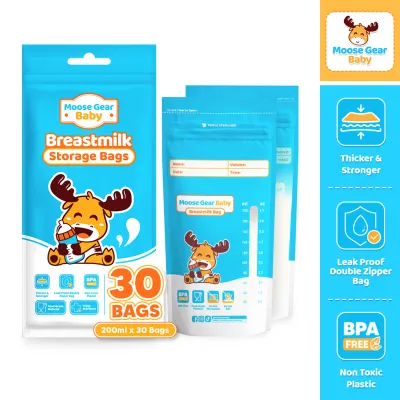
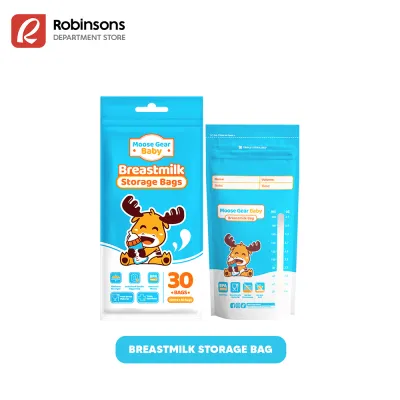
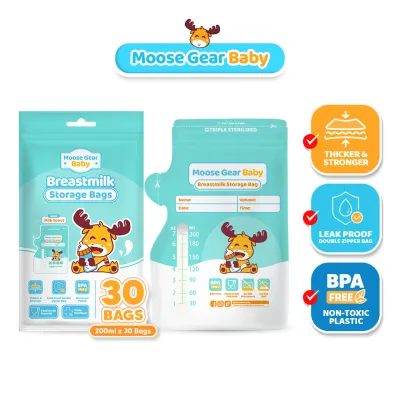
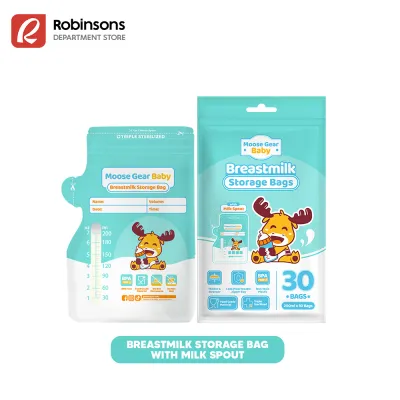
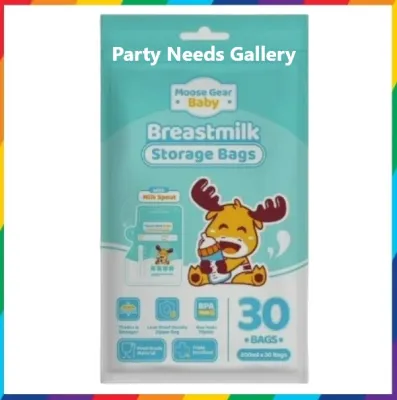
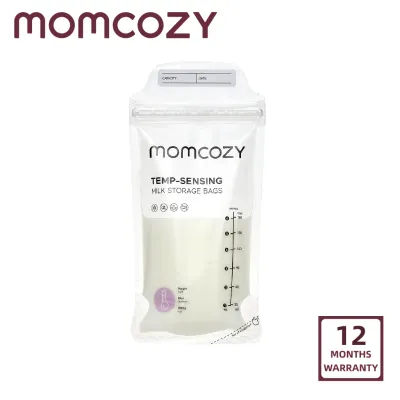
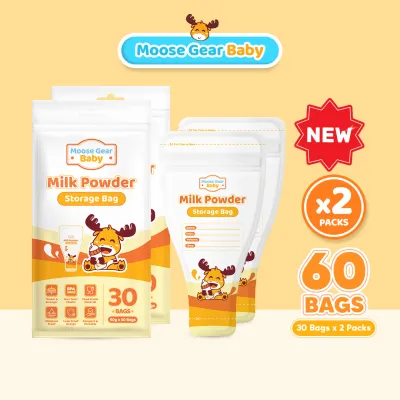
Prices are valid at publication and may change. Please refer to the product page for the latest price.
Core Features Compared: Design, Seal, and Compatibility
The daily workflow of expressing, storing, and thawing breast milk involves multiple physical transitions. A storage bag must perform reliably at every stage, from standing securely on a kitchen counter to resisting structural failure in a freezing environment. Understanding the mechanical differences in design, seal integrity, and pump compatibility among Moose Gear, Medela, and Lansinoh can help you choose the bag that fits your daily routine.
Capacity, Shape, and Freezer Efficiency
The physical structure of a milk storage bag determines how easily you can transfer milk and how efficiently you can organize your freezer. A critical design feature is the gusseted bottom, which expands to allow the bag to stand upright on flat surfaces. This self-standing capability is invaluable when you are pouring freshly expressed milk from a bottle into the bag without assistance. While Lansinoh and Medela bags are well-regarded for their stable gussets, you should observe how Moose Gear bags stand when filled to ensure stable pouring on your specific kitchen surfaces.
Standard capacities for these bags typically range from 6 ounces (approximately 180 ml) to 8 ounces (approximately 240 ml). However, mothers must inspect the exact volume markings printed on the box of the specific batch they purchase, as actual capacities can vary. Overfilling a bag is a common cause of seal failure; when breast milk freezes, it expands, and exceeding the recommended volume line can easily burst the seams.
Freezer organization is another crucial factor, especially in tropical climates like the Philippines, where freezer space is often shared with other household items and must be managed efficiently. Bags that can lay flat during the freezing process are much easier to stack once solid. Lansinoh bags are highly flexible and designed to freeze exceptionally flat, which maximizes vertical storage space. Medela bags tend to use a slightly thicker, stiffer plastic, which provides excellent structure but may require more careful positioning to freeze completely flat. When using Moose Gear, test a few bags horizontally in your freezer to determine how well they stack compared to your current storage setup.
Leak Prevention and Seal Mechanisms
Protecting breast milk from contamination and leakage is the primary job of any storage bag. The sealing mechanism is the first line of defense against spills. Lansinoh utilizes a double-zipper closure system that has long been considered an industry standard for leak prevention. This double-seal design provides a tactile click that lets you feel when the bag is securely closed. Medela also employs a secure double-zipper system on their storage bags, designed to lock out air and prevent leaks. When purchasing Moose Gear bags, check the packaging details to verify if they feature a single or double-zipper design, as a double-zipper offers significantly better protection against accidental openings.
Beyond the zipper, the structural integrity of the side and bottom seams determines whether a bag can withstand the expansion of freezing milk. High-quality bags feature wide, reinforced side seals to prevent splitting. If a seam is too thin or poorly bonded, the pressure of expanding ice can cause microscopic tears that only become apparent during the thawing process.
Labeling is another practical design element that affects safety. A dedicated write-on area is essential for recording the date, time, and exact volume of the expressed milk. Lansinoh and Medela place their label tabs outside the main storage compartment to prevent pen ink from contaminating the milk or puncturing the inner plastic layer. When using Moose Gear, verify the placement of the write-on area and always use a soft-tip permanent marker rather than a sharp ballpoint pen to avoid accidentally piercing the bag.
Pump Compatibility and Pouring Ease
Minimizing the number of transfer steps between pumping and feeding reduces both the risk of contamination and the chance of spilling milk. Direct-to-bag pumping is a major convenience for busy mothers. Medela excels in this area, offering a system where bags can be attached directly to their breast pumps using specialized adapters or built-in strap designs. This eliminates the need to pump into a bottle first, saving time and reducing cleanup.
For Lansinoh and Moose Gear, direct pumping may require third-party adapters depending on the brand and model of your breast pump. If you use a wide-neck or narrow-neck pump from another brand, you must verify compatibility before attempting to pump directly into these bags. For many mothers, pumping into a standard bottle and then transferring the milk to the bag remains the most practical method, making the bag’s pouring design highly important.
Transferring milk from the storage bag to a baby bottle requires precision. Some bags feature a dedicated tear-off or cut-out pour spout, which allows you to pour the milk from a separate opening rather than back through the zipper area. This design minimizes spills and prevents the milk from coming into contact with any external contaminants that may have gathered on the outer zipper. Compare the pour spout design of Moose Gear with the standard zip-top pouring of Lansinoh and Medela to see which method feels most secure for your daily feeding routine.
Price and Value: Evaluating Cost Per Bag
For exclusive pumpers or mothers building a long-term freezer stash, the ongoing cost of milk storage bags can accumulate quickly. Evaluating the true value of these products requires looking beyond the initial retail price and calculating the cost per individual bag. To do this, divide the total package price by the number of bags included, and consider how many bags you expect to use on a daily and weekly basis.

Moose Gear is widely positioned in the Philippines as a highly cost-effective, budget-friendly option. By offering larger pack sizes at a lower price point, it appeals directly to families looking to manage their monthly baby-care expenses. For mothers who pump multiple times a day and go through several bags daily, the cumulative savings of choosing a budget-friendly brand can be substantial.
In contrast, Medela and Lansinoh are positioned as premium options. Their higher cost per bag reflects established global brand trust, specialized seal technologies, and proprietary design features like direct-pump integration. While the cost per bag is higher, many parents find the price justified by the peace of mind that comes with a lower risk of leaks and structural failures.
To maximize your budget, avoid relying on single-pack purchases at standard retail prices. Instead, check official brand stores, reputable online marketplaces, or local baby boutiques in the Philippines for bundle deals, bulk cartons, or seasonal promotions. Subscription discounts and holiday sales are excellent opportunities to purchase premium bags at a lower cost per unit, allowing you to balance safety and value effectively.
Decision Framework: Choose the Right Bag for Your Routine
Selecting the right milk storage bag is about matching the product’s strengths to your specific lifestyle, pumping routine, and budget. Use the following framework to guide your decision:
- Choose Moose Gear if: You are an exclusive pumper, need to build a large freezer stash, and prioritize maximizing your daily budget. Moose Gear offers excellent high-volume value for families in the Philippines, provided you carefully inspect the packaging upon purchase to verify the safety labels, BPA/BPS-free certifications, and seal integrity.
- Choose Medela if: You already use a Medela breast pump as your primary device and want a seamless, integrated system. Pumping directly into the bag without fumbling with third-party adapters reduces washing time and minimizes transfer spills, making the premium price worth the convenience.
- Choose Lansinoh if: Your absolute highest priority is leak prevention and ease of flat-freezing. Lansinoh's double-zipper seal and flexible, pre-sterilized design provide maximum security against freezer burn and spills, making them ideal for mothers who frequently transport frozen milk or have limited freezer space.
- Verify first if: You have severe freezer space constraints or use a niche breast pump brand. Before buying any brand in bulk, purchase a single small pack to test the bag's flat-freezing dimensions in your specific freezer and check if you need to source specialized adapters for your pump.
Essential Safety and Storage Practices for All Brands
Regardless of the brand you choose, adhering to strict safety and storage guidelines is essential to preserve the nutritional quality of your breast milk and protect your baby’s health. Because breast milk contains living cells and antibodies, improper handling can lead to bacterial growth or nutrient degradation.
First, always leave approximately one inch (2.5 cm) of space at the top of the storage bag before sealing. Breast milk consists mostly of water, which expands significantly when frozen. Failing to leave adequate head space can put excessive pressure on the zipper and seams, leading to leaks or bursts when the bag is placed in the freezer.
Second, establish a clear labeling routine. Always write the date, time, and exact volume on the bag’s designated label area before placing it in the freezer. Use a soft-tip permanent marker and write gently to avoid puncturing the plastic. When organizing your freezer, place the newest bags at the back and bring the oldest bags to the front to follow a strict “first in, first out” usage policy.
Third, understand the safety rules regarding thawing and warming. Never refreeze breast milk that has been thawed, as this dramatically increases the risk of bacterial contamination. To thaw frozen milk safely, place the bag in the refrigerator overnight or submerge it in a bowl of warm (not boiling) water.
Never use a microwave to thaw or warm breast milk. Microwaving creates uneven heating, resulting in localized “hot spots” that can easily burn your baby’s mouth, and the high heat can destroy the delicate proteins and immunoglobulins in the milk. Always cross-reference these general safety practices with the specific storage temperature and duration guidelines printed on your chosen brand’s packaging. If you suspect any milk has spoiled or if your baby shows signs of discomfort after feeding, stop using the stored milk immediately and consult a qualified healthcare professional or pediatric doctor.
Frequently Asked Questions (FAQ)
Can I reuse these milk storage bags?
No, Moose Gear, Medela, and Lansinoh milk storage bags are strictly designed for single use. Attempting to wash, sterilize, and reuse these bags compromises the sterile inner environment and degrades the integrity of the plastic and zipper seals. This significantly increases the risk of bacterial contamination, which can make your baby sick, and increases the likelihood of the bag leaking or bursting in the freezer.
Do I need to sterilize the bags before pumping?
Generally, premium milk storage bags like those from Lansinoh and Medela are pre-sterilized during manufacturing and are ready to use directly out of the box. You should not attempt to wash or sterilize them before use, as doing so can introduce contaminants. For Moose Gear bags, always read the manufacturer’s packaging instructions carefully to confirm whether your specific batch is pre-sterilized or if any specific preparation is required before the first use.
How long can I store breast milk in these bags in the freezer?
Under standard guidelines, breast milk can be stored in a standard refrigerator freezer (with a separate door) for 3 to 6 months, and in a dedicated deep freezer for up to 6 to 12 months. However, temperature stability can vary, especially during power fluctuations. Always check the specific storage duration recommendations printed on your chosen brand’s box, and consult local pediatric health guidelines or a certified lactation consultant to ensure the safest practices for your baby.
Community discussion
Share your experience or ask a question. Comments are reviewed before publication.