
Choosing the right baby wipes in the Philippines is a delicate balancing act. The combination of high tropical humidity, intense heat, and constant friction inside a diaper creates a prime environment for skin irritation, heat rash, and diaper dermatitis. When comparing Moose Gear unscented baby wipes to other brands in the local market, the most important realization is that there is no universal “best” wipe. The ideal choice depends entirely on your baby’s unique skin triggers, the specific preservatives used in the formulation, and how the physical material interacts with their delicate skin barrier.
While Moose Gear offers a popular unscented option that many local parents rely on for daily cleaning, you must carefully verify the product’s physical packaging. The term “unscented” is a common marketing designation that does not automatically mean a product is entirely “fragrance-free” or devoid of potential chemical irritants. Some unscented formulations utilize masking agents to neutralize the natural odors of their chemical ingredients, which can still affect highly sensitive skin.
Ultimately, deciding between Moose Gear and competing brands requires looking past promotional claims on ecommerce platforms. You must evaluate the transparency of the ingredient list, assess the physical texture of the wipe, and perform a systematic patch test on your baby’s skin. This careful, hands-on verification is the only reliable way to protect a highly sensitive skin barrier from unnecessary irritation.
Products mentioned in this guide

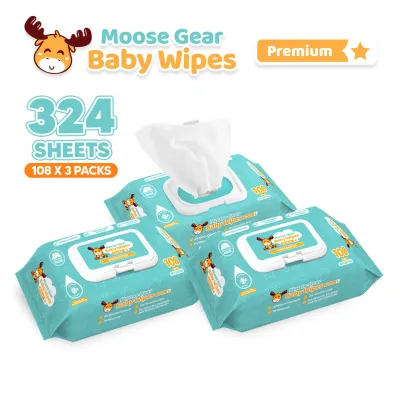
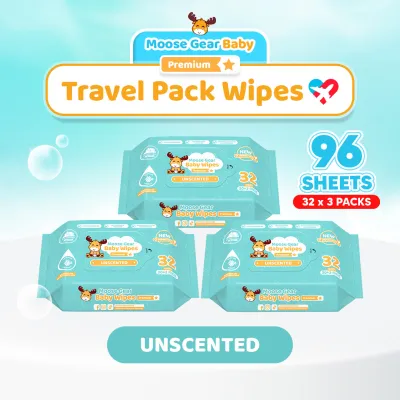

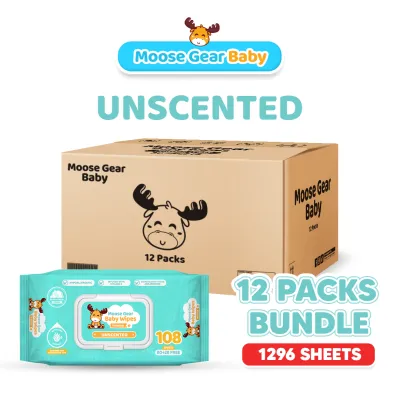
Prices are valid at publication and may change. Please refer to the product page for the latest price.
Crucial Comparison Dimensions for Sensitive Skin Wipes
To make an objective comparison between Moose Gear and other baby wipe brands, you need a clear set of criteria. Marketing terms like “hypoallergenic” or “for sensitive skin” are not strictly standardized, meaning different manufacturers use them under different testing guidelines. By focusing on the scientific and physical properties of the wipes, you can make a safer, more informed decision for your child.
Ingredient Transparency and "Unscented" Claims
The first dimension to analyze is the difference between “unscented” and “fragrance-free” formulations. A fragrance-free wipe contains absolutely no added aroma chemicals or masking agents, making it the safest starting point for babies diagnosed with eczema or contact allergies. In contrast, an unscented wipe may still contain subtle chemical compounds designed to hide the raw scent of the cleaning agents and preservatives, which can occasionally trigger reactions in highly sensitive individuals.
When inspecting any wipe package, look for a short, clean, and highly transparent ingredient list. High-quality sensitive wipes typically feature purified water as the primary ingredient, making up the vast majority of the liquid solution. The remaining ingredients should consist of mild surfactants, skin conditioners, and essential preservatives.
Preservatives are absolutely necessary in wet wipes to prevent the growth of harmful bacteria, mold, and fungi, especially in the warm, humid climate of the Philippines. However, some preservatives are more prone to causing skin sensitization than others. You should check the label for common compounds such as phenoxyethanol, sodium benzoate, or various parabens. If your baby has reactive skin, tracking which specific preservative is present in a brand that causes a flare-up will help you avoid that chemical in the future.
Wipe Material, Texture, and Friction
The physical composition of the wipe sheet plays a major role in maintaining skin integrity. Wipes are generally manufactured from synthetic fibers like polyester, natural plant-based fibers like viscose or bamboo, or a blend of both. Synthetic polyester fibers are highly durable and inexpensive, but they tend to be less absorbent and can create higher friction when dragged across delicate skin.
Plant-based materials like bamboo or wood-pulp viscose are softer and hold more moisture. This high moisture retention allows the wipe to glide smoothly, minimizing the mechanical friction that damages the delicate epidermal barrier. When a baby has sensitive skin or active diaper rash, excess rubbing can worsen the inflammation.
Texture is another critical element of the physical sheet. Many brands feature embossed patterns, such as raised dots or waves, designed to help grab solid waste more efficiently. While these textures are highly convenient for quick cleanups, they can sometimes be too abrasive for a baby with compromised skin. If your baby’s skin is already red or peeling, a completely smooth, flat-textured wipe made of thick, soft material is generally preferred to minimize mechanical irritation.
Moisture Content and pH Balance
The liquid formulation infused into the wipe sheet must work in harmony with your baby’s natural skin chemistry. High water content, often marketed as 98% to 99% purified water, is highly desirable because it dilutes the concentration of active cleaning chemicals. This minimizes the chemical residue left behind on the skin after the wipe dries, reducing the likelihood of cumulative irritation over multiple diaper changes.
Equally important is the pH level of the wipe solution. Healthy baby skin has a slightly acidic natural pH, typically hovering around 5.5, which constitutes the “acid mantle” that protects against bacterial and fungal infections. When a wipe solution is too alkaline, it disrupts this protective barrier, leaving the skin highly vulnerable to diaper rash caused by yeast or fecal enzymes.
You should verify whether a brand explicitly states that its formulation is pH-balanced on the packaging. A properly balanced solution helps neutralize the alkaline effects of urine and stool during a diaper change, actively supporting the skin’s natural defense mechanisms. In the humid tropical climate of the Philippines, where sweat and moisture are constantly trapped inside diapers, maintaining this acidic barrier is one of the most effective ways to prevent painful rashes.
What to Verify on the Moose Gear Unscented Label
If you are considering Moose Gear unscented baby wipes, you should not rely solely on online descriptions or general recommendations. Instead, perform a physical inspection of the packaging to verify that the product aligns with your baby’s specific skin care needs. This step-by-step label check ensures you know exactly what is coming into contact with your child’s skin.

Start by turning the pack over to locate the complete ingredient list. Confirm that water is listed as the first ingredient, indicating it forms the base of the formulation. Next, scan the remaining list to identify the specific preservatives and surfactants. If your pediatrician has identified specific chemical triggers for your baby, cross-reference those against the Moose Gear ingredients before use.
Many sensitive baby wipes incorporate botanical extracts, such as aloe vera, chamomile, or calendula, to provide a soothing effect on dry or irritated skin. Look closely at the Moose Gear label to see if any of these natural additives are present. While these ingredients are often celebrated in marketing materials, it is vital to remember that “natural” does not automatically mean hypoallergenic. Some infants have localized allergic reactions to specific plant extracts, so verifying these ingredients allows you to monitor your baby’s skin for any localized sensitivities.
Another critical aspect to inspect is the physical design of the packaging, particularly the sealing mechanism. In the Philippines, high ambient temperatures and dry air from indoor air conditioning can quickly dry out opened packs of wipes. Check if the Moose Gear packaging features a sturdy, rigid plastic flip-top lid in addition to the inner adhesive sticker. A high-quality double seal is essential for preserving the moisture content of the wipes over time; a weak seal leads to dried-out sheets, which dramatically increases skin friction during use.
Finally, look for any specific quality claims or testing certifications printed on the packaging, such as “dermatologist-tested” or “pediatrician-approved.” Understand that these claims indicate the manufacturer has conducted voluntary safety evaluations, but they do not serve as a guarantee against all allergic reactions. Always read the fine print on the label to see if the testing parameters are detailed, and use these claims as a helpful indicator of quality rather than an absolute safety assurance.
How to Assess Competing Wipe Brands
To determine how Moose Gear compares to other options available in the local market, you must establish a systematic method for evaluating alternative brands. This comparative approach ensures you do not overpay for marketing claims and helps you find the most effective product for your budget and your baby’s skin health.
Begin by calculating the true cost per wipe rather than simply comparing the upfront package price. Divide the pack price by the sheet count (for example, a ₱120 pack with 80 wipes costs ₱1.50 per wipe). However, balance cost against performance; a thin wipe may require using four or five sheets per change, whereas a thicker, high-moisture competitor might require only one or two. In the long run, a slightly more expensive but higher-quality wipe can be more economical.
Next, closely evaluate the sensitive skin lines of competing brands. Many mainstream brands offer a “sensitive” or “unscented” variant alongside their heavily fragranced standard lines. You must check whether these sensitive variants actually use a completely different, milder preservative system, or if they simply remove the fragrance while keeping the same strong chemicals. Truly dedicated sensitive skin brands formulate their wipes from the ground up to minimize irritation, rather than just tweaking a standard recipe.
The physical dimensions of the wipes are also worth comparing. Lay a Moose Gear wipe side-by-side with a competitor’s sheet to assess the surface area. Larger wipes provide better hand coverage, which not only keeps your hands cleaner during blowouts but also reduces the number of wiping passes required. Fewer passes mean less mechanical rubbing on your baby’s skin, which is a major factor in preventing diaper rash flare-ups.
Lastly, always check the manufacturing and expiration dates on the packaging when shopping in local stores or online marketplaces. Wet wipes have a limited shelf life, and older stock that has been stored in hot warehouses can experience chemical degradation. Over time, the preservative system in the solution can lose its efficacy, allowing bacteria to multiply, or the liquid may pool at the bottom of the pack, leaving the top wipes dry and abrasive. Prioritize brands that clearly print these dates and show a commitment to fresh inventory.
Decision Framework: Which Wipe Should You Choose?
Choosing between Moose Gear and its competitors does not have to be a guessing game. By matching your baby’s specific skin condition, your lifestyle preferences, and your household budget to the characteristics of each brand, you can make a clear, logical decision.
Choose Moose Gear Unscented if:
- Your physical inspection of the ingredient list confirms it is short, transparent, and free from any chemical compounds your baby has previously reacted to.
- You manually test the wipe and find that its thickness, softness, and moisture levels are sufficient to clean your baby comfortably without requiring heavy rubbing.
- The calculated cost per wipe fits comfortably within your family's recurring monthly budget for diapering supplies, allowing you to use them consistently without financial strain.
- Your baby's skin is generally healthy, with only occasional mild sensitivity that does not require specialized medical-grade skincare products.
Choose a Competitor if:
- Your baby has an extremely reactive skin barrier that requires a strictly "fragrance-free" formulation containing zero masking agents or botanical extracts.
- You prioritize specific environmental certifications, such as a 100% biodegradable, plastic-free, or compostable material certification, which may not be present on the Moose Gear packaging.
- Your baby's pediatrician or a pediatric dermatologist has recommended a specific brand carrying an official seal of approval from a recognized eczema association.
- You find that your baby's skin reacts better to a completely smooth, non-textured wipe surface that minimizes physical friction during cleanups.
Neither May Fit / Verify First if:
- Your baby is currently suffering from severe, weeping diaper rash, open sores, bleeding skin, or a diagnosed, highly active contact allergy.
- In these critical situations, you must immediately stop using all commercial wet wipes, regardless of how mild or sensitive they claim to be.
- Instead, transition to using warm water with soft, single-use cotton balls or clean, dry cotton cloths to gently pat the area clean, and consult your pediatrician immediately for a proper medical diagnosis and treatment plan.
Safe Usage, Storage, and When to Stop
Even when you have selected a high-quality unscented wipe, proper usage and storage habits are essential to protect your baby’s skin and maintain the product’s safety. Implementing a few simple safety protocols will help you avoid unexpected skin reactions and ensure the wipes remain sterile and effective.
Before introducing any new brand of wipes to your baby’s highly sensitive diaper area, always perform a standard patch test. Take a single wipe from the new pack and gently swipe it across a small, healthy area of your baby’s skin that is not prone to constant friction, such as the inner thigh or the upper arm. Wait a full 24 hours while keeping a close eye on the test spot; if you observe any signs of redness, swelling, tiny bumps, or itching, do not use the wipes on the diaper area. If the skin remains completely clear, you can proceed with using the wipes for daily changes.
Proper storage is particularly vital in the tropical environment of the Philippines, where high humidity and heat accelerate the degradation of skincare products. Store your wipe packages in a cool, dry closet or drawer, away from direct sunlight and heat sources like windows or appliances. Always snap the plastic lid shut and press down on the adhesive seal immediately after pulling out a wipe. This prevents the liquid solution from evaporating and blocks airborne mold spores and bacteria from entering the package and contaminating the remaining sheets.
Finally, establish clear boundaries for when to discontinue use. If your baby develops sudden redness, peeling skin, a persistent rash, or shows signs of pain and crying during wiping, stop using the product immediately. Do not attempt to “wait it out” or apply heavy layers of barrier cream over a suspected chemical reaction. Consult a qualified healthcare professional or pediatrician to identify the underlying cause of the irritation and receive safe, medical guidance tailored to your baby’s development stage.
Community discussion
Share your experience or ask a question. Comments are reviewed before publication.