
For breastfeeding mothers in the Philippines, managing a reliable milk stash is both a labor of love and a logistical puzzle. Balancing direct latching with pumping schedules—especially when returning to work after the standard 105-day maternity leave—requires dependable storage solutions. The choice of storage container directly impacts the safety of expressed milk, the organization of your freezer, and your monthly baby-care budget.
Among the popular options available in local baby boutiques and online marketplaces, the moose gear breast milk bag has emerged as a frequent choice for Filipino parents seeking a balance between cost and functionality. Choosing the right bag involves evaluating how different brands perform under daily handling, freezing, and thawing. By analyzing the physical features, material safety, and practical usability of these storage options, you can make an informed decision that fits your family’s specific needs.
Quick Answer: Is Moose Gear the Best Breast Milk Bag for You?
The moose gear breast milk bag serves as a practical, accessible option for everyday pumping and standard freezer storage. It is highly regarded by families who need to build a high-volume milk bank without incurring the high costs associated with premium imported brands. For standard daily storage where bags are handled carefully and frozen flat, this brand provides excellent value.
Products mentioned in this guide
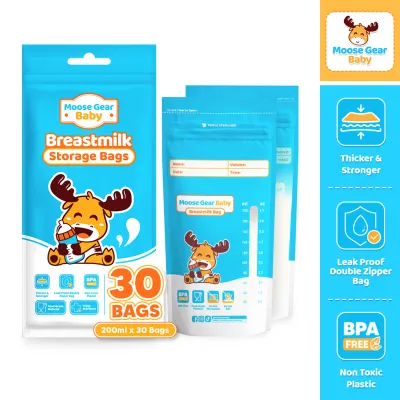
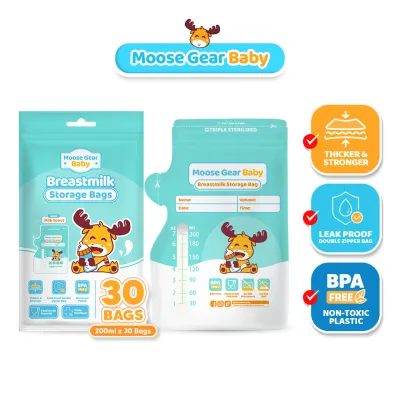
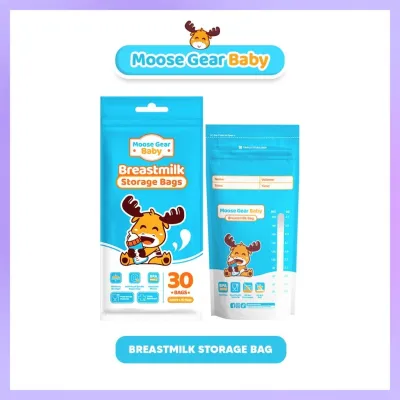
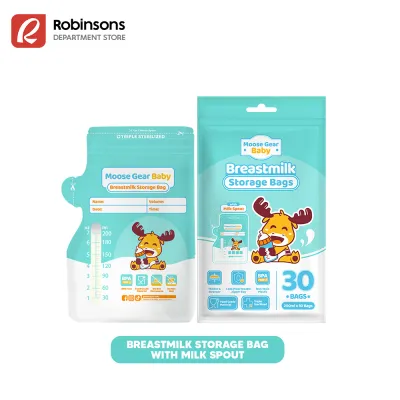
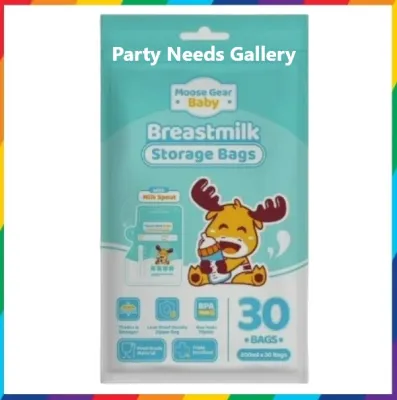
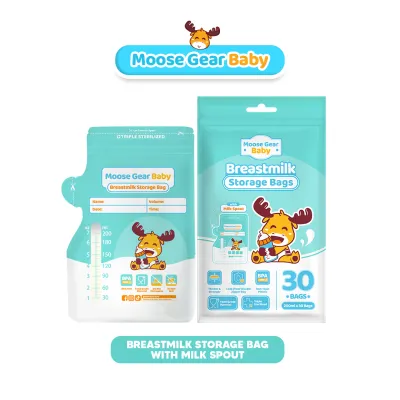
Prices are valid at publication and may change. Please refer to the product page for the latest price.
However, whether it is the absolute best option for your household depends entirely on your specific priorities. If your routine requires direct-to-bag pumping adapters, specialized easy-pour spouts, or heavy-duty reinforced side seams for long-term deep freezing, premium alternatives might better suit your workflow. Before purchasing any brand in bulk, always inspect the packaging to verify material safety claims, BPA-free certifications, and pre-sterilization status.
Understanding Moose Gear Breast Milk Bags: Core Design Features
To evaluate how Moose Gear performs compared to other brands on the Philippine market, it is essential to look closely at its physical construction. These bags are typically designed with a double-zipper seal at the top, which acts as the primary barrier against leaks and air exposure. A double-track closure provides a physical and audible click when sealed, helping you confirm that the bag is securely closed before placing it in the freezer.

Another notable design feature is the write-on panel, which is positioned outside the main milk storage area. This placement is intentional; it allows you to use a standard ballpoint pen or permanent marker to write down the date, time, and volume of expression without risking puncturing the inner lining or transferring ink chemicals through the plastic. The panel is clearly visible, helping you practice the “first in, first out” inventory method in your freezer.
The bottom of the bag features a gusseted, flat-bottom design. When empty, the bag lies flat for compact storage in your diaper bag or drawer. Once filled with milk, the gusset expands, allowing the bag to stand upright on your kitchen counter or table. This self-standing capability is particularly helpful during the pouring process, reducing the risk of accidental spills when you are working alone.
When purchasing, always verify the capacity markings printed on the side of the bag. Most standard bags are marked in both milliliters (ml) and ounces (oz) to accommodate different measurement preferences. It is important to note that these printed measurements are approximate; for precise feeding volumes, you should rely on the measurements of your breast pump’s collection bottles before transferring the milk to the bag.
Moose Gear vs. Competitors: Comparing Key Storage Dimensions
Selecting the right storage bag requires comparing Moose Gear against other options available to Filipino mothers, ranging from affordable local brands to premium international labels. This comparison focuses on three critical areas that directly affect your daily routine and the safety of your stored milk.
Material Safety and Hygiene Standards
The safety of the plastic material is the most critical factor when storing expressed milk. High-quality breast milk bags must be made from food-grade, non-toxic plastics that are completely free from Bisphenol A (BPA) and Bisphenol S (BPS). These chemicals can leach into breast milk, especially during temperature changes, posing potential health risks to your developing infant.
Most reputable brands, including Moose Gear, state on their packaging that their bags are pre-sterilized and ready for immediate use. Pre-sterilization ensures that the interior of the bag remains completely sterile from the factory until the moment you open the seal. This eliminates the need to wash or sanitize the bags before their first use, which would actually compromise their sterility.
When shopping, do not rely solely on online product descriptions or marketing claims. Always physically inspect the product packaging for recognized safety symbols, food-grade certifications, and clear manufacturer contact information. If you are purchasing imported brands, verify that they comply with international standards for food contact materials.
Leak Prevention and Seal Durability
A leaking breast milk bag is a heartbreaking experience for any pumping mother who has spent time and energy expressing milk. Leakage typically occurs at two main points: the top zipper seal or the side seams. While double-zipper tracks are standard across most brands today, the thickness of the plastic and the strength of the side seals vary significantly.
Premium brands often feature reinforced side seams and thicker plastic walls to withstand the physical pressure of freezing and thawing. Budget-friendly options, while highly functional, may have slightly thinner walls that require gentler handling. To test the seal integrity of a new brand, fill a sample bag with water, seal it completely, and gently press on it over a clean sink to check for weak spots or slow drips.
Regardless of the brand you choose, the laws of physics apply to all stored liquids. Water expands as it freezes, and breast milk is no exception. If you fill a bag to its absolute maximum capacity without leaving empty space at the top, the expanding ice will exert pressure on the seams, leading to micro-tears or complete bursts. Always leave at least an inch of empty space below the zipper seal to accommodate this natural expansion.
Usability: Filling, Freezing, and Pouring
The ease of transferring milk into and out of the bag significantly impacts your daily pumping workflow. A bag with a wide opening allows you to pour milk directly from your breast pump’s collection bottles with minimal risk of spilling. Some premium brands offer specialized pour spouts—separate tear-away or cut-away channels at the bottom or side of the bag—that allow you to pour thawed milk into a feeding bottle without passing it back through the top zipper, which may have touched external surfaces.
Another usability factor is pump compatibility. Certain high-end breast milk storage systems allow you to attach the bag directly to your breast pump flange using specialized clips or adapters. This direct-to-bag pumping minimizes transfer steps, reducing the risk of contamination and saving time. Moose Gear and standard budget-friendly bags typically do not support direct-to-pump attachments and require you to pump into a bottle first before transferring the milk.
For freezing, the ability of a bag to lie completely flat is highly beneficial. Bags that freeze flat can be stacked vertically or horizontally in milk organizers or standard plastic containers, maximizing the limited space inside household freezers. Some cheaper bags tend to bunch up or freeze in irregular shapes, making storage organization much more difficult.
What to Check on the Label: A Specification Checklist
When shopping for breast milk storage bags on local e-commerce platforms or in physical baby stores in the Philippines, it is easy to get overwhelmed by various packaging designs and marketing claims. To make a logical, objective comparison between Moose Gear and alternative brands, use the following specification checklist to evaluate the product label before making a purchase.
| Specification Dimension | What to Verify on the Packaging | Why It Matters for Daily Use |
|---|---|---|
| Maximum Capacity | Check if the bag holds 120ml (4oz), 150ml (5oz), or 250ml (8oz). | Matches your baby's typical feeding volume and prevents overfilling. |
| Material Composition | Look for explicit "BPA-Free" and "Food-Grade Plastic" labels. | Ensures no harmful chemicals leach into the milk during storage. |
| Sterilization Status | Confirm the label states "Pre-sterilized" or "Ready to Use." | Guarantees hygiene without requiring pre-washing. |
| Seal Type | Verify a double-zipper or reinforced press-to-close track. | Prevents leaks and accidental openings in the freezer. |
| Write-on Panel | Check that the write-on area is located outside the storage chamber. | Prevents ink contamination and accidental punctures. |
| Spout Design | Look for dedicated tear-away pour spouts or easy-pour corners. | Minimizes spills and maintains hygiene during bottle transfers. |
Using this checklist ensures you are comparing like-for-like features rather than relying on brand popularity alone. Always check the physical box upon delivery to ensure these specifications are clearly printed and that the manufacturer’s quality control seals are intact.
Decision Framework: Which Breast Milk Bag Fits Your Routine?
To help you decide which brand to integrate into your breastfeeding journey, consider how your daily routine, storage space, and budget align with the following profiles.
Choose Moose Gear if:
- You are building a high-volume milk bank and need a highly cost-effective option to minimize ongoing expenses.
- You primarily store milk in a standard household freezer and have the time to handle bags carefully and freeze them flat.
- You prefer a straightforward, traditional double-zipper design and do not require direct-to-pump adapters.
- You want a brand that is easily accessible through local online marketplaces and physical baby shops in the Philippines.
Choose specialized premium brands if:
- You rely on a direct-to-bag pumping system to save time and reduce the number of parts you need to wash daily.
- You frequently travel or transport frozen milk in cooler bags, requiring ultra-thick plastic and heavily reinforced side seams to withstand physical friction.
- You prefer specialized pour-spout features that eliminate the need to pour milk back through the main zipper opening.
- Your breast pump model has specific proprietary adapters that only work with matching brand-name bags.
Verify first if:
- You are purchasing breast milk bags in bulk online. Always check the seller's ratings, read recent customer reviews regarding packaging condition, and ensure the outer box is sealed upon arrival.
- The price seems unusually low, which may indicate counterfeit products or damaged stock.
- You notice any unusual chemical odor when opening a new box of bags; if an odor is present, stop use immediately and contact the manufacturer.
Essential Safety Practices for Storing and Thawing Milk
Regardless of the brand of breast milk storage bag you choose, adhering to strict hygiene and safety practices is essential to preserve the nutritional value of your breast milk and protect your baby’s health. The tropical climate of the Philippines, characterized by high temperatures and humidity, makes proper milk handling even more critical.
Always wash your hands thoroughly with soap and water before handling breast milk bags, pumps, or feeding accessories. When filling a bag, write the date, time, and exact volume on the label before pouring the milk inside to prevent accidental punctures. Leave approximately one inch of empty space at the top of the bag to allow the liquid to expand safely as it freezes.
To maximize freezer space and ensure even freezing, lay the filled bags completely flat on a clean freezer shelf or inside a flat container. Once frozen solid, you can stack them vertically in chronological order to ensure you use the oldest milk first. In areas prone to power interruptions, keeping the freezer door closed as much as possible helps maintain a stable temperature to protect your stash.
When it is time to thaw the milk, transfer the bag to the refrigerator and allow it to thaw slowly overnight. For faster thawing, place the sealed bag in a bowl of lukewarm water or hold it under running warm water. Never use a microwave or place the bag in boiling water; extreme heat destroys the precious antibodies and nutrients in breast milk and can create dangerous hot spots that can burn your baby’s mouth.
Once breast milk is completely thawed, use it within 24 hours if stored in the refrigerator, or within 2 hours once it reaches room temperature. Never refreeze thawed breast milk. If you notice an unusual smell, off-color, or signs of bag damage after thawing, do not feed the milk to your baby; consult a lactation consultant or pediatrician if you have ongoing concerns about milk quality or your baby’s feeding safety.
Frequently Asked Questions (FAQ)
Can I reuse breast milk storage bags?
No, single-use breast milk storage bags are strictly designed for one-time use and must be discarded after thawing. They are made from thin, food-grade plastics that cannot withstand the high heat of steam sterilization or boiling water without warping or degrading. Attempting to wash and reuse these bags introduces a high risk of bacterial contamination, micro-tears in the plastic, and weakened zipper seals that will likely leak during subsequent uses.
Why did my breast milk bag burst in the freezer?
A burst bag is almost always caused by liquid expansion during the freezing process. Because breast milk is primarily water, it expands by about nine percent when it turns to ice. If the bag is filled past the maximum fill line, or if air is trapped inside when sealing, the expanding ice will force open the zipper or rupture the side seams. To prevent this, always leave an inch of empty space at the top, gently squeeze out excess air before closing the double zipper, and freeze the bag completely flat.
Community discussion
Share your experience or ask a question. Comments are reviewed before publication.