
Quick Answer: Is Moose Gear Bluey the Gentlest Choice?
When managing a baby’s sensitive skin in a tropical climate like the Philippines, finding the right baby wipe is a priority. While the Moose Gear Bluey variant is a popular choice on local shelves and online marketplaces, no single brand can be declared the absolute safest or most effective option for every infant. Without independent clinical testing or batch-specific ingredient verification, determining if this specific wipe is the gentlest choice depends entirely on your baby’s unique skin triggers.
Gentleness is highly subjective; a formulation that keeps one baby’s skin clear might cause redness or irritation in another. This variation is often due to individual sensitivities to specific preservatives, botanical extracts, or the physical texture of the wipe material. To find the best fit, parents must look beyond character branding, carefully inspect the ingredient list on the packaging, and perform a supervised patch test before regular use.
Key Criteria for Evaluating Sensitive Skin Baby Wipes
Evaluating baby wipes for sensitive skin requires looking past creative marketing terms like “ultra-gentle” and focusing on verifiable label standards. The first critical checkpoint is distinguishing between “fragrance-free” and “unscented” products. Fragrance-free indicates that no scent-producing chemicals have been added to the formulation, whereas unscented products may contain masking agents designed to neutralize chemical odors, which can still irritate compromised skin barriers.
Products mentioned in this guide
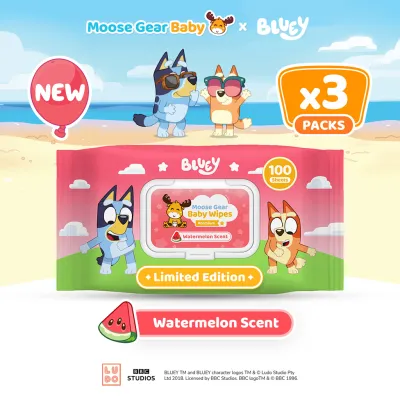
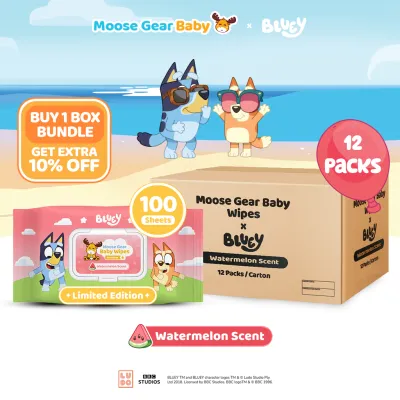
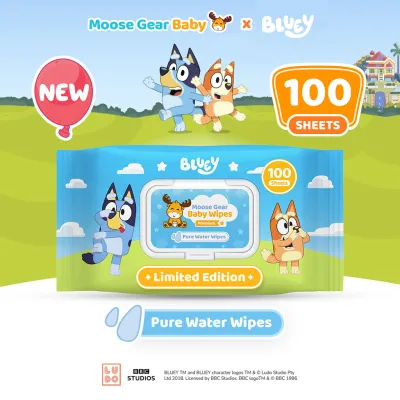
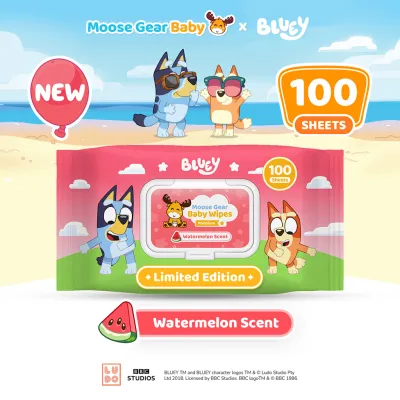
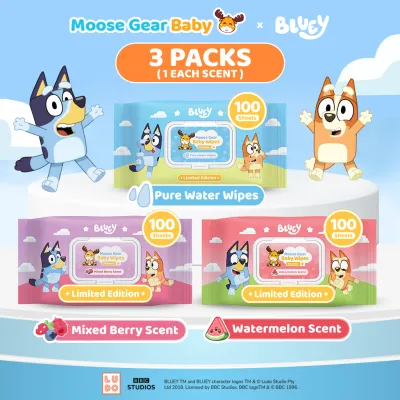

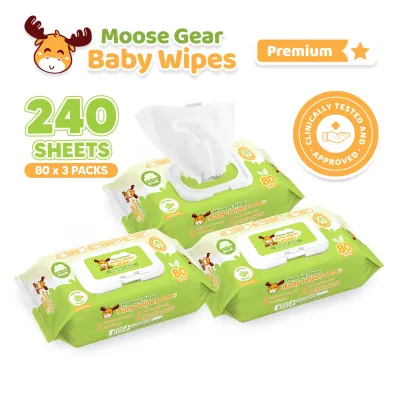
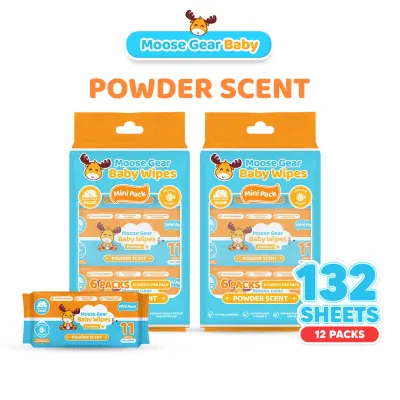
Prices are valid at publication and may change. Please refer to the product page for the latest price.

Alcohol-free and paraben-free declarations are equally vital. Alcohol can rapidly dry out delicate skin, especially in high-humidity environments where the skin barrier is already prone to friction and heat rash. Parabens, used as preservatives, are widely avoided in modern baby care due to concerns over skin sensitization. Parents should also look for pH-balanced formulations that align with the skin’s natural, slightly acidic surface, helping to maintain the acid mantle that protects against harmful bacteria.
Water purity is another foundational element of a high-quality wipe. Formulations utilizing purified water or reverse osmosis (RO) water ensure that potential contaminants, minerals, and micro-impurities are filtered out before the liquid touches your baby’s skin. Additionally, many brands incorporate soothing agents such as aloe vera or chamomile to help calm irritation. However, parents of highly sensitive infants should remain cautious, as even natural botanical extracts can occasionally trigger allergic contact dermatitis.
Moose Gear Bluey vs. Popular Alternatives: A Label and Spec Comparison
Comparing Moose Gear Bluey wipes to other mainstream brands in the Philippines involves a systematic look at packaging specifications rather than relying on unverified performance claims. Because product formulations can change over time, parents should physically inspect the packaging or verify high-resolution product images on ecommerce platforms to confirm the exact ingredient lists and material details before purchasing.
Ingredient Lists and Potential Irritants
A practical rule of thumb when decoding ingredient lists is that fewer ingredients generally translate to a lower risk of skin reactions. When comparing the Moose Gear Bluey variant to alternative sensitive-skin wipes, count the total number of components listed on the back of the pack. Minimalist formulations with very short lists leave fewer opportunities for a baby’s skin to react negatively to a complex chemical mixture.
Pay close attention to the preservatives used in the formulation. Because wet wipes are moist and stored in warm, tropical conditions, they require preservatives to prevent the growth of harmful bacteria and mold. However, some preservatives, such as phenoxyethanol or sodium benzoate, are tolerated differently by different skin types. Scan the label to identify which preservatives are present and compare them across brands to see which ones your baby tolerates best.
Furthermore, check whether the Bluey variant or its competitors contain any essential oils or synthetic fragrances. While a pleasant scent can make diaper changes more agreeable, added fragrances are among the most common triggers for pediatric skin irritation. If your baby has highly reactive skin or conditions like eczema, prioritizing a strictly fragrance-free alternative over a scented or lightly fragranced option is generally the safer approach.
Wipe Texture, Thickness, and Moisture
The physical properties of a baby wipe play a significant role in skin health, as friction from wiping can damage a delicate skin barrier. Inspect the packaging for details on the material composition, such as polyester blends, viscose, or plant-based fibers. Viscose and high-quality plant-based fibers are typically softer and less abrasive than synthetic polyester, reducing the risk of mechanical irritation during cleanups.
Wipe thickness is another important factor that influences both usability and skin comfort. Thicker wipes provide a more effective barrier between your hand and the mess, preventing tearing and reducing the total number of wipes needed per diaper change. Fewer wipes used means less repetitive friction on your baby’s skin, which is crucial for preventing diaper rash in warm, humid weather.
Moisture retention must also be balanced carefully. A wipe needs to be wet enough to lift stool and urine effectively without requiring excessive rubbing. However, if a wipe leaves the skin dripping wet, the excess moisture can pool in the skin folds, leading to maceration—a condition where the skin softens and breaks down, making it highly susceptible to fungal infections. Look for wipes that leave the skin clean and slightly damp, allowing it to air-dry quickly.
Safe Testing and Transitioning Routine for Your Baby
When introducing any new baby wipe, including the Moose Gear Bluey variant, establishing a safe transitioning routine is essential for protecting sensitive skin. Even products labeled as hypoallergenic or dermatologist-tested can cause unexpected reactions. A controlled patch test is the most reliable way to verify compatibility before using a new product during regular diaper changes.
To perform a patch test, take a single wipe from the new pack and gently pat it onto a small, discreet area of your baby’s skin, such as the inner forearm or the upper thigh. Do not rub the skin vigorously. Allow the area to dry naturally and monitor it closely over the next 24 hours. Keep the area clean and avoid applying other new lotions or creams during this testing window so you can isolate any potential reaction.
During and after the 24-hour observation period, watch for clear warning signs of skin irritation. These include localized redness, dry or flaky patches, small raised bumps, peeling, or signs of discomfort such as your baby pulling away or crying during application. If any of these signs appear, discontinue use immediately, wash the area with clean water, and return to your previous trusted cleaning method.
If the irritation is severe, spreads beyond the test area, or does not improve within a few days of discontinuing the product, consult a pediatrician or a pediatric dermatologist. Professional medical advice should always be sought if your baby develops open sores, blistering, or signs of infection, rather than attempting to treat the condition with various over-the-counter creams or alternative wipe brands.
Decision Framework: Which Wipe Fits Your Baby's Needs?
To help you decide which baby wipe best suits your household, consider this condition-based framework tailored to different skin needs and preferences:
- Choose Moose Gear Bluey if: Your baby's skin successfully tolerates the specific ingredients listed on the packaging, and you appreciate the appealing character-themed design, which can help make potty training or messy toddler cleanups more engaging. This option is suitable if the price per sheet in ₱ aligns with your ongoing household budget for daily-use baby essentials.
- Choose a Strictly Fragrance-Free Alternative if: Your baby has a documented history of skin sensitivity, eczema, or reactions to botanical extracts, essential oils, and added scents. In these cases, a minimalist formulation with the fewest possible ingredients is highly recommended to minimize the risk of contact dermatitis.
- Verify First if: The product packaging lacks a complete, transparent ingredient list, or if the brand makes unverified medical or therapeutic claims. Always consult your pediatrician first if your baby has a diagnosed skin condition that requires specialized, medical-grade care.
Frequently Asked Questions (FAQ)
Do character-themed wipes contain unsafe inks on the wipe itself?
Character themes, such as the Bluey designs, are almost exclusively printed on the outer plastic packaging of the product rather than on the actual wet wipes inside. The wipes themselves are typically plain white to avoid introducing unnecessary dyes or pigments to your baby’s skin. However, parents should always inspect the product packaging to confirm that no inks, dyes, or decorative prints are present on the actual wipe material, particularly when purchasing wipes intended for newborns or infants with highly reactive skin.
How many ingredients should a sensitive skin wipe ideally have?
While there is no official regulatory limit or magic number, wipes formulated for highly sensitive skin generally feature very short ingredient lists, sometimes containing as few as two to five components. A shorter list makes it much easier for parents to identify and isolate potential allergens. However, the safety and gentleness of a wipe depend on the specific chemical properties and concentrations of the ingredients used, as well as your baby’s individual allergies, rather than the total ingredient count alone.

Community discussion
Share your experience or ask a question. Comments are reviewed before publication.