
Quick Answer: Which Diaper Brand Suits Your Baby?
Finding the right diaper for your baby in the Philippines requires balancing several practical factors, including tropical humidity, skin sensitivity, and household budgeting. There is no single brand that performs best for every infant, as the ideal choice depends entirely on your baby’s current developmental stage, physical proportions, and skin tolerance.
Generally, the four brands occupy distinct positions in the market. Moon focuses on premium, ultra-thin construction designed for high breathability in warm climates. Pampers and Huggies offer versatile, widely accessible product lines ranging from standard everyday protection to highly absorbent overnight options. Equator serves as a highly practical, budget-conscious choice for families prioritizing economical daytime diapering.
Because baby anatomy and skin chemistry vary significantly, a diaper that fits one infant perfectly may cause leaks or irritation on another. Parents are encouraged to start with small-batch trial packs before buying in bulk. Always inspect the product packaging for the most up-to-date material specifications, weight limits, and manufacturer safety warnings.
Products mentioned in this guide
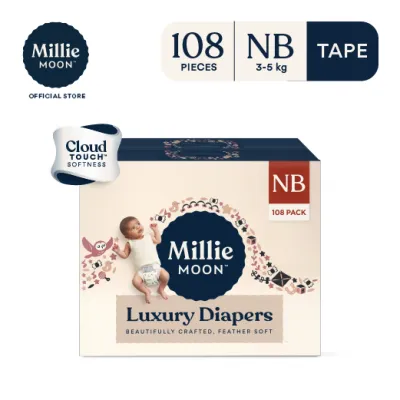
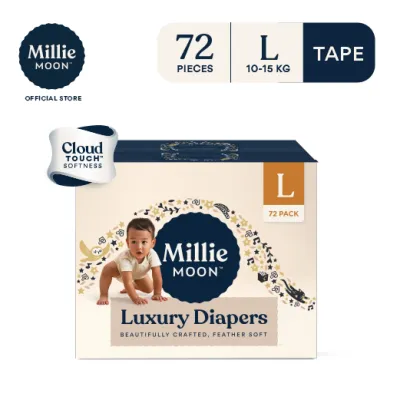
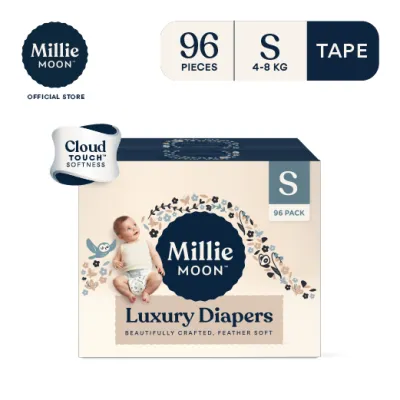
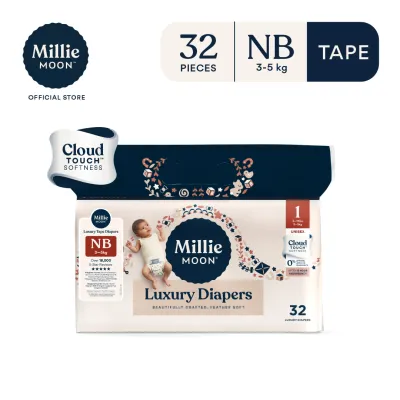
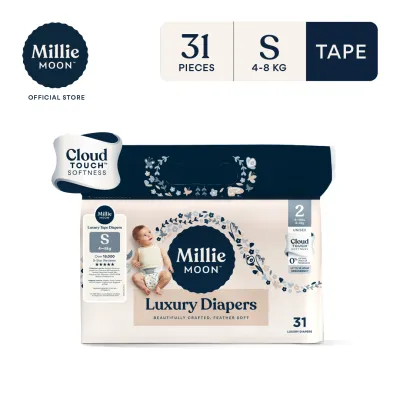
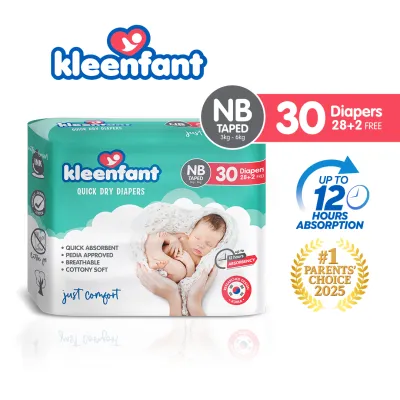
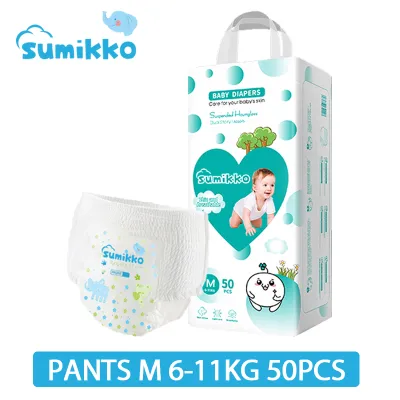
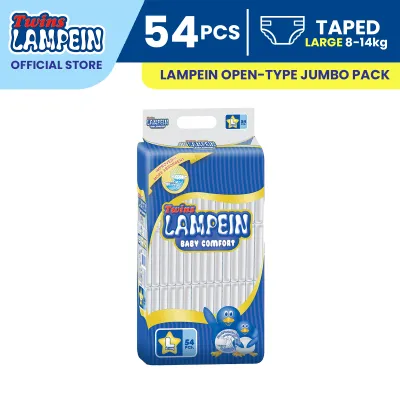
Prices are valid at publication and may change. Please refer to the product page for the latest price.
Absorbency and Leak Protection Compared
Diaper absorbency relies on a combination of Superabsorbent Polymers (SAP) and an Acquisition Distribution Layer (ADL). The ADL quickly draws liquid away from the surface, while the SAP particles lock the moisture into a gel, preventing it from pressing back against your baby’s skin. When comparing Moon, Pampers, Equator, and Huggies, understanding how these layers function in real-world scenarios is key to preventing nighttime leaks and daytime dampness.

When evaluating these brands, look closely at the specific performance claims printed on the packaging. Many premium lines advertise “12-hour dryness” or “overnight protection,” which typically indicates a higher concentration of SAP. Additionally, check for wetness indicators—color-changing strips on the outside of the diaper—and double-layered leg cuffs, which act as physical hydrophobic barriers to contain sudden blowouts.
To evaluate absorbency performance at home, you can use a simple three-step observation framework:
- The Press Test: After your baby has worn the diaper for three hours, gently press a dry, clean paper towel against the inner lining. If the towel remains dry, the core is successfully locking away moisture; if dampness transfers, the surface dry-touch layer may be saturated.
- Core Integrity Check: Feel the diaper after it has been soiled. Note whether the absorbent core remains flat and uniform, or if it bunches, sags, or splits into heavy clumps between your baby's legs, which can restrict movement and cause leaks.
- Leak Pattern Logging: Keep track of when and where leaks occur. Leaks at the waist during sleep often point to insufficient front-core absorbency, while leaks at the thighs during play suggest the leg cuffs are failing to contain liquid before the core can absorb it.
Matching absorbency to your baby’s developmental stage is crucial. Newborns pass frequent, loose stools that require a textured top sheet to trap solids quickly. Active toddlers, on the other hand, require a highly resilient absorbent core that can withstand the physical pressure of sitting, crawling, and walking without squeezing liquid back out.
Fit, Comfort, and Sizing Differences
A diaper’s ability to prevent leaks is only as good as its fit. The physical structure of a diaper—including waistband elasticity, leg cuff tension, and the overall cut—determines how well it accommodates your baby’s movements. A diaper that is too tight can restrict breathing and digestion, while one that is too loose will inevitably sag and leak under the weight of liquid.
Different brands utilize varying design profiles to secure a proper fit. Some diapers feature highly elastic, 360-degree stretch waistbands that mimic underwear, which are often preferred for older, active toddlers who resist standing still during changes. Other designs rely on adjustable tape tabs with flexible side ears, allowing for precise customization around narrower waists or wider hips.
To ensure your baby is comfortable and secure, perform these three physical checks during every change:
- The Two-Finger Rule: Slide two fingers easily between the fastened waistband and your baby's stomach. If the space is too snug, the diaper is fastened too tightly; if there is excess gap, tighten the tabs or downsize.
- The Leg Cuff Flare: Run your finger along the inner and outer leg elastics. Ensure the outer frills are flared outward rather than tucked inward, as tucked cuffs are a primary cause of leg-area leaks.
- The Red Mark Inspection: Upon removing a soiled diaper, inspect your baby's skin. Deep red indentations around the waist or thighs indicate that the elastics are too tight, signaling that it is time to transition to a larger size or a roomier cut.
Sizing standards are not uniform across different manufacturers. A “Medium” diaper from Moon may have a completely different physical cut, waistband tension, and weight range than a “Medium” from Pampers, Equator, or Huggies. Always consult the specific weight and sizing chart printed on each brand’s packaging rather than relying on age-based assumptions.
Skin Gentleness and Breathability
In the tropical climate of the Philippines, high temperatures and humidity make skin care a primary concern for parents. When moisture and heat are trapped inside a diaper, the skin barrier weakens, making it highly susceptible to friction, chafing, and diaper rash. Selecting a diaper with excellent air circulation is vital for maintaining skin integrity.
To evaluate a diaper’s breathability, look for back sheets constructed with micro-pores that allow hot air and vapor to escape while keeping liquid safely contained. For skin gentleness, inspect the packaging for specific certifications, such as dermatological testing labels or hypoallergenic declarations. Verify whether the materials are free from added fragrances, elemental chlorine bleaching, and synthetic lotions, as these additives can trigger allergic contact dermatitis in sensitive babies.
Because every baby’s skin chemistry is unique, a diaper that is perfectly gentle for one infant may cause a localized reaction in another. Conducting a short trial of three to five days with a small pack is the most reliable way to monitor how your baby’s skin responds to a specific brand’s materials and adhesives.
Regardless of the brand you choose, consistent hygiene practices are far more influential in preventing diaper rash than the diaper itself. Implement these essential daily care steps:
- Frequent Changing: Change the diaper immediately after every bowel movement, and at least every three to four hours during the day, even if the diaper does not appear fully saturated.
- Gentle Cleansing: Clean the diaper area using lukewarm water and a soft cloth, or alcohol-free, fragrance-free baby wipes. Avoid vigorous rubbing, which can micro-tear the skin.
- Air Drying: Allow the skin to dry completely before putting on a fresh diaper. Whenever possible, let your baby enjoy a few minutes of diaper-free time to let the skin breathe.
- Barrier Protection: Apply a thin layer of zinc oxide or petroleum-based barrier ointment to shield the skin from urine and stool enzymes.
If you notice persistent redness, raised bumps, broken skin, or if your baby exhibits signs of extreme discomfort that do not improve within 48 to 72 hours of diligent care, stop using the diaper brand immediately and consult a qualified pediatrician.
Price, Availability, and Value in the Philippines
Managing household expenses in the Philippines requires a careful analysis of the cost per piece (CPP) of diapers, rather than simply looking at the retail price of a single pack. Because diaper pack sizes and piece counts vary widely across brands and lines, calculating the CPP is the only accurate way to determine long-term value.
To calculate the CPP, use this simple formula:
$$\text{Cost Per Piece (CPP)} = \frac{\text{Total Retail Price of the Pack}}{\text{Total Number of Diapers in the Pack}}$$
The four brands generally fall into three distinct pricing tiers in the local market:
- Premium Tier: Moon typically sits in this category, offering specialized ultra-thin designs and premium materials at a higher cost per piece. This tier is often selected by parents prioritizing specialized breathability for sensitive skin.
- Mid-to-Premium Tier: Pampers and Huggies span this range, offering both standard lines and premium, ultra-soft lines. This allows parents to scale up or down based on their budget while maintaining consistent performance.
- Budget-Friendly Tier: Equator is positioned as an accessible, economical option, providing essential absorbency and protection at a lower cost per piece, making it highly popular for high-frequency daytime changes.
Availability also varies by retail channel. Pampers and Huggies are highly accessible, stocked in almost every major supermarket, department store, and local pharmacy across the Philippines. Equator is commonly found in local wholesale markets, regional supermarkets, and discount retail chains. Moon is primarily available through official brand stores on major e-commerce platforms and specialized online baby boutiques.
Prices fluctuate regularly due to seasonal promotions, double-day e-commerce sales, and bulk-buying discounts. To maximize your budget, monitor official retail channels for bundle deals or carton discounts, and always verify current stock availability before making major purchasing decisions.
Decision Framework: How to Choose the Right Brand
To select the diaper brand that best matches your family’s needs, consider your primary performance priorities, your baby’s daily routine, and your monthly budget. Use this conditional framework to guide your decision:
- Prioritizing Breathability and Sensitive Skin: If your baby is highly prone to heat rash (bungang-araw) during the hot, humid months, consider prioritizing brands with ultra-thin, highly breathable micro-pore back sheets and hypoallergenic certifications, such as Moon or the premium soft lines from Pampers and Huggies.
- Prioritizing Heavy Wetting and Overnight Use: If your baby sleeps through the night but frequently wakes up wet, look for diapers with high-capacity SAP cores and robust, double-layered leg cuffs. Premium overnight lines from Huggies or Pampers are specifically engineered to handle high volumes of liquid over extended periods.
- Prioritizing High-Frequency Daytime Changes: If your baby is changed frequently throughout the day, or if you are managing a strict household budget, a highly economical diaper like Equator or standard dry lines from Pampers and Huggies provides reliable basic protection at a highly accessible price point.
- Prioritizing Active Toddlers: For babies who are constantly crawling, standing, or walking, look for diapers with high waistband elasticity and 360-degree stretch pant designs that move with the body and resist sagging.
Remember that your baby’s diapering needs will evolve. A brand that works perfectly for a stationary newborn may not provide the secure fit required for an active toddler. Start by purchasing small trial packs to test the fit, absorbency, and skin compatibility in your home environment before committing to large carton purchases.
Frequently Asked Questions (FAQ)
Can I mix different diaper brands for day and night use?
Yes, mixing diaper brands is a highly effective, cost-saving strategy used by many parents in the Philippines. You can use an affordable, highly breathable diaper for frequent daytime changes when you can monitor and change your baby immediately. For overnight sleep, transition to a premium, high-capacity diaper designed for extended wear to ensure uninterrupted rest. Always monitor your baby’s skin to ensure that switching between different materials and adhesives does not cause friction or localized irritation.
How do I know if a diaper is too small or too large for my baby?
A diaper is too small if you notice deep red marks or indentations on your baby’s waist or thighs, if the waistband sits well below the belly button, or if the tape tabs do not easily reach the center fastening zone. Conversely, a diaper is too large if there are visible gaps around the legs or waist when your baby moves, or if you experience frequent leaks despite the diaper not being fully saturated. Always refer to the manufacturer’s weight guidelines on the packaging to adjust the size as your baby grows.

Community discussion
Share your experience or ask a question. Comments are reviewed before publication.