
Finding the ideal diaper for your baby in the Philippines is rarely about finding a single, globally undisputed winner. Instead, it is a practical balancing act that depends heavily on your baby’s unique anatomy, their level of physical activity, the sensitivity of their skin, and your family’s daily caregiving routine. The tropical climate adds an extra layer of complexity, as high humidity and heat require careful consideration of breathability and frequent changes.
When comparing the four prominent brands in the local market, each demonstrates a distinct design philosophy and target audience. Pampers is widely recognized for its slim profile, rapid liquid distribution, and advanced core technology, making it a popular choice for active babies and overnight wear. Huggies is frequently favored for its robust, highly elastic waistbands and secure pocket designs that help contain messy blowouts, particularly for babies with chunkier builds. The moon diaper has gained traction among parents looking for bulk value, offering reliable standard daytime performance that supports a regular changing schedule without high costs. Equator serves as an exceptionally accessible, budget-friendly option designed for frequent daytime swaps, helping families maintain hygiene on a strict household budget.
Rather than committing immediately to a massive supply of any single brand, you can use this comparative analysis to align a diaper’s specific design strengths with your baby’s current developmental stage and physical proportions.
Products mentioned in this guide
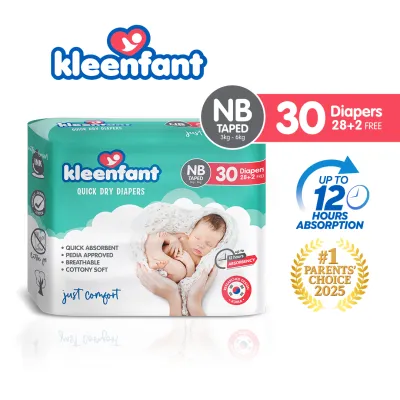
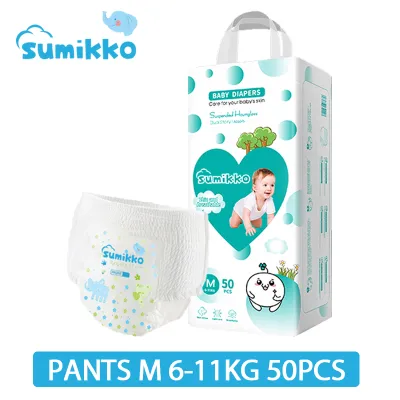
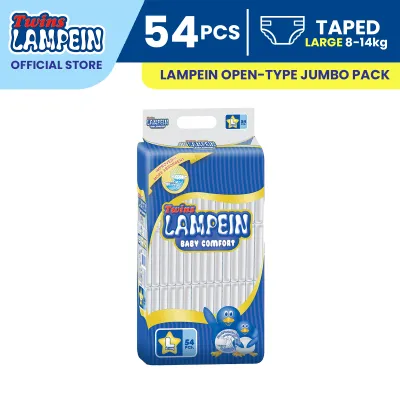
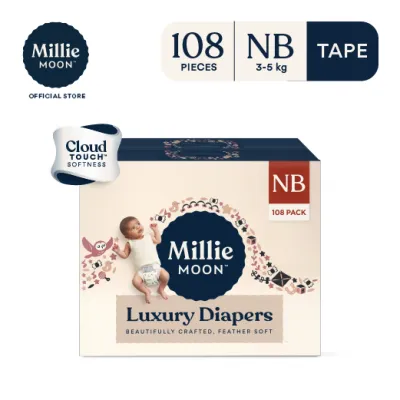
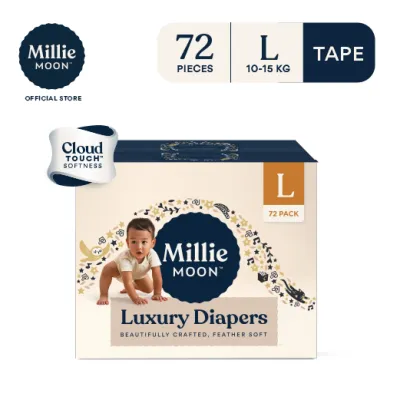
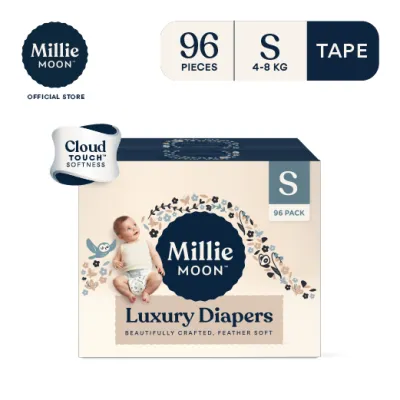
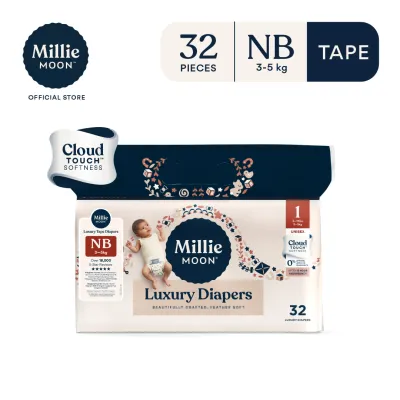
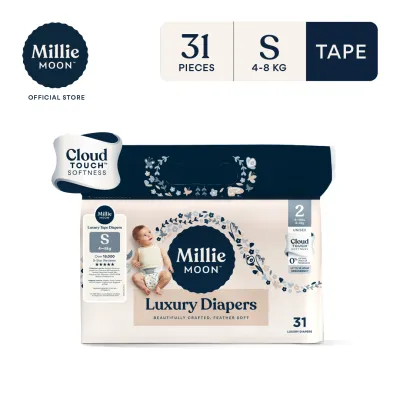
Prices are valid at publication and may change. Please refer to the product page for the latest price.
Comparing Absorbency and Leak Protection of the Moon Diaper and Competitors
To understand how these brands perform under pressure, it is essential to look at the engineering of their absorbent cores. Premium diaper lines, such as those from Pampers and Huggies, typically feature advanced superabsorbent polymer (SAP) layouts and specialized distribution channels. These channels are designed to quickly draw liquid away from the surface and distribute it evenly throughout the core, preventing the diaper from sagging or clumping in one spot. This rapid distribution is highly beneficial for overnight sleep, where prolonged wetness can disturb your baby’s rest.
In contrast, brands like the moon diaper and Equator generally rely on more traditional, slightly thicker pulp-and-SAP mixed cores. While these traditional structures are highly effective at absorbing liquid, they do not always distribute wetness as rapidly or evenly as channel-based systems. This means the diaper may bunch up or feel heavier in the center once wet, making them highly suitable for standard daytime use where you are changing the diaper every few hours anyway, but potentially less optimal for uninterrupted twelve-hour overnight stretches.
Beyond the core, leak protection relies heavily on physical barriers. When evaluating any diaper, inspect the height, elasticity, and structure of the leg cuffs, also known as leg gathers. These cuffs should stand upright and wrap snugly around your baby’s thighs to act as a dam against liquid. Huggies and Pampers often feature double-layered leg gathers with high elasticity, which provide an extra layer of security during active play. The moon diaper and Equator also feature leg gathers, but caregivers should manually run a finger along the inside of the cuff after fastening to ensure they are fully flared outward and not tucked inward, which is a common cause of leaks.
Another critical feature to compare is the back leak barrier or waistband pocket. Some diaper lines include a small pocket or elastic barrier at the back waistband specifically designed to catch runny stools before they escape up the baby’s back. This is a common design feature in Huggies diapers, making them highly effective for young, breastfed infants whose stools are typically more liquid.
Finally, the wetness indicator line is a convenient tool found on many modern diapers, including premium and value lines alike. This line uses a pH-sensitive dye that changes color—usually from yellow to blue-green—when exposed to moisture. While highly useful, parents in highly humid regions of the Philippines should note that ambient air moisture can sometimes cause the indicator to change color slightly even before the baby has used the diaper. It is always best to verify wetness by gently feeling the weight and bulk of the diaper core rather than relying solely on the visual indicator.
Evaluating Fit and Breathability for Tropical Weather
The hot and humid climate of the Philippines makes diaper fit and breathability critical factors in maintaining your baby’s skin health. A diaper that traps heat and sweat can quickly lead to heat rash (miliaria) or friction sores. Therefore, understanding the construction of the waistband, fastening tabs, and backsheet materials is just as important as evaluating absorbency.

Waistband and fastening designs vary significantly across these four brands. Huggies is well-known for its highly elastic, stretchy waistbands and flexible grip tabs, which conform easily to active, moving babies and accommodate rounder bellies or chunkier thighs. Pampers, on the other hand, often emphasizes a more contoured, streamlined fit with highly stretchable side panels that minimize bulk around the hips. The moon diaper and Equator typically utilize standard adjustable tape tabs on a flatter backsheet design. While these classic tape systems are highly functional and allow for precise adjustments, they may offer less overall stretch, requiring caregivers to be more precise when positioning the tabs to avoid restricting the baby’s movement.
The breathability of a diaper is determined primarily by its outer layer, known as the backsheet. High-quality diapers use micro-porous backsheets that allow air to circulate and moisture vapor to escape while keeping liquid safely contained inside. When shopping, parents should physically feel the outer layer of the diaper. A soft, cloth-like texture generally indicates better breathability and airflow than a stiff, plastic-like outer cover, which is more prone to trapping heat. Premium lines from Pampers and Huggies frequently highlight advanced breathable membranes on their packaging, whereas budget-friendly options like Equator may use simpler materials that require more frequent monitoring to prevent sweat buildup.
Achieving the correct balance between a snug fit and comfortable movement is essential. A diaper that is fastened too tightly can cause painful friction marks, restrict breathing, and trap sweat against the skin. Conversely, a diaper that is too loose will inevitably result in leaks around the legs and waist. Caregivers must remember that the weight ranges printed on diaper packaging are general guidelines compiled by manufacturers. Because every baby has a unique body shape—some have long torsos, while others have thicker thighs or rounder bellies—a diaper that fits one baby perfectly might cause leaks or red marks on another of the exact same weight.
When transitioning between sizes, look for signs that your baby is outgrowing their current diaper. If the fastening tabs must be secured at the very outer edges of the landing zone, if the waistband sits significantly below the belly button, or if you notice persistent red marks around the thighs, it is time to move up to the next size, even if your baby’s weight is still within the lower limit of the current size’s printed range.
Skin Gentleness and Diaper Rash Prevention
A baby’s skin is significantly thinner and more delicate than adult skin, making it highly susceptible to irritation and diaper rash (irritant contact dermatitis). The layer of the diaper that directly touches your baby’s skin, known as the top sheet, plays a vital role in maintaining skin dryness. Brands engineer these top sheets with various textures, such as 3D embossed patterns or honeycomb structures, designed to minimize the surface area in contact with the skin and quickly channel liquid into the absorbent core.
Many diaper packages feature marketing claims such as “hypoallergenic,” “dermatologically tested,” or “infused with aloe vera lotion.” It is important for parents to understand that these terms are not standardized medical certifications; rather, they indicate that the manufacturer has designed the product to minimize common allergens. While lotion-infused top sheets can provide a soothing barrier for some babies, additives like fragrances or botanical extracts can occasionally trigger contact sensitivity in infants with highly reactive skin. If your baby has known skin sensitivities, it is highly recommended to inspect the packaging carefully and opt for fragrance-free, plain top sheets.
It is a common misconception that diaper rash is caused solely by the diaper brand itself. In reality, diaper rash is primarily triggered by prolonged exposure to moisture, friction from movement, and the chemical irritation caused by the mixing of urine and stool, which alters the natural pH of the baby’s skin. When skin remains wet for too long, its natural protective barrier breaks down, making it highly vulnerable to chafing and yeast infections. Therefore, the most effective strategy for preventing diaper rash is maintaining a frequent and consistent changing schedule, regardless of the brand you choose.
In the tropical heat of the Philippines, diaper changes should be accompanied by gentle cleaning practices. Avoid harsh rubbing with scented wipes; instead, use lukewarm water and a soft cloth, or alcohol-free, fragrance-free wipes. Whenever possible, allow your baby’s skin to air-dry completely before fastening a fresh diaper. Applying a thin layer of a zinc oxide-based barrier cream can also help protect the skin from moisture. If you notice a rash that persists for more than a few days, worsens despite frequent changes, or displays signs of infection such as blisters, pus, or extreme tenderness, stop trying different diaper brands and consult a qualified pediatrician for a proper diagnosis and treatment plan.
Decision Framework: Which Brand Should You Choose?
To help you navigate the crowded diaper market in the Philippines, this decision framework categorizes the four brands based on specific parenting priorities, household budgets, and baby characteristics.
Choose Pampers if:
- You prioritize a slim, lightweight diaper profile that does not bunch up under your baby's clothing.
- Your baby is highly active, crawling, or walking, and you require rapid liquid absorption to prevent wetness from clinging to the skin.
- You have a flexible household budget and are willing to pay a premium price per piece for advanced core technology and reliable overnight performance.
Choose Huggies if:
- Your baby has a chunkier physical build, thick thighs, or a round tummy that requires a highly elastic, stretchy waistband for a comfortable fit.
- You frequently experience "blowouts" or leaks at the back of the diaper, making a secure back pocket or elastic waistband barrier a top priority.
- You want a robust diaper designed to withstand vigorous movement during active daytime play.
Choose Moon if:
- You are looking for a reliable moon diaper option that offers solid bulk value, allowing you to buy in larger quantities to optimize your diaper budget in Philippine Pesos (₱).
- You need a dependable, standard-performing diaper for daytime use that handles regular wetting without immediate sagging.
- Your baby has standard body proportions and does not require highly specialized elastic waistbands or ultra-slim profiles.
Choose Equator if:
- You prioritize affordability and are looking for a highly budget-friendly diaper option, often costing fewer Philippine Pesos (₱) per piece in local supermarkets.
- You practice a very frequent daytime changing routine, making high-priced premium diaper features unnecessary for your daily schedule.
- You want an accessible diaper that allows you to maintain optimal hygiene through frequent swaps without financial strain.
Verify first if:
- Your baby has highly reactive skin, eczema, or a history of severe diaper rash. In these cases, always check the packaging for fragrance-free and hypoallergenic designations, and consult your pediatrician before introducing a new diaper brand to your routine.
How to Test and Verify the Best Fit at Home
Before committing to a large bulk purchase of any new diaper brand, it is highly practical to conduct a low-risk trial at home. Purchasing the smallest available travel pack, or exchanging a few sample diapers with friends or parenting groups, allows you to test the fit and performance without significant financial commitment.
Once you place a new diaper on your baby, apply the Two-Finger Rule to verify the waistband tension. After fastening the adhesive tabs, you should be able to comfortably slide two fingers between the diaper waistband and your baby’s tummy. If the space is too tight, the diaper may cause discomfort and restrict breathing; if it is too loose, liquid is highly likely to escape from the top.
Next, monitor your baby’s skin closely during the first few days of testing. After removing a wet diaper, check the waist and thigh areas for red marks. While slight, temporary skin indentations from the elastic are normal and comparable to the marks left by adult socks, deep, angry red marks or chafing indicate that the diaper is either fastened too tightly, the size is too small, or the physical cut of the brand is incompatible with your baby’s body shape.
Finally, evaluate the structural integrity of the diaper when it is fully wet. Observe how the absorbent core behaves after several hours of wear. A high-performing diaper core should remain relatively flat and intact; if the diaper sags excessively down to the baby’s knees, bunches up into hard lumps between their legs, or feels noticeably damp on the fabric-like outer backsheet, it is a clear sign that the absorbent structure is struggling to manage your baby’s output volume. In such cases, switching to a brand with more advanced channel technology or upgrading to the next size up may resolve the issue.

Community discussion
Share your experience or ask a question. Comments are reviewed before publication.