
Raising a baby in a tropical climate like the Philippines presents unique parenting challenges, especially when choosing the right diaper. High humidity and year-round warmth mean that diaper breathability and fit are essential factors in maintaining healthy skin. With so many options lining the shelves, parents often find themselves torn between household names.
The search for the “best” diaper is rarely a one-size-fits-all decision. A diaper that works perfectly for a lean, active toddler might cause leaks or red marks on a chubbier infant. Similarly, a budget-friendly option that is ideal for frequent daytime changes might not hold up through a long night of sleep. Ultimately, the right choice depends on your baby’s unique body shape, skin sensitivity, and your family’s monthly budget.
This guide compares four prominent diaper brands available in the market: Mommy Poko, Pampers, Huggies, and Equator. By examining their observable design philosophies, fit characteristics, and value propositions, you can make an informed decision. Additionally, we will explore how to safely navigate online marketplaces to find authentic products from verified sources like the Mommy Poko official store, ensuring your baby gets the quality they deserve.
Products mentioned in this guide
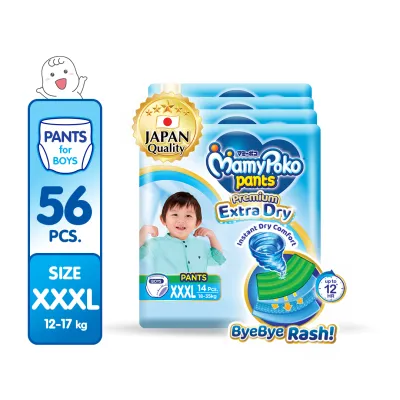
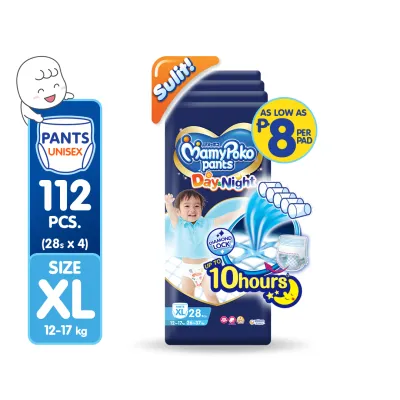
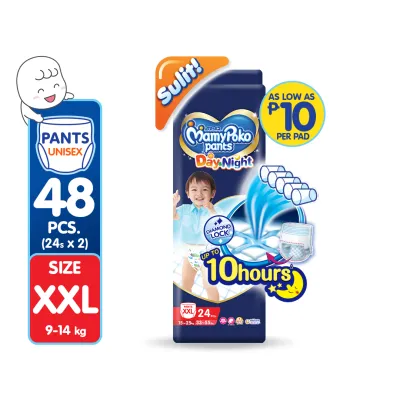
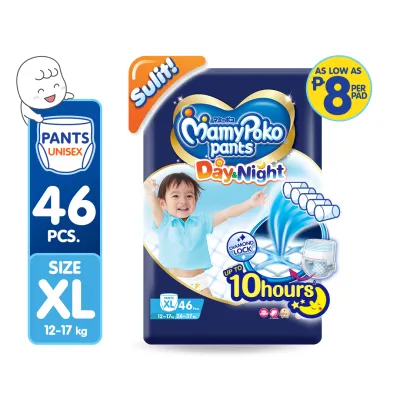
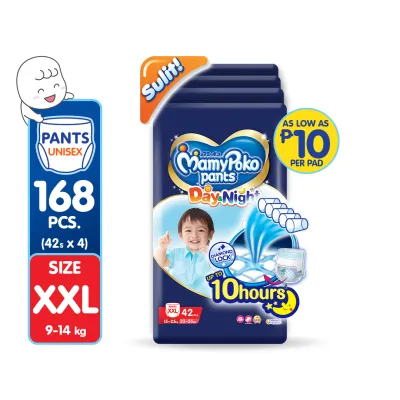
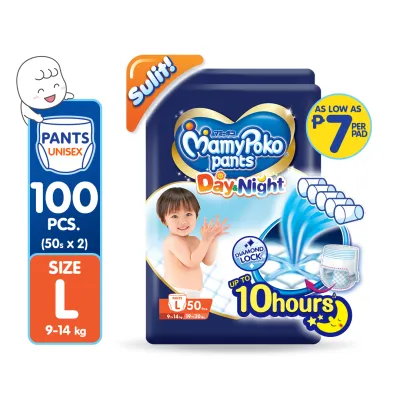
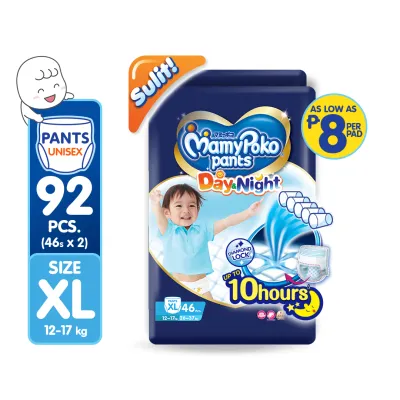
![[MEGA BOX] MAMYPOKO Day & Night Baby Disposable Pants Diaper - XXXL 20pcs x 4 Packs](https://img.lazcdn.com/g/p/5d85c853114a3108828b10e392f8c49e.png_400x400q80.png_.webp)
Prices are valid at publication and may change. Please refer to the product page for the latest price.
Core Criteria for Choosing the Right Diaper
Before comparing specific brands, it is crucial to understand the key performance indicators of a high-quality disposable diaper. The first and most critical factor is absorbency and leak protection. A diaper must not only absorb liquid quickly but also distribute it evenly across the core to prevent sagging. Look closely at the design of the inner channels and the height of the double leg gussets, which act as physical barriers against side leaks.
Fit and flexibility represent the second major pillar of diaper selection. As babies reach developmental milestones like rolling, crawling, and walking, their diapers must stretch and flex with their movements. A well-designed waistband should offer secure elasticity without digging into the baby’s soft skin, while the leg cuffs must provide a snug seal that prevents gaps during active play.
Finally, skin comfort and breathability are paramount, particularly in warm climates. High humidity can trap moisture inside the diaper, creating a breeding ground for irritation. Parents should look for soft, cloth-like outer covers that allow air circulation, textured inner liners that minimize direct skin contact with wetness, and reliable wetness indicators that signal exactly when a change is needed.
Comparing Mommy Poko, Pampers, Huggies, and Equator
Each diaper brand approaches these core criteria with a slightly different design philosophy. Understanding these subtle differences in construction and intent can help you narrow down your choices before committing to a large box or bulk purchase.

Mommy Poko
Mommy Poko is widely recognized for its emphasis on gentle, cloud-like softness and exceptionally stretchable waistbands, particularly in their pants-style diapers. This design focus makes them a popular choice for active babies who require a high degree of flexibility around the midsection. When shopping, it is important to check the specific product packaging, as their product lines vary significantly in thickness and absorbency layers. Some variants are specifically engineered with extra-absorbent cores for overnight use, while others feature a thinner, more breathable profile optimized for daytime wear in warm weather.
Pampers
Pampers frequently centers its design philosophy on long-lasting dryness and a contoured, lightweight fit. Many of their variants feature unique air channels designed to distribute wetness evenly and keep moisture away from the skin for extended periods. When evaluating Pampers, always verify the specific variant on the packaging, as the surface textures, lotion infusions, and leg cuff elasticity can differ greatly between their basic dry lines and their premium care selections. This variation allows parents to choose a product tailored to their baby’s specific skin sensitivity.
Huggies
Huggies is highly regarded for its structural innovations, particularly the inclusion of pocketed waistbands designed to trap runny messes at the back and prevent dreaded blowouts. Their diapers often feature robust, adjustable fastening tabs and highly secure leg guards that provide an extra layer of defense for active infants. Parents should carefully check the product labels to distinguish between standard and premium Huggies lines, as the premium options often incorporate softer, hypoallergenic materials and more advanced wetness indicator designs.
Equator
Equator is generally positioned as a practical, value-oriented option that appeals to budget-conscious households looking to manage their daily diapering expenses. While they may not feature the high-tech marketing terms of premium brands, they offer straightforward utility for everyday use. When inspecting Equator diapers, take the time to physically check the core thickness, the strength of the tape fastening system, and whether a wetness indicator is present on the specific package size, as these features can vary across different production batches and sizes.
Evaluating Absorbency, Fit, and Skin Comfort
While brand descriptions provide a helpful starting point, the true test of a diaper’s performance happens at home on your baby’s skin. To evaluate the fit, establish a habit of checking your baby’s waist and thighs immediately after removing a used diaper. If you notice red marks, deep indentations, or chafing, it is a clear sign that the diaper is either too small, fastened too tightly, or shaped in a way that does not match your baby’s natural build. In such cases, transitioning to a larger size or a brand with more elastic waistbands is highly recommended.
Assessing absorbency requires a combination of visual observation and physical touch. Pay close attention to the wetness indicator line on the outside of the diaper; a rapid color change indicates that the core is actively drawing moisture away. However, you should also gently feel the outer layer of the diaper and the baby’s skin during a change. If the outer shell feels damp or cold, or if your baby’s skin feels wet to the touch, the diaper’s core may be saturated, suggesting that a more absorbent variant or more frequent changes are necessary.
Skin health is the ultimate indicator of diaper compatibility. Even the most expensive diaper can cause irritation if it does not suit your baby’s unique skin chemistry. Monitor the diaper area closely for any signs of redness, small bumps, or persistent diaper rash. If a rash develops and does not improve with frequent changes and barrier creams, stop using the current brand immediately and consult a pediatrician or qualified healthcare professional to rule out allergic reactions or infections.
Price, Value, and Cost per Diaper
Managing the ongoing cost of diapers is a reality for every family, making it essential to calculate the true value of your purchase rather than relying solely on the upfront price of a box. To do this, always calculate the cost per diaper. Divide the total price of the pack by the number of diapers inside (for example, a pack costing ₱600 containing 50 diapers results in a cost of ₱12.00 per diaper). This simple calculation allows you to make accurate comparisons across different pack sizes, brands, and retail outlets.
Value is also closely tied to diaper performance and usage patterns. A cheaper, thinner diaper might seem like a bargain initially, but if it lacks the absorbency to last more than two hours, you will find yourself changing your baby far more frequently. This increased usage can quickly erase any initial savings. Conversely, a slightly more expensive, highly absorbent diaper that keeps your baby dry for four to five hours during the day can actually reduce your overall diaper consumption, proving more cost-effective over time.
To maximize your budget, take advantage of the dynamic pricing and promotional events common on major ecommerce platforms. Verified brand stores frequently offer bulk discounts, subscription services, and seasonal vouchers that can significantly lower the cost per diaper. By planning your purchases around these promotional windows and buying larger box sizes, you can secure premium protection for your baby without straining your household finances.
Finding Authentic Diapers: Official Stores and Online Malls
With the rise of online shopping, ensuring the authenticity of the baby products you purchase has never been more important. When searching for reliable options, always prioritize verified official stores, such as the Mommy Poko official store or other authorized brand flagship stores, on major online marketplaces. These official channels are typically marked with distinct verification badges, mall guarantees, or official brand logos, giving you peace of mind that you are purchasing genuine, safe products.
Purchasing from unverified third-party sellers carries significant risks, including the danger of acquiring counterfeit or expired diapers. Counterfeit diapers may look similar on the outside but often use substandard materials that lack proper absorbency, contain harsh chemicals, or fail to meet basic safety standards. Red flags to watch out for include unusually low prices that fall far below the market average, damaged or generic packaging, and the absence of clear batch codes, manufacturing dates, or expiration details printed on the plastic wrap.
Buying directly from official brand stores offers several distinct advantages beyond product authenticity. Official channels ensure that the diapers have been stored in clean, temperature-controlled environments, preventing moisture buildup before the package even reaches your home. Furthermore, these stores provide reliable customer support, clear return and exchange policies for unopened packs, and access to fresh stock that complies with the latest manufacturer quality standards.
Decision Framework: Which Brand Fits Your Baby?
Choosing the right diaper brand ultimately comes down to matching your baby’s physical needs and your family’s lifestyle with the unique strengths of each product. If your baby has a chubbier, more active build and requires maximum freedom of movement, prioritize a brand like Mommy Poko, which is celebrated for its highly elastic, non-restrictive waistbands and soft materials.
If your baby is prone to frequent blowouts, particularly during sleep or tummy time, look for a brand like Huggies that incorporates structural features like pocketed waistbands and heavy-duty leak guards to contain messes effectively. For families where budget is the primary driver, especially for daytime use when diapers are changed frequently regardless of wetness, a value-oriented option like Equator can serve as an excellent, cost-effective choice.
Regardless of which brand you lean toward, always prioritize your baby’s skin health and developmental stage. Before purchasing any diaper in bulk, verify the size and weight recommendations on the manufacturer’s packaging, as these guidelines are critical for ensuring a proper fit. If your baby has highly sensitive skin, take the extra step to inspect the ingredient and material labels for hypoallergenic certifications, and always consult a pediatrician if you suspect a specific material is causing skin irritation.
Frequently Asked Questions (FAQ)
How often should I change my baby's diaper to prevent rashes?
For newborns, whose skin is exceptionally thin and sensitive, it is generally recommended to change diapers every two to three hours, or immediately after any bowel movement. As babies grow and their skin becomes more resilient, you can adjust this frequency based on their wetness levels, but you should never leave a wet diaper on for an extended period. Always change the diaper immediately if the wetness indicator shows it is full, or if you notice any sagging, as prolonged exposure to moisture is a primary cause of diaper rash.
Can I mix different diaper brands for day and night use?
Yes, mixing different diaper brands is a highly practical and cost-effective strategy used by many parents. You might choose a lighter, highly breathable, and more affordable diaper for daytime use when you are able to change your baby frequently, and invest in a thicker, premium diaper with superior overnight absorbency to ensure uninterrupted sleep. When adopting this approach, be sure to verify the sizing and fit of both brands independently, as a size medium in one brand may fit differently than a size medium in another.

Community discussion
Share your experience or ask a question. Comments are reviewed before publication.