
Choosing between the Mommy Cozy breast pump and other popular brands in the Philippines depends on matching specific technical specifications to your daily pumping routine. Because individual needs vary based on milk supply, work schedules, and physical comfort, there is no single universal winner. Instead, selecting the right device relies on verifying suction settings, portability, flange sizing, and long-term maintenance costs directly from product labels and manufacturer manuals. This guide provides a structured framework to compare these essential dimensions so you can make a confident, condition-based decision.
Navigating the transition back to work or managing a busy household while breastfeeding requires reliable equipment. In the Philippines, mothers often balance long commutes, humid weather, and varying workplace facilities, making the choice of a breast pump highly personal. By focusing on objective specifications rather than marketing claims, you can identify which device will support your lactation journey over the long term. By examining verified product manuals and manufacturer specifications, you can identify a pump that balances comfort, efficiency, and budget.
Core Features to Compare: Suction, Modes, and Flange Fit
When evaluating the Mommy Cozy breast pump against other popular models, the first technical specification to examine is the range of suction levels and operational modes. Most modern electric pumps offer at least two distinct phases: a stimulation or massage mode and an expression mode. The stimulation mode uses fast, shallow cycles to mimic a baby’s initial latch and trigger the let-down reflex, while the expression mode uses slower, deeper draws to maximize milk removal. You should check the manufacturer’s user manual to verify the exact number of suction levels available in each mode, as a wider range of adjustments allows you to fine-tune the settings to your personal comfort threshold.
Products mentioned in this guide
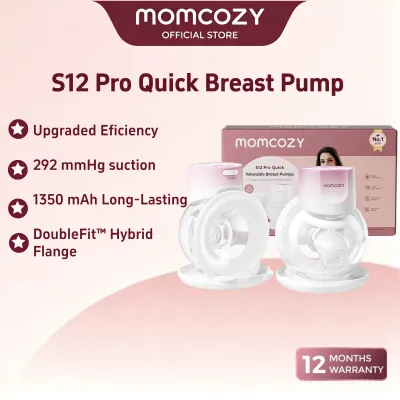
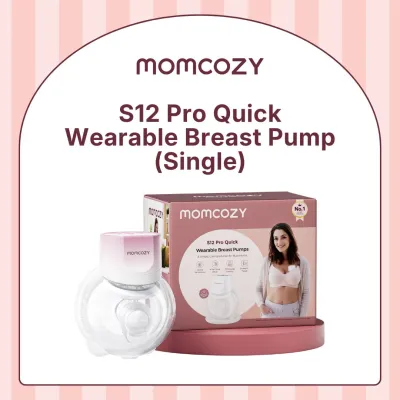
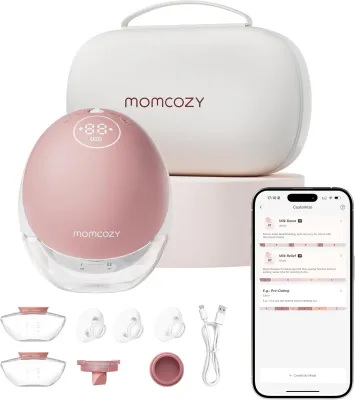
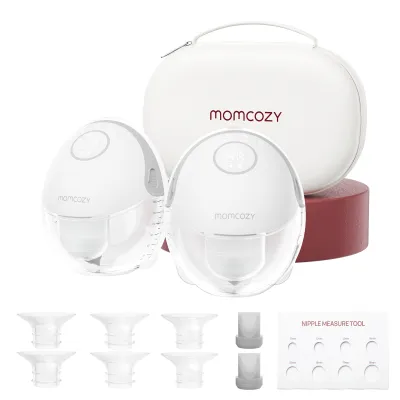
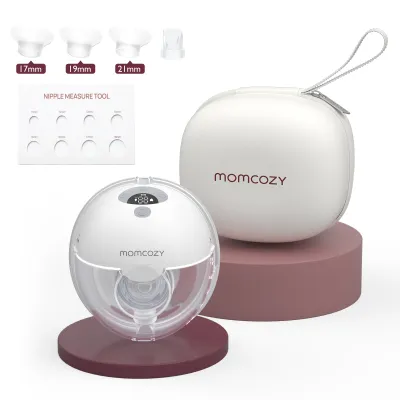
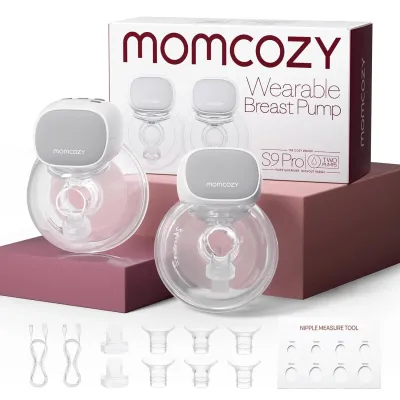
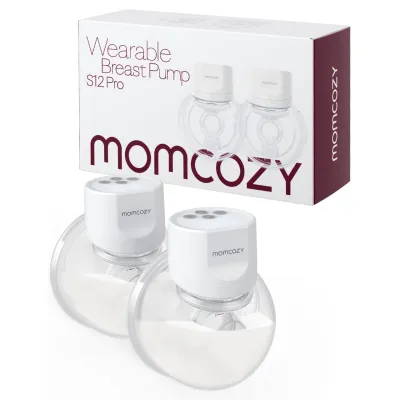
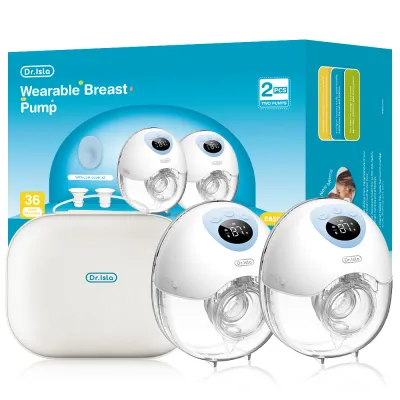
Prices are valid at publication and may change. Please refer to the product page for the latest price.
Suction strength is typically measured in millimeters of mercury (mmHg). While some marketing materials emphasize high suction power, clinical comfort is actually the primary driver of successful milk expression. High suction that causes pain can inhibit the let-down reflex and lead to physical injury. When comparing pumps, look for models that allow you to adjust the vacuum strength incrementally so you can find your maximum comfortable suction level, which may vary throughout the day or across different stages of your breastfeeding journey.
Flange fit is another critical factor that directly impacts both comfort and milk yield. The flange is the funnel-shaped plastic or silicone piece that fits directly over your breast. An improperly sized flange can cause friction, nipple damage, clogged ducts, and reduced milk output. Before purchasing any breast pump, measure your nipple diameter using a sizing ruler, which is often downloadable from reputable lactation websites. Check whether the pump package includes multiple flange sizes or if compatible silicone inserts are readily available for purchase. Many wearable pumps, including various models in the local market, come standard with a 24mm or 27mm flange, but you may need to purchase 19mm, 21mm, or other specific insert sizes to achieve an anatomically correct fit.
Noise level is a practical consideration that is frequently overlooked until the device is in use. If you plan to pump in a quiet office environment, during virtual meetings, or next to a sleeping infant, a loud motor can cause unnecessary stress. Compare the decibel (dB) ratings listed on official product packaging or manufacturer websites. Generally, a noise level below 50 dB is considered quiet enough for discreet use, but you should verify these claims by checking user manuals or official technical specifications rather than relying solely on promotional descriptions.
Portability and Power Options for Different Routines
For mothers in the Philippines who commute daily or travel frequently, the physical design and power source of a breast pump are paramount. Traditional double electric pumps often feature a central motor unit connected to collection bottles via silicone tubing. While these systems are highly reliable, they typically require a nearby electrical outlet or a bulky external battery pack. In contrast, wearable or hands-free pumps integrate the motor, battery, and collection cup into a single unit that fits directly inside a standard nursing bra, offering greater mobility and discretion.

When comparing power options, verify the battery capacity, which is usually measured in milliampere-hours (mAh), and the estimated operating time per full charge. A pump that supports USB-C charging offers significant convenience, as it allows you to recharge the device using standard phone chargers, laptop ports, or portable power banks. This compatibility is especially valuable in areas prone to power interruptions or during long transits where wall outlets are inaccessible. Check the manufacturer’s documentation to confirm how long a full charge takes and whether the device can be operated while plugged into a power source.
The weight and overall footprint of the pump unit will determine how easily it fits into your daily bag. Wearable pumps eliminate external tubing, reducing the risk of snagging or tangling while multitasking. However, because the motor sits directly on the breast, the weight of the unit is supported entirely by your nursing bra. You should verify the weight of each individual pump hub to ensure it does not cause physical strain or require an overly restrictive bra structure to stay securely in place.
Hygiene and device longevity depend heavily on whether the pump utilizes an open or closed system. A closed-system pump features a physical barrier, such as a silicone diaphragm, that prevents milk and moisture from entering the tubing or the motor unit. This design is essential for preventing mold growth and bacterial contamination within the mechanical parts of the pump. Given the high humidity levels in tropical climates like the Philippines, verifying a closed-system design in the product specifications is a crucial step to protect both your baby’s health and the operational life of the motor.
Evaluating Value: What to Check Beyond the Price Tag
A comprehensive comparison of breast pumps must look beyond the initial retail price in ₱ to assess the total cost of ownership. Some lower-priced models may seem highly economical at first glance, but they may not include essential accessories in the box. When reviewing product listings, check exactly what is included in the purchase price. A package that includes multiple flange sizes, spare valves, storage bottle adapters, and a convenient carrying bag can save you from making immediate, costly secondary purchases.
Warranty coverage and local customer support are critical safety nets for an appliance you may use multiple times a day. Electronic devices can experience motor failures, battery degradation, or charging issues over months of continuous use. Before finalizing your purchase, verify the length of the manufacturer’s warranty and check if there is an authorized distributor or service center located in the Philippines. A local warranty ensures that you can obtain a replacement or repair quickly without facing high international shipping fees or prolonged waiting periods during which you would be left without a pump.
Consumable parts, such as silicone duckbill valves, backflow protectors, and diaphragms, degrade naturally over time due to regular use, washing, and sterilization. As these parts stretch or wear down, the pump’s suction power will decrease. You must check the availability and cost of these replacement parts on official online stores or authorized local distributors before choosing a brand. If replacement parts are difficult to source locally or are prohibitively expensive, a pump that was cheap to buy initially may become impractical and costly to maintain over a six-to-twelve-month breastfeeding journey.
Decision Framework: Which Pump Fits Your Pumping Lifestyle?
To make your final decision, map your daily routine and physical requirements against the verified specifications of each pump. The Mommy Cozy breast pump may be the right choice for your situation if its documented suction levels, compact wearable design, and price point in ₱ align with your personal budget and lifestyle. This option is particularly suitable for mothers who prioritize hands-free multitasking around the home or in a private office, provided that compatible replacement parts and correct flange inserts are easily accessible through local online marketplaces.
Conversely, you may want to consider alternative brands if your specific routine demands features that are not supported by the Mommy Cozy specifications. For example, if you are managing a low milk supply or require precise, clinically monitored suction adjustments, a traditional hospital-grade double electric pump with a larger motor and specialized programming may be necessary. Additionally, if your daily commute involves environments where you cannot easily charge a battery, a model that offers dual power options, including standard AA batteries or a direct wall plug, might provide greater peace of mind.
Regardless of the brand you select, physical comfort must remain your primary guide. Always verify your flange size before your first session, and start pumping at the lowest suction setting, gradually increasing it only to your maximum comfortable level. If you experience pain, bruising, or skin irritation, stop using the device immediately and consult a certified lactation consultant or healthcare professional to address potential fit or usage issues.
Frequently Asked Questions (FAQ)
How often should I replace the silicone valves and membranes?
You should consult your breast pump’s user manual for the manufacturer’s recommended replacement schedule, as timelines vary based on usage frequency. Generally, silicone parts like duckbill valves and backflow membranes require replacement every one to three months if you pump multiple times a day. You should also inspect these parts regularly for visible signs of wear, such as tiny tears, stretched edges, or a noticeable drop in suction power, and replace them immediately to maintain optimal performance.
Can I use third-party bottles with the Mommy Cozy breast pump?
To determine if third-party bottles are compatible with your pump, you must verify the thread size and neck width of both the pump connector and the bottle. Many brands use standard wide-neck or narrow-neck designs, but some proprietary shapes require specific adapters to prevent leaks. Before using a new bottle setup with expressed breast milk, perform a test run using plain water over a sink to ensure the connection is completely secure and leak-proof.

Community discussion
Share your experience or ask a question. Comments are reviewed before publication.