
Traveling with an infant or toddler turns a simple journey into a complex logistical operation. Whether navigating a bustling airport terminal, embarking on a long road trip, or exploring a new city, having immediate access to diapers, wipes, bottles, and spare clothes is essential for a smooth trip. A standard handbag or a simple backpack often falls short under the pressure of travel, leaving parents rummaging through a disorganized mess while trying to soothe a crying baby. To make travel manageable, a dedicated mommy bag travel organizer is an indispensable tool, acting as a highly structured mobile command center that keeps your baby essentials secure, accessible, and perfectly sorted.
The ideal travel diaper bag must combine smart structural organization, durable and weather-resistant materials, and ergonomic, hands-free carrying options. It must be lightweight enough to meet airline limits, breathable enough to handle tropical humidity, and robust enough to withstand the physical demands of transit. By focusing on key features like wide-opening main compartments, insulated bottle sleeves, luggage pass-through bands, and secure exterior document pockets, you can select a bag that simplifies your journey and reduces travel-related stress.
How Travel Scenarios Change Your Diaper Bag Needs
When running quick daily errands around your local neighborhood or visiting a nearby shopping mall, your diaper bag needs are relatively simple. A small, lightweight bag containing two or three diapers, a travel pack of wipes, a single bottle, and a change of clothes is usually more than enough. If you run out of supplies or face an unexpected spill, you are rarely far from home, a clean restroom, or a convenience store where you can quickly purchase replacements. The stakes are low, and the physical demands on your body are minimal.
Products mentioned in this guide
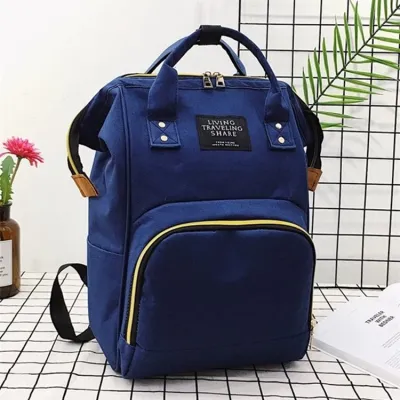
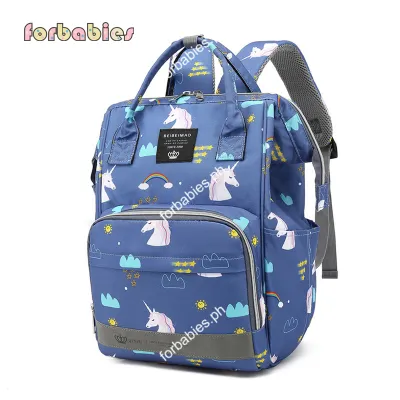
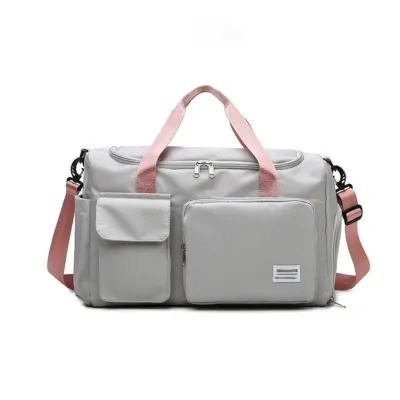
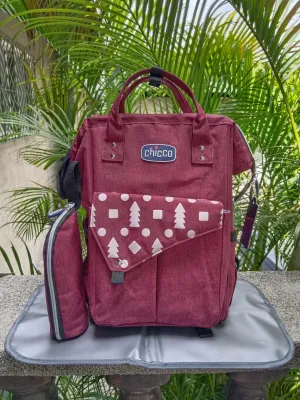
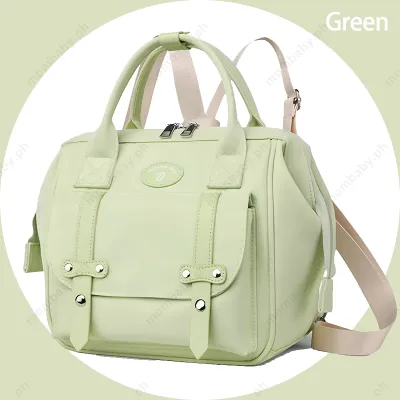
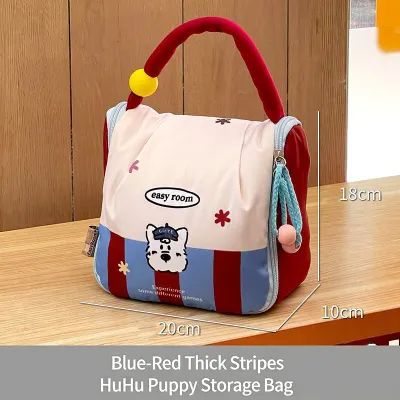
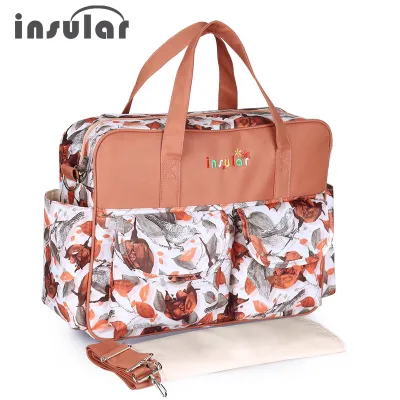
Prices are valid at publication and may change. Please refer to the product page for the latest price.
Travel scenarios completely redefine these requirements. Whether taking a domestic flight to Cebu, embarking on a multi-hour road trip to Tagaytay, or navigating international terminals, you must prepare for the unexpected. Flight delays, heavy traffic, and limited access to clean water or baby-friendly changing facilities mean you must carry a significantly larger volume of supplies. You need enough diapers to last the entire journey plus extra buffer hours, multiple changes of clothes for diaper blowouts, feeding equipment, sanitizing wipes, toys to keep your little one entertained, and personal items like your own wallet and travel documents.
Furthermore, the physical environment of travel demands absolute efficiency and hands-free convenience. Navigating crowded terminals, managing rolling suitcases, presenting boarding passes at security checkpoints, and boarding aircraft require your hands to be free to hold or carry your baby safely. A traditional shoulder diaper bag that constantly slips off your arm or a bulky tote that lacks structure will quickly become a physical burden. Travel requires a bag that integrates seamlessly with your other luggage, distributes weight evenly across your body, and allows you to retrieve crucial items in seconds without disrupting your flow or compromising your child’s safety.
Essential Features of a Travel-Ready Mommy Bag
Selecting the right travel-ready mommy bag requires looking past aesthetic appeal and focusing on practical engineering, material science, and physical ergonomics. A bag designed with travel in mind will feature specific design elements that address the unique challenges of long journeys, ensuring that every pocket serves a clear, functional purpose.

Smart Compartments and Organization
The internal layout of a travel mommy bag can make the difference between a calm diaper change and a stressful ordeal. Look for bags featuring a wide-mouth or clamshell opening design. A main compartment that zips open fully flat allows you to pack the bag like a suitcase, giving you an unobstructed view of all contents and allowing you to slide modular packing cubes in and out with ease. This design eliminates the “black hole” effect common in deep, top-loading backpacks where smaller items inevitably settle at the bottom.
Exterior pocket configuration is equally vital for keeping travel documents and high-frequency items secure yet accessible. Dedicated, zippered exterior pockets located on the back or sides of the bag keep your passport, boarding passes, identification cards, and mobile phone safe from pickpockets while ensuring you do not have to open the main compartment at security checkpoints.
Additionally, specialized internal pockets are essential for maintaining hygiene and organization. Dedicated insulated bottle pockets lined with thermal material help maintain the temperature of milk, formula, or breast milk during transit. Easy-to-clean, waterproof compartments are also highly beneficial for storing damp clothes, soiled bibs, or used washcloths separate from dry items. Many travel-ready bags also feature a dedicated, quick-access sleeve for a portable changing pad, allowing you to set up a sanitary changing station on cramped airplane fold-down tables or public restroom counters.
Travel-Friendly Materials and Hardware
The materials used in your travel bag must be highly durable, easy to maintain, and suited to the environmental conditions of your journey. In tropical climates characterized by high humidity and sudden, intense downpours, water-resistant exterior fabrics are a necessity. High-density nylon, Oxford cloth, or specially coated polyester are excellent choices because they repel water, resist staining, and can be easily wiped clean with a damp cloth. These synthetic materials also dry quickly, preventing the buildup of mold, mildew, and unpleasant odors that thrive in humid environments.
Weight is another critical factor to verify. When choosing a bag, look for lightweight construction that does not add unnecessary bulk before you even begin packing. A heavy empty bag limits the amount of baby gear you can pack without exceeding airline personal item weight limits or causing physical strain. Avoid heavy canvas, thick genuine leather, or excessive metal embellishments, which add aesthetic appeal but contribute significant dead weight.
Hardware quality directly impacts the lifespan and reliability of your bag under travel stress. Inspect the quality of the zippers, buckles, and stitching before purchasing. Sturdy, smooth-gliding nylon or metal zippers with pull tabs are essential, as a broken zipper mid-trip can render your bag unusable. Look for reinforced double-stitching or bar-tack stitching at high-stress points, such as where the shoulder straps and top handle attach to the main body. Always verify the manufacturer’s care instructions and material specifications on the product tag rather than assuming durability based on brand name or price alone, as some high-end fashion diaper bags prioritize style over rugged travel performance. High-quality travel diaper bags generally range from ₱1,500 to over ₱4,500, depending on the durability of materials and integrated features.
Comfort and Hands-Free Carrying Options
Carrying a fully loaded diaper bag for hours through airport terminals, train stations, or tourist destinations can cause severe physical fatigue if the bag is poorly designed. Padded, adjustable backpack straps are the most effective solution for distributing weight evenly across both shoulders and your upper back. Look for straps lined with breathable, moisture-wicking mesh fabric to reduce heat and sweat buildup against your skin in warm weather.
For moments when you want to relieve your shoulders entirely, built-in stroller straps or integrated D-rings are incredibly convenient. These allow you to attach the bag directly to your stroller’s handlebar while walking. However, safety must always come first: verify your stroller manufacturer’s weight limits and stability guidelines before hanging a heavy bag on the handlebar. Overloading the handlebar can cause a lightweight stroller to tip backward, creating a serious safety hazard for your baby. Never leave your child unattended in the stroller when a bag is attached, and always remove the bag before lifting your baby out of the seat.
A luggage pass-through sleeve, also known as a trolley sleeve, is another indispensable feature for airport transit. This is a wide fabric band on the back of the diaper bag that allows you to slide it securely over the telescoping handle of your rolling suitcase. This consolidates your luggage into a single, stable unit, allowing you to wheel your suitcase and diaper bag together with one hand while keeping your other hand free to guide your child or hold a stroller.
Smart Packing and Organizing Strategies for Transit
Even the most advanced mommy bag travel organizer will fall short if it is packed haphazardly. To maximize the efficiency of your bag’s features, adopt a modular packing strategy. Instead of placing individual loose items directly into the main compartment, group them into color-coded packing cubes, clear zip-top bags, or small fabric pouches. For example, dedicate one pouch entirely to diapering essentials (diapers, wipes, diaper rash cream, and a portable changing mat), another to feeding supplies (formula dispenser, bottles, bibs, and burp cloths), and a third to spare clothing and a wet bag. This modular approach allows you to pull out only the specific pouch you need for a task, keeping the rest of the bag neat and organized.
Create a “transit essentials” pouch and place it at the very top of your bag’s main compartment or in a highly accessible front pocket. This pouch should contain items you may need at a moment’s notice during takeoff, landing, or mid-flight turbulence when access to overhead bins is restricted. Fill it with high-frequency items such as pacifiers, sanitizing wipes, a small teething toy, a burp cloth, and a small snack. Having these items consolidated at the top of your bag saves you from having to rummage through the entire bag while buckled in a cramped airplane seat.
Proper weight distribution is also vital for preventing physical strain and maintaining balance during long walks. Always place the heaviest items—such as full water bottles, insulated flasks, formula containers, and heavy baby food jars—at the bottom of the bag and as close to your back as possible. Packing heavy items near the front or top of the bag shifts your center of gravity backward, pulling on your shoulders and causing lower back strain. Keep lighter, bulkier items like spare clothes, blankets, and diapers near the top and front of the bag to maintain a balanced, comfortable carry.
Evaluating Cross-Scenario Compatibility: Everyday vs. Travel
Deciding whether your current everyday diaper bag is sufficient for travel or if you need to upgrade to a dedicated travel organizer depends on several key criteria. The primary consideration is capacity versus everyday bulk. A compact, stylish diaper bag that is perfect for a quick weekend outing to a local park might be completely inadequate for a long-distance trip where you must carry backup supplies for potential travel delays. If your everyday bag is already packed to its physical limit during normal daily use, it will not have the extra volume required to accommodate travel-specific items like passports, travel-sized sanitizing gear, extra formula, and entertainment items.
A dedicated travel mommy bag or a larger structured organizer is highly recommended if you regularly undertake long-haul flights, multi-day road trips, or travel with multiple young children. These scenarios demand specialized features—such as luggage sleeves, high-capacity insulated pockets, and heavy-duty water-resistant fabrics—that standard daily bags often lack.
To determine if your current bag is up to the task, look for observable signs of stress and failure during a trial run or a short trip. If the zippers strain, stick, or begin to separate when the bag is fully packed, the hardware is not built for travel loads. If the shoulder straps lack adequate padding and dig painfully into your collarbones after twenty minutes of carrying, or if the bag lacks secure, dedicated pockets for travel documents, leaving your passport vulnerable to getting bent or damp from a leaking bottle, these are clear signs that your current bag is failing to meet your travel needs. Investing in a dedicated travel-ready mommy bag will provide the structural integrity, security, and physical comfort necessary for a hassle-free journey.
Frequently Asked Questions (FAQ)
What size mommy bag is allowed as a carry-on?
The maximum dimensions allowed for a mommy bag as a carry-on or personal item depend entirely on the specific airline’s baggage policies. Most major airlines permit personal items that fit comfortably under the seat in front of you, typically ranging from 40 x 30 x 15 centimeters to 45 x 35 x 20 centimeters. Most standard backpack-style mommy bags fit within these dimensions, provided they are not overstuffed.
To avoid unexpected gate-check fees or boarding delays, always measure your mommy bag when it is fully packed, as bulky items can cause the bag to expand significantly beyond its flat dimensions. Because policies vary widely between budget carriers and full-service airlines, always verify the exact carry-on and personal item dimension and weight limits on your specific airline’s official website prior to your travel date.
Do I need a separate bag for baby items when flying?
Many major airlines allow parents traveling with an infant or toddler to bring a diaper bag as an additional personal item free of charge, over and above their standard carry-on luggage allowance. This allowance is designed to ensure parents have immediate access to essential care items during the flight.
However, this policy is not universal and can vary based on the airline, the type of ticket purchased, and whether your baby is traveling as a lap child or has their own booked seat. Always contact your airline directly or check their official infant travel and baggage allowance guidelines online before arriving at the airport to confirm whether your travel mommy bag is permitted as a free additional item.

Community discussion
Share your experience or ask a question. Comments are reviewed before publication.