
Quick Answer: Which Materials Are Safe for the Momcozy Bottle Washer?
Most standard baby bottle materials—specifically borosilicate glass, high-grade plastics such as polyphenylsulfone (PPSU) and polyethersulfone (PES), and food-grade silicone—are generally safe to clean in the Momcozy bottle washer. Because these materials are engineered to withstand the high temperatures required for sanitizing infant feeding gear, they can endure the automated washing, rinsing, and drying cycles without structural damage.
However, final safety and compatibility always depend on the specific bottle manufacturer’s heat tolerance ratings and official care labels. While the bottle washer is designed to simplify your sanitizing routine, loading an incompatible material can lead to warping, degradation, or chemical leaching. Before placing any bottle, nipple, or pump accessory into the machine, you must verify that the item is explicitly labeled as “dishwasher-safe” or “sterilizer-safe” by its manufacturer.
To ensure a safe and successful wash cycle every time, use this quick verification checklist:
Products mentioned in this guide
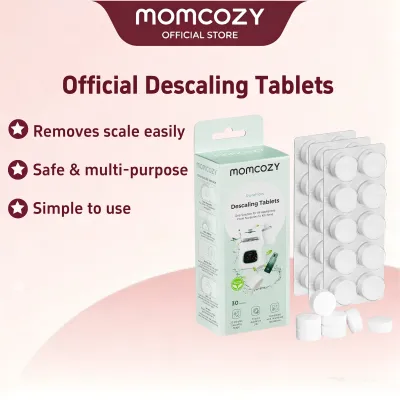
Prices are valid at publication and may change. Please refer to the product page for the latest price.
- Verify the Material: Confirm if the bottle is made of borosilicate glass, PPSU, PES, PP, or food-grade silicone.
- Check the Temperature Limit: Locate the maximum heat tolerance printed on the bottle's packaging or base, and cross-reference it with your washer's operating manual.
- Look for the Symbol: Ensure the bottle or accessory features the dishwasher-safe or sterilizer-safe icon.
- Inspect for Wear: Examine older bottles for existing cracks, deep scratches, or cloudy discoloration before loading them.
How the Washer Works and Why Material Heat Tolerance Matters
To understand why material compatibility is so critical, it helps to look at how a dedicated baby bottle washer operates. Unlike manual hand-washing with lukewarm water, an automated bottle washer utilizes high-pressure water jets, sustained high-temperature wash and rinse cycles, and a prolonged heated drying phase. This combination is highly effective at breaking down stubborn breast milk fats and formula residues, but it also subjects your baby’s feeding gear to significant thermal and physical stress.

During the washing and sterilizing phases, the water temperature inside the chamber rises significantly to ensure proper hygiene. This is followed by a heated drying cycle that circulates hot air to eliminate moisture. In hot and humid tropical climates, such as in the Philippines, this rapid and thorough heated drying is incredibly beneficial. Standing water on bottles left on traditional open-air drying racks can easily become a breeding ground for environmental mold, mildew, and bacteria. However, this same heated drying cycle means that the materials you place inside the machine must be capable of enduring dry heat for extended periods without warping or softening.
Compatibility is not merely a matter of whether a bottle physically fits into the machine’s racks. It is a question of chemical and structural integrity under heat. If a plastic bottle has a low heat tolerance, repeated exposure to these high-temperature cycles can cause the plastic to degrade, warp, or leach chemicals. Similarly, sudden temperature shifts can compromise low-quality glass. Always consult your Momcozy user manual to check the exact operating temperatures of your specific model’s cycles, and ensure your baby bottles are rated to withstand temperatures well above those thresholds.
Material-by-Material Compatibility Guide
Different bottle materials react uniquely to the high-pressure water jets and intense thermal cycles of an automated washer. Understanding these differences allows you to care for your feeding gear properly while maintaining a high standard of hygiene.
Glass Bottles
Borosilicate glass is highly favored by many parents for its durability, resistance to chemical leaching, and long lifespan. This type of glass is specifically engineered to handle extreme temperature fluctuations, making it exceptionally safe for the high-temperature washing, sterilizing, and heated drying cycles of the bottle washer. Unlike standard household glass, borosilicate glass does not easily expand or contract when exposed to rapid temperature changes.
Despite its high heat resistance, glass carries physical risks that you must manage. The primary hazard inside an automated washer is physical impact and thermal shock. If glass bottles are positioned incorrectly, the high-pressure water spray can cause them to knock against each other or against the metal racks, leading to chips, cracks, or shattering.
To wash glass bottles safely, always secure them firmly in their designated slots in the lower basket. Ensure they are spaced far enough apart that they cannot collide during the wash cycle. Additionally, always inspect your glass bottles before and after every cycle. If you detect any micro-cracks, deep scratches, or chips, stop using the bottle immediately to prevent it from breaking during a feed or a subsequent wash cycle.
Plastic Bottles (PP, PPSU, PES)
Plastic baby bottles are lightweight and shatterproof, but they are made from different types of polymers that exhibit varying levels of heat tolerance. It is crucial to identify which plastic your bottles are made of before placing them in the washer:
- PPSU (Polyphenylsulfone): Often recognizable by its natural, honey-colored tint, PPSU is a medical-grade plastic with exceptionally high heat resistance. It is highly durable, highly resistant to repeated sterilization, and perfectly suited for the intense heat of the bottle washer.
- PES (Polyethersulfone): Similar to PPSU, PES is a hard, heat-resistant plastic that easily withstands high-temperature washing and drying without losing its structural integrity.
- PP (Polypropylene): PP is the most common plastic used in standard baby bottles. It is typically semi-cloudy or clear. While PP is generally safe for daily use, it has a significantly lower heat tolerance than PPSU or PES. Over time, repeated exposure to high-temperature drying cycles can cause PP bottles to warp, soften, or degrade faster.
Always check the recycling code and the manufacturer’s heat limit printed on the base of your plastic bottles. If your PP bottles are not explicitly labeled as dishwasher-safe or sterilizer-safe, they may warp in the washer’s drying cycle. If you notice any warping, a sticky texture, or a persistent cloudy appearance on any plastic bottle, stop using it immediately and replace it.
Silicone Bottles and Parts
Food-grade and medical-grade silicone are highly flexible, durable, and exceptionally heat-resistant. Silicone bottles and components, such as nipples, collars, and sealing rings, easily tolerate the temperatures generated during the washing and sterilizing cycles of the machine.
However, silicone has a natural tendency to absorb oils and odors. In warm, humid environments, milk fat residues left on silicone can quickly sour, leading to persistent odors if not cleaned promptly. The automated washer’s high-pressure hot water jets are excellent at removing these oils, but you must ensure that lightweight silicone parts are secured properly. Because silicone is lightweight, the powerful water jets can easily flip silicone bottles or small parts upside down. If a bottle flips over, it will fill with dirty wash water and fail to clean or dry properly.
Furthermore, if you live in an area with hard tap water, which is common in many urban and coastal regions of the Philippines, silicone parts can easily develop white mineral spots during the heated drying cycle. While these mineral deposits are harmless, they can make the silicone look dirty. To minimize water spots, ensure your washer is clean, and consider using distilled or purified water if your local tap water has a high mineral content.
Cleaning Pump Parts, Nipples, and Small Accessories
Maintaining the hygiene of breast pump parts, bottle nipples, and small accessories is just as important as cleaning the bottles themselves. Most high-quality silicone nipples, breast shield flanges, silicone diaphragms, and duckbill valves are compatible with the bottle washer, provided they are rated for high-temperature sterilization.
Because these accessories are small and lightweight, they must never be placed loosely in the main washing drum. Loose items can easily be dislodged by the water jets, falling into the bottom of the chamber where they can block the drain or come into direct contact with the heating element. This can result in melted plastic, ruined pump parts, and potential damage to your appliance. Always place small items, valves, and nipples securely inside the designated small-parts basket or the top rack of the washer.
Keep in mind that delicate silicone parts, especially thin breast pump membranes and duckbill valves, experience wear and tear more rapidly under repeated high-heat drying cycles. While they are safe to wash, the constant thermal stress can cause them to lose their elasticity over time, which can directly reduce your breast pump’s suction efficiency. Inspect these delicate parts regularly for any signs of tearing, warping, or loss of shape. If you notice a drop in pump performance, or if the manufacturer’s instructions advise against machine-washing delicate membranes, consider hand-washing and air-drying those specific components while letting the machine handle the sturdier parts.
Materials to Avoid and Your Pre-Wash Safety Checklist
While the Momcozy bottle washer is highly versatile, certain materials must never be placed inside the machine. Loading incompatible items can ruin the products, damage the washer, or pose safety risks to your infant. Avoid placing the following items in the appliance:
- Standard Household Plastics: Any plastic items or toys that are not explicitly rated for high-temperature sterilization or labeled as dishwasher-safe. These can easily melt or release harmful chemicals.
- Metallic Paints or Glued Decorations: Bottles with delicate painted-on designs, metallic decals, or glued-on accessories can peel, fade, or dissolve under high-pressure hot water.
- Unsealed Wood: Wooden teething rings, wooden bottle collars, or brushes should never be machine-washed, as the high heat and moisture will cause the wood to warp, crack, and harbor bacteria.
- Electronic Components: Any battery-operated accessories, electronic pump motors, or smart bottle warmers.
To maintain safety and protect your investment, establish a consistent pre-wash routine. Before loading your washer, run through this three-step safety checklist:
- Rinse Out Large Milk Residues: Quickly rinse your bottles and pump parts under running tap water to remove large milk curds. In tropical climates, milk spoils rapidly and can form tough residues that may clog the washer's internal filters and drain pump.
- Verify the Safety Symbols: Double-check that every item you load features a clear dishwasher-safe or sterilizer-safe symbol.
- Check the Load Limits: Ensure you are not overloading the racks. Overloading blocks the water jets, preventing thorough cleaning and leaving soap or milk residue on the items.
If you are ever unsure about the material composition or heat rating of a specific bottle or accessory, do not guess. Stop using the machine for that item, and consult the product’s manufacturer or a qualified professional for guidance.
Frequently Asked Questions (FAQ)
Can I wash my baby's sippy cups and straw bottles in the Momcozy washer?
Yes, provided the cups and straw bottles are made of compatible materials like PPSU, PP, or silicone and are labeled dishwasher-safe. However, complex straw valves, weighted balls, and narrow silicone tubes often have tight crevices that water jets cannot easily penetrate. You should hand-wash these intricate straw components using a dedicated straw brush to ensure no milk or juice residue is trapped inside, while the outer cup can go into the washer.
Will the high heat in the bottle washer damage the measurement markings on my bottles?
On high-quality glass, PPSU, and PES bottles, the volume measurement markings are typically baked into the material or printed with high-durability inks designed to withstand repeated sterilization. However, on cheaper plastic bottles or those with external painted decorations, these markings may gradually fade or peel over time due to the high heat and water pressure. To prevent fading, check the bottle manufacturer’s care instructions regarding dishwasher use.
Do I need to use a specific detergent with the Momcozy bottle washer?
Yes, you must use the official detergent tablets or liquid recommended by Momcozy, or a low-foaming, enzyme-based detergent specifically formulated for baby bottle washers. Standard household dishwashing liquids or hand soaps produce excessive suds that can overflow the machine, clog the water pumps, and leave a harmful soap residue on your baby’s feeding gear.
Community discussion
Share your experience or ask a question. Comments are reviewed before publication.