
Deciding between a wearable and a traditional breast pump is one of the most significant choices an expecting or nursing mother will make. The right choice directly impacts your daily comfort, time management, and overall breastfeeding journey. While both options serve the essential purpose of expressing breast milk, they cater to entirely different lifestyles, routines, and physical needs.
Your decision between a Mom Cozy wearable breast pump and a traditional breast pump depends primarily on your mobility requirements versus your desire for maximum suction customization. Wearable models are designed for mothers who prioritize hands-free convenience, multitasking, returning to a busy workplace, or pumping while traveling. These compact, cordless units fit directly inside your nursing bra, allowing you to move around freely without being tethered to a wall outlet.
Traditional breast pumps are better suited for dedicated, stationary pumping sessions where you prioritize higher suction control, larger milk capacity, and a simpler cleaning routine. Because the motor unit is separate from the breast shields and collection bottles, traditional pumps often provide a wider range of adjustments to mimic a baby’s natural nursing pattern. Your individual breast anatomy, milk supply goals, and daily schedule should guide your final decision, and consulting a lactation professional can provide valuable clarity if you remain unsure.
Products mentioned in this guide
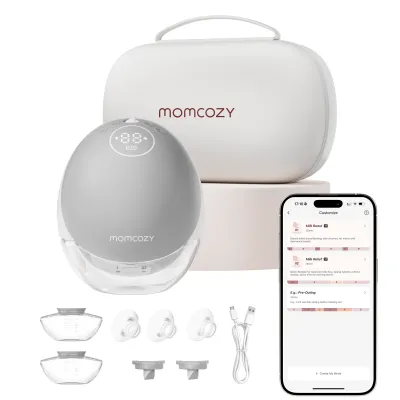
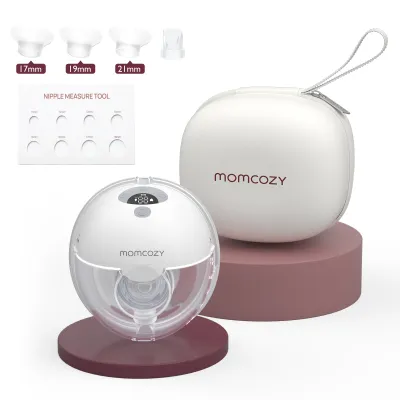
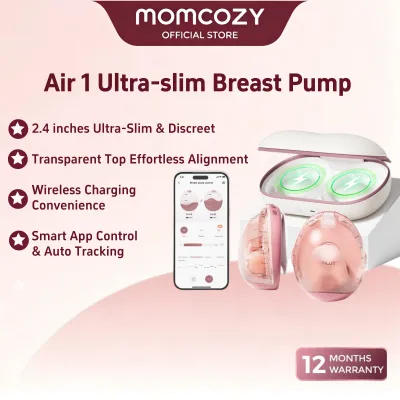
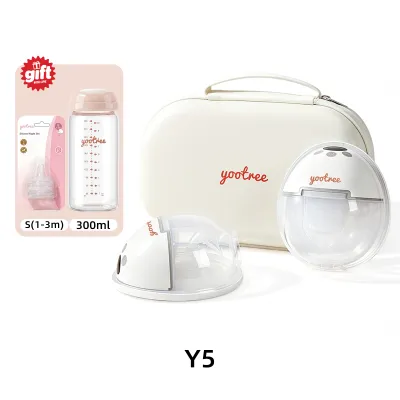
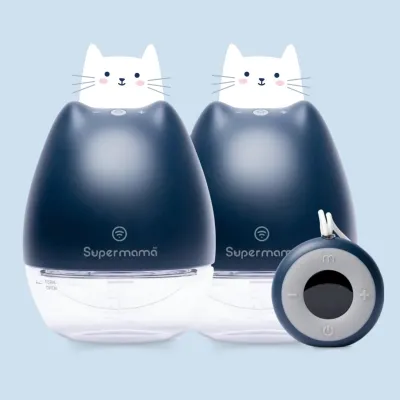
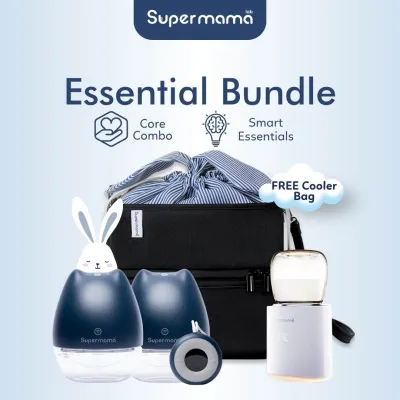
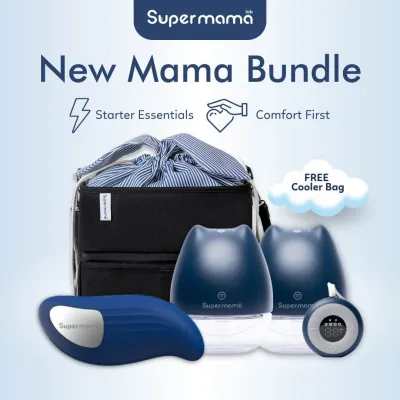
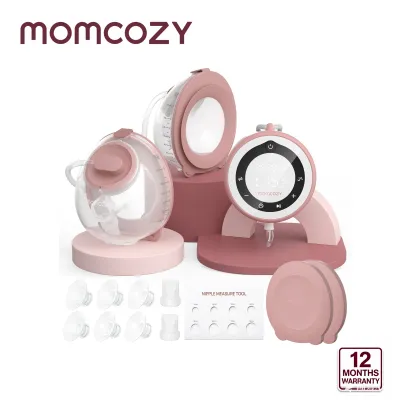
Prices are valid at publication and may change. Please refer to the product page for the latest price.
Core Comparison: Wearable vs. Traditional Mom Cozy Pumps
To understand how these two pump styles fit into your daily life, it helps to compare their design, functionality, and maintenance requirements side by side. Each form factor has distinct structural characteristics that alter how you interact with the device during a busy day.
| Feature | Mom Cozy Wearable Breast Pumps | Traditional Breast Pumps |
|---|---|---|
| Design & Portability | Hands-free, cordless, fits entirely inside a standard nursing bra. | Tethered by tubing to an external motor; requires a flat surface or belt clip. |
| Suction & Modes | Streamlined, automated modes; moderate suction adjustment. | Highly granular suction and cycle speed controls; clinical-grade options. |
| Milk Capacity | Typically limited to 120ml to 180ml (4 to 6 oz) per cup. | Standard bottles hold 150ml to 240ml (5 to 8 oz) or more per side. |
| Noise Level | Quiet, low-profile motor hum; easily masked by ambient office noise. | Distinct mechanical motor sound; tubing can sometimes amplify vibrations. |
| Power Source | Integrated rechargeable batteries; requires frequent charging. | Mains power adapter or larger external rechargeable battery pack. |
| Cleaning & Assembly | Multiple small silicone parts integrated with the collection cup. | Separate bottles, flanges, and valves; electronic parts are kept distant. |
n### Design and Portability
The most obvious difference lies in how you wear and carry the device. Wearable pumps eliminate external tubes, dangling bottles, and power cords. The motor sits directly on top of the collection cup, allowing the entire unit to slide into your bra. Traditional pumps, even portable double electric models, require silicone tubing to connect the breast shields to an external motor unit. This means you must carry the motor with you or sit near a table where the unit is placed, keeping you relatively stationary during expression.
Suction and Modes
Traditional breast pumps generally offer more granular control over suction strength and cycle speeds. This allows you to fine-tune the settings to find the exact combination that triggers your let-down reflex. Wearables prioritize streamlined, automated modes designed to simplify the pumping process. While they offer multiple levels of stimulation and expression, the range is typically more compact. It is highly recommended to verify the exact mode counts and suction specifications on the packaging or official store listing of the specific model you are considering.
Noise Level and Discretion
Wearable pumps are engineered for discretion, utilizing small, insulated motors that produce a muted hum. When worn under regular clothing in an office or a shared living space, this sound is often masked by background noise like air conditioning or quiet conversation. Traditional pumps feature larger, more robust motors. While many modern traditional models are relatively quiet, the physical movement of the diaphragms and the vibration of the unit on a hard surface make them more noticeable in quiet environments.
Cleaning and Assembly
Traditional pumps are often quicker to wash and assemble because the milk collection bottles and flanges are completely separate from the electronic motor. There is no risk of getting water near the electrical components during washing. Wearable pumps require you to carefully separate the small motor unit from the collection cups before cleaning. The cups themselves contain integrated silicone diaphragms, valves, and seals that must be carefully disassembled, washed, and dried to maintain proper suction and hygiene.
It is important to note that milk output is not determined solely by the type of pump you use. Total milk expression depends heavily on proper flange fit, correct settings, and your individual physiology. Neither form factor is universally guaranteed to produce more milk than the other.
Exploring Mom Cozy Wearable Breast Pumps
Wearable breast pumps have transformed the postpartum experience for many mothers by integrating milk expression seamlessly into a busy daily schedule. By removing the physical barriers of traditional pumping, these devices allow you to reclaim your time and maintain your milk supply without sacrificing productivity.

The Hands-Free Advantage
The primary benefit of a wearable pump is the ability to multitask. Whether you are working at an office desk, managing household chores, or commuting through busy city traffic, the wearable design keeps your hands completely free. This flexibility reduces the psychological burden of exclusive pumping, as you do not have to put your entire day on hold every few hours to sit next to a wall outlet.
Discretion in Shared Spaces
The low-profile design of wearable pumps allows them to fit naturally inside a standard nursing bra. This makes it possible to pump discreetly in shared offices, co-working spaces, or even while running errands. For mothers returning to work, this discretion can significantly ease the transition, allowing you to maintain your pumping schedule without feeling isolated from your colleagues.
Limitations to Consider
Despite their convenience, wearable pumps do have limitations. The integrated collection cups typically hold less milk than traditional bottles, usually capping out at 120ml to 180ml per side. If you have a heavy milk supply, you may need to pause your session to empty the cups, which can interrupt your routine. Additionally, there is a learning curve to achieving a proper seal inside your bra. Because the pump moves with your body, there is a risk of leaking if the flange shifts during sudden movements or if you bend over too far.
Fit and Comfort
Achieving the correct flange size is critical when using a wearable pump. Because the motor sits directly on the breast, an incorrect fit can cause painful friction, nipple damage, or incomplete breast emptying. Always use the manufacturer’s sizing guide to measure your nipple diameter before purchasing. If you experience pinching, severe pain, or blanching (where the nipple turns white), stop using the device immediately. These symptoms indicate a poor fit or excessive suction, both of which can negatively impact your nipple health and milk transfer.
Exploring Mom Cozy Traditional Breast Pumps
Traditional breast pumps remain the standard for many mothers, particularly during the early weeks postpartum when establishing a robust milk supply is the top priority. Their robust design and powerful motor systems offer unmatched reliability and customization.
Control and Capacity
Traditional pumps excel in their ability to mimic a baby’s natural feeding patterns through highly adjustable settings. You can independently adjust both the vacuum strength and the cycle speed, allowing you to find the perfect setting for both stimulation and expression. Furthermore, traditional pumps utilize standard baby bottles for collection, which easily accommodate larger volumes of milk. This eliminates the need to pause mid-session to empty containers, making them highly efficient for mothers with a high milk yield.
Ease of Use and Cleaning
The physical separation of the motor from the milk collection kit makes traditional pumps incredibly intuitive to use. There are fewer tiny silicone parts to align, reducing the risk of assembly errors that can cause a loss of suction. Cleaning is straightforward: because the electronic motor is connected only by long silicone tubing, you can wash, sanitize, and dry the bottles and flanges without any fear of damaging sensitive electronic circuits or batteries.
Limitations to Consider
The main drawback of a traditional pump is the lack of mobility. Because the breast shields are connected to a central motor via tubing, you are physically tethered to the device. Even with a portable, battery-operated traditional pump, you must carry the motor unit and have bottles hanging from your breasts, making it difficult to perform physical tasks or move around comfortably. Pumping sessions require you to sit or recline in a dedicated space, which can feel restrictive if you have a busy schedule.
The Ideal Pumping Environment
Traditional pumps perform best in a quiet, comfortable, and private environment. Sitting in a dedicated nursing chair, away from the distractions of household chores or work tasks, allows you to relax. This relaxation is a key psychological trigger for the release of oxytocin, the hormone responsible for the let-down reflex. For many mothers, this focused, quiet time actually results in a faster and more complete milk expression session compared to pumping while multitasking.
Decision Framework: Matching the Pump to Your Lifestyle
Choosing the right pump requires an honest assessment of your daily routine, your physical workspace, and your breastfeeding goals. Use this framework to determine which option aligns best with your lifestyle.
Choose a Mom Cozy Wearable Pump if:
- You are returning to an active workplace: If your job involves moving around, attending meetings, or working in open-plan offices, a wearable pump offers the discretion and mobility you need.
- You struggle to find uninterrupted time: If you are chasing a toddler at home or managing a busy household, finding 20 to 30 minutes to sit still multiple times a day may be impossible.
- You commute frequently: For mothers who spend significant time driving or commuting in public transport, wearable pumps turn transit time into productive pumping sessions.
- You want to maintain, rather than establish, your supply: Wearables are excellent tools for keeping up an already established milk supply while living an active lifestyle.
Choose a Mom Cozy Traditional Pump if:
- You are exclusively pumping from home: If you do not need to pump on the go, the reliability and power of a traditional pump make it the most efficient choice.
- You need to establish or build your milk supply: In the early weeks postpartum, the precise suction controls of a traditional pump are highly effective at stimulating milk production.
- You experience heavy let-downs: If you routinely express large volumes of milk per session, the larger bottle capacity of a traditional pump will save you from frequent interruptions.
- You prefer a simple maintenance routine: If you want a pump that is quick to disassemble, wash, and put back together, the straightforward design of a traditional pump is ideal.
Consider a Hybrid Approach
If your budget allows, many mothers find that a hybrid approach offers the ultimate convenience. You can use a traditional pump at home for your first morning session and your last evening session when you want a thorough, relaxing expression. During the day, you can switch to a wearable pump for work, travel, or running errands.
When budgeting, keep in mind that breast pumps generally fall into distinct price brackets. In the local market, quality wearable models typically range from ₱4,000 to ₱9,000 per pair, while reliable traditional double electric pumps can range from ₱2,500 for entry-level models to ₱12,000 or more for hospital-grade systems.
Verify First
Before purchasing either system, it is crucial to consider your specific breast tissue characteristics. If you have highly elastic breast tissue (where the skin of the areola stretches far into the flange during pumping) or a history of nipple trauma, standard hard plastic flanges may cause discomfort or inefficient milk removal. In these scenarios, you should consult an International Board Certified Lactation Consultant (IBCLC) to determine if specialized silicone inserts or custom flange sizes are required before making an investment.
Hygiene, Maintenance, and Safety for Both Types
Proper hygiene and maintenance are essential to protect your health and ensure the milk expressed is safe for your baby. Because breast pumps come into direct contact with breast milk, they require consistent, careful cleaning.
Standard Hygiene Practices
Always wash your hands thoroughly with soap and clean water before handling any pump parts or expressing milk. After every use, disassemble all parts that come into contact with breast milk. Rinse them immediately in cold water to prevent milk protein buildup, then wash them in warm, soapy water using a dedicated basin and brush.
In the tropical climate of the Philippines, high humidity levels can encourage rapid bacterial growth on damp surfaces. Ensure all washed parts are placed on a clean, dedicated drying rack in a well-ventilated area. Sanitizing your parts daily using a steam sterilizer, boiling water, or chemical sterilizing tablets is highly recommended, especially for infants under three months or those with compromised immune systems. Always refer to the manufacturer’s specific instructions to avoid warping delicate silicone valves.
Motor Care and Tubing Maintenance
Never submerge the electronic motor units or battery packs of either pump type in water. To clean the motor, simply wipe the exterior with a damp, clean cloth or a sanitizing wipe. For traditional pumps, keep the silicone tubing dry. If you notice condensation or moisture inside the tubing, run the pump with only the tubing attached for a few minutes until it is completely dry. If milk enters the tubing, discard it and replace it immediately, as mold can quickly develop inside.
Safety Boundaries
Breast pumps are classified as personal care items. Because of the risk of cross-contamination, you should never share a breast pump or purchase a second-hand unit, even if you plan to buy new tubing and collection cups. Pathogens can potentially enter the internal motor housing of open-system pumps, posing a health risk to your baby.
When to Stop and Seek Help
Pumping should never be painful. If you experience severe pain, cracked or bleeding nipples, localized breast redness, warmth, or flu-like symptoms such as a fever, stop pumping immediately. These can be signs of improper flange fit, tissue damage, or mastitis. Consult a healthcare provider or an IBCLC promptly to address these issues and adjust your pumping setup safely.
Frequently Asked Questions (FAQ)
Can I use a Mom Cozy wearable pump while sleeping?
Using a wearable breast pump while sleeping is generally not recommended. Sleeping while wearing a pump increases the risk of the unit shifting inside your bra, which can break the silicone seal, cause painful friction on your nipple, and lead to significant milk leaks. Additionally, sleeping with active suction can lead to over-pumping, which may cause nipple tissue damage. Always refer to the manufacturer’s specific safety warnings regarding maximum continuous usage times and avoid using the device while lying completely flat. If you need to pump overnight, it is safer to set an alarm, sit up comfortably to complete your session, and then return to sleep.
Do Mom Cozy pumps work for mothers with elastic breast tissue?
Mothers with elastic breast tissue may find that standard hard plastic flanges draw too much of the areola into the tunnel, leading to swelling, friction, and reduced milk expression. While Mom Cozy wearable pumps utilize soft silicone flanges that can be gentler on elastic tissue, finding the correct fit remains crucial. If you have highly elastic tissue, standard sizing charts may not be fully accurate, and you might require specialized silicone flange inserts or custom-sized shields to prevent tissue damage. If you suspect you have elastic tissue, consulting a lactation professional for a personalized assessment is highly recommended to ensure you select the correct accessories for efficient, pain-free pumping.
Community discussion
Share your experience or ask a question. Comments are reviewed before publication.