
Ensuring your baby’s safety during mealtimes begins long before the first spoonful of food. While high chairs are designed to provide a secure feeding environment, daily wear, frequent adjustments, and active babies can compromise critical safety mechanisms over time. Performing a quick but thorough inspection of your Moji high chair before each use helps you identify loose parts, worn restraints, or structural weaknesses, ensuring the equipment continues to meet safe feeding standards. In tropical environments like the Philippines, high humidity and temperature can also accelerate the wear of certain materials, making regular checks even more vital for your peace of mind.
Structural Integrity and Stability Checks
The foundation of any high chair is its structural stability. Before placing your child in the seat, take a moment to examine the main frame and base of the chair. Shake the frame gently to ensure there is no unusual wobbling or looseness in the joints. If your model features folding legs or adjustable heights, verify that all leg locks, crossbars, and folding mechanisms are fully engaged. You should hear an audible click when these parts lock into place, indicating that the structural supports are securely positioned to handle your child’s weight and movement.
Next, inspect the footprint of the high chair on your floor. Ensure the area is free of toys, loose rugs, or uneven surfaces that could cause the chair to tip. Check that all anti-slip rubber pads or casters on the bottom of the legs are intact and clean. Dust, pet hair, or food residue can make these pads slippery, reducing their grip on tile or wooden floors. If your high chair has wheels, double-check that the caster locks are fully engaged before feeding begins to prevent the chair from rolling unexpectedly when your baby moves.
Products mentioned in this guide

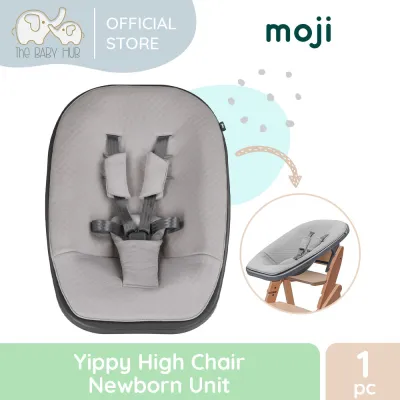
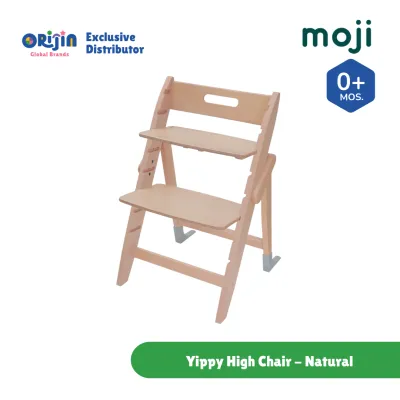

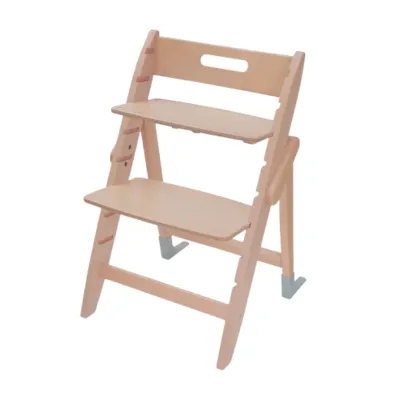
Prices are valid at publication and may change. Please refer to the product page for the latest price.
Finally, conduct a visual check of all visible screws, bolts, and structural joints. Over time, the vibrations from daily use can cause fasteners to loosen. Look closely for any signs of metal fatigue, stripping, or frame misalignment. If you notice any loose screws, tighten them according to the manufacturer’s instructions before using the chair. Never operate the high chair if a structural bolt is missing or if the frame appears bent, as this significantly compromises the chair’s ability to remain upright during active feeding sessions.
Restraint System and Harness Inspection
A secure harness is the primary defense against falls, which are among the most common high chair accidents. Before every meal, test the central buckle release and latch mechanism. Insert the harness prongs into the buckle and listen for a distinct click, then tug firmly on the straps to ensure they do not slip out. The release button should operate smoothly under your thumb but remain firm enough that a curious toddler cannot easily press and open it during use.

Take a close look at the fabric straps themselves, focusing on the shoulder, waist, and crotch straps. High humidity can sometimes weaken fabric fibers over time, so inspect the straps for fraying, tears, compromised stitching, or weakened elastic. If the straps feel thin, worn, or stiff from dried food spills, they may not hold up under sudden tension. Clean the straps regularly according to the manufacturer’s guidelines, but avoid harsh chemicals that could degrade the synthetic fibers.
Proper adjustment of the crotch post or crotch strap is equally critical. This component prevents your child from sliding downward underneath the tray, a dangerous scenario that can lead to trapping or suffocation. Ensure the crotch strap is adjusted snugly and positioned correctly relative to the seat. The harness should fit snugly against your baby’s body, allowing only two fingers of space between the strap and their collarbone, ensuring they remain securely seated throughout the meal.
Tray, Adjustments, and Moving Parts
The tray of a high chair is not just a surface for food; it also acts as an additional physical barrier. When attaching the tray, verify that the attachment latches on both sides are fully engaged. Give the tray a firm tug forward and upward to ensure it is locked in place and cannot be easily pushed off or detached by your child’s legs or hands. A tray that releases unexpectedly can cause food spills or, more seriously, allow a child to lean forward and fall.
Many modern high chairs offer adjustable features, such as variable seat heights, footrest positions, and recline angles. Test these adjustment buttons or levers before placing your baby in the chair. Confirm that each adjustable part locks firmly into its designated slot and does not slip or drop when you apply downward pressure. A footrest that suddenly slips can startle your baby and cause them to lose their balance, while an unstable seat height adjustment poses a severe collapse risk.
Additionally, inspect all hinges, folding joints, and moving parts for small gaps that could pose finger-pinch hazards. When adjusting the chair’s height or folding it for storage, keep your child at a safe distance. Ensure that no food debris or small objects have lodged inside the adjustment tracks, as debris can prevent the locking pins from engaging fully, leading to sudden and unexpected movement during use.
Material Condition and Hygiene Boundaries
The physical condition of the high chair’s surfaces directly impacts both safety and hygiene. Inspect the plastic frames, seat shells, and tray surfaces for cracks, sharp edges, stress marks, or deep scratches. Active babies can sometimes cause minor damage to plastic parts, and these damaged areas can develop sharp edges that scratch sensitive skin. Furthermore, deep scratches and cracks are notorious breeding grounds for bacteria, as food particles and moisture can easily become trapped inside them.
In warm and humid climates, fabric seat pads, covers, and foam inserts require extra attention. Inspect these components regularly for rips, exposed padding, or signs of mold and mildew. If your baby spills liquids, moisture can seep into the seams or foam padding, leading to mold growth if not dried promptly. Mold not only poses respiratory risks but can also degrade the fabric and stitching over time, weakening the seat cover’s integrity.
To maintain a safe environment, ensure all cleaned surfaces and fabric components are fully dry before assembling and using the chair. Placing a damp seat pad back onto the frame can trap moisture against metal or plastic parts, accelerating rust or bacterial growth. A dry, clean seat also prevents your child from slipping on damp fabric, ensuring they remain in a stable, upright position during feeding.
When to Stop Using and Seek Professional Guidance
Knowing when to retire or temporarily decommission a high chair is crucial for preventing accidents. Always cross-reference your child’s current weight, height, and developmental stage against the specific limits outlined in the manufacturer’s manual. High chairs are engineered to support specific weight ranges, and exceeding these limits can place undue stress on the frame, joints, and locking mechanisms, increasing the risk of structural failure.
Stop using the high chair immediately if you identify any critical safety failures during your daily checks. This includes cracked structural components, locking mechanisms that fail to engage or slip under pressure, or a harness buckle that does not lock securely. Continuing to use a compromised chair, even for a single meal, poses an unacceptable risk to your child’s safety.
If you encounter a broken part, resist the temptation to perform DIY structural repairs or use temporary fixes like tape, glue, or wire. Do not use unauthorized aftermarket harnesses or trays, as these have not been tested for compatibility or safety with your specific high chair model. Instead, consult the manufacturer or an authorized distributor to source official replacement parts. If a critical structural component cannot be replaced safely, it is time to transition to a new, certified high chair or booster seat.
Frequently Asked Questions (FAQ)
Is it safe to use a second-hand or handed-down high chair?
Using a second-hand high chair carries inherent risks that require careful evaluation. Pre-owned furniture may have missing parts, outdated safety standards, or hidden structural fatigue from years of use by another family. Before using a handed-down chair, always locate the original manufacturer’s manual to verify all parts are present. Check the exact model number against official product recall databases to ensure it has not been flagged for safety issues. Thoroughly inspect all harness straps, buckles, and locking mechanisms for wear before allowing your child to sit in it.
What should I do if the harness buckle gets stuck or breaks?
If the harness buckle fails to latch securely, gets stuck, or breaks, you must stop using the high chair immediately. A high chair without a functioning harness is unsafe, as a child can easily slip or climb out. Avoid temporary workarounds such as using tape, zip ties, or third-party stroller clips, as these cannot withstand the force of an active child. Contact the manufacturer directly to purchase or request an authorized replacement harness assembly designed specifically for your model to ensure your child remains properly secured.
Community discussion
Share your experience or ask a question. Comments are reviewed before publication.