
Choosing where your baby will sleep is one of the most significant decisions you will make when preparing your home. The choice between a mobile crib and a standard fixed crib depends on your living space, daily caregiving routine, and how long you expect the furniture to last. While a mobile crib offers excellent flexibility for room-sharing and daytime supervision, a standard fixed crib provides a larger, highly stable sleep environment designed to grow with your child over several years.
To make the right investment, you must weigh the convenience of portability against the longevity and structural permanence of a traditional setup. This guide will help you analyze your home layout, daily habits, and safety requirements to select the ideal option for your family.
Quick Diagnostic: Do You Actually Need a Mobile Crib?
Before browsing online marketplaces or visiting local showrooms, a quick self-assessment can clarify your immediate needs. A mobile crib is designed for dynamic households where the baby sleep space needs to adapt to changing daily activities. If you plan to move your baby from the bedroom to the living room or home office throughout the day, the portability of a mobile model is highly beneficial.
Products mentioned in this guide
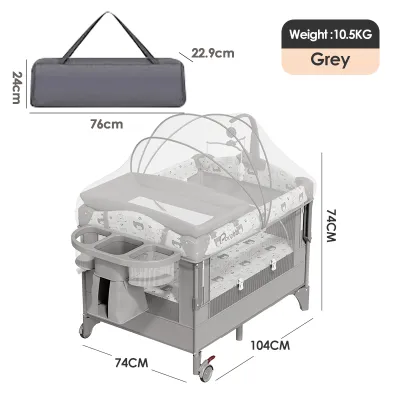
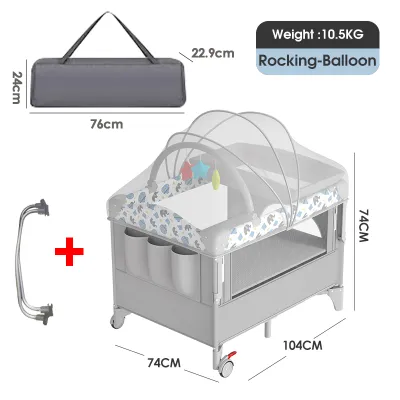
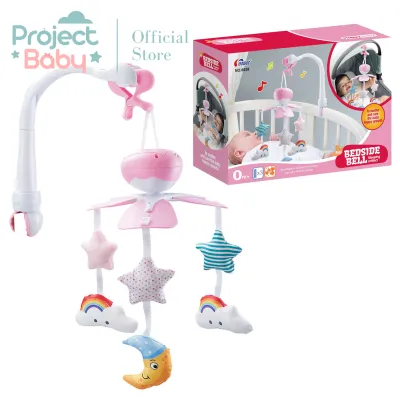

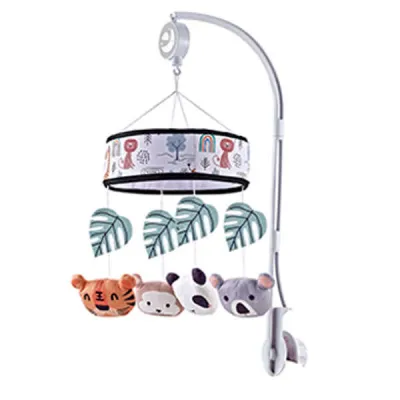

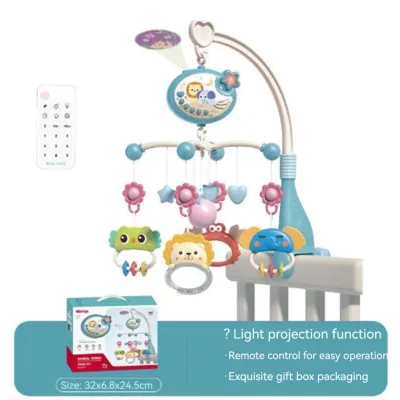
Prices are valid at publication and may change. Please refer to the product page for the latest price.
Conversely, if you have a dedicated nursery where your baby will sleep consistently, a standard fixed crib is often the more practical choice. Fixed cribs offer robust construction and larger dimensions, making them suitable for long-term use.
You should stop and reconsider a mobile crib if your baby is already pulling up to stand, as the lower sides and lighter frame of many portable models may pose safety risks. Additionally, if your home features uneven flooring or high thresholds between rooms, rolling a crib back and forth may prove highly impractical.
Assessing Your Living Space and Room Layout
Your home’s physical layout is a primary deciding factor when choosing nursery furniture. In many households in the Philippines, space is shared among family members, making compact and versatile furniture highly desirable. A standard fixed crib typically requires a permanent footprint of about 28 inches by 52 inches, which can quickly overwhelm a smaller bedroom or a shared living area.

If you are practicing room-sharing during the first few months, a compact mobile crib can easily fit alongside an adult bed without blocking walkways. This allows you to maintain a safe sleep environment while keeping your baby within arm’s reach. For multi-purpose spaces, a mobile crib can be rolled into a corner or tucked away during the day to reclaim valuable living area.
Floor surfaces and transitions also play a critical role in how well a mobile crib functions. Homes with smooth tiled floors, polished concrete, or seamless wooden planks are ideal for casters and wheels. However, if your home has thick rugs, carpeted areas, or raised wooden thresholds between rooms, moving a wheeled crib can become a physical challenge.
In humid tropical climates, you must also consider air circulation and material durability. Standard fixed cribs made of solid wood require adequate space around them to prevent moisture buildup against walls. Mobile cribs, often constructed with breathable mesh sides or lightweight frames, can be positioned dynamically to take advantage of natural airflow or air conditioning currents.
Evaluating Your Daily Routine and Caregiver Mobility
Your daily caregiving flow should dictate the functionality of your baby’s crib. If you are a work-from-home parent or a primary caregiver managing household chores alone, keeping your baby close for continuous supervision is essential. A mobile crib allows you to roll your sleeping infant from the bedroom to your workspace, ensuring you can monitor their breathing and comfort without constantly walking back and forth.
Nighttime routines also differ significantly between the two options. A mobile crib can be positioned close to your bedside for easy nighttime feedings and then rolled slightly away to allow you to get out of bed comfortably. A fixed crib, once assembled, remains in one spot, requiring you to walk to the designated sleep area for every nighttime interaction.
However, you must consider the physical effort required to move furniture daily. Postpartum recovery can make lifting, pushing, and steering even lightweight wheeled cribs uncomfortable. If you prefer a highly stable, stationary routine where the baby has a single, unchanging sleep environment, a fixed crib provides that consistency and eliminates the daily chore of moving furniture.
Considering Your Baby's Age, Size, and Safety Limits
Your baby’s developmental stage and physical growth will ultimately determine how long any crib remains safe to use. Standard fixed cribs are built to accommodate infants from birth up through toddlerhood, often converting into toddler beds or daybeds. They feature high weight limits and deep mattress settings that keep growing toddlers secure even when they begin to stand and climb.
Mobile cribs, particularly smaller mini-crib models or travel playards, generally have lower weight and height capacities. You must carefully verify the manufacturer’s documentation for the specific weight limits of your chosen model. Once your baby reaches the maximum weight limit or exhibits developmental milestones like sitting up, rolling over, or pulling to stand, you must transition them to a larger or more secure sleep space.
Safety standards require diligent verification regardless of the crib type you choose. When evaluating a mobile crib, always check the following details:
- Wheel Locks: Ensure all casters have heavy-duty, independent locking mechanisms that prevent the crib from shifting when the baby moves.
- Slat Spacing: Verify that the distance between slats complies with current safety guidelines to prevent entrapment.
- Frame Stability: Test the crib for any wobbling or structural flexing, especially on lightweight folding models.
- Mattress Fit: Ensure there are no gaps between the mattress edge and the crib sides where a baby could become wedged.
Making the Final Decision: A Conditional Checklist
To finalize your decision, review these specific household conditions to determine which crib type aligns with your current situation.
Choose a mobile crib if:
- Your living space is limited, or you are actively room-sharing in a compact bedroom.
- You need to supervise your baby across multiple rooms while working or completing household tasks.
- Your home has flat, smooth flooring without high thresholds or thick carpets.
- You want a temporary, flexible sleep solution for the first year of your baby's life.
Choose a standard fixed crib if:
- You have a dedicated nursery room with ample space for a full-sized furniture piece.
- You want a long-term investment that can convert into a toddler bed as your child grows.
- You prioritize maximum structural stability and do not need to move the sleep space.
- Your baby is already reaching milestones like sitting up or pulling to stand.
If you remain undecided or are preparing your home before your baby’s arrival, a practical “wait and see” approach is to use a temporary bassinet or bedside sleeper. This allows you to experience your actual postpartum routine and home flow before committing to the purchase of a full-size fixed crib or a specialized mobile model.
Frequently Asked Questions (FAQ)
Are mobile cribs as safe as standard fixed cribs?
Yes, mobile cribs are safe for sleep provided they meet standard safety guidelines and are used strictly according to the manufacturer’s instructions. Safety depends on proper assembly, secure slat spacing, and a firm, tight-fitting mattress. The most critical safety practice for a mobile crib is ensuring that all wheel locking mechanisms are fully engaged whenever the crib is stationary or occupied.
Can I use a standard crib mattress in a mobile crib?
Generally, no. Standard crib mattresses are designed for full-size fixed cribs and are usually too large for mobile or mini cribs. Using an improperly sized mattress creates dangerous gaps along the sides, posing a severe suffocation hazard. Always measure the interior dimensions of your mobile crib and use the exact mattress size recommended by the manufacturer.
When should I transition from a mobile crib to a standard bed?
You should transition your child out of a mobile crib when they reach the manufacturer’s specified height or weight limits, or when they show signs of climbing out. Observable milestones such as pulling up to stand or reaching a height where the top rail is below their chest indicate that the crib is no longer secure. Always consult your specific product manual to verify the exact developmental thresholds for safe use.
Community discussion
Share your experience or ask a question. Comments are reviewed before publication.