
Quick Answer: Mineral vs Plant-Based Baby Oil for Daily Use
Choosing the right baby oil 500ml option for daily use depends on your infant’s unique skin type, potential botanical sensitivities, and how the oil interacts with a warm, humid environment. Neither formulation is universally superior; rather, each serves distinct skincare goals.
Highly purified mineral oil is a completely inert, hypoallergenic hydrocarbon that excels at locking in moisture on the surface of the skin. It does not penetrate the skin barrier or trigger botanical allergies, making it an exceptionally stable and safe baseline for infants with highly sensitive or reactive skin. Its indefinite shelf life is highly advantageous when purchasing a large 500ml bottle.
In contrast, plant-based oils, such as sunflower or coconut oil, function as active emollients that absorb quickly and deliver beneficial fatty acids to support the skin barrier. However, because they are derived from botanical sources, they carry a minor risk of allergic sensitization and can oxidize or go rancid over time, especially when stored in a large 500ml bottle in tropical conditions.
Products mentioned in this guide
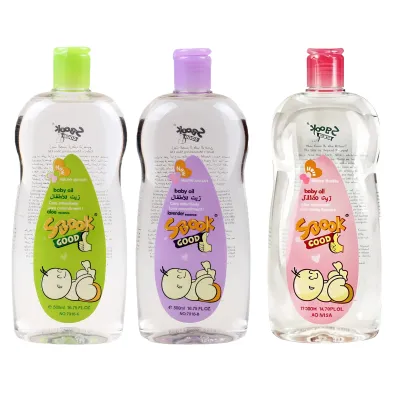
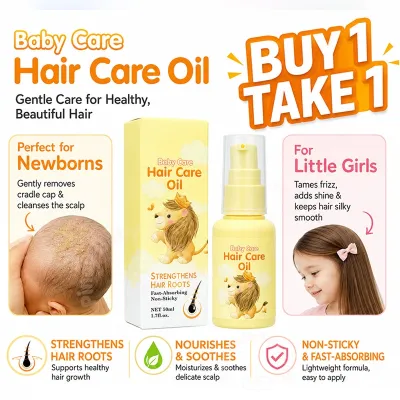
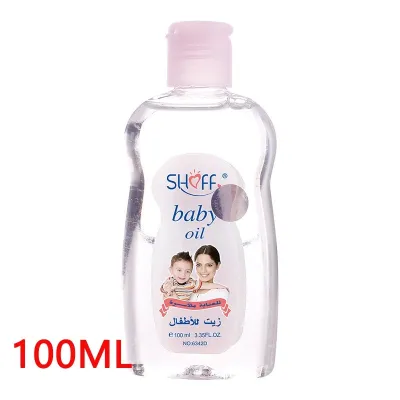
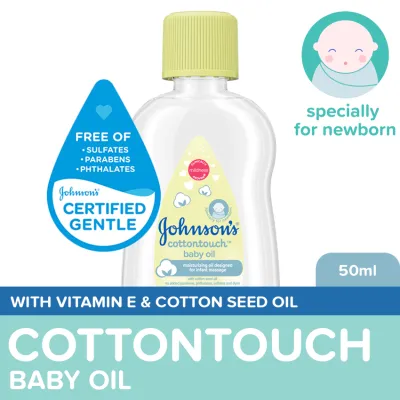
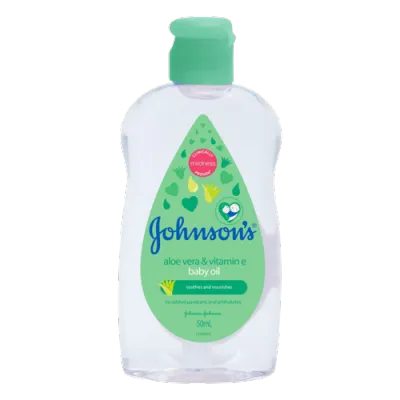
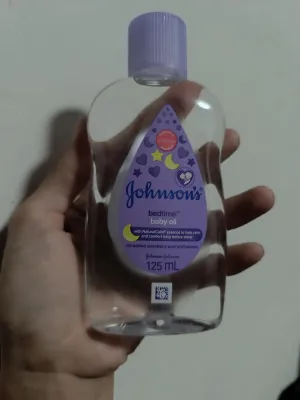
Prices are valid at publication and may change. Please refer to the product page for the latest price.
For daily use in the Philippines, choose mineral oil if you prioritize maximum chemical stability, allergy prevention, and long-term cost-efficiency. Choose a high-quality plant-based oil if you prefer a fast-absorbing, non-greasy option for daily infant massage in hot weather, provided you store the bulk bottle properly and use it before it degrades.
Formulation Breakdown: How Mineral and Plant Oils Work on Baby Skin
To understand how these oils perform, we must examine their molecular structures and how they interact with the delicate stratum corneum of an infant. A baby’s skin is significantly thinner and loses moisture much faster than adult skin, making the choice of barrier protection critical.

Cosmetic-grade mineral oil, often labeled as liquid petrolatum, consists of highly refined, saturated hydrocarbons. Because it is completely inert, it does not undergo chemical reactions with the skin’s biological systems. Instead, it functions strictly as an occlusive agent, forming a microscopic, hydrophobic barrier on the surface of the skin. This physical shield dramatically reduces transepidermal water loss by trapping existing moisture within the epidermis. Because its molecules are too large to penetrate past the outermost layers of the stratum corneum, it does not clog healthy pores when applied correctly, nor does it deliver active nutrients.
Plant-based oils are composed primarily of triglycerides, which are esters of glycerol and fatty acids. Unlike mineral oil, plant oils are active emollients that can partially penetrate the intercellular lipids of the skin barrier. They contain naturally occurring vitamins, antioxidants, and essential fatty acids that actively mimic and integrate into the skin’s natural lipid matrix. This helps to repair and soothe dry or compromised skin. However, parents must recognize that natural ingredients are not automatically hypoallergenic. Botanical extracts contain complex plant proteins that can occasionally trigger contact dermatitis or allergic sensitization in babies with predisposed skin.
The physical application of these two oil types also differs significantly. Plant-based oils typically offer a lighter, more dry-touch feel because their lipid profiles are compatible with the skin’s natural sebum, allowing them to absorb relatively quickly. This leaves the skin feeling soft and supple without a persistent sticky residue. Mineral oil, by contrast, remains on the surface much longer, creating a distinct, slippery glide that is highly valued for prolonged massage. However, it leaves a classic greasy film that can feel uncomfortably heavy if applied excessively in warm weather.
Daily Use in a Tropical Climate: Humidity and Heat Considerations
Applying skincare products to infants in the Philippines requires careful consideration of the local climate. The combination of high ambient temperatures and intense relative humidity changes how products behave on the skin and how comfortable they feel to a baby.
An infant’s sweat glands are not fully developed at birth and are highly susceptible to blockage. When a heavy, highly occlusive layer of mineral oil is applied to a baby’s skin in a hot, humid environment, it can inadvertently trap sweat and heat underneath the barrier. This physical trapping of perspiration can lead to duct obstruction, resulting in miliaria rubra, commonly known as heat rash or bungang-araw. If a baby is sweating heavily due to the tropical heat, applying thick layers of mineral oil over large areas of the body can exacerbate this discomfort. Therefore, mineral oil must be applied sparingly and wiped away if the baby begins to perspire.
For daily infant massage—a practice highly recommended for bonding and sensory development—plant-based oils are often more practical in tropical climates. Because oils like sunflower or fractionated coconut oil absorb more quickly into the skin, they do not leave a thick, suffocating layer on the epidermis. This allows the skin to breathe more naturally and prevents the baby from feeling uncomfortably sticky or slick in humid rooms. The lighter texture makes the post-massage experience far more comfortable for both the infant and the caregiver handling the baby.
To maximize the benefits of either oil type while minimizing climate-related discomfort, timing is crucial. The most effective method is to apply a very thin layer of oil immediately after a lukewarm bath while the baby’s skin is still damp. This allows the oil to lock in the surface water before it evaporates into the air, requiring only a fraction of the product to achieve deep hydration. Alternatively, if you are using the oil primarily for massage, consider doing so before bath time. This allows you to enjoy the lubricating benefits of the oil during the massage, which can then be gently washed away with a mild, baby-safe cleanser, leaving the skin clean, soft, and free of heavy residue during the hottest hours of the day.
Safety, Skin Barrier, and Pediatric Guidelines
The safety of infant skincare is paramount, as a baby’s skin barrier is up to 30% thinner than an adult’s, making it highly permeable and sensitive to external irritants. Caregivers must prioritize safety by understanding how different oils interact with this delicate barrier.
Because plant-based oils are derived from crops, seeds, and nuts, they carry an inherent risk of triggering botanical allergies. Before applying any plant-based oil from a large 500ml bottle to your baby’s entire body, it is essential to perform a patch test. Apply a single drop of the oil to a small, clean area on the baby’s inner forearm or the side of their neck. Monitor the area closely for 24 hours. If any redness, swelling, tiny bumps, or signs of irritation appear, stop using the product immediately and wash the area with cool water. Mineral oil, being completely synthetic and highly purified, lacks these botanical proteins, making it virtually hypoallergenic and exceptionally safe for babies with highly reactive or compromised skin.
Not all plant oils are created equal when it comes to barrier health, and pediatric dermatological guidelines emphasize checking the fatty acid ratio of botanical oils. Oils rich in linoleic acid, such as high-quality sunflower seed oil, are highly beneficial as they help synthesize ceramides and actively repair the skin barrier. On the other hand, oils high in oleic acid, such as certain olive oil variants, can actually disrupt the lipid layers of the stratum corneum, increasing permeability and leading to irritation or dryness. Mineral oil does not actively repair or feed the skin barrier with lipids, but it provides a highly stable, inert shield that protects the barrier from external irritants while it heals naturally.
Regardless of whether you choose a mineral or plant-based formulation, always inspect the product label carefully. Look for formulations explicitly labeled as fragrance-free, dye-free, and hypoallergenic, as added artificial fragrances are the leading cause of cosmetic contact allergies in infants. Additionally, verify that the product carries appropriate local regulatory marks on the packaging to ensure it has met strict safety and purity standards. If your baby has been diagnosed with atopic dermatitis (eczema) or exhibits severe skin dryness, always consult a pediatrician or pediatric dermatologist before introducing any new daily skincare product.
Buying in Bulk: Managing a 500ml Bottle Safely
Purchasing baby oil in a bulk 500ml size is highly economical, but it introduces specific hygiene and preservation challenges that caregivers must manage carefully. The tropical climate of the Philippines can accelerate the degradation of bulk products if they are not handled correctly.
Plant-based oils are organic substances containing unsaturated fatty acids. When exposed to oxygen, light, and warmth, these lipids undergo a chemical process called oxidation, which leads to rancidity. In a warm, tropical climate, this degradation process accelerates significantly. A large 500ml bottle of plant-based baby oil can take several months to fully consume. Over this extended period, repeated exposure to air every time the bottle is opened can cause the oil to spoil, changing its chemical composition and making it highly irritating to a baby’s skin. Mineral oil, on the other hand, consists of saturated hydrocarbons that are highly stable. It does not oxidize, go rancid, or degrade when exposed to air and warmth, making it the far safer and more reliable choice for long-term bulk storage.
The physical design of a 500ml bottle plays a critical role in maintaining product hygiene. For a bottle of this size, a pump dispenser is vastly superior to a standard pour-cap or flip-top lid. A pump mechanism creates a semi-sealed system that minimizes the amount of air entering the bottle with each use. More importantly, it prevents physical contact with the remaining product. When using a pour-cap, caregivers often touch the bottle opening with oily or damp hands, which can introduce water, household dust, and bacteria into the container. Water contamination is particularly dangerous for preservative-free plant oils, as it creates an ideal breeding ground for harmful mold and bacteria.
To preserve the integrity of your bulk baby oil, proper storage is essential. Never store a 500ml bottle of baby oil in the bathroom, where high humidity and fluctuating temperatures can degrade both the oil and its packaging. Instead, keep the bottle in a cool, dark, and dry pantry or closet, away from direct sunlight. Ensure the dispensing nozzle is wiped clean with a dry, clean cloth after each use to prevent old oil from drying and clogging the pump, which can attract dust and compromise hygiene. Finally, always supervise your baby during and after oil application, as baby oil makes their delicate skin extremely slippery, increasing the risk of accidental slips or falls.
Decision Framework: Which 500ml Baby Oil Fits Your Routine?
To finalize your decision and choose the ideal 500ml baby oil for your daily routine, consider the following practical scenarios and safety guidelines:
Choose Mineral Oil (500ml) if:
- Your baby has extremely sensitive, reactive, or allergy-prone skin, and you require a completely inert, hypoallergenic product.
- You want a highly stable bulk product that will not go rancid or lose its quality over several months of daily use in a warm climate.
- You intend to use the oil primarily to lock in moisture immediately after a bath on damp skin, or to treat localized patches of cradle cap.
Choose Plant-Based Oil (500ml) if:
- You prioritize a fast-absorbing, lightweight oil for daily infant massage that will not leave a heavy, sticky residue in hot weather.
- You want to actively support your baby's skin barrier with natural fatty acids and vitamins found in oils like sunflower seed oil.
- You are committed to storing the bottle in a cool, dark place and can realistically use the 500ml volume within its recommended opened shelf life, typically indicated by the period-after-opening symbol on the label.
Verify First if:
- Your infant has diagnosed skin conditions like eczema, severe dry patches, or a family history of severe botanical allergies. In these instances, do not purchase a bulk 500ml bottle immediately. Instead, consult your pediatrician or dermatologist, perform a strict 24-hour patch test, and consider starting with a smaller travel-sized bottle to verify compatibility before investing in a bulk size. Always check the manufacturer's instructions and stop use immediately if any adverse reaction occurs.
Frequently Asked Questions (FAQ)
Can I use food-grade plant oils instead of cosmetic baby oil?
No, you should avoid using food-grade plant oils, such as standard cooking olive oil or kitchen-grade coconut oil, on your baby’s skin. Food-grade oils are manufactured and refined for consumption, not for topical application on delicate infant skin. They often contain trace impurities, natural proteins, and free fatty acids that can irritate the skin barrier or trigger allergic reactions. Furthermore, some culinary oils like olive oil have high ratios of oleic acid, which can actively disrupt the skin barrier of an infant. Cosmetic-grade baby oils undergo rigorous purification, filtration, and testing to ensure they are free of allergens, heavy metals, and irritants, making them much safer for daily skincare. Always choose products formulated and explicitly labeled for baby use.
Does baby oil expire, and how can I tell if my 500ml bottle has gone bad?
Yes, baby oil can expire, especially plant-based formulations. While pure mineral oil is exceptionally stable and can last for several years without degrading, plant-based oils will eventually oxidize and go rancid. You can determine if your 500ml bottle has gone bad by checking for key sensory changes. Rancid plant oil typically develops a sharp, sour, or cardboard-like smell that replaces its original neutral or pleasant scent. It may also show visible changes, such as darkening in color, developing a cloudy appearance, or becoming unusually thick and sticky to the touch. If you notice any of these signs, or if the product has passed its printed expiration date or period-after-opening limit, discard the remaining oil immediately to prevent skin irritation or contact dermatitis.

Community discussion
Share your experience or ask a question. Comments are reviewed before publication.