
Choosing between Merries, Moony, and MamyPoko tape diapers depends on your baby’s physical build, skin sensitivity, and activity levels. While all three Japanese brands are highly regarded for their soft materials, they cater to different priorities. Merries focuses heavily on breathability to combat tropical heat, Moony emphasizes an ergonomic, contoured fit to prevent gaps, and MamyPoko prioritizes high-capacity absorbency for active babies and overnight wear. Finding the perfect match involves evaluating these design philosophies against your baby’s unique needs, especially in a warm climate like the Philippines where moisture control is crucial.
Key Comparison Dimensions for Japanese Tape Diapers
Selecting the right tape diaper requires looking past brand names and focusing on how a diaper’s construction interacts with your baby’s body. In tropical climates, factors like humidity, sweat, and friction can quickly turn a minor fit issue into a painful diaper rash. Caregivers must evaluate specific design elements to ensure the diaper performs reliably throughout the day and night.
To make an objective comparison, you should focus on three primary dimensions: absorbency, physical fit, and material breathability. Each of these factors directly influences your baby’s comfort, skin health, and freedom of movement. By understanding what to look for on product labels and how to observe the diaper in use, you can make a more informed decision.
Products mentioned in this guide
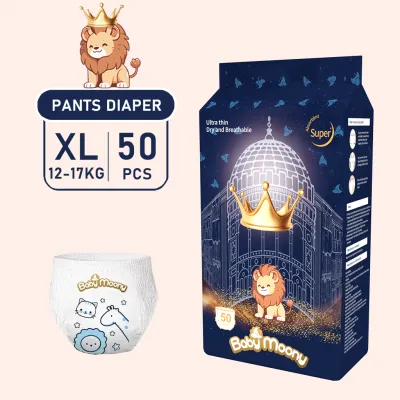
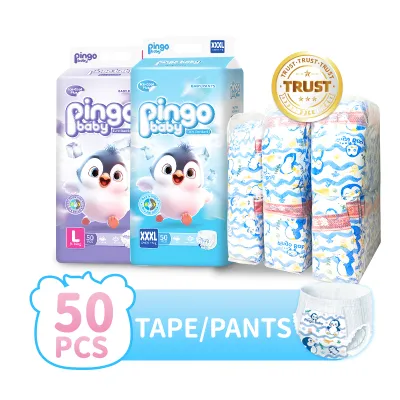
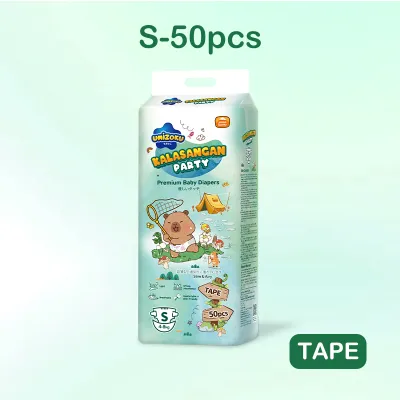
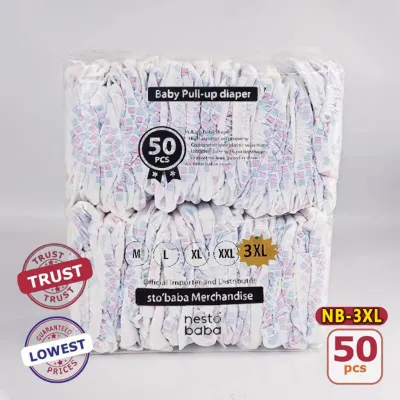
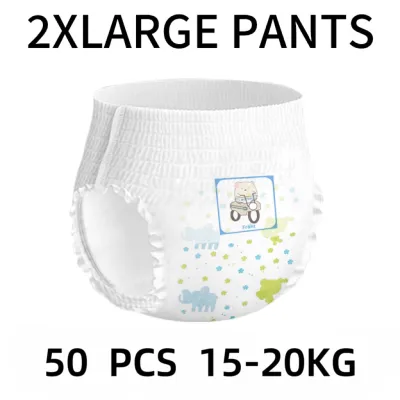
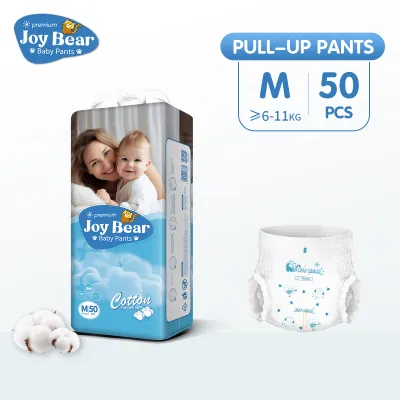
Prices are valid at publication and may change. Please refer to the product page for the latest price.
Absorbency and Leak Protection
Evaluating absorbency goes beyond assuming a thicker diaper holds more liquid. Modern Japanese diapers utilize advanced superabsorbent polymers distributed across specialized core layers to draw moisture away from the skin rapidly. When shopping, always check the manufacturer’s packaging for the recommended weight range, as an incorrect size directly compromises the diaper’s absorbent capacity.
Once the diaper is on your baby, monitor the wetness indicator line on the outside, which changes color as moisture accumulates. Observe how the diaper behaves when wet; a high-quality core should distribute liquid evenly rather than allowing it to pool or sag heavily in one spot. Sagging can pull the waistband down, creating gaps around the legs that inevitably lead to leaks.
Fit, Comfort, and Skin Sensitivity
A secure fit is essential for preventing leaks, but it must not come at the expense of your baby’s comfort. Examine the flexibility and reusability of the tape fasteners, which should attach securely to the front landing zone without tearing or losing grip when adjusted. The waistband should offer high stretchability, expanding and contracting gently as your baby breathes, feeds, and moves.
To protect sensitive skin from friction and moisture buildup, inspect the leg cuffs to ensure they feature soft, double-layered gathers that stand upright to block leaks without digging into the thighs. Always verify hypoallergenic claims, fragrance-free labels, and material descriptions on the packaging. Regularly monitor your baby’s skin for red marks, chafing, or localized irritation, which are clear signs that the fit or material is not compatible.
Value, Pack Sizes, and Availability
While premium Japanese diapers are an investment, smart purchasing strategies can help manage your household budget. Instead of comparing the total price of different packages, calculate the cost per individual diaper by dividing the package price by the total piece count. This calculation allows you to compare standard retail packs, bulk boxes, and promotional 50-piece packs accurately.
When purchasing discounted or promotional packs, always locate and inspect the manufacturing or expiration dates printed on the plastic wrapping. Diapers stored in high-humidity environments for extended periods can suffer from degraded adhesive tapes or compromised absorbent polymers. Ensuring the packaging is fully sealed and relatively fresh guarantees that you receive the performance you pay for.
Brand Profiles: Merries, Moony, and MamyPoko
Each of the three major Japanese diaper brands approaches baby comfort from a slightly different angle. Their product lines reflect distinct engineering priorities, from maximizing airflow to perfecting the physical shape of the diaper. Understanding these core philosophies helps you match a brand’s strengths to your baby’s specific daily routine and physical development.

Merries: Breathability and Softness
Merries is widely recognized for its dedication to skin dryness through exceptional breathability. The brand utilizes a unique textured inner sheet that features a wavy or dimpled pattern, which minimizes direct contact with the baby’s skin. This design creates tiny air channels that allow heat and moisture to escape continuously, keeping the diaper area dry and cool.
This high-airflow design makes Merries an excellent candidate for babies who are prone to heat rash, eczema, or general skin sensitivity triggered by tropical humidity. The soft, cushiony materials extend to the waistband and leg gathers, reducing the risk of friction-induced redness. However, caregivers should carefully verify the specific product line they are purchasing, as features, softness levels, and material compositions can vary between standard retail lines and premium tiers.
Moony: Ergonomic Fit and Premium Feel
Moony focuses heavily on the physical ergonomics of the diaper, designing its products to match the natural, curved posture of a baby’s body. The brand incorporates highly flexible, three-dimensional stretch materials that hug the baby’s waist and thighs gently without applying excessive pressure. This contoured design minimizes gaps that typically form when a baby bends, rolls, or kicks.
If your baby frequently experiences leaks around the back of the waist or the leg openings during active play, Moony’s tailored fit may provide the solution. The brand’s attention to detail is also evident in its specialized designs for younger infants. When purchasing newborn sizes, check the packaging to verify the inclusion of an umbilical cord cutout, which protects the healing navel area from friction and moisture.
MamyPoko: High Absorbency and Active Babies
MamyPoko is engineered with a strong emphasis on robust absorbency and secure, heavy-duty construction. The brand’s tape diapers typically feature a high-capacity absorbent core designed to lock away large volumes of liquid quickly, making them a popular choice for overnight use or extended outings. This focus on capacity helps keep the baby’s skin dry even during long stretches of sleep.
This structural design is highly suitable for older, more active babies who are beginning to roll, crawl, or pull themselves up. The diaper is built to withstand the physical stress of constant movement without shifting out of place or sagging prematurely. When selecting MamyPoko tape diapers, inspect the specific packaging to check the strength of the tape fasteners and the height of the leg gathers, ensuring they provide the secure barrier needed for an active lifestyle.
Decision Framework: Which Brand Fits Your Baby?
To simplify your purchasing decision, you can use a structured framework based on your baby’s current developmental stage, skin condition, and daily patterns. Because every baby’s body shape and skin sensitivity are unique, what works perfectly for one family may not suit another.
Choose Merries if:
- Your baby has highly sensitive skin that reacts quickly to moisture, heat, or friction.
- You live in an exceptionally warm or humid environment where heat rash is a constant concern.
- You prefer an ultra-soft, lightweight texture that minimizes skin contact.
Choose Moony if:
- Your baby has a slender or highly contoured build that frequently causes gaps in standard diapers.
- You experience persistent leaks around the thighs or lower back during movement.
- You are buying for a newborn and want specialized features like an umbilical cord cutout.
Choose MamyPoko if:
- Your baby is a heavy wetter or you need a reliable diaper specifically for long overnight sleep.
- Your baby is highly active, crawling, or walking, and requires a diaper that stays securely in place.
- You prioritize high-capacity absorbency and robust tape fasteners that resist shifting.
Verify first if:
- Your baby has a diagnosed medical skin condition, such as severe atopic dermatitis, in which case you must consult a pediatrician before introducing new diaper materials.
- Your baby falls at the extreme upper or lower limit of a manufacturer's weight chart, as you may need to adjust the size rather than switching brands to resolve fit issues.
Before committing to large, bulk-carton purchases, utilize smaller 50-piece promotional packs or trial packs. Testing a smaller quantity allows you to observe how the diaper performs under real-world conditions, including overnight sleep and active daytime play, without risking a significant financial investment.
Purchasing Tips and Safety Checks
To ensure your baby receives the full benefits of these premium Japanese designs, you must take steps to purchase authentic products and maintain their quality at home. Counterfeit diapers or poorly stored genuine products can lead to poor absorbency, skin irritation, and tape failures.
Always purchase your diapers from official brand stores, authorized supermarkets, or highly verified sellers on major e-commerce platforms. When your order arrives, carefully inspect the outer plastic packaging before opening it. Verify that the factory seals are completely intact, and locate the printed manufacturing date and batch number to ensure the product is genuine and within its optimal shelf life.
Proper storage is critical in tropical climates where high humidity can degrade diaper materials. Store unopened and opened diaper packs in a cool, dry place away from direct sunlight, damp walls, and pests. Exposure to excessive moisture in the air can prematurely activate the wetness indicator or compromise the absorbent polymers, reducing the diaper’s overall capacity and performance.
Frequently Asked Questions (FAQ)
Can I mix different Japanese diaper brands for day and night use?
Yes, mixing different diaper brands is a highly practical and cost-effective strategy used by many caregivers. For example, you might choose a highly breathable, lightweight diaper like Merries for daytime use when you can change your baby frequently, and switch to a high-capacity diaper like MamyPoko for overnight sleep. This approach balances daytime comfort with overnight leak protection. When transitioning between different brands, monitor your baby’s skin closely for a few days to ensure that the variation in materials and fit does not cause localized friction or allergic reactions.
How do I know if the tape diaper size is too small or too large?
You can determine if a diaper size is incorrect by observing physical signs rather than relying solely on the weight chart. A diaper is too small if you notice deep red marks on your baby’s thighs or waist, if the waistband sits far below the belly button, or if you experience frequent leaks despite regular changes. Conversely, a diaper is too large if there are visible gaps around the leg cuffs when your baby moves, or if the tape fasteners must overlap at the front panel to achieve a secure fit.
Are 50-piece promotional packs the same quality as standard boxes?
Yes, promotional 50-piece packs produced by authorized manufacturers contain the exact same high-quality diapers found in standard retail boxes or larger bulk packaging. These mid-sized packs are often released for promotional sales or specific distribution channels. When purchasing these packs, always verify that the outer plastic wrapping is completely sealed and undamaged upon delivery. This check ensures that the diapers have not been exposed to dust, moisture, or contaminants during transit, preserving their absorbency and hygiene.
Community discussion
Share your experience or ask a question. Comments are reviewed before publication.