
Navigating the physical changes of pregnancy often requires extra physical support to manage daily discomfort and fatigue. Deciding between a maternity belly band and a pregnancy pillow comes down to identifying when and where you experience the most strain. A maternity belly band is designed for active, daytime wear to relieve pressure on your back and pelvis while you move. In contrast, a pregnancy pillow is crafted for stationary rest, helping you maintain comfortable, aligned side-sleeping positions throughout the night.
Understanding how your body changes during each trimester helps you determine which of these supportive tools will offer the greatest relief. While some parents-to-be find that one product solves their primary discomfort, others benefit from using both at different times of the day. Your personal daily routine, sleeping habits, and specific physical symptoms will ultimately guide your purchasing decision.
Decoding Your Trimester: When to Use a Belly Band vs. a Pillow
During the first trimester, physical changes are largely internal as your body adapts to hormonal shifts. While you might experience early fatigue, the physical weight of the baby is not yet putting significant strain on your muscles or joints. At this stage, specialized support products are rarely necessary, though establishing good side-sleeping habits early on can prepare you for the months ahead.
Products mentioned in this guide
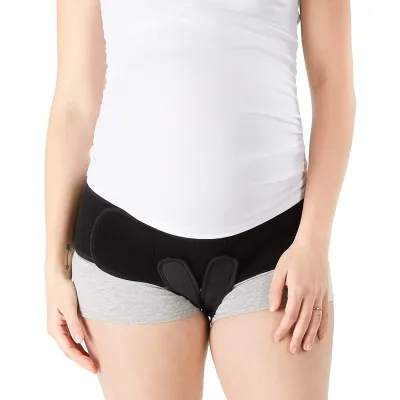
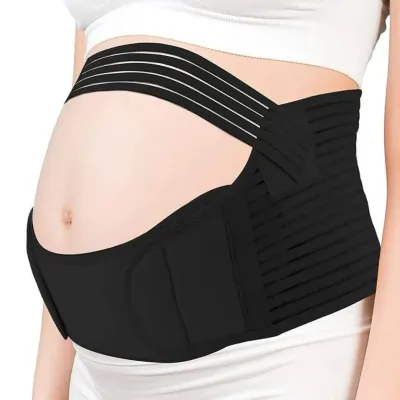
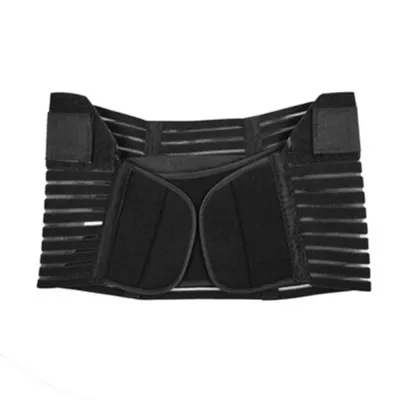
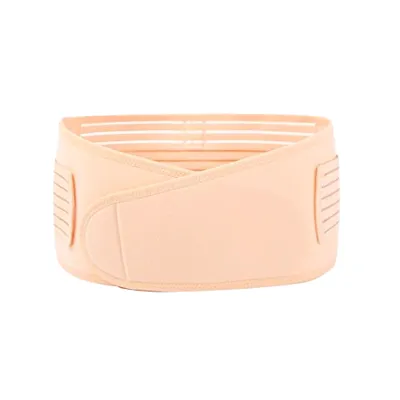
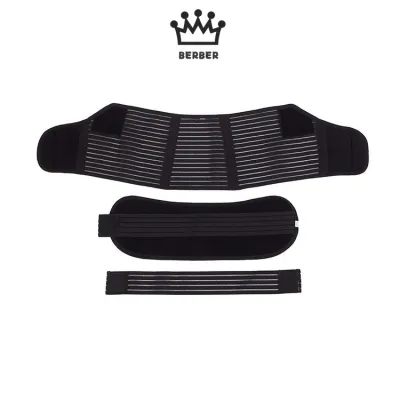
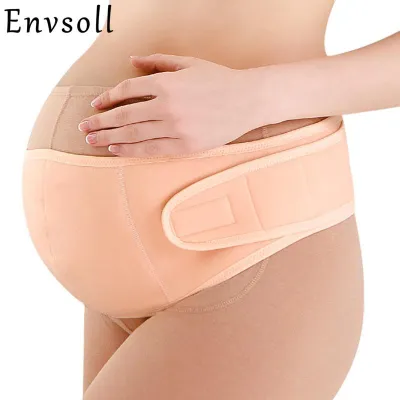
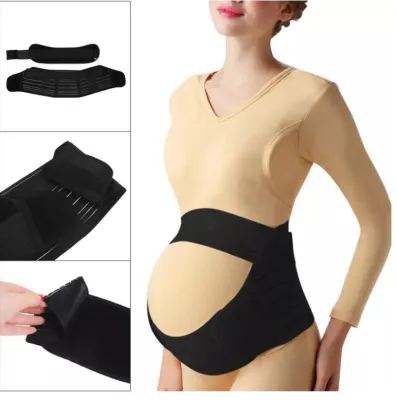
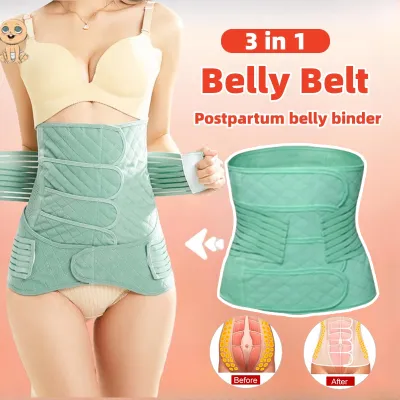
Prices are valid at publication and may change. Please refer to the product page for the latest price.
As you enter the second trimester, your belly begins to expand, shifting your center of gravity forward. This shift often triggers round ligament pain—a sharp sensation in the lower abdomen—and mild lower back strain. This is the ideal window to introduce a maternity belly band if you spend long hours standing, walking, or managing household chores. The gentle compression helps stabilize the pelvis and lift the lower abdomen, reducing the sudden jolts that cause discomfort during movement.
By the third trimester, the rapid increase in fetal weight places maximum pressure on your pelvic floor, hips, and lower back. Sleep disruptions become more frequent as finding a comfortable position on your side becomes increasingly difficult. A pregnancy pillow becomes highly valuable during these final months, offering a dedicated cushion to support the weight of your belly and keep your hips aligned.
While these general patterns apply to many pregnancies, your unique body mechanics and daily activities will dictate your needs. A schoolteacher who stands all day will have different support requirements than an office worker who sits at a desk. Always discuss your physical symptoms with your obstetrician or physical therapist to ensure any support product you choose aligns with your health profile.
Maternity Belly Bands: Wearable Relief for Daily Activities
Maternity belly bands are flexible, wearable accessories designed to wrap around your lower abdomen and lower back. By providing upward lift to the belly, they redistribute the weight of the pregnancy more evenly across your torso. This redistribution reduces the workload on your lower back muscles and stabilizes the sacroiliac joints, which often become loose due to pregnancy hormones.

When shopping for a belly band, especially in a warm and humid tropical climate like the Philippines, material selection is critical. Look for bands made from breathable, moisture-wicking fabrics such as cotton blends or those featuring integrated mesh ventilation panels. Seamless designs are also beneficial, as they minimize friction and chafing against sensitive skin when worn under clothing during hot afternoons. Adjustable hook-and-loop closures allow you to customize the tightness as your belly grows throughout the second and third trimesters.
Despite their benefits, wearable support bands have clear limitations that you must observe for your safety. They are not intended for continuous, all-day wear; keeping a band on for too long can cause your core muscles to rely on the external support, potentially weakening them over time. Most manufacturers recommend limiting wear to a few consecutive hours during active tasks. If you notice red marks on your skin, feel restricted in your breathing, or experience digestive discomfort, the band is likely too tight and should be loosened or removed immediately.
Pregnancy Pillows: Full-Body Alignment for Rest and Sleep
Pregnancy pillows are specialized bedding accessories engineered to support the changing contours of your body while you rest. As side sleeping becomes the recommended position in later pregnancy, these pillows help prevent you from rolling onto your back or stomach. By placing a cushion between your knees and under your abdomen, you can maintain a neutral spine, which significantly reduces morning hip and lower back stiffness.
These pillows come in several distinct shapes, each catering to different space limitations and support needs. U-shaped pillows offer symmetrical, full-body support for both your front and back, making them excellent for sleepers who turn frequently during the night. However, they require a substantial amount of bed space and may crowd a standard double or queen-sized mattress. C-shaped pillows provide similar head-to-toe support but are slightly more compact, wrapping around your body to cradle your head, belly, and knees.
For those with limited bed space or targeted discomfort, a wedge pillow is a highly practical alternative. These small, firm, slope-shaped cushions slide directly under your belly or behind your back to prevent rolling. Because they are compact, they are easy to pack for travel and do not retain as much body heat as full-body options. Regardless of the shape you choose, verify that the pillow features a removable, machine-washable cover to make managing sweat and humidity straightforward.
Side-by-Side Comparison of Pregnant Belly Support Options
To help you evaluate these two support options, the table below outlines their primary differences across key practical dimensions.
| Feature | Maternity Belly Band | Pregnancy Pillow | What to Verify on the Label |
|---|---|---|---|
| Primary Use Case | Active daytime movement, walking, and standing chores | Nighttime sleep, lounging, and side-sleeping alignment | Intended use instructions and safety warnings |
| Mobility | Highly portable; worn discreetly under or over clothing | Stationary; designed for use in bed or on a sofa | Product dimensions and weight |
| Trimester Suitability | Typically introduced in the second trimester | Beneficial from the second trimester through postpartum | Manufacturer age or stage recommendations |
| Space Requirements | Minimal; easily fits in a handbag or drawer | Moderate to high; can occupy significant bed space | Exact product measurements |
| Material Care | Hand wash or delicate cycle; air dry | Removable cover; machine-washable | Fabric composition and washing instructions |
These products are not mutually exclusive; they address entirely different parts of your daily routine. Many expectant parents find that using a belly band during the day keeps them active, while a pregnancy pillow ensures they get the restorative sleep needed to recover. Rather than searching for a single winner, consider how your daily discomforts are distributed between your waking and sleeping hours.
The Decision Framework: Which Support Should You Buy?
To determine the best investment for your current stage, evaluate your daily routine and physical pain points using this structured framework.
Choose a maternity belly band if your primary discomfort occurs while you are upright and moving. If your job requires prolonged standing, or if you find yourself cutting walks short due to pelvic pressure or lower back aches, a wearable band offers the targeted compression needed to stay mobile. It is also the ideal choice if you have limited storage space or share a smaller bed where a large pillow would be impractical.
Choose a pregnancy pillow if your main struggle is getting comfortable enough to fall and stay asleep. If you wake up frequently with aching hips, find it difficult to stay on your side, or experience lower back stiffness in the morning, a full-body or wedge pillow is the logical choice. This option focuses on passive recovery, ensuring your muscles can fully relax during the night.
Consider both options if you are in your third trimester and find that physical discomfort impacts both your daytime productivity and your nighttime rest. Using a belly band for active chores during the day and transitioning to a pregnancy pillow at night provides comprehensive, round-the-clock support. This combination can help manage the cumulative strain of late-stage pregnancy more effectively.
Verify first with your healthcare provider if you have a high-risk pregnancy, are expecting multiples, or experience severe, localized pelvic girdle pain. In these situations, standard retail support products may need to be replaced or supplemented with medical-grade orthotics or specific physical therapy exercises. Your doctor can provide personalized guidance on whether a commercial band or pillow is safe for your specific medical profile.
Safety, Fit, and Usage Boundaries
Using pregnancy support products correctly is essential to avoid unintended strain on your body or your baby. For maternity belly bands, the fit should feel like a gentle, supportive hug rather than tight shapewear. The band must sit low on your hips, cradling the underside of your belly to lift it upward without compressing the abdomen itself. If you feel any restriction in your breathing, pressure on your bladder, or digestive discomfort, loosen the band immediately.
Always refer to the manufacturer’s specific sizing chart before purchasing a belly band, as sizing is typically based on your pre-pregnancy measurements or current hip circumference rather than standard clothing sizes. Avoid the temptation to buy a larger size to “grow into,” as an improperly fitting band will not provide the correct structural support. For pregnancy pillows, ensure the cushion does not force your neck or spine into an unnatural curve; your head should rest at a height that keeps your neck aligned with your spine.
Stop using any support product immediately and consult your healthcare professional if you experience any warning signs. These red flags include a sudden increase in pelvic or back pain, numbness or tingling in your legs, skin irritation or rashes from the fabric, or a noticeable reduction in fetal movement. Your comfort should never come at the expense of safety, and professional medical advice should always supersede general product guidelines.
Frequently Asked Questions (FAQ)
Can I wear a maternity belly band while sitting?
While you can wear a maternity belly band while sitting, the change in your posture can alter how the band distributes pressure. When you sit, your abdomen naturally compresses, which may cause the band to ride up, dig into your hips, or press too tightly against your lower stomach. If you plan to sit for an extended period, such as during a desk job or a long car ride, it is generally best to loosen the band or remove it entirely. Always check the manufacturer’s instructions, as some structured belts are explicitly designed only for standing and walking.
Do I need a special pregnancy pillow if I already have regular pillows?
You do not strictly need a specialized pregnancy pillow if you can achieve comfortable alignment using regular household pillows. Many people successfully tuck standard pillows under their belly, behind their back, and between their knees. However, regular pillows tend to shift, slide, or flatten out during the night, requiring you to readjust them every time you turn over. A dedicated pregnancy pillow offers integrated, contoured support that stays in place, reducing sleep disruptions and providing more consistent ergonomic alignment throughout the night.
Are belly bands and pregnancy support garments the same thing?
Belly bands and pregnancy support garments are distinct products designed for different levels of physical support. A standard belly band is typically a simple, stretchy fabric tube designed to cover unbuttoned pre-pregnancy pants and offer light, flexible support. In contrast, structured support garments, often called maternity belts or pelvic bands, feature non-stretch straps, hook-and-loop fasteners, and sometimes shoulder straps to provide heavy-duty mechanical lift for severe back or pelvic pain. Review the product description carefully to ensure you select the level of structure your body requires.

Community discussion
Share your experience or ask a question. Comments are reviewed before publication.