
Quick Answer: Can Materna Handle Heavy Milk Leakage?
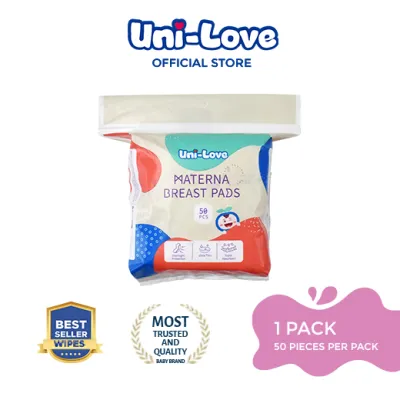
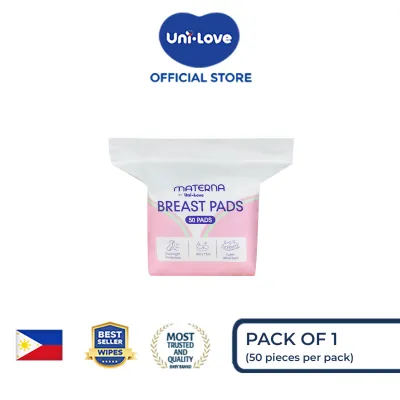
Managing heavy milk leakage during your breastfeeding journey depends on matching a pad’s specific absorbency capacity and leak-proof barriers to your individual flow volume. While Materna breast pads provide a reliable and accessible option for everyday wear, extreme or sudden heavy leakage may require specialized high-capacity disposable pads or multi-layered reusable alternatives.
Every mother’s letdown reflex and milk volume are unique, meaning a pad that works perfectly for one person might saturate quickly for another. In the warm and humid climate of the Philippines, keeping the skin dry is not just a matter of comfort, but also of hygiene. Damp environments can quickly encourage bacterial growth or yeast infections like thrush, making high-performing barriers essential.
Before purchasing any nursing pads in bulk, inspect the product packaging for specific fluid retention metrics, leak-guard designs, and material descriptions. Comparing these specifications across different brands ensures you select a product designed to handle your specific flow rate while keeping your skin dry and comfortable.
Products mentioned in this guide
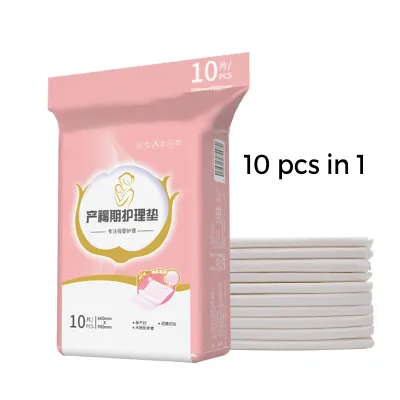
Prices are valid at publication and may change. Please refer to the product page for the latest price.
What to Look for in Nursing Pads for Heavy Leakage
When evaluating nursing pads for heavy flow, the internal construction of the absorbent core is the most critical factor to consider. Many high-capacity disposable pads utilize Super Absorbent Polymer (SAP) technology, which transforms liquid into a secure gel to lock moisture away from the skin. In contrast, reusable options rely on multiple layers of natural fibers, such as cotton, bamboo, or microfiber, which absorb fluid through physical loft rather than chemical transformation.

A reliable leak-proof backing is equally essential to prevent milk from soaking through your bra and clothing during sudden, high-volume letdowns. Look for pads that feature a breathable yet water-resistant outer layer, often made of specialized laminate fabrics or hydrophobic synthetic materials. This barrier must extend all the way to the edges of the pad, as weak perimeter seals are a common cause of side leakage and clothing stains.
In tropical climates where sweat and humidity are daily realities, breathability and skin-contact materials require extra attention. The innermost layer of the pad, which rests directly against the sensitive skin of the nipple and areola, should be exceptionally soft, non-woven, and designed to wick moisture away instantly. Poorly ventilated pads can trap heat and perspiration, leading to painful chafing, clogged ducts, or skin irritation over extended wear.
Finally, secure placement is vital for maintaining coverage during movement, daily chores, or sleep. Look for pads with wide, high-quality adhesive strips—ideally two per pad—to prevent shifting, bunching, or folding inside your nursing bra. A contoured, three-dimensional shape also helps the pad conform naturally to your breast, reducing gaps where milk could escape and ensuring a discreet profile under thin clothing.
Comparing Materna Breast Pads to Other Options
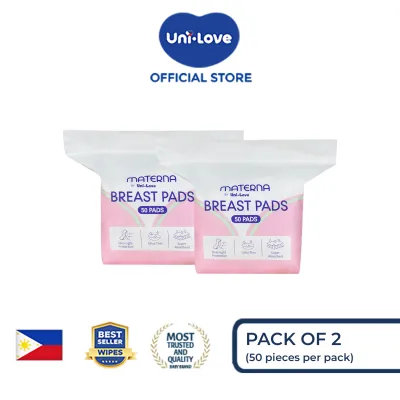
Standard disposable breast pads, such as those offered by Materna, are generally designed for convenience, hygiene, and moderate daily leakage. These pads typically feature a slim profile that remains virtually invisible under standard nursing bras and everyday clothing. However, for mothers experiencing intense oversupply or forceful letdowns, ultra-thin standard disposables may require very frequent replacement to avoid saturation.
When comparing standard disposables to ultra-thin specialty variants, you will often find a trade-off between discretion and total fluid capacity. Ultra-thin pads use highly compressed absorbent cores that excel at hiding under tight clothing but may struggle to absorb sudden, large volumes of milk quickly. If you choose an ultra-thin option, look for brands that explicitly state they use rapid-wicking top sheets to handle sudden surges.
Reusable cloth or bamboo nursing pads present a very different set of advantages and considerations compared to disposables. High-quality reusable pads often feature thick, plush layers of bamboo terry or organic cotton, which can hold a significant volume of liquid and feel incredibly gentle on irritated skin. However, they lack the chemical gelling agents of disposables, meaning they can feel heavier when wet and require a dedicated washing and drying routine to maintain hygiene.
To make an informed choice, learn to read and compare manufacturer labels on products available in local pharmacies, baby boutiques, or online marketplaces. Look past marketing terms like “maximum protection” or “ultra-absorbent” and focus instead on concrete structural details. Check for listed features such as double adhesive tapes, contoured pleats, honeycomb top sheets, and breathable waterproof backings to gauge how a pad will perform under pressure.
How to Test Absorbency and Comfort Yourself
Before committing to a large bulk purchase of any nursing pad brand, conducting a simple home test can save you both money and discomfort. You can easily perform a water absorption test by placing a dry pad on a flat surface and slowly pouring measured amounts of water onto the center. Start with 5 milliliters (about one teaspoon) to simulate a moderate letdown, and observe how quickly the liquid sinks into the core.
After pouring the liquid, wait about thirty seconds and press a dry paper towel firmly against the center of the pad. If the paper towel remains completely dry, the pad’s top sheet is successfully wicking moisture away and locking it into the core. For heavy leakage testing, repeat this process with an additional 5 to 10 milliliters of water to determine the point at which the pad feels wet to the touch or begins to leak from the sides.
To evaluate the effectiveness of the leak-guard barriers, apply a small amount of fluid directly near the outer perimeter of the pad. Observe whether the water pools and runs off the edge or if the outer backing successfully prevents the moisture from seeping through to the underside. A high-quality pad should keep its backing completely dry, ensuring that no milk transfers to your clothing even when the core is near capacity.
Finally, wear a single test pad at home for a few hours during a period of low activity to assess its physical comfort and adhesive reliability. Pay close attention to whether the edges scratch your skin, if the pad bunches up when you move, or if the adhesive loses its grip due to body heat and perspiration. If you experience persistent dampness, skin redness, itching, or frequent clothing stains, stop using that specific brand immediately and try an alternative design.
Decision Framework: When to Choose Which Pad
Selecting the right nursing pad is a highly personal decision that depends on your daily routine, budget, and leakage patterns. To help streamline your choice, consider the following condition-based guidelines:
- Choose Materna or standard disposables if you experience moderate, predictable leakage throughout the day, value the convenience of throwing away used pads, and prefer a lightweight, budget-friendly option (often costing around ₱5 to ₱15 per piece) for regular daily wear.
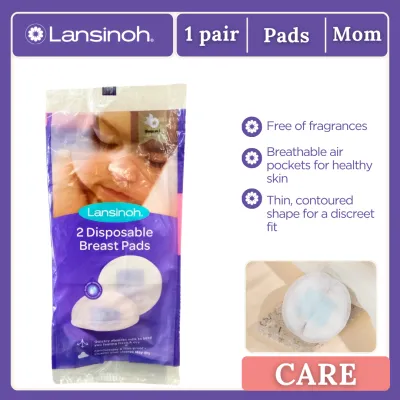
- Choose specialized high-capacity or overnight disposables if you experience heavy, sudden letdowns, find yourself waking up with wet sheets, or need reliable protection during long outings where changing your pads frequently is not practical.
- Choose premium reusable bamboo or cotton pads if you have highly sensitive skin that reacts to synthetic materials, prefer a sustainable and eco-friendly option, and are comfortable with washing and drying pads alongside your regular laundry.
- Choose a combination approach by using breathable reusable pads while relaxing at home to soothe your skin, and switching to high-absorbency disposables when going out or sleeping to ensure maximum leak protection.
Regardless of the brand or style you choose, always prioritize your physical comfort and skin health above all else. If you experience persistent heavy leakage accompanied by breast pain, localized redness, unusual discharge, or fever, consult a lactation consultant or healthcare provider. These symptoms can indicate underlying issues such as mastitis or thrush, which require professional medical guidance rather than a change in nursing pads.
Frequently Asked Questions (FAQ)
How often should I change nursing pads with heavy leakage?
You should change your nursing pads as soon as they begin to feel damp, heavy, or when they reach their stated capacity limit. For mothers experiencing heavy milk leakage, this typically means changing pads every two to four hours, regardless of any marketing claims of long-lasting dryness. Leaving a wet pad against your skin for extended periods traps moisture and warmth, creating an ideal environment for bacterial growth, nipple soreness, and yeast infections. Always refer to the manufacturer’s hygiene guidelines on the packaging to ensure safe and healthy usage.
Can I use regular sanitary pads instead of nursing pads for heavy leakage?
No, you should not use regular sanitary pads as a substitute for nursing pads to manage breast milk leakage. Sanitary pads are specifically engineered to absorb menstrual blood, which has a completely different viscosity, flow rate, and composition compared to breast milk. Furthermore, the adhesives, synthetic covers, and chemical fragrances used in sanitary pads are not formulated for the highly sensitive skin of the breast and nipple. Using non-nursing products can lead to severe skin irritation, allergic reactions, and potential chemical exposure for your nursing baby, so it is essential to stick to products specifically designed and labeled for breastfeeding.
Community discussion
Share your experience or ask a question. Comments are reviewed before publication.