
Choosing the right pads for washable diaper is one of the most important decisions you will make when transitioning to reusable diapering. The materials that go inside your baby’s diaper directly affect how dry their skin stays, how bulky the diaper feels, and how well the system prevents leaks. Because a baby’s skin is incredibly thin and sensitive, selecting the safest and most compatible fabric is essential for preventing diaper rash and keeping your little one comfortable throughout the day.
Washable diaper pads, commonly referred to as inserts, are primarily made from cotton, bamboo, hemp, and microfiber. While some pads consist of a single pure fiber, many options on the market are blends designed to balance absorbency speed, total capacity, and softness. Understanding the physical properties of these fabrics allows you to customize your baby’s diapering system to match their wetting patterns and skin sensitivity.
Comparing Common Materials for Washable Diaper Pads
When evaluating pads for washable diaper systems, the first step is distinguishing between natural and synthetic fibers. Natural fibers, such as cotton and hemp, are highly breathable and gentle on the skin, but they tend to absorb liquid slightly slower than synthetics and can feel stiff after line-drying. Synthetic fibers, primarily microfiber, absorb liquid almost instantly and remain soft, but they carry a higher risk of drying out the skin and harboring bacteria if not washed thoroughly.
Products mentioned in this guide
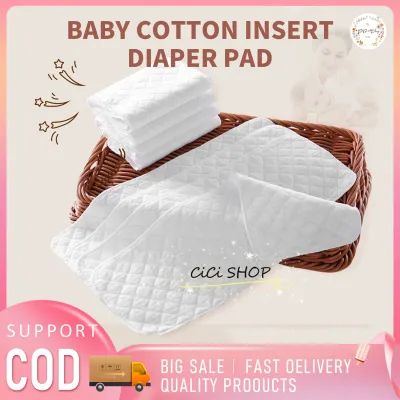
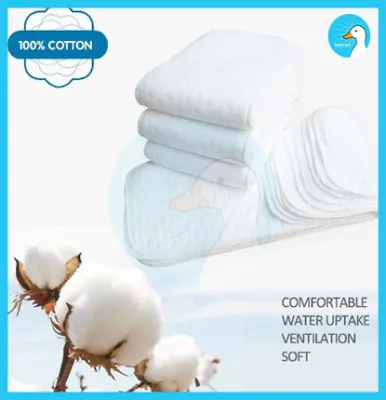
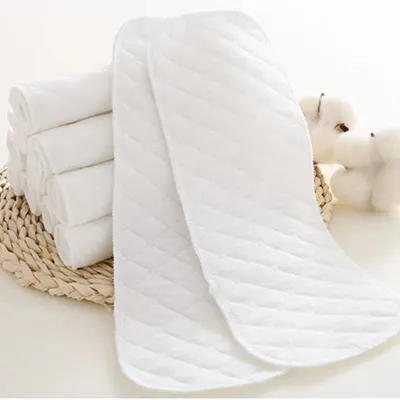
Prices are valid at publication and may change. Please refer to the product page for the latest price.
To make an informed choice, always read the fabric composition labels on the diaper pads or check the manufacturer’s official product listings. Many pads marketed as “bamboo” or “hemp” are actually blends that contain a significant percentage of polyester or microfiber in their inner layers. Checking the exact material percentages ensures you know exactly what is touching your baby’s skin and how the pad will perform under pressure.
Cotton: The Traditional Baseline
Cotton remains the traditional baseline for washable diapering due to its reliability, excellent breathability, and ease of care. It is a highly predictable natural fiber that absorbs liquid quickly, making it an excellent choice for everyday use. Cotton pads are highly durable, easily tolerating frequent washing at high temperatures and resisting the buildup of detergent residues that can lead to odors.
When shopping, you will often see options labeled as organic cotton versus conventional cotton. Organic cotton is grown without synthetic pesticides, which is a reassuring choice for parents looking to minimize chemical exposure on their baby’s skin. Over time and through repeated washes, cotton pads maintain a soft, textured feel that conforms easily to your baby’s body, though they may require a bit of fluffing if line-dried in humid conditions.
Bamboo: Softness and Moisture Management
Bamboo-derived fabrics are highly favored by parents for their exceptional silkiness and natural moisture-wicking properties. These pads are incredibly gentle on delicate skin, making them ideal for babies prone to chafing or friction-induced redness. Bamboo pads typically absorb more liquid than pure cotton while maintaining a relatively slim profile, keeping your baby comfortable for longer periods.
However, it is important to understand that “bamboo” in textiles is almost always bamboo viscose or rayon. This semi-synthetic fabric is processed using chemical solvents to turn hard bamboo wood into soft fibers. While the finished fabric is incredibly soft and safe for use, parents seeking a purely mechanical, chemical-free processing method may prefer organic cotton. Bamboo blends, often mixed with cotton or polyester, are highly recommended for the top layer of the diaper where softness against the skin is the priority.
Hemp: High Capacity and Durability
Hemp is the heavy-duty champion of the cloth diapering world, offering the highest liquid capacity of any natural diapering fabric. Because hemp fibers are incredibly dense, they can hold a large volume of liquid without adding excessive bulk to the diaper. This makes hemp pads the ideal choice for heavy wetters, long car rides, and overnight use.
Because pure hemp can become quite stiff and rough after washing, manufacturers almost always blend it with organic cotton. This blend maintains the high absorbency of hemp while adding the softness and flexibility of cotton. It is also important to note that hemp pads require a “break-in” period; they must be washed and dried multiple times before use to strip away natural plant oils and reach their maximum absorbency potential.
Microfiber: Fast Absorption and Synthetic Traits
Microfiber is a fully synthetic material made from a blend of polyester and polyamide. It is incredibly popular because it is inexpensive, widely available, and absorbs liquid faster than any natural fiber. This rapid absorption makes it highly effective at catching sudden, heavy bursts of wetness before they can cause leaks.
Despite its speed, microfiber has two major drawbacks that require careful management. First, microfiber must never be placed directly against a baby’s skin because its tiny, dense fibers are highly effective at stripping away natural moisture and oils, which quickly leads to severe dryness and irritation. Second, microfiber is highly susceptible to “compression leaks,” meaning that when a baby sits down or moves, the liquid can be squeezed out of the pad like water from a sponge.
Assessing Skin Safety and Sensitivity Factors
Ensuring skin safety when using pads for washable diaper systems requires a proactive approach to monitoring your baby’s skin and verifying fabric quality. To minimize the risk of chemical irritation, look for independent textile certifications, such as the OEKO-TEX Standard 100, on product packaging or official manufacturer listings. These certifications verify that the fabric has been tested for harmful substances and is safe for prolonged contact with infant skin.

In tropical climates like the Philippines, high humidity and heat create a challenging environment for diapering. When moisture is trapped against the skin in warm weather, it can quickly lead to heat rash or contact dermatitis. To prevent this, parents should regularly check the diaper area for redness, small red bumps, or dry patches. If you notice persistent irritation that does not improve with frequent diaper changes and proper air time, stop using the current diaper material and consult a pediatrician for professional guidance.
Matching Absorbency and Trimness to Your Baby's Needs
Finding the perfect diapering setup is a balancing act between absorbency speed, total capacity, and the physical bulk of the diaper. Natural fibers like hemp and cotton absorb liquid at a moderate pace but hold onto it securely, whereas synthetic microfiber absorbs instantly but is prone to leaking under pressure. A baby who wets heavily and quickly may experience leaks with a slow-absorbing hemp pad alone, while a microfiber pad alone may not hold enough volume for a long nap.
To solve this, many parents use a layering strategy that combines the strengths of different materials. Placing a fast-absorbing cotton or bamboo pad on top, closest to the baby’s skin, allows it to catch liquid quickly. Underneath, a high-capacity hemp pad acts as a reservoir, slowly drawing the moisture down and holding it securely. This layered approach prevents both flood leaks and compression leaks while keeping the diaper relatively trim.
Keeping the diaper trim is not just about aesthetics; a diaper that is too bulky can alter a baby’s natural hip alignment or create gaps around the thighs where leaks can escape. During the day, a slim bamboo or cotton pad is often sufficient for active play. For overnight use or long naps, adding a dense hemp insert provides the necessary capacity without making the diaper so thick that the leg elastics can no longer seal properly against the skin.
Washing, Drying, and Maintaining Fabric Performance
The longevity and safety of your washable diaper pads depend entirely on your washing and maintenance routine. Always prioritize the specific care labels and instructions provided by the diaper manufacturer, as different fiber blends have unique tolerances for water temperature and detergents. A proper wash routine typically involves a cold pre-wash to flush out waste, followed by a hot main wash with a residue-free detergent to thoroughly clean the fibers.
Detergent buildup is a common cause of both diaper leaks and skin irritation. When detergent residues accumulate in the fabric fibers, they can cause the pads to repel liquid instead of absorbing it, leading to immediate leaks. Furthermore, these trapped residues can react with wetness to cause chemical-like burns or rashes on your baby’s skin. To check for buildup, submerge a clean, dry pad in a bowl of warm water and squeeze it; if the water becomes cloudy or sudsy, the pads require extra rinsing to clear the residue.
Drying your diaper pads also requires careful attention, especially in humid tropical environments. While synthetic fibers like microfiber dry very quickly, they can be easily damaged or melted by high heat in a clothes dryer. Conversely, dense natural fibers like hemp and cotton require significantly longer drying times. During the rainy season, ensuring natural pads are completely dry before storing them is crucial to prevent the growth of mold and mildew, which can ruin the fabric and irritate your baby’s skin.
Frequently Asked Questions (FAQ)
Can I use microfiber pads directly against my baby's skin?
No, you should never place microfiber pads directly against your baby’s skin. Microfiber is highly absorbent and will strip away the natural moisture and protective oils from your baby’s skin, leading to severe dryness, chafing, and painful rashes. Always place a natural fiber layer, such as cotton or bamboo, or a dedicated stay-dry fleece liner between the microfiber pad and your baby’s skin.
How do I know if a bamboo pad is truly natural?
To determine the true composition of a bamboo pad, you must check the exact material breakdown on the product’s official specifications or care label. Most fabrics marketed as bamboo are actually bamboo viscose or rayon, which are semi-synthetic fibers processed with chemicals. If you are looking for a completely natural, minimally processed option, look for pads labeled as organic cotton or organic cotton-hemp blends.
What materials should I consider for overnight cloth diapering?
For overnight cloth diapering, hemp and thick cotton blends are the most reliable choices due to their high liquid capacity and resistance to compression leaks. A common overnight strategy is to layer a fast-absorbing cotton or bamboo pad on top of a dense hemp pad. This combination quickly absorbs nighttime wetness and stores it securely, keeping your baby dry and comfortable for several hours without causing leg-gap leaks.

Community discussion
Share your experience or ask a question. Comments are reviewed before publication.