
Quick Answer: Which Portable Breast Pump Should You Choose?
Deciding between a manual and an electric portable breast pump depends heavily on your daily schedule, how often you plan to express milk, and your lifestyle. Both mechanisms offer distinct advantages designed to support your breastfeeding journey.
A manual breast pump is often the ideal choice if you pump occasionally, travel frequently, or need a reliable backup during power outages. It requires no electricity, fits easily into a small bag, and is highly budget-friendly.
Conversely, an electric portable breast pump is better suited for mothers who pump multiple times a day, are returning to work, or need a hands-free option to multitask. These devices automate the expression process, saving time and physical effort.
Products mentioned in this guide
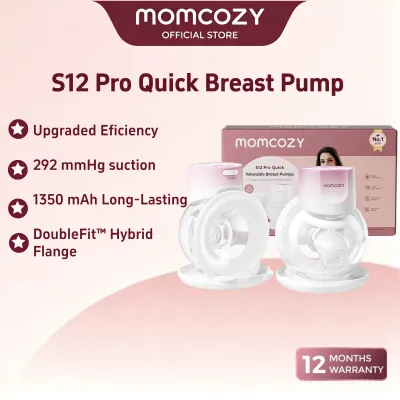
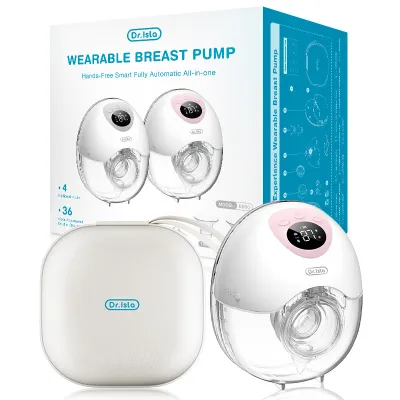
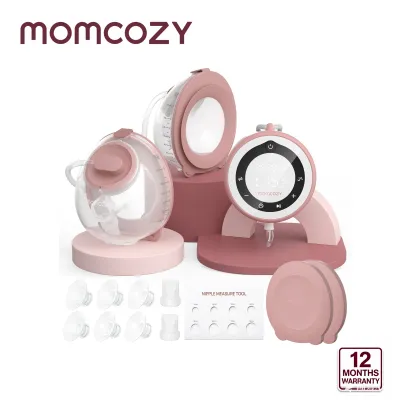
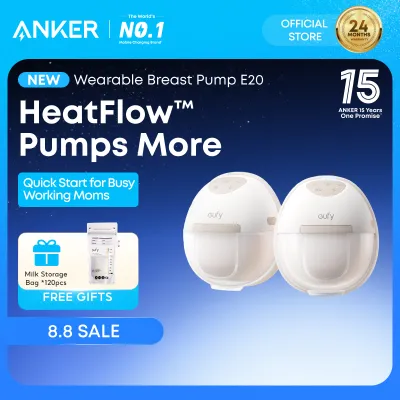
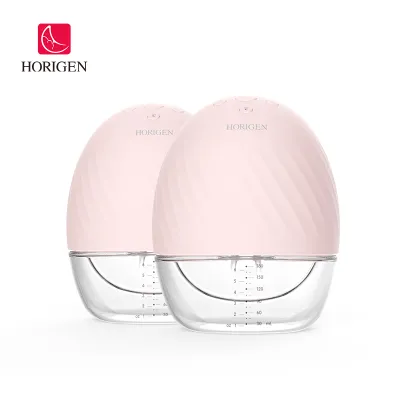

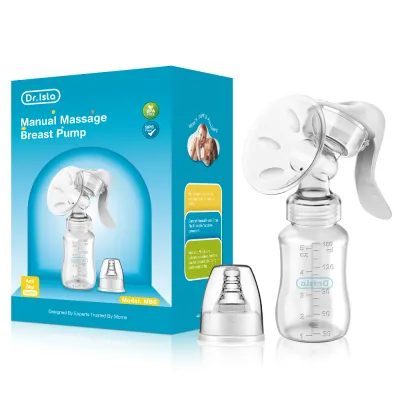
Prices are valid at publication and may change. Please refer to the product page for the latest price.
Your choice ultimately hinges on your daily routine, your budget, and how much control you want over the pumping rhythm.
Suction, Comfort, and Milk Output
When evaluating a portable breast pump, suction control and physical comfort are paramount for maintaining a healthy milk supply. Manual pumps put you in complete control of the pumping rhythm and pressure. By squeezing the handle, you can mimic your baby’s natural suction, adjusting the speed and depth of each stroke instantly. This manual control is highly beneficial for mothers with sensitive breast tissue or those dealing with engorgement, as you can immediately soften the suction if it becomes painful.

Electric portable breast pumps, on the other hand, utilize a motorized pump unit to create suction. Most modern electric models feature adjustable settings, allowing you to toggle between stimulation mode (fast, shallow suctions to trigger let-down) and expression mode (slower, deeper suctions to draw out milk). To ensure safe operation, always check the manufacturer’s specifications and product labels for suction strength limits, which are typically measured in millimeters of mercury (mmHg).
Frequent pumping sessions require a balance between efficiency and comfort. While electric pumps can extract milk more quickly and with less physical effort, improper settings can lead to tissue damage. If you experience persistent pain, bruising, or a sudden drop in milk output, stop using the device immediately and consult a lactation consultant or a healthcare professional.
Portability, Noise, and Discretion
Integrating a portable breast pump into your daily movements requires careful consideration of weight, size, and noise levels. Manual pumps are exceptionally lightweight and compact, consisting of a single bottle, a breast shield, and a manual lever. They require no heavy motors or battery packs, making them easy to slip into a diaper bag or purse for quick outings.
Electric portable breast pumps vary in design, ranging from compact handheld units with tubing to completely wearable, tubeless models that fit directly inside your nursing bra. While wearable models offer unmatched discretion and freedom of movement, they do add noticeable weight and bulk to your chest.
Discretion in shared spaces, such as an office lactation room or a quiet nursery, often depends on noise levels. Manual pumps operate in complete silence, allowing you to express milk without drawing attention. Electric models inevitably produce a motor hum. Before purchasing, check the decibel ratings on the product packaging or the manufacturer’s website to ensure the noise level is suitable for your workplace or public environments.
Power sources also dictate portability. Manual pumps offer absolute reliability because they require no electricity or batteries, making them indispensable during travel or unexpected power interruptions. Electric portable pumps rely on rechargeable lithium-ion batteries, often charged via USB. When choosing an electric model, verify the battery capacity and charging options to ensure the device can last through your typical commuting and working hours.
Setup, Cleaning, and Daily Maintenance
The time spent assembling, disassembling, and cleaning your portable breast pump can significantly impact your daily schedule. Manual pumps generally feature a simple design with fewer parts, such as a silicone diaphragm, a valve, a flange, a bottle, and a handle. This minimal setup makes them quick to wash and reassemble between uses.
Electric portable breast pumps, particularly wearable hands-free models, often contain more intricate components. These can include collection cups, specialized valves, diaphragms, and linkers that must be perfectly aligned to maintain suction. Washing these multiple small parts after every session requires patience and meticulous care.
Proper sterilization is crucial, especially in warm, humid tropical climates where bacteria and mold can quickly proliferate on damp surfaces. Always check the manufacturer’s guidelines for safe cleaning and sterilization methods. Some pump components are compatible with steam bags, boiling water, or UV sterilizers, while others may warp or degrade under high temperatures. Ensure all parts are completely dry before reassembling them.
Long-term maintenance is essential for preserving suction performance. Over time, silicone valves and membranes stretch, wear out, or develop micro-tears. Inspect these parts regularly and replace them according to the manufacturer’s recommended schedule to prevent loss of suction and potential milk backflow into the motor.
Cost, Warranty, and Long-Term Value
Budget is a major deciding factor for many families in the Philippines. Manual breast pumps are highly cost-effective, with quality options typically priced under ₱1,500. This low entry price makes them an excellent low-risk investment, whether as a primary pump or a backup device.
Electric portable breast pumps represent a more significant initial investment, with prices ranging from mid-tier models around ₱3,000 to premium wearable systems costing upwards of ₱10,000. While the upfront cost is higher, the time saved and the convenience of hands-free pumping can offer substantial long-term value, especially for mothers returning to full-time work.
Before purchasing an electric model, verify the warranty coverage and the presence of authorized service centers in the Philippines. Electronic components can occasionally malfunction, and having a local service center ensures you will not be left without a pump for weeks. Additionally, confirm that replacement parts, such as valves, tubing, and different flange sizes, are easily accessible through official brand stores or reputable online marketplaces.
To evaluate the true cost-per-use, consider your expected pumping duration and frequency. A premium electric pump may have a high initial price, but if used multiple times daily for a year or more, the cost per session becomes highly economical.
Final Decision Framework: Matching the Pump to Your Lifestyle
To finalize your decision, evaluate how each pump type aligns with your daily routine and physical environment.
Choose a manual pump if:
- You plan to breastfeed directly most of the time and only need to pump occasionally for relief or to build a small freezer stash.
- You travel frequently to areas with unreliable electricity or want a quiet, lightweight option for quick outings.
- You are on a tight budget and prefer a simple, durable device with minimal parts to wash.
Choose an electric portable pump if:
- You are returning to a busy office environment and need to pump efficiently during scheduled breaks.
- You pump exclusively or multiple times a day to maintain your milk supply.
- You require a hands-free, wearable design that allows you to multitask or commute comfortably.
Verify first if:
- The pump flange size matches your nipple measurements, as an incorrect fit can cause pain and reduce milk expression.
- Your workplace provides a private, clean space with electrical outlets and refrigeration for milk storage, as mandated by local labor guidelines.
- You need to consult a lactation professional or healthcare provider to address specific supply challenges or latching difficulties.
Frequently Asked Questions (FAQ)
Can I use both a manual and an electric pump in my daily routine?
Yes, combining both types of pumps is a highly effective strategy for many mothers. You can use an electric portable pump at home or in the office for quick, hands-free sessions, and keep a manual pump in your diaper bag as a silent, lightweight backup for travel, power outages, or quick relief while running errands. If you choose this approach, check if the bottles and flanges are compatible across both devices to simplify storage and cleaning.
How do I know if my portable breast pump flange fits correctly?
To check for a proper flange fit, observe your nipple during a pumping session. Your nipple should move freely back and forth in the flange tunnel without rubbing against the sides, and very little of your areola should be pulled into the tunnel. Signs of an incorrect fit include pain, friction marks, swelling, or a noticeable drop in milk output despite strong suction. If you suspect your flange is too large or too small, consult a lactation consultant or refer to official sizing guides to measure your nipple diameter accurately.

Community discussion
Share your experience or ask a question. Comments are reviewed before publication.