
Deciding between a manual and an electric breastmilk collector is one of the most practical choices you will make during your breastfeeding journey. The right option depends on how often you plan to pump, your daily schedule, and your budget. While electric pumps offer hands-free efficiency for exclusive pumping or returning to the workplace, manual collectors provide a quiet, highly portable, and cost-effective solution for occasional use. By evaluating your daily routine and feeding goals, you can select a device that fits seamlessly into your lifestyle.
Identifying Your Pumping Frequency and Daily Routine
Evaluating your daily pumping frequency is the first step in narrowing down your choices. If you plan to pump exclusively or need to express milk multiple times a day to build a substantial freezer stash, your requirements will differ significantly from someone who only needs occasional relief. Frequent sessions demand a system that maximizes milk extraction without causing physical exhaustion.
Your daily schedule and flexibility also play a major role in this decision. Returning to a structured workplace or managing a busy household often requires multitasking, making hands-free options highly desirable. Conversely, if you have dedicated, quiet moments at home to express milk, a simpler setup that requires your full attention may work perfectly.
Products mentioned in this guide
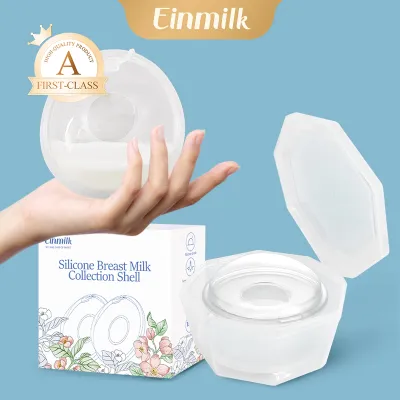
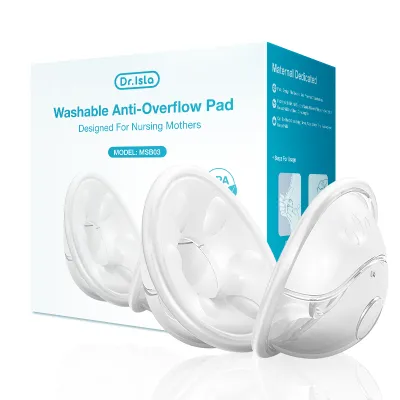

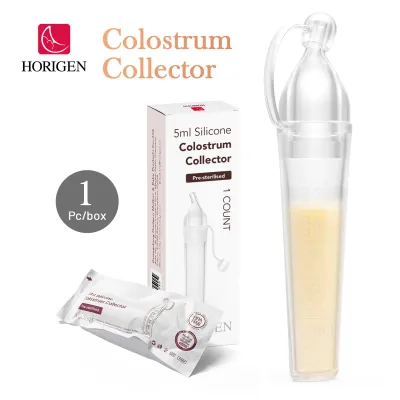
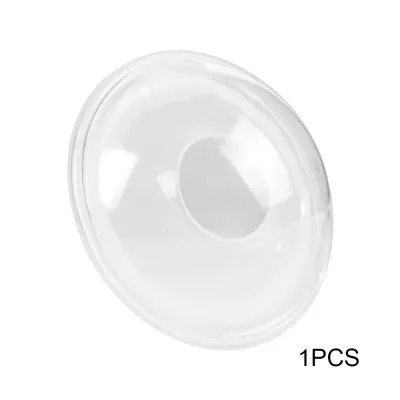



Prices are valid at publication and may change. Please refer to the product page for the latest price.
Physical comfort and stamina are equally important considerations. Manual pumping requires repetitive hand squeezing, which can lead to hand and wrist fatigue over time. If you experience joint discomfort or have limited physical strength, an electric motor can handle the physical labor, allowing you to rest during your sessions.
Manual Breastmilk Collectors: Best Use Cases and Limitations
Manual collectors excel in specific, low-stress scenarios where simplicity is key. They are ideal for occasional use, such as when you need to relieve engorgement during a long stretch between direct feeds. They are also highly reliable during travel or unexpected power outages, which are common occurrences in many tropical regions. Because they require no electricity, they ensure you can always express milk regardless of your location or power grid stability.

Operational checks are crucial when using a manual collector. You must manage hand fatigue by adjusting your grip and rhythm. Manual suction control allows you to mimic your baby’s natural nursing pattern, but it requires active attention and physical effort throughout the session. On the positive side, manual pumps have very few parts, making assembly quick and straightforward.
Maintenance boundaries must be observed to ensure hygiene and longevity. Routine cleaning involves washing all parts in warm, soapy water after every use, followed by sterilization according to the manufacturer’s instructions. Because silicone valves and membranes wear out from repetitive manual stretching, you should regularly inspect them for tiny tears or loss of elasticity, replacing them as soon as suction begins to drop.
Electric Breastmilk Collectors: Best Use Cases and Limitations
Electric breastmilk collectors are designed for high-frequency use and maximum efficiency. They are the standard choice for exclusive pumping, returning to a structured workplace, or actively working to manage and increase a low milk supply. The automated suction cycles stimulate milk production more consistently than manual effort can typically achieve over long periods.
However, electric models come with specific operational checks. They are dependent on a reliable power source, whether that means staying close to a wall outlet or keeping a rechargeable battery pack charged. Motor noise levels can also vary, which is an important consideration if you need to pump discreetly in a quiet office or next to a sleeping baby. Many modern electric collectors offer wearable, hands-free designs that slip directly into your nursing bra, allowing you to multitask.
Maintenance boundaries for electric pumps require extra diligence. You must never submerge the electric motor unit in water; instead, wipe it down with a clean, damp cloth. Tubing hygiene is critical, especially in humid tropical climates where condensation can easily trap moisture and lead to mold growth. Regularly check the tubing for moisture, run the pump for a few minutes with the tubing detached to dry it out, and inspect the battery lifecycle to ensure it holds a charge for your daily commute.
Weighing the Trade-Offs: Budget, Portability, and Efficiency
Choosing the right collector involves balancing several competing factors. Cost, physical footprint, and milk extraction speed all intersect with your daily needs. A cheaper pump that takes twice as long to express milk may not be practical for a busy working mother, while an expensive, bulky electric system might be unnecessary for someone who only pumps once a week.
Evaluating Initial Costs and Long-Term Upkeep
The initial purchase price is only the starting point of your investment. Manual collectors are highly budget-friendly, typically ranging from ₱500 to ₱1,500. Electric models represent a larger upfront investment, with basic single electric pumps starting around ₱1,500 and advanced double electric or wearable models ranging from ₱3,000 to over ₱10,000.
Ongoing maintenance costs must also be factored into your budget. Silicone valves, membranes, and tubing are consumable parts that require regular replacement to maintain proper suction. Before purchasing, verify the availability and cost of these replacement parts locally, as proprietary accessories can add up over several months of continuous use. Additionally, check the manufacturer’s warranty terms and ensure there is local customer service support in case the motor malfunctions.
Navigating Portability, Noise, and Discretion
If you pump outside the home, portability is a major factor. Consider the weight of your pump bag and the physical footprint of the device. In warm, tropical climates, you must also account for the weight of a reliable cooler bag and reusable ice packs to keep expressed milk safe during your daily commute.
Discretion in shared spaces depends heavily on motor noise. While manual pumps are virtually silent, electric motors produce a humming sound that can vary in volume. If you plan to pump in a shared office or a quiet room, look for models that specify low-decibel operation.
Power versatility is another key consideration for on-the-go pumping. Rechargeable built-in batteries or power bank compatibility offer the greatest flexibility, allowing you to pump in vehicles or areas without accessible wall outlets.
Matching Efficiency and Milk Yield Goals
Efficiency directly impacts how much time you spend pumping each day. Check the suction strength and cycle settings on the manufacturer’s label to ensure they align with your comfort levels. High suction does not automatically mean more milk; instead, a comfortable, adjustable rhythm is key to triggering a successful let-down.
Double pumping capabilities can cut your pumping time in half while helping to stimulate and maintain your milk supply more effectively than single pumping. If your goal is to build a substantial freezer stash quickly, a double electric pump is highly efficient.
Keep in mind that poor milk yield is not always a fault of the pump itself. Before assuming you need a stronger device, check for signs of poor flange fit or inadequate suction caused by worn-out silicone parts. Adjusting these simple components can often restore optimal performance.
Making Your Final Decision: Which Type to Choose
To make your final decision, evaluate your primary feeding goals and daily constraints. Choose a manual breastmilk collector if you pump infrequently, are working with a tight budget, and prioritize a lightweight, silent device that requires no power source. This option is perfect for staying at home with your baby while occasionally expressing milk for short outings.
Choose an electric breastmilk collector if you are pumping exclusively, returning to a full-time job, or need to maximize your milk output in limited time. The hands-free convenience and automated cycles of an electric model justify the higher initial cost for mothers who rely on daily, structured pumping sessions.
If you are considering purchasing a second-hand electric pump, exercise caution. Verify the hygiene risks associated with open-system pumps, where milk can enter the tubing and motor, creating a breeding ground for bacteria. Closed-system pumps are much safer for second-hand use, but you should still check the remaining motor lifespan and confirm if the manufacturer’s warranty is transferable.
Regardless of the device you choose, prioritize your physical comfort and well-being. Stop using any collector and consult a qualified lactation specialist or healthcare professional if you experience persistent pain, localized redness, tissue damage, or unexpectedly poor milk transfer. Pumping should never cause physical injury or severe discomfort.
Frequently Asked Questions (FAQ)
Can I use both a manual and an electric breastmilk collector?
Yes, adopting a hybrid pumping strategy is highly practical for many mothers. You can use a double electric pump as your primary device at home or work to maximize efficiency, while keeping a lightweight manual collector in your diaper bag for travel, quick relief during errands, or emergencies like power outages. Before buying different brands, check the compatibility of bottles, flanges, and connectors; using compatible systems can significantly reduce the cost of buying separate accessories.
How do I know if my breastmilk collector flange fits correctly?
A correct flange fit is essential for both comfort and milk expression. You can visually verify a proper fit during pumping: your nipple should move freely back and forth inside the flange tunnel without rubbing against the sides, and only a minimal amount of the surrounding areola should be pulled into the tunnel. Symptoms of a poor fit include persistent pain during or after pumping, visible redness, swelling of the nipple, or a sudden, unexplained drop in milk output. Always consult the manufacturer’s sizing guides or speak with a lactation expert to measure your nipple size accurately.
Community discussion
Share your experience or ask a question. Comments are reviewed before publication.