
Choosing the right breastpump is one of the most critical decisions you will make during your early breastfeeding journey. The ideal choice depends on your daily schedule, pumping frequency, budget, and overall lifestyle. Manual pumps are highly effective for occasional use, short trips, and tight budgets, giving you direct physical control over suction. Electric pumps are better suited for daily use, exclusive pumping, returning to work, or building a substantial milk stash quickly. There is no single superior option; the right choice is the one that seamlessly fits your personal routine and comfort requirements.
Navigating the transition back to work or establishing a consistent feeding routine can feel overwhelming. Understanding how each pump type operates will help you select a tool that minimizes stress and maximizes your milk expression. By evaluating your specific daily environment, you can make an informed investment that supports your long-term breastfeeding goals.
How Manual and Electric Breast Pumps Work
Manual breast pumps rely entirely on manual labor to create the vacuum needed to express milk. They feature a basic handle or lever mechanism attached to a collection bottle. When you squeeze the lever, it compresses a silicone diaphragm, drawing air out of the shield to create suction on the breast. Releasing the handle releases the suction, mimicking a baby’s natural suck-and-release pattern. Because you control the speed and depth of every squeeze, you have immediate, physical control over the entire process.
Products mentioned in this guide
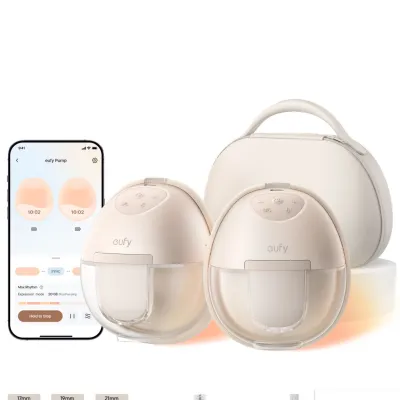
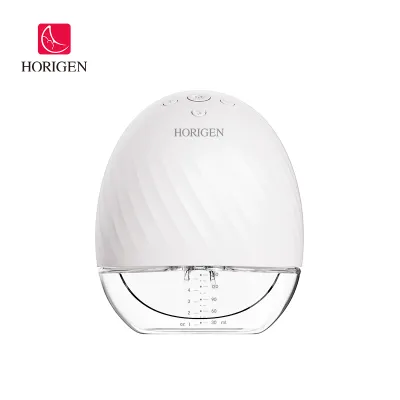
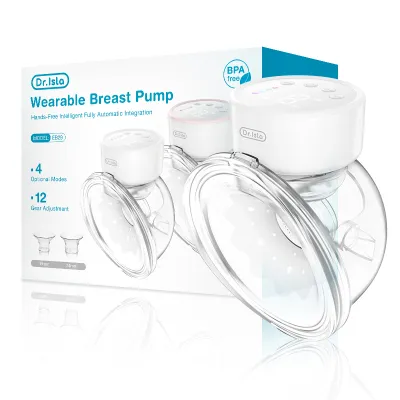
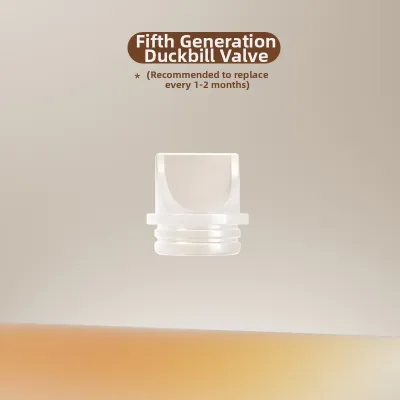
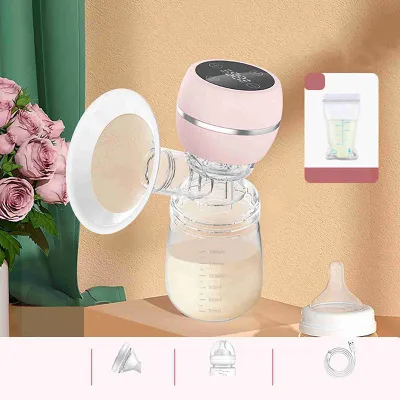
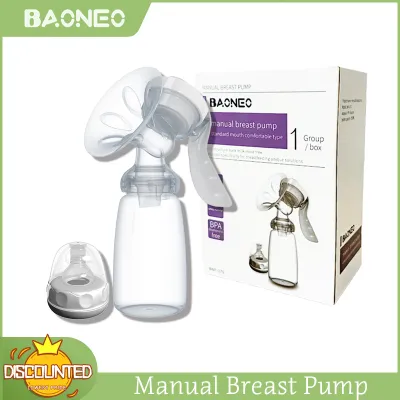
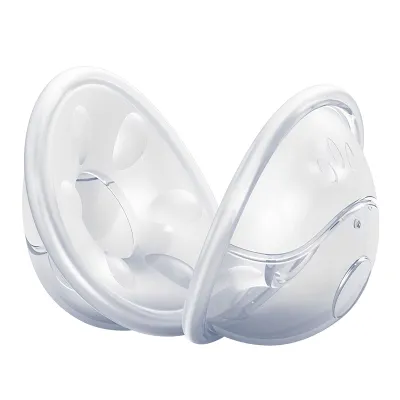
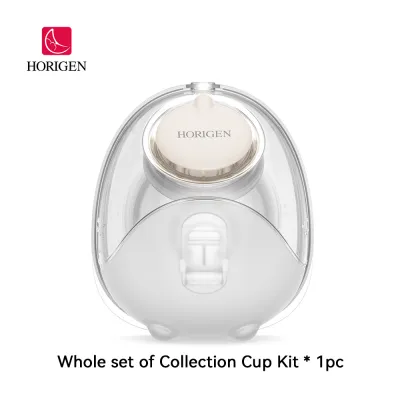
Prices are valid at publication and may change. Please refer to the product page for the latest price.
Electric breast pumps utilize an electrically powered motor to automate this cycle of suction and release. The motor drives a small pump mechanism that generates a consistent, adjustable vacuum. Most modern electric pumps offer distinct phases, starting with a rapid, light stimulation mode to trigger your milk let-down reflex, followed by a slower, deeper expression mode to draw out milk efficiently. These devices are available as single electric pumps, which express from one breast at a time, or double electric pumps, which allow you to pump from both breasts simultaneously to save time.
Manual vs. Electric Breastpump Models: Key Differences
Deciding between these two categories requires a close look at how they perform across several practical dimensions. Each type has distinct advantages that cater to different lifestyles, physical needs, and daily routines.

Pumping Frequency and Milk Supply
Your intended pumping frequency is the most influential factor when choosing a pump. If you plan to pump multiple times a day—either because you are returning to full-time office work or because you are exclusively pumping—an electric pump is highly recommended. Double electric models are exceptionally efficient at stimulating milk production. They target both breasts at once, which studies suggest can stimulate higher levels of prolactin, the hormone responsible for milk production. This makes it much easier to maintain or increase your milk supply over several months.
Manual pumps, while highly effective for occasional use, are generally not designed for frequent daily sessions. Relying solely on a manual pump for multiple daily sessions can quickly lead to physical fatigue in your hands, wrists, and fingers. The repetitive squeezing motion can become uncomfortable over time, potentially limiting the length of your pumping sessions. If you experience sudden drops in milk supply, persistent discomfort, or difficulty expressing, it is always best to consult a certified lactation consultant or healthcare professional for personalized guidance.
Budget and Long-Term Value
Budget considerations play a significant role in this decision, especially when preparing for the various expenses of a new baby. Manual breast pumps are highly economical, with typical prices ranging from ₱500 to ₱2,000. This low upfront cost makes them an accessible entry point for mothers who only need to pump occasionally, such as before a rare evening out or to relieve engorgement between direct feedings.
Electric breast pumps require a more substantial initial investment, with prices generally ranging from ₱3,000 for entry-level single electric models to ₱15,000 or more for premium double electric or wearable systems. However, when evaluating the long-term value, consider the time saved and the convenience offered over many months of use. You must also factor in the ongoing cost of replacement parts. Both manual and electric pumps rely on consumable silicone parts, such as duckbill valves, diaphragms, and tubing, which wear out and lose suction over time. These replacement parts typically cost between ₱200 and ₱1,000 per set and must be replaced every few months depending on usage. For mothers in the Philippines, it is worth checking with your employer’s human resources department or your private health insurance (HMO) provider, as some premium health plans or corporate wellness programs offer subsidies or coverage for durable medical equipment like breast pumps.
Portability and Lifestyle Fit
Portability is a major factor for active mothers, commuters, and those navigating busy daily routines. Manual pumps excel in this category due to their compact, lightweight design and complete independence from power sources. They easily fit into a small handbag or diaper bag, making them incredibly convenient for short trips, running errands, or traveling. Furthermore, in areas prone to sudden power interruptions or during typhoon seasons in the Philippines, a manual pump serves as an invaluable, worry-free backup that requires no electricity or batteries.
Standard electric pumps are heavier and require access to an electrical outlet, rechargeable batteries, or a compatible USB power bank. While they are highly efficient, carrying the motor unit, power cords, and tubing can be cumbersome during a daily commute. To address this, wearable, hands-free electric pumps have become increasingly popular. These tubeless, self-contained units fit directly inside your standard nursing bra, allowing you to pump discreetly while working at your desk, doing household chores, or caring for your baby. While wearable pumps offer unmatched multitasking convenience, they can sometimes have slightly less suction power or smaller milk collection capacities than traditional heavy-duty electric models.
Comfort, Noise, and Ease of Use
The physical and sensory experience of pumping can greatly affect your comfort and milk let-down. Manual pumps offer a highly intuitive, tactile experience. Because you control the lever, you can adjust the suction strength and speed instantly to match your comfort level on any given day. This immediate physical feedback can make manual pumping feel gentler and more natural for some mothers. Additionally, manual pumps operate in complete silence, allowing for highly discreet pumping sessions in public spaces, shared offices, or next to a sleeping baby.
Electric pumps provide automated, preset patterns that take the physical effort out of the process. While you cannot adjust the suction on a stroke-by-stroke basis, modern electric pumps offer highly customizable settings, allowing you to choose from multiple suction levels and cycle speeds to find your sweet spot. The main trade-off is noise; electric motors produce a mechanical hum. While many high-quality modern pumps are designed to operate quietly, they are never completely silent.
Regardless of the pump type you select, true comfort relies heavily on using the correct flange size (the breast shield that contacts your skin). An improperly sized flange can cause friction, pain, clogged milk ducts, and reduced milk expression. If you experience persistent pain, localized redness, bruising, or tissue damage while pumping, stop using the device immediately and seek professional advice from a lactation consultant or doctor.
Feature Comparison at a Glance
To help you quickly weigh your options, the table below summarizes the key differences between manual and electric breast pumps across essential decision factors.
| Feature | Manual Breast Pumps | Electric Breast Pumps |
|---|---|---|
| Best Use Case | Occasional pumping, travel, power backup | Daily use, returning to work, exclusive pumping |
| Upfront Cost | Low (typically ₱500 to ₱2,000) | Moderate to High (typically ₱3,000 to ₱15,000+) |
| Pumping Speed | Slower; depends on hand stamina | Faster; double pumping cuts time in half |
| Portability | Excellent; lightweight and compact | Variable; wearable models are highly portable |
| Noise Level | Silent | Low to moderate motor hum |
| Power Source | None (manual hand power) | AC outlet, rechargeable battery, or USB |
How to Decide: Choose Manual If… / Choose Electric If…
Making your final choice comes down to aligning the pump’s capabilities with your specific daily needs, physical comfort, and budget constraints.
Choose Manual if:
- You plan to breastfeed directly most of the time and only need to pump occasionally to build a small freezer stash or prepare for rare outings.
- You are working with a tight budget and want an affordable, highly durable option with minimal parts to maintain.
- You travel frequently, commute long distances, or need a reliable, silent backup pump that does not require electricity or batteries.
- You prefer complete, tactile control over the suction strength and speed of every single pump stroke.
Choose Electric if:
- You are returning to work full-time and need to express milk efficiently during scheduled breaks to maintain your supply.
- You are exclusively pumping or need to pump multiple times every day to feed your baby.
- You want to minimize pumping time by expressing from both breasts simultaneously with a double electric setup.
- You prefer an automated, hands-free experience that allows you to multitask, write emails, or relax during your sessions.
Verify first if:
- You have a history of breast surgery, specific medical conditions affecting your breasts, or are dealing with severe infant latch issues. In these situations, it is highly recommended to consult your healthcare provider or a certified lactation consultant before purchasing any pumping equipment, as they can help determine if a specialized hospital-grade electric pump is necessary for your situation.
What to Look for When Buying Any Breast Pump
Once you have decided on the general type of pump, you should evaluate specific safety, hygiene, and design features before making a purchase. First, ensure that all plastic and silicone components that come into contact with your breast milk are strictly certified as BPA-free and BPS-free. This prevents harmful chemicals from leaching into your milk during collection, storage, or warming.
Second, verify the local availability of replacement parts. Over time, valves and membranes will stretch, tear, or lose their elasticity, which directly reduces the pump’s suction power. Before buying a specific brand, check if spare parts, extra bottles, and different flange sizes are easily accessible in local baby boutiques or official online brand stores. Choosing a widely supported brand ensures you will not be left stranded without a working pump if a small valve tears.
Third, pay close attention to flange sizing. Most breast pumps come packaged with a standard 24mm flange, but nipple sizes vary widely. Using a flange that is too small can pinch your nipple, while one that is too large can pull too much of your areola into the tunnel, leading to pain and poor milk flow. Take the time to measure your nipple diameter using a printable sizing ruler, or consult a professional to find your correct fit.
Finally, always look for standard safety marks on the packaging and carefully read the manufacturer’s cleaning and sterilization instructions. In warm, humid tropical climates, keeping pump parts clean is incredibly important, as moisture can encourage mold and bacterial growth. Ensure the pump design is easy to disassemble, wash, and sterilize according to the official product guidelines to keep your baby’s milk safe and uncontaminated.
Frequently Asked Questions (FAQ)
Can I use a manual breast pump every day?
Yes, you can physically use a manual breast pump every day, but it may not be the most practical solution for frequent daily sessions. Daily, multi-session manual pumping can cause significant hand, wrist, and arm fatigue due to the repetitive squeezing motion. It also takes considerably more time since you can only pump one breast at a time. A manual pump is excellent for daily use if you are only using it once a day to relieve morning fullness or to collect a small amount of extra milk, but an electric pump is far more efficient for extensive daily demands.
Do electric breast pumps cause more pain than manual ones?
No, electric breast pumps do not inherently cause more pain than manual pumps. When used correctly, breast pumping should never be painful. Discomfort or pain is almost always caused by using an incorrect flange size that rubs against the nipple tissue, or by setting the electric pump’s suction level too high. Always start your electric pumping session on the lowest suction setting and gradually increase it to a level that feels comfortable and effective. If you experience persistent pain, stop pumping and consult a lactation expert.
Is it worth investing in a double electric breast pump?
For many mothers, investing in a double electric breast pump is highly worthwhile because of the significant time savings and efficiency it offers. Double pumping allows you to express milk from both breasts simultaneously, cutting your total pumping time in half compared to single pumping. Additionally, stimulating both breasts at the same time triggers a stronger hormonal response, which can help maintain or even increase your overall milk supply. If you are returning to work or pumping multiple times a day, the convenience and efficiency of a double electric pump easily justify the higher upfront cost.
Community discussion
Share your experience or ask a question. Comments are reviewed before publication.