
Choosing between a manual and an electric breast pump depends on how often you plan to express milk, your daily schedule, and your personal comfort. While some parents find the simplicity of a manual pump perfect for occasional outings, others rely on the speed of an electric model to sustain a full-time pumping routine. There is no single option that works for everyone, as the right choice aligns directly with your lifestyle, budget, and milk expression goals.
By evaluating how each pump fits into your daily life, you can make an informed decision that supports your breastfeeding journey. Whether you are preparing to return to an office, building a modest milk stash at home, or looking for a reliable backup during unexpected power interruptions, understanding the distinct advantages of each type will help you select the ideal tool for your needs.
Understanding Your Pumping Needs and Frequency
Before exploring specific pump models, it is essential to assess how frequently you will need to express milk. If you plan to feed your baby directly from the breast most of the time and only need to pump occasionally for relief or to let a partner handle a night feeding, your demands will be relatively light. In contrast, if you are planning to return to a full-time job or are exclusively pumping, you will need a system designed for heavy, frequent use throughout the day.
Products mentioned in this guide
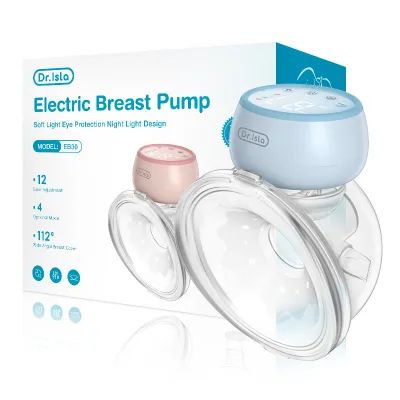
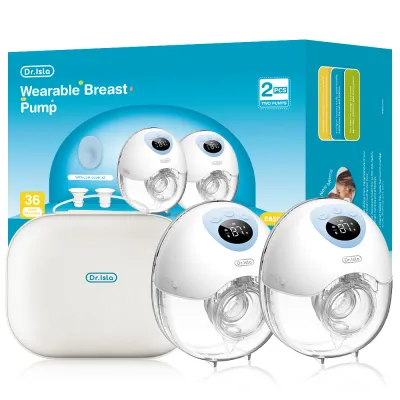
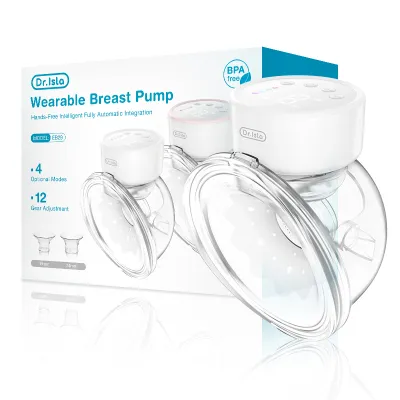
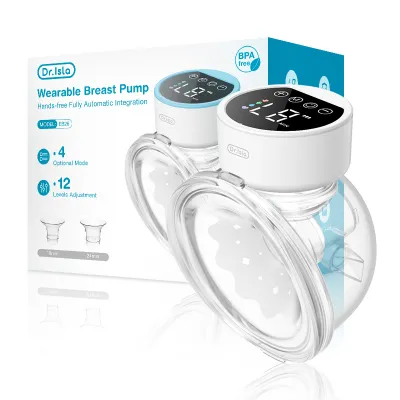
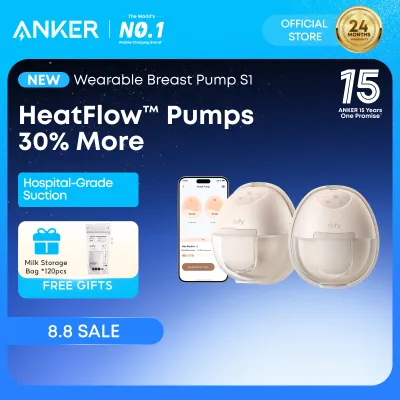
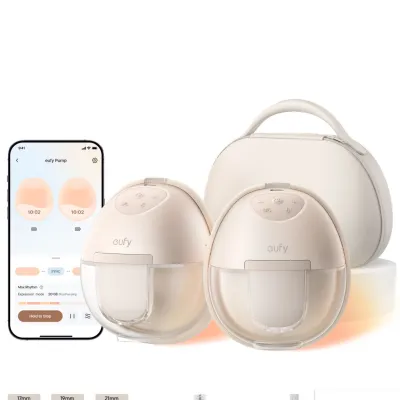

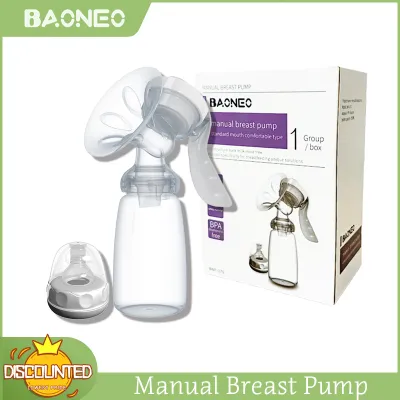
Prices are valid at publication and may change. Please refer to the product page for the latest price.
Your daily environment and lifestyle also play a major role in this decision. Commuting in busy transit systems or working in an office environment requires you to think about portability, setup time, and access to electrical outlets. In tropical climates like the Philippines, where high humidity can affect how quickly washed parts dry, having a routine that fits your physical surroundings is highly practical.
Additionally, your individual milk supply goals and physical response to stimulation should guide your choice. The let-down reflex, which is the hormonal response that releases milk from the breasts, can be highly sensitive to the type of stimulation applied. Some parents respond exceptionally well to the natural, rhythmic control of a manual pump, while others require the consistent, rapid cycles of an electric motor to trigger an efficient let-down.
Manual Breast Pumps: Best for Occasional Use and Portability
Manual breast pumps are operated entirely by hand, using a lever or handle to create suction and express milk. These devices are highly favored for occasional use, such as when you need to relieve breast engorgement or step away from your baby for a few hours. They are also incredibly useful as a quiet, travel-friendly option that fits easily into a diaper bag without adding significant weight.

One of the greatest practical benefits of a manual pump is its independence from external power sources. In areas prone to seasonal weather disruptions or sudden power outages, having a manual pump ensures you can always express milk safely and comfortably. Furthermore, because they have no motor, manual pumps operate in complete silence, allowing you to pump discreetly in shared spaces or right next to a sleeping baby without disturbance.
However, manual pumps do come with physical limitations that make them less suitable for frequent, daily use. Because you must manually compress the handle to generate every suction cycle, long pumping sessions can quickly lead to hand, wrist, and finger fatigue. The milk expression process is also generally slower compared to electric models, meaning it takes more time and physical effort to empty the breasts completely.
When shopping for a manual pump, it is important to check the product packaging and labels for key design features. Look for models that offer multiple flange sizing options to ensure a proper fit, as a flange that is too large or too small can cause pain and reduce milk output. Additionally, prioritize ergonomic handle designs that minimize hand strain and verify that the manufacturer’s cleaning instructions are straightforward, with minimal small parts to wash and sanitize.
Electric Breast Pumps: Best for Frequent Pumping and Efficiency
Electric breast pumps utilize an electrically powered motor to automate the suction and release cycles, mimicking a baby’s natural nursing pattern. These pumps are the standard choice for parents who need to express milk multiple times a day, such as those who are exclusively pumping or transitioning back to a workplace. They maximize milk extraction while minimizing the physical effort required from the parent.
The primary advantage of an electric pump is its efficiency and speed, particularly when using a double electric model that expresses milk from both breasts simultaneously. Most models feature adjustable suction levels and speed settings, allowing you to customize the experience to stimulate a faster let-down. This automation frees up your hands, especially when paired with a compatible hands-free pumping bra, letting you multi-task or relax during your sessions.
Despite their efficiency, electric pumps have distinct trade-offs. They represent a higher initial financial investment and require a reliable power source, whether through a wall outlet, a rechargeable battery pack, or disposable batteries. They are also bulkier and heavier than manual pumps, and the sound of the motor, even on quieter models, makes them less discreet in quiet environments.
Before purchasing an electric pump, verify critical details in the product manual and manufacturer specifications. Check the terms of the motor warranty and ensure that replacement parts, such as valves and silicone membranes, are easily accessible in local online marketplaces or baby boutiques. It is also highly recommended to choose a closed-system design, which features a physical barrier to prevent milk from entering the tubing or motor, ensuring optimal hygiene and preventing mold growth in humid climates.
Key Comparison Factors: Cost, Maintenance, and Comfort
When weighing your options, evaluating the total cost of ownership is a practical starting point. Manual pumps generally have a lower upfront cost, often ranging from under ₱1,000 to around ₱2,500, making them highly accessible. Electric pumps require a larger initial budget, with prices typically starting around ₱2,000 for basic single electric models and reaching ₱10,000 or more for advanced double electric systems. You must also factor in long-term expenses, such as replacing worn-out silicone valves, membranes, and tubing, which are essential for maintaining proper suction over time.
Maintenance and sterilization routines are another daily consideration. Manual pumps consist of very few parts, making them quick to disassemble, wash, and sterilize after each use. Electric pumps have more complex assemblies, including tubing, connectors, and electrical components that cannot be submerged in water. In warm, humid environments, ensuring all washed parts dry completely on a clean rack is crucial to prevent bacterial growth, making simpler assemblies highly appealing.
Comfort and physical fit are paramount to successful milk expression, regardless of the pump type you choose. Many parents make the mistake of using the default flange size included in the box, which can lead to friction, pain, and reduced milk flow. To ensure a comfortable experience, measure the diameter of your nipple base before purchasing and select a brand that offers compatible flange sizes matching your measurements.
Finally, consider the noise level and discretion required by your daily routine. If you plan to pump in a shared office cubicle or during virtual work meetings, a loud motor can cause unnecessary stress. While manual pumps are completely silent, electric pumps vary widely in noise output, making it important to check manufacturer decibel ratings or user reviews if quiet operation is a priority.
Decision Framework: Which Breast Pump Should You Choose?
To determine the best fit for your household, you can use a simple, condition-based framework to guide your purchase. A manual breast pump is highly recommended if you only plan to pump occasionally, are working with a limited budget, or need a lightweight, silent backup device for travel and power outages. It is an excellent tool for occasional relief and fits seamlessly into a low-frequency pumping routine.
Conversely, an electric breast pump is the ideal choice if you need to express milk multiple times a day, are returning to a structured workplace, or want to build a substantial freezer stash quickly. The time-saving benefits of double pumping and the physical ease of automated suction make it a worthwhile investment for high-frequency users who need to maintain their milk supply efficiently.
However, if you experience severe pain, bruising, tissue damage, or consistently low milk transfer while using either type of pump, you should stop using the device immediately. These symptoms often indicate an incorrect flange fit, improper suction settings, or underlying latch issues that require professional guidance. In such cases, it is best to consult a certified lactation specialist or your healthcare provider to address the root cause safely.
Always verify your physical measurements and comfort levels before committing to a specific pump model. If you have specific medical conditions affecting lactation, or if you are unsure how to properly measure your flange size, seek advice from a healthcare professional. Taking these precautionary steps ensures that your chosen pump supports your body and your baby effectively.
Frequently Asked Questions (FAQ)
Can I use a manual pump if I am exclusively pumping?
While it is possible to use a manual pump for exclusive pumping, doing so requires immense physical effort. Expressing milk eight to twelve times a day using only hand power can quickly lead to severe hand and wrist fatigue, making the routine difficult to sustain. Additionally, the slower expression rate of a manual pump may make it challenging to stimulate the breasts sufficiently to maintain a full milk supply. If you must pump exclusively, a double electric pump is highly recommended, and you should consult a lactation specialist to design a manageable routine.
How do I know if my breast pump flange is the correct size?
You can identify an incorrect flange fit by observing how your nipple behaves inside the tunnel during a pumping session. If your nipple rubs against the sides of the tunnel, or if a large portion of your areola is pulled deep into the flange, the fit is likely incorrect and can cause pain, friction, or low milk output. To find the right size, measure the diameter of your nipple base in millimeters before pumping, and compare it to the manufacturer’s sizing guide. Keep in mind that your nipple size can change postpartum, requiring periodic re-measurement and potential flange adjustments.
Are wearable electric breast pumps as effective as traditional ones?
Wearable electric breast pumps offer unmatched mobility and discretion, allowing you to pump hands-free without being tethered to a wall outlet. However, their effectiveness compared to traditional electric pumps depends heavily on individual factors and specific model designs. Some wearable models may have slightly lower suction strength or smaller milk collection capacities than heavy-duty tabletop electric pumps. To ensure a wearable pump fits your routine, carefully check the manufacturer’s specifications regarding suction power, battery life, and cleaning complexity before relying on it as your primary pump.

Community discussion
Share your experience or ask a question. Comments are reviewed before publication.