
Finding the right pump for breastmilk can feel overwhelming with so many options on the market. The ideal choice is not necessarily the most expensive or high-tech model, but rather the one that seamlessly integrates into your daily life, matches your breastfeeding goals, and supports your physical comfort. Whether you are returning to work, trying to build a freezer stash, or simply looking for occasional relief from engorgement, understanding the distinct roles of manual, single electric, and double electric pumps will help you make a confident, practical decision.
Quick Diagnostic: Which Pump Type Matches Your Situation?
To help narrow down your choice immediately, it is helpful to look at how each pump type aligns with specific lifestyles. A manual pump is operated entirely by hand, offering a simple, cord-free way to express milk on the go. A single electric breast pump uses a motorized unit to extract milk from one breast at a time, balancing automation with a more compact size. A double electric breast pump draws milk from both breasts simultaneously, offering maximum speed, efficiency, and stimulation.
If you only need to express milk occasionally—such as for a weekly date night, traveling light, or relieving sudden engorgement—a manual pump is often all you need. If you are returning to work part-time or plan to pump once or twice a day to let your partner handle a night feeding, a single electric pump offers a balanced, budget-friendly compromise. If you are returning to full-time work, pumping four or more times a day, or exclusively pumping to feed your baby, a double electric breast pump is highly recommended to save time and maintain your supply. Remember that the most expensive model with the most features is not automatically the best fit; the right pump is the one that matches your specific daily routine and feeding journey.
Products mentioned in this guide
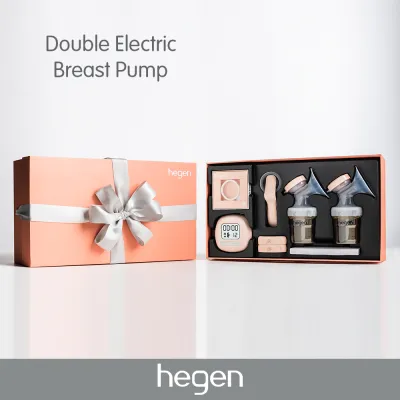
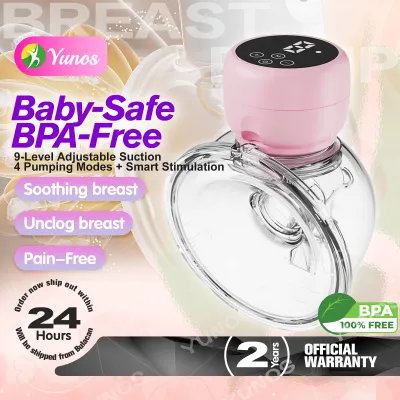

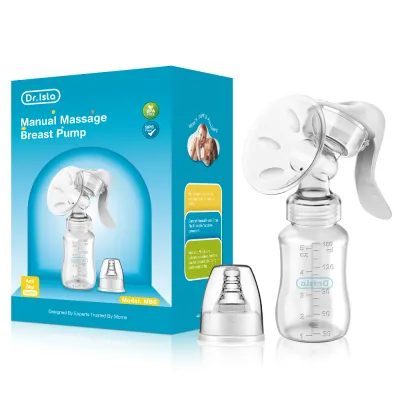
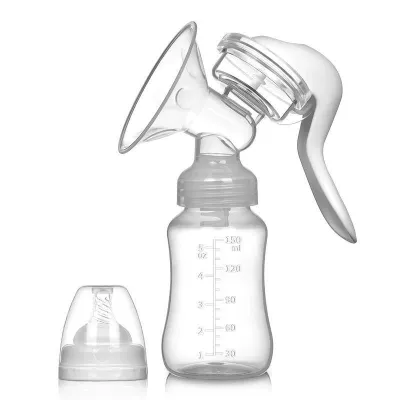

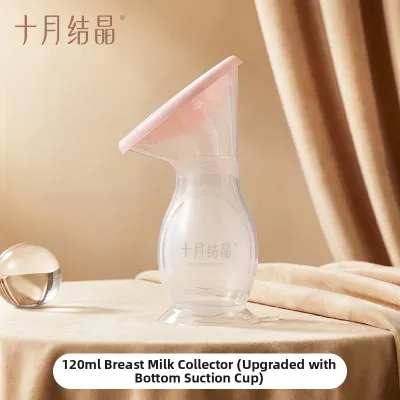
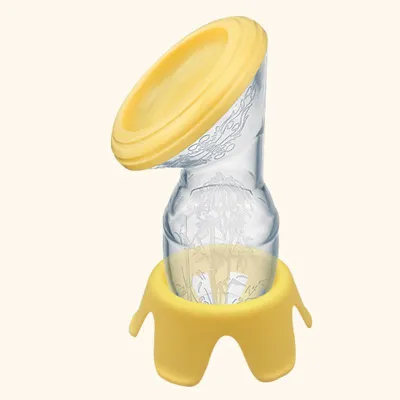
Prices are valid at publication and may change. Please refer to the product page for the latest price.
Assess Your Goals: Finding the Right Pump for Breastmilk
Choosing the right pump for breastmilk requires an honest look at your daily schedule, your physical environment, and your long-term feeding plans. Because breast milk production operates on a supply-and-demand system, your pumping frequency directly impacts your body’s lactation signals.

Pumping Frequency Think about how often you will realistically need to use the device. Occasional pumping (a few times a week) requires very little mechanical power, making simple manual options highly practical. Daily maintenance (one to two sessions a day) benefits from the automated ease of an electric motor. High-frequency pumping (four to eight sessions a day, common for exclusive pumping) demands a heavy-duty motor that can withstand constant use without losing suction.
Breastfeeding Goals Your long-term plans also dictate your choice. If your goal is to build an extensive freezer stash of breastmilk while working a demanding job, speed and volume are your primary concerns. If you primarily nurse directly and only want to express milk to relieve engorgement or mix with early solid foods, high-speed extraction is less critical.
Lifestyle and Environment Consider where your pumping sessions will take place. A mother working in a private office with dedicated breaks has different needs than a mother commuting long hours on public transportation or multitasking at home with multiple children. If you need to pump while washing dishes, answering emails, or traveling, portability and hands-free capabilities become essential decision factors.
Budget and Portability Breast pumps vary widely in cost, typically falling into broad price bands. Manual pumps are highly accessible, often priced under ₱1,000. Single electric pumps generally range from ₱1,500 to ₱4,000, offering a middle ground. Double electric pumps represent a larger investment, starting around ₱3,000 and going up to ₱10,000 or more for advanced, wearable, or hospital-grade models. Consider these upfront costs against long-term durability and the physical weight of the pump kit you will carry daily.
Manual Breast Pumps: When to Choose Them and What to Expect
Manual breast pumps are operated by hand using a lever or trigger mechanism to create suction. Because they do not rely on electricity, they offer unmatched portability and simplicity for mothers who do not need to pump constantly.
Best For These pumps are excellent for occasional use, such as when you need to step away from your baby for a few hours or want to relieve breast fullness before a direct feeding. They are also incredibly valuable as a travel companion or a reliable backup pump during unexpected power outages or brownouts, which are common in many tropical regions.
Advantages Manual pumps are completely silent, allowing you to express milk discreetly anywhere. They are lightweight, fit easily into a standard diaper bag, and require no batteries, charging cords, or voltage adapters. Additionally, they are highly affordable and have very few parts to clean.
Limitations The primary drawback is the physical effort required. Because you must manually squeeze the handle to generate suction, long sessions can cause hand and wrist fatigue. Extraction is also significantly slower than with electric models, and manual pumps are generally inefficient for maintaining a full milk supply if you are separated from your baby long-term.
Actionable Advice If you experience persistent hand fatigue, wrist strain, or notice a significant drop in your milk output over several days, these are clear signs that it is time to upgrade to an electric model. Always stop manual pumping if you experience sharp physical pain, and consult a healthcare professional or lactation consultant if discomfort persists.
Single Electric Breast Pumps: When to Choose Them and What to Expect
Single electric breast pumps provide a motorized solution that automates the suction process, removing the physical strain of manual pumping while remaining relatively compact.
Best For This type is ideal for mothers who pump one to three times a day. It is a popular choice for part-time workers, mothers who want to express a single bottle daily for a partner to feed the baby, or those who like to nurse their baby on one breast while simultaneously pumping the other to catch an active let-down.
Advantages Single electric models are faster and far less tiring than manual pumps. They are often more affordable and lighter than double electric setups, making them easier to pack for daily commutes or trips outside the home.
Limitations Because you can only pump one side at a time, sequential pumping takes twice as long. If you have a short 15-minute break at work, spending 15 minutes on each breast (totaling 30 minutes) is often impractical and stressful.
Actionable Advice To maintain an even milk supply when using a single electric pump, make sure to alternate sides consistently during each session. For example, pump the left side for 10 to 15 minutes, then switch to the right side. You can also use a simple silicone milk collector on the opposite breast to catch any leaking milk while the electric pump is active on the first side.
Double Electric Breast Pumps: When to Choose Them and What to Expect
Double electric breast pumps are the gold standard for efficiency, designed to express milk from both breasts at the same time using a single, powerful motor unit.
Best For This option is highly recommended for exclusive pumpers, full-time working mothers who must pump during short office breaks, or anyone needing to pump four or more times a day. It is also the preferred choice for mothers working to rebuild or increase a low milk supply.
Advantages The most significant benefit is time savings, as double pumping cuts your session time in half compared to a single pump. Furthermore, research suggests that simultaneous double pumping stimulates higher levels of prolactin (the milk-producing hormone), which can help support and increase your overall milk yield over time. Modern double electric pumps also feature highly customizable speed, suction, and cycling patterns.
Limitations Double electric pumps generally carry a higher upfront cost and have a larger physical footprint. They require a reliable power source, whether through direct wall outlets, rechargeable batteries, or USB power banks. They can also be noisier than manual or single electric models, and they involve more parts and tubing to clean and maintain.
Actionable Advice To get the most out of a double electric pump, invest in a well-fitting hands-free pumping bra. This keeps both flanges securely in place, leaving your hands free to massage your breasts (which helps empty them more effectively), use your phone, or work at your desk. If you are pumping at a workplace, plan your logistics early by locating a private space and securing an insulated cooler bag with ice packs to store your expressed milk safely.
Crucial Fit, Power, and Hygiene Checks Before You Buy
Before purchasing any pump, there are several practical factors you must verify to ensure the device is comfortable, safe, and functional for your specific situation.
Flange Sizing The flange, or breast shield, is the funnel-shaped part that sits directly over your nipple. Using the wrong flange size can cause severe nipple pain, damaged breast tissue, and blocked milk ducts, while also reducing the amount of milk you can express. Never guess your flange size based on your bra size. Instead, measure the diameter of your nipple base (excluding the areola) in millimeters and consult the manufacturer’s specific sizing guide. Many brands include standard 24mm or 28mm flanges in the box, but you may need to purchase smaller or larger inserts separately.
Suction and Cycle Settings Look for pumps that offer adjustable settings mimicking a baby’s natural nursing rhythm. A good electric pump should have a rapid, light stimulation phase (often called the let-down mode) to trigger milk flow, followed by a slower, deeper expression phase to draw the milk out efficiently. Avoid pumps that only offer a single, intense suction level, as high suction does not equal more milk and can cause physical injury.
Power and Voltage If you choose an electric model, pay close attention to the power source. In the Philippines, household power outlets run on 220V. If you are buying an imported pump online, always verify that the adapter is dual-voltage (100V-240V) or compatible with 220V to avoid damaging the motor. Models that support USB charging or have built-in rechargeable lithium-ion batteries are highly practical, as they allow you to pump during power outages or while commuting.
Hygiene in Humid Climates In tropical, highly humid environments, mold and bacteria can grow rapidly on damp surfaces. It is absolutely critical to choose a pump that is easy to disassemble and clean. Opt for “closed-system” pumps, which feature a physical barrier (like a silicone diaphragm) that prevents milk from entering the tubing and motor, keeping the system hygienic. After washing your pump parts in warm, soapy water, ensure they are allowed to air-dry completely in a clean, well-ventilated area before reassembly. Always refer to the manufacturer’s specific sterilization instructions to avoid warping delicate silicone parts.
Frequently Asked Questions (FAQ)
Can I use a manual pump for exclusive pumping?
While it is physically possible to use a manual pump for exclusive pumping, it is generally not recommended. Relying solely on manual expression for eight or more sessions a day is incredibly time-consuming and can lead to severe hand, wrist, and repetitive strain injuries. For full-time exclusive pumping, an electric breast pump is highly recommended to protect your physical health, save hours of daily effort, and ensure consistent, efficient breast emptying to maintain your milk supply.
When should I consider renting a hospital-grade pump instead?
Hospital-grade breast pumps are heavy-duty, multi-user electric pumps with exceptionally durable motors and specialized suction patterns. You should consider renting one if your baby is born prematurely and cannot nurse directly, if you are experiencing severe low milk supply, or if you are managing specific medical conditions that affect lactation. If you are facing significant feeding challenges, always consult a lactation professional or healthcare provider to evaluate whether a hospital-grade rental is necessary.
How do I know if my pump parts need replacing?
You can identify worn-out pump parts through several clear, observable signs. If you notice a sudden, unexplained drop in suction power, or if the silicone valves and membranes appear stretched, warped, or have tiny tears, it is time to replace them. Tubing that has yellowed, developed mold, or won’t stay securely attached to the motor also needs immediate replacement. To maintain hygiene and peak performance, always check the manufacturer’s recommended replacement schedule for consumable parts.
Community discussion
Share your experience or ask a question. Comments are reviewed before publication.