
When your baby is congested, finding a reliable way to clear their nasal passages is essential for their comfort, feeding, and sleep. In tropical climates like the Philippines, where high humidity, seasonal weather shifts, and indoor air conditioning can contribute to infant nasal congestion, having the right tool on hand makes a significant difference. The two primary options available to parents are the traditional manual bulb syringe and the modern electric nasal aspirator.
Choosing between these two devices depends on your baby’s age, how often they experience congestion, and your personal preferences regarding cleaning and budget. Manual bulb syringes are highly portable, silent, and budget-friendly, making them excellent for newborns and occasional stuffiness. Electric nasal aspirators, on the other hand, provide consistent, adjustable suction and are generally much easier to disassemble and clean, which is highly beneficial for older infants or frequent congestion. Understanding how each device operates and compares across key areas will help you select the most practical option for your household.
Understanding the Basics: How Each Aspirator Works
To make an informed choice, it is helpful to understand the mechanical differences between these two types of nasal aspirators. A manual bulb syringe relies on a simple, user-controlled vacuum mechanism. It consists of a hollow, flexible rubber or plastic bulb attached to a tapered nozzle. By squeezing the bulb to expel air, inserting the tip gently into the baby’s nostril, and slowly releasing the squeeze, you create a manual vacuum that draws mucus into the bulb.
Products mentioned in this guide
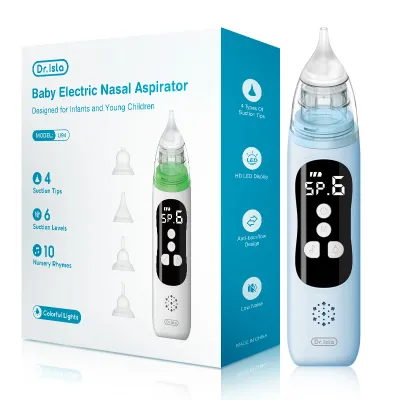
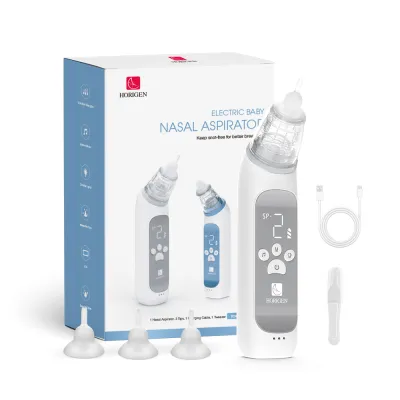

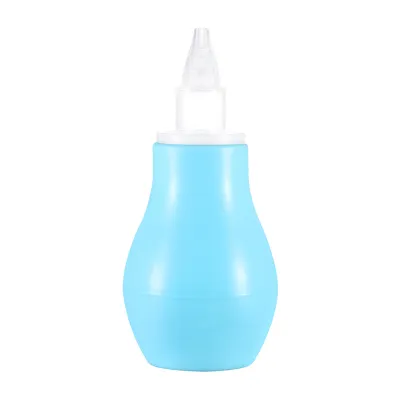

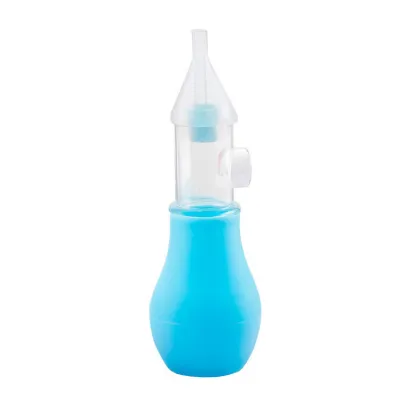
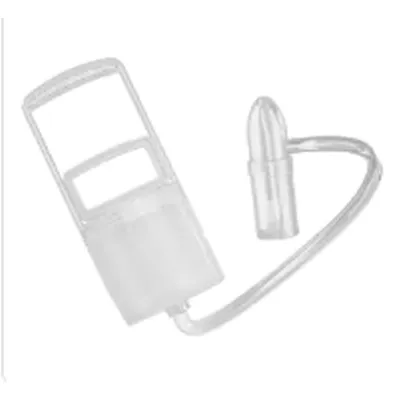
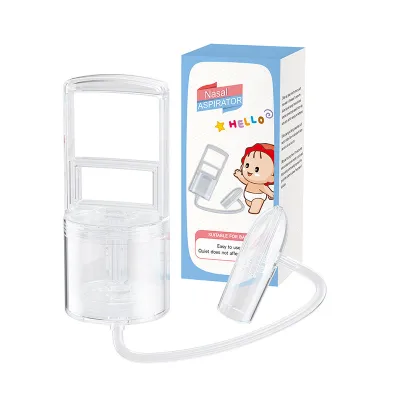
Prices are valid at publication and may change. Please refer to the product page for the latest price.
An electric nasal aspirator utilizes a small, motorized pump powered by disposable batteries or a rechargeable internal battery. Instead of relying on manual hand strength, the caregiver presses a button to activate a continuous, steady suction flow. The mucus is drawn through a soft silicone tip and collected in a separate, removable plastic chamber or cup, keeping the motor housing dry and clean.
The physical design of the tips also differs significantly between the two types. Manual bulb syringes often feature a single-piece molded design or a rigid plastic tip that requires careful positioning to avoid inserting it too deeply. Electric models typically come with multiple interchangeable silicone tips of varying shapes and sizes, allowing caregivers to select a tip that matches the baby’s growing nostril size and the thickness of the mucus.
Key Comparison Dimensions for Baby Nasal Aspirators
Evaluating a nasal aspirator requires looking beyond the initial purchase price to consider how the device performs during daily parenting challenges. Congestion can strike at any hour, meaning the tool you choose must be easy to operate under pressure, simple to sanitize, and comfortable for your baby. Comparing these devices across specific functional dimensions helps clarify which option aligns best with your daily routine.

Suction Power and Effectiveness
The primary job of any nasal aspirator is to clear mucus efficiently, but the way suction is generated and controlled varies greatly between manual and electric designs. With a manual bulb syringe, the suction power is entirely dependent on the caregiver’s technique and physical hand strength. Squeezing the bulb harder or faster creates a stronger, sudden vacuum, while a gentle squeeze produces a milder pull. This manual control allows for instant adjustments, but it can be inconsistent and difficult to manage if your baby is squirming or resisting.
Electric nasal aspirators provide a steady, continuous suction that does not rely on manual effort. Many electric models feature multiple adjustable suction levels, allowing you to start with a gentle setting and increase the power if the mucus is particularly thick or stubborn. Because the suction is motorized and continuous, it can clear passages quickly without the need to repeatedly squeeze and release a bulb.
When evaluating suction effectiveness, it is important to check the manufacturer’s product labels for the stated suction capabilities, often measured in kilopascals (kPa). Caregivers should verify the recommended mucus types for each device, as some electric models are optimized for thin, watery secretions and may require the use of saline drops to loosen thicker mucus before suctioning.
Ease of Use and Cleaning
Hygiene is a critical factor when choosing baby care products, and nasal aspirators require thorough cleaning after every single use to prevent the growth of bacteria and mold. Traditional manual bulb syringes present a well-known cleaning challenge. Because many classic bulb syringes are molded as a single piece, the interior is completely dark and inaccessible, making it nearly impossible to see if the inside has dried completely or if mold has begun to form. While some modern manual bulbs can be twisted apart for cleaning, many still require careful flushing with warm, soapy water and extended drying times.
Electric nasal aspirators are designed with disassembly in mind. They typically feature a modular construction where the silicone tip, collection cup, and internal barrier can be easily detached from the motorized base. This allows caregivers to wash the parts that come into contact with mucus directly under running water or sanitize them according to the manufacturer’s instructions.
Before purchasing, always verify the manufacturer’s specific cleaning guidelines. Some electric parts may be dishwasher-safe or compatible with steam sterilizers, while others must be washed strictly by hand to avoid damaging the seals or filters. Checking these requirements beforehand ensures you can maintain a high standard of hygiene without unnecessary hassle.
Comfort, Noise, and Baby's Acceptance
A baby’s reaction to having their nose cleared can range from mild annoyance to intense resistance, making the overall sensory experience of the device highly important. Manual bulb syringes operate in complete silence. This silent operation is a major advantage when trying to clear a sleeping baby’s nose or when dealing with an easily startled infant who might become highly distressed by sudden sounds.
Electric nasal aspirators, by contrast, generate a noticeable humming or buzzing sound from the internal motor. For some babies, this noise can cause fear or anxiety, making them more likely to wiggle or cry during the process. To address this, some manufacturers design their electric models with quieter motors or include soothing features such as built-in lullabies or colorful lights to distract the baby.
When shopping for an electric model, it is helpful to check user descriptions or product specifications for noise level indicators, usually measured in decibels (dB). Opting for a model designed for quiet operation can make the process much smoother and less stressful for both you and your little one.
Cost and Long-Term Value
The financial investment for these devices involves both the upfront purchase price and the potential long-term costs of replacement parts or power sources. Manual bulb syringes are highly affordable, with initial prices typically ranging from very low to moderate amounts in local pharmacies and baby stores. However, because of the hygiene risks associated with hidden mold and material wear, manual bulbs often need to be replaced frequently, which can add up over time.
Electric nasal aspirators require a higher initial investment, with prices in ₱ reflecting the motorized technology and included accessories. Beyond the starting cost, caregivers must factor in ongoing expenses such as replacement silicone tips, disposable hygiene filters, or batteries. If you choose a rechargeable model, you will save on battery costs, but you must still ensure the charging cable and internal battery remain functional.
Before making a decision, verify the current retail prices in ₱ at reputable local retailers or online marketplaces. Additionally, check the availability of replacement tips and filters in your local area to ensure you can easily maintain the device over its intended lifespan.
Side-by-Side Comparison Table
To help you quickly weigh your options, the table below summarizes the key differences between manual bulb syringes and electric nasal aspirators based on practical daily usage factors.
| Feature | Manual Bulb Syringe | Electric Nasal Aspirator |
|---|---|---|
| Suction Control | User-dependent (determined by squeeze strength) | Motor-driven (often features adjustable levels) |
| Cleaning Ease | Can be difficult; high risk of hidden mold in single-piece models | Easier; modular parts disassemble for direct washing |
| Noise Level | Completely silent | Low to moderate motor hum (some models include music) |
| Portability | Highly portable; lightweight and requires no power source | Moderately portable; requires batteries or a charger |
| Maintenance Needs | Low maintenance; requires frequent replacement for hygiene | Higher maintenance; requires battery charging or filter replacement |
How to Decide: Which Nasal Aspirator Fits Your Needs?
Choosing the right nasal aspirator comes down to matching the device’s features with your baby’s specific needs and your family’s lifestyle. There is no single option that suits every household, so evaluating your daily routine is the best way to make a decision.
Choose a manual bulb syringe if:
- You are preparing a hospital bag or newborn care kit and want a simple, budget-friendly backup tool.
- Your baby only experiences occasional, mild congestion due to minor weather changes.
- You prioritize a completely silent device that can be used discreetly while your baby is asleep.
- You travel frequently and need a lightweight, highly portable option that does not require batteries or electrical outlets.
Choose an electric nasal aspirator if:
- Your baby suffers from frequent or persistent congestion, which is common in dusty environments or humid tropical climates.
- You prefer a device that can be completely disassembled, washed, and verified clean to eliminate the risk of mold.
- You find manual squeezing physically tiring or difficult to coordinate while trying to keep a squirming baby still.
- You want the convenience of steady, adjustable suction that can handle different types of mucus without manual effort.
Verify first if:
- You are unsure about the appropriate age or weight limits for a specific electric model, as some may not be suitable for very young infants.
- Your baby has any underlying respiratory conditions, narrow nasal passages, or sensitive blood vessels, in which case you must seek professional medical guidance before using any suction device.
Safe Usage and Maintenance Guidelines
Regardless of the type of nasal aspirator you choose, practicing safe usage is paramount to protecting your baby’s delicate nasal passages. The tissues inside an infant’s nose are incredibly sensitive and easily irritated. Always read and strictly follow the manufacturer’s guidelines regarding age limits, weight ranges, and maximum insertion depths to prevent accidental injury.
Avoid overusing any nasal suction device. Suctioning your baby’s nose too frequently—such as more than a few times a day—can cause inflammation, swelling, and increased mucus production, which actually worsens the congestion. To make the process gentler, consider using a few drops of sterile saline solution to soften dry or thick mucus before applying suction, and always ensure you are supervising your baby closely during use.
Stop using the aspirator immediately and consult a pediatrician or qualified healthcare professional if you observe any signs of irritation, such as bleeding or redness inside the nostrils. You should also seek prompt medical attention if your baby’s congestion is accompanied by a high fever, persistent coughing, difficulty feeding, or signs of respiratory distress, such as rapid breathing, grunting, or chest retractions.
Frequently Asked Questions (FAQ)
Can I use a nasal aspirator on a newborn?
Yes, many nasal aspirators are designed to be safe for newborns, but caregivers must always verify the specific manufacturer’s minimum age and weight requirements before use. A newborn’s nasal passages are extremely narrow and delicate, requiring extra gentleness and precise tip placement. It is highly recommended to consult a pediatrician before using any suction device on a premature infant or a newborn with existing health complications to ensure you are using the safest possible method.
How often should I use a nasal aspirator on my baby?
There is no universal safe frequency for using a nasal aspirator, as it depends entirely on your baby’s comfort and the specific device’s instructions. Generally, it is best to limit suctioning to essential times, such as right before feeding or before putting your baby down to sleep, to help them breathe more comfortably. Avoid suctioning multiple times in a short period, and stop immediately if the nasal lining appears red, swollen, or irritated.
Are electric nasal aspirators safe for daily use?
Electric nasal aspirators are generally safe for daily use during periods of congestion, provided they are operated strictly according to the manufacturer’s instructions and safety limits. Always use the lowest effective suction setting and monitor your baby’s nasal passages for any signs of dryness, irritation, or minor trauma. If your baby requires daily suctioning for an extended period without improvement, consult a healthcare professional to identify the underlying cause of the persistent congestion.
Community discussion
Share your experience or ask a question. Comments are reviewed before publication.