
Quick Answer: Is There a Single Best Brand for Active Toddlers?
Finding the right diaper for an active toddler in a warm, humid climate is a highly individual process. There is no single brand that universally outperforms the others for every child. Instead, the ideal fit depends on your toddler’s unique body shape, such as thigh thickness and waist circumference, alongside their daily movement patterns.
A diaper that fits one toddler perfectly might cause leaks or red marks on another. For instance, some families prioritize high waist elasticity to accommodate a rounder belly, while others require specialized leg cuff designs to prevent leaks during climbing and running.
Because sizing standards are not uniform across manufacturers, an “XXXL” or maximum size in one brand may have a completely different weight range or cut than the equivalent size in another. Checking the specific package specifications before purchasing in bulk is the most reliable way to avoid fit issues.
Products mentioned in this guide
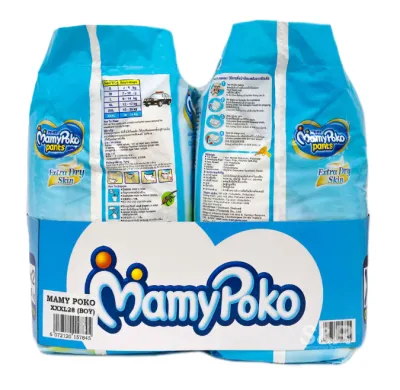
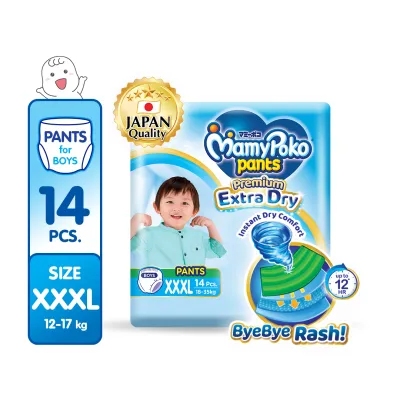
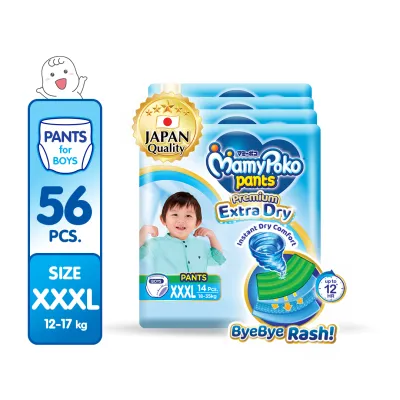
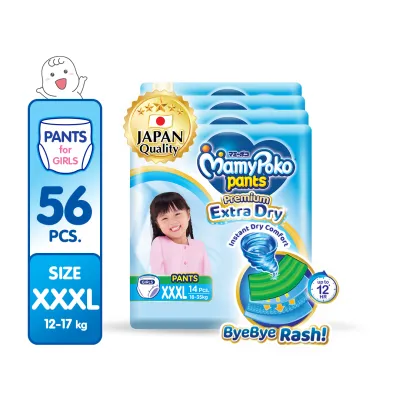
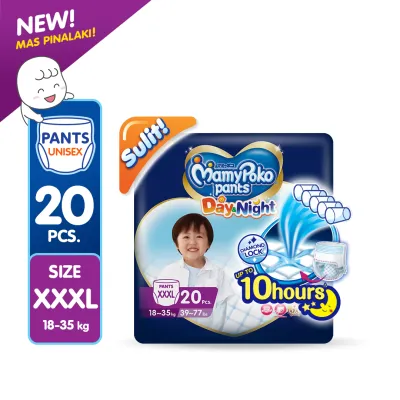
![[DUO PACK] MAMYPOKO Day & Night Baby Disposable Pants Diaper - XXXL 20pcs x 2 Packs](https://img.lazcdn.com/g/p/59c8b28cd1f5352e22122053272a981a.png_400x400q80.png_.webp)
Prices are valid at publication and may change. Please refer to the product page for the latest price.
Key Fit and Comfort Dimensions to Compare
Waistband Elasticity and Fit: When evaluating a diaper pant, examine how the waistband behaves during and after active play. A well-designed waistband should stretch easily to accommodate movement and return to its original shape without leaving deep, red indentations on your toddler’s skin. If you notice persistent red marks after a few hours of wear, the elastic may be too tight or the size too small for your child’s current build.

Leg Cuff Design: Active toddlers spend their days running, climbing, and squatting, which puts constant pressure on the leg openings. To prevent leaks, look for double-layered leg cuffs that sit snugly in the groin crease without binding. You can evaluate the flexibility of these barriers by gently pulling them outward; they should offer a secure seal while remaining soft enough to flex with every step.
Material and Breathability: In tropical climates where humidity is high, trapped moisture can quickly lead to skin discomfort. Check the product packaging for specific manufacturer claims regarding breathable outer layers or micro-pores that allow heat to escape. Additionally, feel the inner lining yourself to ensure it has a soft, non-woven texture that will not cause friction against active legs.
Absorbency Indicators: Different diaper lines are engineered for specific scenarios, such as daytime play or overnight sleep. Review the packaging labels to see if the manufacturer recommends the product for extended night use or standard daytime wear. Many brands also include a wetness indicator strip on the outside, which changes color to help caregivers monitor when a change is needed without disrupting play.
Checking Manufacturer Specifications by Brand
Because diaper sizing is not standardized across the industry, caregivers must carefully inspect the packaging of each brand. The weight guidelines, cut, and elastic tension can vary significantly, meaning a toddler who fits comfortably in one brand’s largest size might find another brand’s equivalent size too tight or too loose.
MamyPoko XXXL Pants
When looking at MamyPoko XXXL Pants, start by verifying the exact weight range printed on the front of the pack, which is typically designed for older toddlers who require a generous cut. This product features a pull-up pant structure with a highly elastic waistband designed to slide on easily during active transitions.
Caregivers should inspect the packaging for details on their specific waistband construction and any designated ventilation channels intended to manage sweat in warm weather. Additionally, check the label for information on their targeted absorbency zones, which are designed to distribute liquid evenly across the core.
Pampers (Largest Available Sizing)
Pampers offers various product lines, so you must first identify their largest available size tier, which may be labeled as Size 6, Size 7, or an XXXL equivalent depending on the specific line. Confirm the weight limits on the box to ensure they align with your toddler’s current weight.
Examine the packaging illustrations to understand their leg cuff construction and waistband flexibility features, which are engineered to keep the diaper secure during vigorous movement. Be sure to check whether the specific pack is designated for standard daytime wear or if it features enhanced overnight protection.
Huggies (Largest Available Sizing)
To evaluate Huggies’ largest options, locate their maximum size tier—often labeled as Size 6, Size 7, or XXXL—and review the manufacturer’s stated weight and age guidelines. Inspect the packaging for mentions of specialized waistband pockets or rear leak guards, which are designed to prevent blowouts during active play or when sitting.
You should also check the package descriptions for details on their inner lining texture and the placement of the wetness indicator, allowing you to compare these features directly with other options on the shelf.
Equator (Largest Available Sizing)
Equator is often considered for its straightforward design, so you should first confirm the maximum size available under this brand and verify its corresponding weight range on the label. Review the packaging to assess its core design features, such as the basic elastic waistband and standard leg barriers, which may be simpler than those of premium brands.
Finally, calculate the cost-per-piece (₱) based on the package price and count. This provides a clear baseline for value comparison, helping you decide if the simpler feature set aligns with your budget for frequent daily changes.
Decision Framework: Which Brand Should You Choose?
Selecting the right diaper involves matching your toddler’s physical needs and your household routine to the specific features of each brand. Use the following guidelines to help narrow down your choice:
- Choose MamyPoko XXXL if: Your toddler falls squarely within the manufacturer's specified weight range, and you prefer a dedicated pull-up pant design that simplifies dressing for an active child who resists lying down during changes.
- Choose Pampers if: The packaging specifications align closely with your toddler's current measurements, and you want to try their specific leg cuff design to address recurring leaks during high-movement activities.
- Choose Huggies if: Your toddler experiences leaks at the waist, and you want to utilize their specialized waistband pocket or stretch zones to secure the fit during active play.
- Choose Equator if: The basic specifications and standard elastic features meet your toddler's daily needs, and you want to optimize your household budget with a lower cost-per-piece (₱) for frequent daytime changes.
- Verify first if: Your toddler is currently between sizes or has highly sensitive skin. In these cases, avoid buying in bulk and consult the manufacturer's specific material disclosures on the packaging to check for potential irritants or fragrance-free options.
Practical Tips for Testing and Transitioning
Before committing to a large bulk purchase of any new diaper brand, always buy the smallest available pack size first. This allows you to test the actual fit and performance in real-world conditions without a significant financial commitment.
Once your toddler begins wearing the new diaper, closely observe their skin after a few hours of active play. Check the waist and thighs for any signs of redness, irritation, or deep elastic marks, which indicate that the diaper is either too small or the elastic is too restrictive for their body shape.
Monitor the diaper’s performance during high-movement activities, such as running outdoors, as well as during overnight sleep. If you notice leaks occurring consistently in specific positions, it may be a sign that you need to adjust the sizing or switch to a brand with a different leg cuff or waistband configuration.
If your toddler develops a persistent rash or skin reaction, stop using the diaper immediately and consult a pediatrician or qualified healthcare professional. Even if a package claims the materials are hypoallergenic or dermatologist-tested, individual skin sensitivities vary, and professional medical advice should always guide your child’s skincare routine.

Community discussion
Share your experience or ask a question. Comments are reviewed before publication.