
Finding the right daily diaper for your baby is a balancing act that depends on their unique body shape, skin sensitivity, and your daily routine. In a tropical climate like the Philippines, where high humidity and heat can quickly lead to discomfort or diaper rash, selecting the ideal pant-style diaper requires looking closely at how different brands handle moisture and fit. While MamyPoko Pants Large is a popular choice for many households, comparing it to other prominent options like Pampers, Equator, and Huggies reveals that there is no single universal winner. Each brand approaches diaper construction with distinct design philosophies, meaning the best option for your baby will depend on observable features, packaging specifications, and how the diaper performs during a real-world trial.
To make an informed decision, caregivers must look past marketing claims and focus on verifiable product details. By evaluating key dimensions such as core absorbency layers, waistband elasticity, material breathability, and physical sizing limits, you can identify which diaper aligns best with your baby’s current developmental stage. This guide provides a structured approach to comparing these four brands, helping you assess their physical features and packaging labels so you can choose a diaper that keeps your baby dry, comfortable, and free to move throughout the day.
Evaluating Absorbency and Leak Protection
Absorbency is the cornerstone of any reliable diaper, especially during long overnight stretches or active daytime play. When comparing MamyPoko Pants Large with Pampers, Equator, and Huggies, your first step should be examining the packaging for specific details regarding the core absorbency technology. Manufacturers often highlight features such as specialized distribution channels designed to spread liquid evenly, or multi-layer cores intended to lock wetness away from the skin. Additionally, look for the presence of a wetness indicator on the exterior of the diaper, which changes color to signal when a change is needed, helping you avoid unnecessary diaper changes or accidental leaks.
Products mentioned in this guide
![MAMYPOKO Day & Night Baby Disposable Diaper Pants Unisex Large 36 pcs [ONLINE EXCLUSIVE]](https://img.lazcdn.com/g/p/a867c31149b8d928e543ad6f8bd0d41c.png_400x400q80.png_.webp)
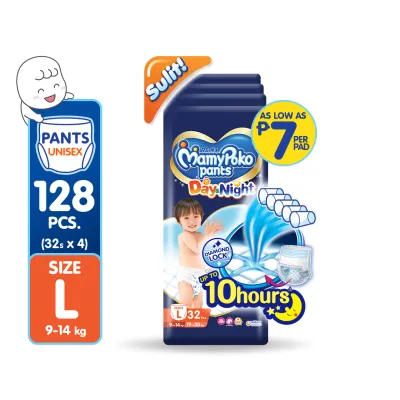
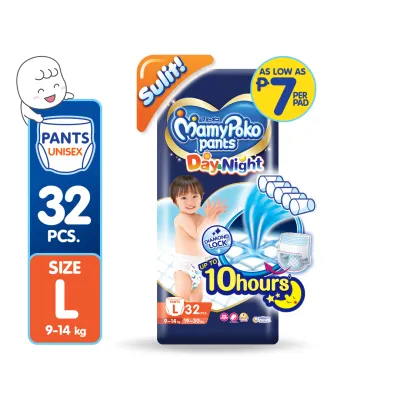
![MAMYPOKO Day & Night Baby Diaper Pants Unisex Large 36 pcs x 2 packs (72 pcs) [ONLINE EXCLUSIVE]](https://img.lazcdn.com/g/p/16e446a4bdbbd9e6376cb7c6f44349bc.png_400x400q80.png_.webp)
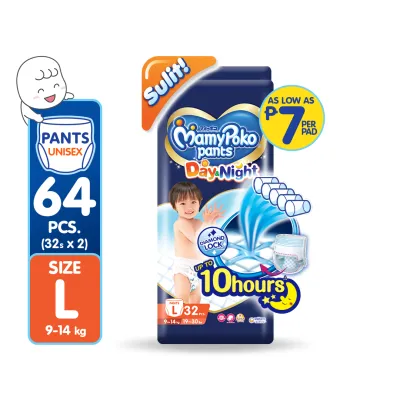
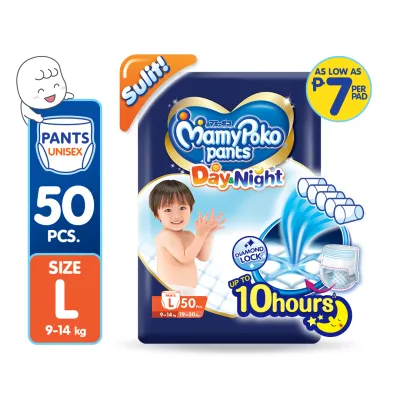
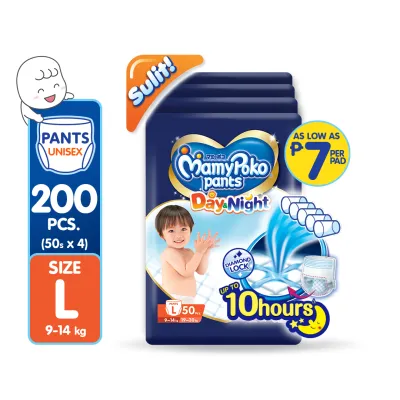
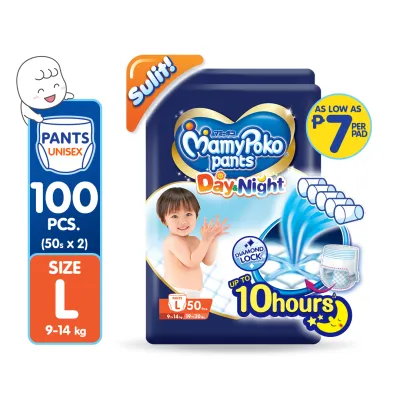
Prices are valid at publication and may change. Please refer to the product page for the latest price.
Beyond the internal core, the physical design of the leg cuffs and barriers plays a critical role in preventing leaks, particularly when your baby is crawling, walking, or sleeping. Inspect the height and elasticity of the double leg gathers on each diaper; taller, more flexible barriers generally provide a more secure seal around the thighs to contain liquid. In humid tropical environments, keeping a baby dry is not just about containing liquid but also about managing sweat and moisture buildup. It is important to remember that actual absorbency performance is highly individual, influenced by your baby’s specific urine output, hydration levels, and how frequently you schedule diaper changes throughout the day and night.
Comparing Fit, Sizing, and Waistband Design
A diaper that does not fit correctly is highly prone to sagging, gaping, and causing uncomfortable red marks on your baby’s skin. Sizing standards are not uniform across different brands, meaning a “Large” diaper from MamyPoko may fit differently than a “Large” from Pampers, Equator, or Huggies. To avoid sizing mismatches, always check the recommended weight ranges printed on each brand’s packaging. These ranges serve as a general guideline, but because babies have different body proportions—some having rounder bellies while others have chunkier thighs—the physical shape of the diaper is often more telling than the weight number alone.

The design of the waistband is particularly crucial for pant-style diapers, which must stretch easily over the hips while remaining snug enough to stay in place. When evaluating these brands, observe the elasticity, width, and overall texture of the waistbands. Some designs feature a 360-degree stretch system that distributes tension evenly around the waist, while others rely on more localized elastic gathers. A wider, softer waistband can help distribute pressure more comfortably, reducing the likelihood of deep red marks. Additionally, look for specific fit features advertised on the pack, such as contoured shapes or tailored leg gathers, which are designed to accommodate active movement without slipping down.
Assessing Comfort, Breathability, and Skin Sensitivity
In warm and humid conditions, maintaining skin health is a primary concern for caregivers, making material comfort and breathability essential criteria. When reviewing diaper packaging, pay close attention to how the manufacturer describes the materials used in the topsheet and backsheet. Look for terms like “cotton-like softness” or “micro-porous outer covers,” which indicate that the diaper is designed to allow air to circulate, helping to keep your baby’s skin cool and dry. A highly breathable backsheet is particularly valuable in tropical climates, as it helps release trapped heat and moisture, reducing the risk of diaper rash.
Skin sensitivity varies greatly from baby to baby, and even highly rated diapers can occasionally cause localized irritation due to individual sensitivities to adhesives, elastics, or materials. Check the packaging for hypoallergenic labels or claims of dermatological testing, which suggest the materials have undergone basic safety evaluations. However, because these labels do not guarantee absolute compatibility with your baby’s skin, it is best to monitor your baby closely during the first few days of using any new brand. If you observe persistent redness, chafing, or a rash, stop using the diaper immediately and consult a qualified healthcare professional or pediatrician to address the issue.
Condition-Based Decision Framework
To choose the right diaper without relying on trial and error, you can use a condition-based framework that matches specific product features to your baby’s daily needs and physical build. Consider choosing MamyPoko Pants Large if your observations during a trial show that its specific waistband elasticity and absorbency channel design align well with your baby’s body shape. This option is often favored by caregivers who prioritize a secure, high-waisted fit that stays in place during active daytime play and provides reliable coverage without sagging.
On the other hand, Pampers, Equator, or Huggies may be the more suitable choice if their respective material textures, leg cuff constructions, or local availability better support your daily routine and household budget. For instance, if your baby has highly sensitive skin that responds better to a specific brand’s topsheet material, or if you prefer a diaper with a slimmer profile for daytime wear, these alternatives might offer the exact balance you need. Additionally, local availability in your nearby supermarkets or preferred online marketplaces can play a major role in maintaining a consistent supply.
Keep in mind that neither of these options may fit perfectly if your baby is currently transitioning between sizes or experiencing a growth spurt. If you find that a diaper is consistently leaking or leaving deep marks despite being within the recommended weight range, it may be time to adjust the size rather than switching brands. Always verify the exact weight thresholds on the packaging, and do not hesitate to consult a pediatrician if skin irritation or diaper rashes persist despite frequent changes and proper hygiene.
Verifying Value and Sizing Before Bulk Purchases
Before committing to a large bulk purchase of any diaper brand, it is highly practical to calculate the exact cost-effectiveness to ensure it fits your long-term budget. To do this, calculate the price per piece by dividing the total cost of the pack by the number of diapers inside, using current listings from local supermarkets or trusted e-commerce platforms. Because promotional bundles, discounts, and pack sizes change frequently, keeping track of the price per piece (₱) is the most accurate way to compare the true value of MamyPoko, Pampers, Equator, and Huggies.
To prevent waste and avoid being stuck with a large quantity of diapers that do not fit, always purchase small trial packs of your shortlisted brands first. This allows you to physically test the fit, absorbency, and skin compatibility on your baby in real-world conditions before investing in bulk boxes. Finally, when you do decide to buy in bulk, make it a habit to check the manufacturing and expiration dates printed on the packaging. Ensuring the materials and elastic components are fresh helps guarantee that the diaper’s stretchability and adhesive tabs perform exactly as intended.
Frequently Asked Questions (FAQ)
When should I transition my baby from Medium to Large diapers?
Knowing when to transition your baby to a Large diaper involves looking at both the manufacturer’s weight guidelines and physical signs of fit. While the weight range on the packaging provides a helpful baseline, you should also watch for physical indicators during daily use. If you notice persistent red marks around your baby’s thighs or waist, frequent leaks, or if the waistband sits significantly below the belly button, these are clear signs that the current size is too small. Additionally, if the diaper’s adhesive tabs or elastic waistbands are stretched to their absolute limits, transitioning to a Large size will provide better coverage and comfort.
Is it safe to alternate between different diaper brands daily?
Alternating between different diaper brands daily is generally safe and can be a practical strategy for many families, such as using a more absorbent brand for overnight sleep and a lighter, more breathable brand during the day. Most babies tolerate this variation well, provided the diapers fit correctly and do not cause friction. However, because different brands use different materials, adhesives, and elastic gathers, you should closely monitor your baby’s skin for any signs of irritation or redness when introducing a new brand into the rotation. If any localized skin reactions occur, it is best to stick to the single brand that your baby’s skin tolerates most comfortably.

Community discussion
Share your experience or ask a question. Comments are reviewed before publication.