
To find the most suitable XXL tape diaper among MamyPoko, Pampers, Huggies, and Equator, caregivers must focus on how each brand’s specific cut, waistband elasticity, and material structure align with their toddler’s physical build and daily activity levels. There is no universal winner; a diaper that keeps one toddler dry overnight might cause leaks or red marks on another. In the tropical climate of the Philippines, factors like breathability and skin comfort become just as critical as raw absorbency. By systematically checking weight ranges, inspecting physical design elements, and calculating the exact cost per piece, you can identify the diaper that offers the most reliable performance and value for your household.
Verifying the Right Fit Before Comparing Brands
Sizing standards are not uniform across diaper manufacturers. While an XXL label generally targets toddlers weighing over 15 kilograms, the exact weight brackets printed on the packaging can vary significantly between MamyPoko, Pampers, Huggies, and Equator. Before purchasing a large bulk pack, always cross-reference your toddler’s current weight with the manufacturer’s specific sizing chart. A toddler who is at the lower end of one brand’s XXL range might experience gaps and leaks, while a child at the upper limit of another brand’s range may find the fit too restrictive.
Physical indicators on your toddler’s skin provide the most reliable evidence that a size upgrade is necessary. Look for deep red marks or indentations around the thighs, hips, or waist after a few hours of wear, which indicate the elastic is under too much tension. Frequent leaks near the leg cuffs or the back waistband, even when the diaper is not fully saturated, also suggest the current size lacks the physical volume to contain waste. Additionally, if the fastening tapes struggle to reach the designated landing zone on the front panel, or if they pop open during movement, your toddler has likely outgrown the diaper’s physical dimensions.
Products mentioned in this guide

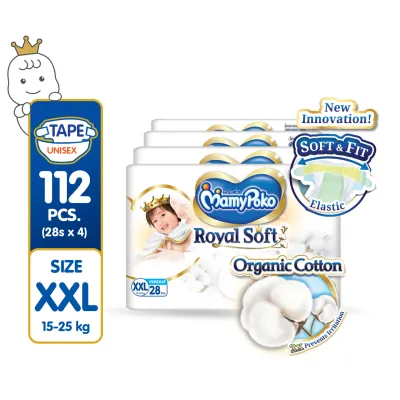
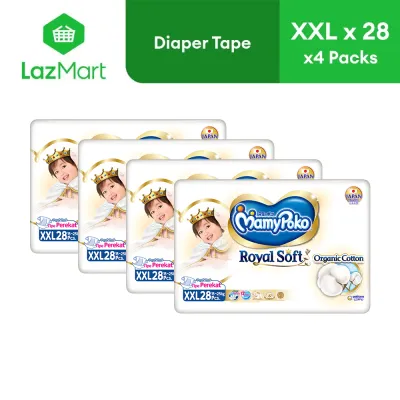
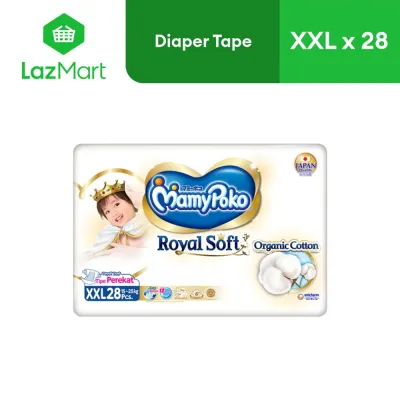
Prices are valid at publication and may change. Please refer to the product page for the latest price.
Choosing between tape diapers and pants-style diapers at the XXL stage depends heavily on your toddler’s mobility and cooperation during changes. Tape diapers offer a distinct advantage in fit customization, allowing caregivers to adjust the waist tension to accommodate a full belly after meals or a slimmer waistline during active play. This adjustability is particularly beneficial for toddlers with unique body shapes, such as chunky thighs paired with a narrow waist. However, if your toddler refuses to lie down for changes or constantly pulls at the fastening tabs, transitioning to pants-style diapers may eventually become a practical necessity for daily convenience.
Comparing Absorbency, Breathability, and Comfort Claims
Evaluating absorbency claims requires a close inspection of the diaper’s physical core rather than relying solely on packaging slogans. When examining a sample diaper, feel the thickness and distribution of the absorbent material inside. Some brands utilize a centralized pulp-and-polymer core designed to lock away moisture quickly, while others distribute the absorbent channels more evenly from front to back. A wetness indicator line on the outer backsheet is a highly useful feature to verify; it changes color when exposed to moisture, helping you monitor wetness levels without opening the diaper.

Waistband elasticity and leg cuff construction are your primary defenses against leaks. Examine the stretchiness of the back waistband and the flexibility of the side panels. A high-quality tape diaper should stretch smoothly without requiring excessive force, ensuring a snug seal against the lower back where blowout leaks commonly occur. Inspect the leg cuffs to ensure they feature double-layered elastic barriers that stand upright. These barriers must be gently flared outward during application to create an effective seal around the thighs without pinching the skin.
Skin sensitivity is a paramount concern, especially in the warm and humid conditions typical of the Philippines. Caregivers should carefully read packaging labels to identify skin-friendly certifications and formulations. Look for explicit indicators such as “fragrance-free,” “lotion-free,” or “dermatologically tested” to minimize the risk of contact dermatitis. The texture of the inner topsheet should feel soft and dry to the touch; a rough or plastic-like texture can cause friction against your toddler’s skin, leading to painful chafing during active movement.
Breathability is essential for preventing heat rash and diaper dermatitis in tropical climates. Check the diaper’s backsheet material to verify if it is made of a micro-porous, cloth-like fabric that allows air to circulate while keeping moisture contained. A stiff, plastic-feeling backsheet often traps heat and humidity, creating an environment prone to bacterial and fungal growth. During physical inspection, a breathable diaper will feel light and flexible, allowing body heat to dissipate more efficiently during daytime play and long overnight stretches.
Calculating Real Value and Cost per Diaper
To determine the true financial impact of your diaper choice, you must calculate the exact cost per piece rather than comparing overall pack prices. Because pack configurations vary widely across brands—ranging from small travel packs to jumbo bags and bulk boxes—comparing the shelf price can be highly misleading. Use the simple formula: divide the total retail price of the pack in ₱ by the exact number of diapers contained inside. This calculation provides a standardized unit price that allows for an accurate, head-to-head financial comparison.
Sourcing your diapers strategically can yield significant savings over time. Standard retail packs found in local supermarkets are convenient but often carry a higher cost per piece. Purchasing bulk boxes or jumbo packs through online marketplaces or wholesale clubs typically offers a lower unit price, especially when taking advantage of seasonal promotions or subscription discounts. However, always verify the shipping fees and delivery times when ordering online, as heavy diaper boxes can incur high shipping costs that offset the initial product savings.
It is crucial to balance the upfront cost per piece against the diaper’s actual performance in daily use. A cheaper diaper that requires changing every two hours, or one that frequently leaks and demands extra laundry cycles, may ultimately cost more than a slightly more expensive diaper with higher absorbency. Consider the total daily consumption: if a premium diaper allows your toddler to sleep through the night comfortably with a single change, it may prove more economical than using multiple lower-cost diapers over the same period.
Decision Framework: Matching the Diaper to Your Toddler's Needs
If your toddler has a rounder belly or a unique waist-to-hip ratio, MamyPoko XXL tape diapers may be the most suitable choice. This brand is often selected by caregivers who prefer a generous cut and highly adjustable fastening tapes that allow for a secure, customized fit around the midsection. Inspect the padding distribution on the MamyPoko pack to ensure it aligns with your toddler’s primary wetting zones, particularly if they require extra front coverage during active daytime play.
For toddlers with highly sensitive skin or those prone to heat rash in humid weather, Pampers XXL tape diapers are worth considering. Focus on verifying the brand’s specific breathability features and the softness of its inner liner texture on the packaging. If your toddler is highly mobile and requires a lightweight, low-profile diaper that moves easily with their body without bunching up, the Pampers fit profile may offer the comfort and flexibility they need.
If your toddler is exceptionally active, crawling, climbing, and running throughout the day, Huggies XXL tape diapers may provide the structural security you need. Pay close attention to the design of the leg cuffs and the strength of the fastening system. Huggies is often favored for its robust elastic barriers and secure tabs that resist shifting, making it a strong candidate for preventing side leaks during vigorous physical activity and restless sleep.
When managing a strict household budget is your primary objective, Equator XXL tape diapers offer a highly economical alternative. This brand is ideal for daytime use when changes are naturally more frequent, allowing you to minimize your cost per piece in ₱. Before committing to Equator for overnight use, verify that your toddler’s wetting volume aligns with the diaper’s standard absorbency capacity, as lighter wetters will get the most value from this budget-friendly option.
Regardless of the brand you select, always prioritize your toddler’s skin health and comfort. If your child develops a persistent rash, or if severe leaks continue despite verifying the correct size and application technique, consult a pediatrician or a qualified healthcare professional. Do not rely on diaper changes alone to resolve chronic skin irritation, as specialized medical advice or hypoallergenic products may be required to address underlying sensitivities.
Frequently Asked Questions (FAQ)
When should I switch my toddler from tape diapers to diaper pants?
The transition from tape diapers to diaper pants is typically driven by your toddler’s developmental milestones and mobility levels. Once your toddler begins crawling actively, standing, or walking, keeping them still on a changing table can become a significant challenge. Diaper pants can be pulled on quickly while the child is standing, simplifying the changing process for busy caregivers.
You should also consider switching if you notice physical fit issues during active play. If your toddler’s movements cause the fastening tapes of a tape diaper to consistently pop open, sag, or shift out of place, the 360-degree elastic waistband of diaper pants will provide a more secure, slip-resistant fit that moves naturally with their body.
How can I prevent leaks at night with an XXL tape diaper?
Preventing overnight leaks starts with a meticulous application technique before bedtime. Ensure the diaper’s back waistband is positioned high enough on your toddler’s lower back, and pull the fastening tapes symmetrically across the front panel to create an even seal. Always run your finger around the inner leg cuffs to flare the elastic barriers outward; tucked-in cuffs are a primary cause of nighttime leaks.
If leaks persist despite perfect positioning, your toddler’s nighttime wetting volume may simply exceed the standard capacity of their current diaper size. In this scenario, consider trialing a size upgrade to a larger diaper or checking the manufacturer’s guidelines for specialized overnight options. If skin irritation or heavy wetting patterns concern you, consult a pediatrician for personalized guidance.

Community discussion
Share your experience or ask a question. Comments are reviewed before publication.