
Selecting the right diaper for your growing baby is a balancing act between comfort, performance, and household expenses. As babies transition to larger sizes, typically around the crawling and walking stages, their diaper needs change dramatically. In a tropical climate like the Philippines, where high humidity and heat are daily realities, finding a diaper that fits securely without causing chafing or trapping sweat is essential for maintaining healthy skin.
MamyPoko Large Pants, Pampers, Huggies, and Equator each offer distinct design philosophies, material structures, and price points. There is no single diaper that works perfectly for every infant, as differences in body shape, activity levels, and skin sensitivity dictate the ideal match. By focusing on observable features such as waistband elasticity, leg cuff structures, and cost-per-piece calculations, you can make an informed decision that keeps your baby dry and comfortable.
Key Criteria for Evaluating Large Diaper Pants
When your baby graduates to a large size, they are usually highly mobile, exploring their environment by crawling, cruising, or walking. This increased activity requires a diaper that moves with them while preventing leaks. To evaluate which brand fits your baby best, you must look closely at three primary criteria: absorbency needs, fit and elasticity, and skin sensitivity features.
Products mentioned in this guide
![MAMYPOKO Day & Night Baby Disposable Diaper Pants Unisex Large 36 pcs [ONLINE EXCLUSIVE]](https://img.lazcdn.com/g/p/a867c31149b8d928e543ad6f8bd0d41c.png_400x400q80.png_.webp)
![MAMYPOKO Day & Night Baby Diaper Pants Unisex Large 36 pcs x 2 packs (72 pcs) [ONLINE EXCLUSIVE]](https://img.lazcdn.com/g/p/16e446a4bdbbd9e6376cb7c6f44349bc.png_400x400q80.png_.webp)
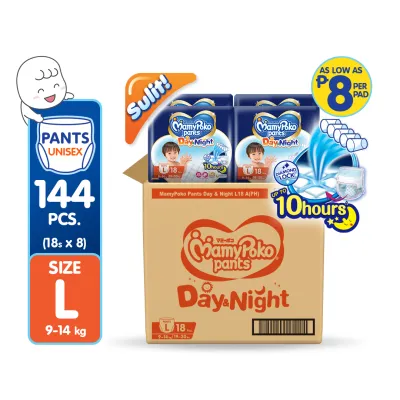
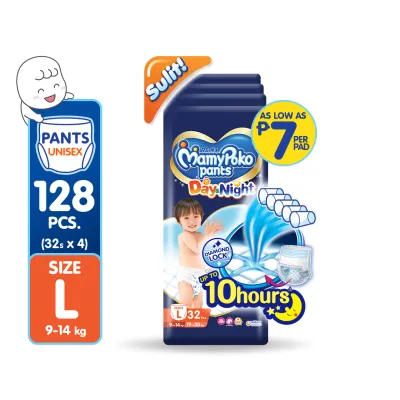
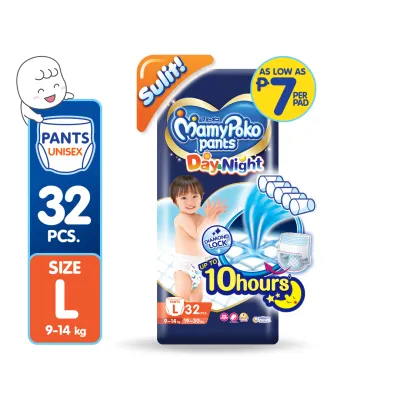
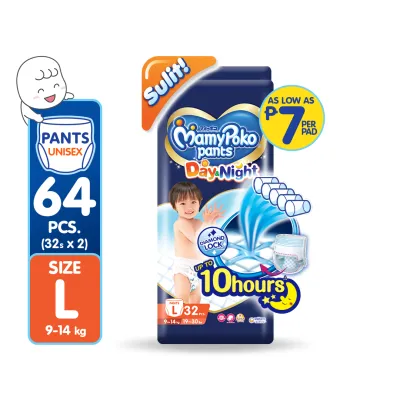
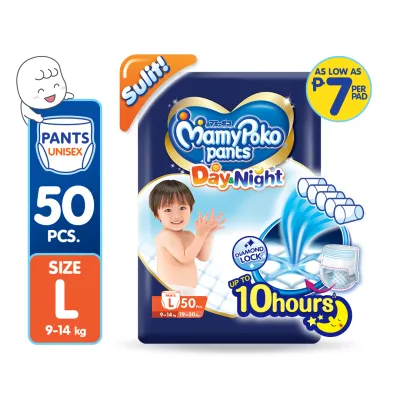
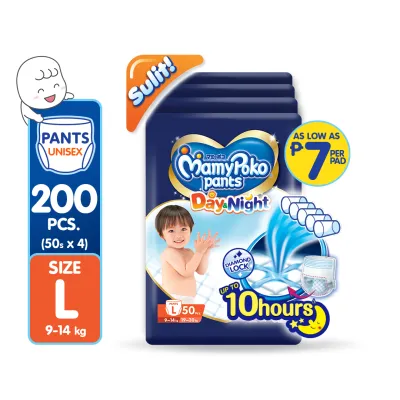
Prices are valid at publication and may change. Please refer to the product page for the latest price.
Absorbency requirements vary significantly between daytime and nighttime use. During the day, especially in warm tropical weather, frequent diaper changes are necessary to maintain hygiene and prevent sweat accumulation. For these hours, a lighter diaper with moderate absorbency may be sufficient. For overnight wear, however, you need a diaper with a higher stated capacity on the packaging to handle multiple wettings without leaking, allowing your baby to sleep undisturbed.
Fit and elasticity are critical for active babies. When inspecting diaper pants, examine the waistband stretch and the design of the leg cuffs. A high-quality waistband should stretch easily to accommodate a full tummy after feeding, yet retract gently to prevent the diaper from sagging when the baby stands or crawls. The leg cuffs must feature flexible, double-layered barriers that hug the thighs without digging into the skin, creating a secure seal against active movement.
Skin sensitivity is another vital consideration, particularly in humid environments where moisture can quickly lead to diaper rash. Look for diapers that highlight breathable outer covers on their packaging, which allow air to circulate and heat to escape. Examine the inner liner’s texture; it should feel soft to the touch and quickly draw wetness away from the skin. Some brands include wetness indicators—lines that change color when wet—which help caregivers identify exactly when a change is needed before irritation develops.
Comparing MamyPoko, Pampers, Huggies, and Equator
To determine which diaper pants align with your baby’s needs, it is helpful to compare the physical characteristics and design choices of MamyPoko, Pampers, Huggies, and Equator. Each brand approaches diaper construction differently, which affects how they fit various body types.

MamyPoko Large Pants are widely recognized for their generous cut and highly elastic waistband. When examining a pack of MamyPoko, look at the waistband construction; it typically features a multi-thread elastic design intended to distribute pressure evenly around the baby’s waist. This design is often favored for babies with rounder tummies or chunkier thighs. Additionally, check the packaging for details on their stated absorbency zones, which are engineered to distribute liquid evenly across the core to prevent sagging in a single spot.
Pampers diaper pants generally feature a slimmer, more contoured fit profile. If your baby has a leaner build, you may find that this streamlined shape conforms closely to their body without bunching up between the legs. When inspecting Pampers pants, feel the inner and outer materials; the brand emphasizes lightweight, cloth-like textures designed to minimize friction against delicate skin. Their fastening and tear-away side seams are also designed for quick removal during active diaper changes.
Huggies diaper pants focus heavily on active leak protection. When evaluating Huggies, pay close attention to the leg cuff structures and the waistband stretch. The brand often incorporates pocketed waistbands or specialized double leak-guards around the legs, which are designed to catch runny messes before they escape. This makes them a strong candidate to inspect if your baby is constantly climbing, rolling, or transitioning from crawling to walking.
Equator diapers are positioned as a highly practical, budget-friendly option. When assessing Equator diaper pants, you will notice a more straightforward, basic structural design. The materials may feel slightly stiffer compared to premium brands, but they provide a functional core that serves well for routine daytime use. If your daily routine involves changing your baby at very regular, frequent intervals, evaluating Equator’s baseline features can help you determine if they meet your standard for daytime protection.
Assessing Price and Value per Diaper
While diaper performance is crucial, managing the household budget is an ongoing priority for parents in the Philippines. To understand the true financial impact of your choice, you must look past the initial shelf price of a pack and calculate the cost per individual diaper.
To find the exact cost per piece, divide the total price of the diaper pack by the number of diapers inside. For example, if a pack costs ₱600 and contains 40 diapers, the cost per piece is ₱15. Performing this simple calculation allows you to make direct, objective comparisons between different brands and packaging sizes, revealing which option offers the best value for your money.
Unit prices can vary significantly depending on where and how you purchase them. Generally, jumbo or mega packs offer a lower cost per piece than standard or travel packs. When shopping on local online marketplaces or visiting physical supermarkets, look out for promotional bundles, multi-pack discounts, or seasonal sales. However, keep in mind that buying in bulk requires adequate storage space. In a humid climate, diapers stored in open or damp areas can absorb moisture from the air, reducing their effectiveness; always store bulk purchases in a cool, dry place inside sealed containers.
Decision Framework: Choosing the Right Brand
Selecting the ideal diaper brand involves matching your baby’s physical characteristics and your daily routine to the specific strengths of each product. Use this conditional framework to guide your next purchase.
Consider MamyPoko Large Pants if your baby has a rounder build, chubby thighs, or a prominent tummy, as the generous waistband cut and elastic distribution are designed to accommodate these shapes comfortably without leaving deep red marks.
Opt for Pampers if your baby has a leaner, more athletic build and you prefer a lightweight, contoured diaper that fits snugly under clothing while prioritizing a soft, cloth-like material feel.
Choose Huggies if your baby is exceptionally active, constantly on the move, or prone to blowouts, and you want to utilize their robust leg cuff barriers and secure waistband stretch to contain active leaks.
Select Equator if your primary goal is maximizing your budget for frequent daytime changes, and your baby does not require specialized overnight absorbency or highly elastic premium waistbands for their daily routine.
Regardless of the brand you choose, baby skin is highly individual. Always verify the material list on the packaging for any potential allergens or synthetic fragrances if your baby has known skin sensitivities. When trying a new brand, purchase a small pack first, perform a brief patch test by observing the skin after a few hours of wear, and immediately stop use and consult a pediatrician if you notice persistent redness, bumps, or signs of diaper rash.
Frequently Asked Questions (FAQ)
When should I switch from tape diapers to diaper pants?
You should consider transitioning to diaper pants when your baby becomes highly mobile and diaper changes become a physical challenge. Common signs include rolling over, crawling away, or resisting lying down during changes. Diaper pants can be pulled on quickly while your baby is standing or crawling, making the process much easier for caregivers. Always check the manufacturer’s weight and size guidelines on the packaging to ensure your baby has reached the recommended minimum weight for the Large pants size.
How do I know if the Large size is too small or too big for my baby?
To determine if the Large size is correct, perform a few simple physical checks. If you notice deep red marks or indentations around your baby’s thighs or waist, or if the waistband sits well below the belly button, the diaper is too small and you should size up. Conversely, if there are visible gaps around the leg cuffs, if the diaper frequently sags even when dry, or if you experience regular leaks, the diaper is too large and you may need to return to a smaller size or try a brand with a slimmer cut.
Can I mix different diaper brands for daytime and nighttime use?
Yes, mixing different diaper brands for daytime and nighttime use is a practical and cost-effective strategy used by many parents. You might choose a budget-friendly brand like Equator for frequent daytime changes when you can monitor and replace the diaper quickly, and use a highly absorbent brand like MamyPoko, Pampers, or Huggies for overnight sleep. Ensure you monitor your baby’s skin closely during the transition; as long as there are no signs of skin irritation or chafing, mixing brands is a safe way to optimize your diapering budget.

Community discussion
Share your experience or ask a question. Comments are reviewed before publication.