
Quick Answer: Which XXL Diaper Brand Fits Your Toddler Best?
Finding the right pull-up diaper for a growing toddler is a balancing act between movement, containment, and skin health. As toddlers become highly active, standard taped diapers often fail to keep up with their constant running, climbing, and tumbling. When searching for the ideal fit, comparing mamypoko pants xxl against equivalent offerings from Pampers and Huggies reveals distinct design philosophies tailored to different toddler needs and body types.
There is no single “best” brand for every child; instead, the right choice depends on your toddler’s unique anatomy, activity levels, and wetting patterns. Parents should consider a conditional approach when selecting a brand. Choose MamyPoko if your toddler is a heavy wetter who needs maximum overnight absorption and has a rounder build with fuller thighs. Opt for Pampers if your child is exceptionally active, prefers a lightweight, slim profile that does not restrict movement during daytime play, and has a leaner build. Select Huggies if you prioritize a highly secure waistband and robust leg cuffs to prevent leaks during restless sleep or high-impact outdoor activities.
Because diaper sizing is not standardized across manufacturers, an “XXL” label can vary significantly in physical dimensions and weight limits from one brand to another. Caregivers must always verify the specific weight ranges, waist measurements, and fit guidelines printed on each product’s packaging before purchasing.
Products mentioned in this guide
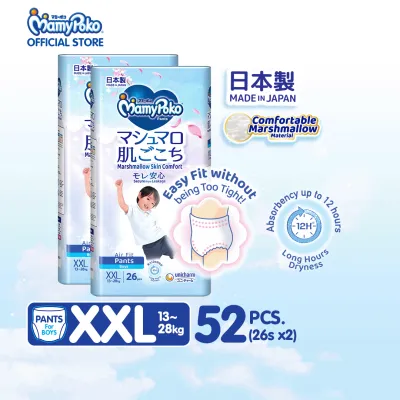
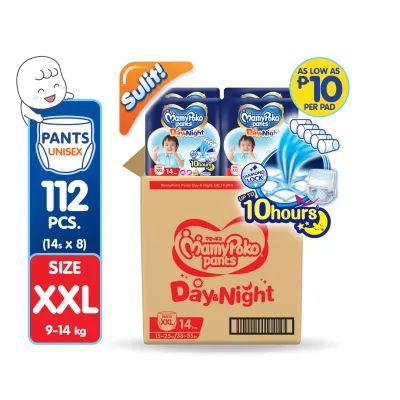
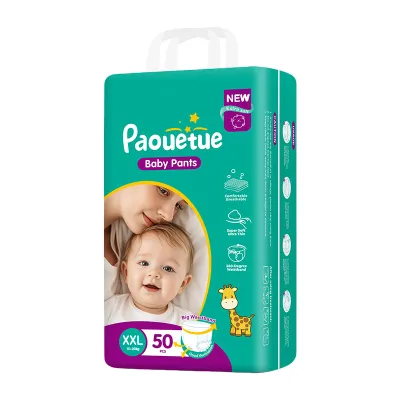
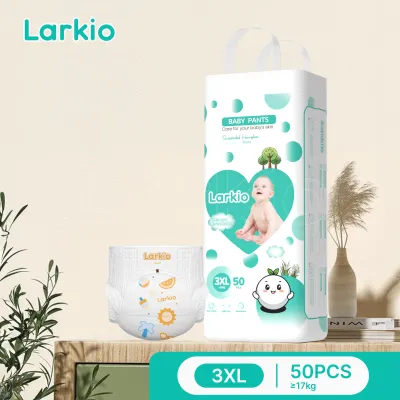
Prices are valid at publication and may change. Please refer to the product page for the latest price.
Key Criteria for Choosing XXL Pull-Up Diapers
Selecting the right XXL pull-up diaper requires understanding how a toddler’s physical development and daily routine impact diaper performance. At this stage, children are no longer sedentary; they are exploring their environment, which places unique demands on disposable diaper construction.

Absorption Capacity and Fluid Retention
Older toddlers consume larger volumes of liquids, resulting in heavier, more sudden bursts of wetness. A diaper must not only absorb fluid quickly but also lock it away securely under pressure—such as when a toddler sits down hard or rolls over in bed. High absorption capacity is vital for long outings in the Philippines, where finding clean changing facilities on the go can sometimes be challenging, as well as for ensuring uninterrupted overnight sleep.
Stretch, Elasticity, and Fit
A toddler’s body shape changes rapidly as they transition from baby fat to active muscle. Diaper pants must feature highly elastic waistbands and flexible leg openings that stretch comfortably with every movement. If the elastic is too tight, it can leave painful red marks on chunky thighs or a round tummy; if it is too loose, it will inevitably lead to sagging and messy leaks.
Breathability in Tropical Climates
In the warm, humid climate of the Philippines, heat and moisture easily get trapped inside a diaper. This microclimate is a primary trigger for diaper rash and skin irritation. XXL pants must utilize highly breathable outer covers and micro-porous materials that allow hot air to escape while keeping wetness locked inside, helping to maintain a dry and healthy skin barrier.
Ease of Use and Quick Changes
Changing a squirming, standing toddler is entirely different from changing a cooperative infant. Pull-up pants simplify this transition by allowing caregivers to slip the diaper on while the child is standing up. Tear-away side seams are equally crucial, enabling quick, clean removal during messy changes without needing to slide a soiled diaper down the toddler’s legs.
MamyPoko XXL Pants: High Absorption for Heavy Wetters
MamyPoko has long been recognized for its focus on high-capacity absorption and generous, comfortable sizing. For parents managing heavy wetters, the mamypoko pants xxl offer a robust solution designed to handle substantial fluid volumes without immediate leaking.
The primary strength of MamyPoko’s XXL pants lies in their thick, highly absorbent core. This design is engineered to distribute moisture evenly throughout the pad, preventing pooling and keeping the surface dry against the skin. This makes the brand a popular choice for overnight wear, allowing toddlers to sleep comfortably through the night without waking up from dampness. The inner lining is typically crafted with a soft, quilted texture that minimizes friction against sensitive skin, which is particularly beneficial when the diaper is worn for extended periods.
In terms of fit, MamyPoko pants generally feature a roomier cut. The waistband and leg openings are designed to accommodate toddlers with fuller figures, round bellies, and thicker thighs. This generous cut helps prevent the elastic from digging into the skin, offering a relaxed yet secure fit.
However, because MamyPoko offers multiple sub-lines—such as Extra Dry, Standard, or premium organic variants—caregivers must carefully inspect the product packaging. The specific features, absorption limits, and recommended weight ranges can vary across these product lines. Parents should not assume that all MamyPoko XXL pants perform identically; verifying the specific product details on the box is essential to matching the diaper to your toddler’s exact weight and skin sensitivity.
Pampers XXL Pants: Flexible Fit for Active Movers
Pampers takes a different design approach, prioritizing flexibility, lightweight materials, and a streamlined profile that supports a toddler’s natural mobility. For highly active children who are constantly on the move, Pampers XXL pants offer a fit that feels less like a bulky diaper and more like real underwear.
The standout feature of Pampers XXL pants is their slim-fit core. Instead of relying on thick pulp layers, Pampers utilizes advanced absorbent gel technology to keep the diaper thin and lightweight even when wet. This prevents the diaper from sagging heavily between the toddler’s legs, which can restrict their stride or cause discomfort during active daytime play. The waistband is exceptionally stretchy and soft, conforming easily to a child’s movements as they run, jump, and climb.
Breathability is another key focus for Pampers. The materials are designed with micro-pores that facilitate continuous air circulation. In the tropical heat of the Philippines, this active ventilation is highly valuable for keeping the skin cool and reducing sweat accumulation around the waist and hips during outdoor play.
When choosing Pampers, parents should verify the specific variant, such as Pampers Baby Dry Pants or Pampers Premium Care Pants. Each variant has distinct specifications regarding thickness, softness, and overnight endurance. While the slim profile is excellent for daytime agility, caregivers should monitor whether it provides sufficient absorption capacity for their child’s overnight needs, as exceptionally heavy wetters may require a more substantial core for long sleeping hours.
Huggies XXL Pants: Secure Waistbands for Leak Prevention
Huggies designs its XXL diaper pants with a strong emphasis on structural security, leak prevention, and containment. For parents of toddlers who are restless sleepers or prone to sudden, messy blowouts, Huggies offers a highly reliable barrier against leaks.
The core technology of Huggies XXL pants centers on a snug, secure fit. The waistband is designed to sit firmly against the toddler’s lower back and stomach, resisting the downward pull that occurs when the diaper fills with fluid. This is paired with robust, double-layered leg cuffs that hug the thighs closely. These leak guards act as a physical barrier, containing liquid and solid messes even when the child is twisting, turning, or sleeping in unusual positions.
Huggies diapers frequently include highly functional features like wetness indicators on the outer cover. This color-changing strip allows caregivers to see at a glance if the diaper is wet, eliminating the need to tear the sides or feel inside the diaper to check. This is particularly useful for busy parents or secondary caregivers who monitor the child throughout the day.
To ensure a successful fit, parents must confirm the specific Huggies product line, such as Huggies Dry Pants or Huggies Ultra, and read the manufacturer’s weight guidelines on the box. Because the leg cuffs and waistband are designed to be snug and secure, it is vital to verify that the size is appropriate for your toddler’s current measurements. If the cuffs are too tight on a child with very chunky thighs, they may cause discomfort or leave red marks, indicating that a different fit profile or size adjustment is necessary.
Brand Comparison: Absorption, Fit, and Breathability
To help you decide which brand best matches your toddler’s daily routine and body shape, the following table summarizes the key differences in design focus, fit, and performance priorities.
| Brand | Best Suited For | Key Fit Feature | Breathability Focus | Weight Range to Verify |
|---|---|---|---|---|
| MamyPoko | Overnight use, heavy wetters, and toddlers with fuller, rounder builds | Roomy cut with soft, generous waist and thigh elastic | Deep air-flow channels in the waistband | Check packaging (Typically 15–25 kg) |
| Pampers | Active daytime play, high mobility, and leaner toddlers | Slim-fit, highly elastic core that moves like underwear | Micro-porous outer cover for maximum air circulation | Check packaging (Typically 15–25 kg) |
| Huggies | Restless sleepers, leak prevention, and containing active messes | Snug, secure waistband with prominent double leg cuffs | Breathable outer cover to release heat | Check packaging (Typically 15–25 kg) |
Because every toddler’s physical build is unique, a diaper that works perfectly for one child may cause leaks or discomfort for another. The weight ranges provided on packaging are general guidelines, and the actual fit depends heavily on your child’s waist and thigh proportions. Parents are strongly advised to purchase a small trial pack of a new brand or variant before committing to bulk purchases. This allows you to observe how the diaper performs during a typical day of play and a full night of sleep.
How to Verify Sizing and Troubleshoot Leaks in XXL Pants
Even the highest-quality diaper pant will leak or cause irritation if it does not fit correctly or is applied improperly. Understanding how to verify sizing and troubleshoot common issues can save parents time, money, and stress.
Sizing Verification and Weight Ranges
Do not rely solely on the “XXL” label when buying diaper pants. Manufacturers design their sizing charts based on weight ranges, but these ranges often overlap. To find the best fit, weigh your toddler regularly and check the size chart on the specific product box. If your toddler is near the upper limit of a weight range, or if they have exceptionally round bellies or chunky thighs, you may need to size up even if their weight technically falls within the current size’s guidelines.
Proper Application Techniques
When putting on pull-up pants, caregivers should follow a few simple steps to ensure the leak guards function correctly. After pulling the pants up to the waist, run your fingers around the inner leg cuffs. Ensure that the ruffles or outer leg guards are fully pulled out and pointing outward rather than folded inward. Folded-in ruffles are one of the most common causes of side leaks, as they create gaps where fluid can easily escape.
When to Size Up or Switch Brands
Your toddler will provide clear physical signals when their current diaper pants are no longer suitable. Look out for deep, persistent red marks around their waist, hips, or thighs, which indicate the elastic is too tight. Frequent side leaks, sagging that occurs immediately after a single wet, or repeated blowouts out the back are also strong indicators that the diaper is either too small or the wrong shape for your child’s body. If sizing up within the same brand does not resolve the issue, it may be time to switch to a brand with a different fit profile.
Prioritizing Skin Safety
While diaper manufacturers design their products to minimize irritation, no diaper is guaranteed to prevent rashes entirely. In the humid Philippine climate, keeping the diaper area clean and dry is essential. Caregivers should change diapers promptly when wet or soiled. If your toddler develops a persistent diaper rash, redness, or signs of skin irritation that do not improve with frequent changes and air drying, stop using the current diaper brand immediately. Consult a pediatrician or qualified healthcare professional to identify the cause and receive appropriate guidance on skin care and product compatibility.
Community discussion
Share your experience or ask a question. Comments are reviewed before publication.