
Quick Answer: Which XXL Pants Diaper is Best for Big Toddlers?
Finding the right XXL pants diaper for a larger toddler in the Philippines is rarely a one-size-fits-all decision. The ideal diaper depends heavily on your child’s unique physical proportions—such as chunky thighs or a round belly—alongside their specific wetting patterns. There is no single universal winner among MamyPoko, Pampers, and Huggies, as each brand designs its XXL pants to solve different fit and absorbency challenges.
MamyPoko is widely recognized for its generous cut, highly elastic waistbands, and exceptional absorbency, making it a popular choice for overnight use and toddlers with thicker legs. Pampers focuses on a slim, lightweight profile with a fast-absorbing core that maintains a dry feel, which works exceptionally well for highly active toddlers who prefer a less bulky diaper. Huggies provides a secure, high-waist fit with robust leak guards, offering excellent containment for toddlers with rounder bellies.
Because sizing cuts vary significantly by manufacturer, parents must verify the specific weight and size ranges printed on each brand’s packaging. A toddler’s comfort and protection depend on matching their current weight and body shape to the specific diaper’s dimensions rather than relying solely on the “XXL” label.
Products mentioned in this guide
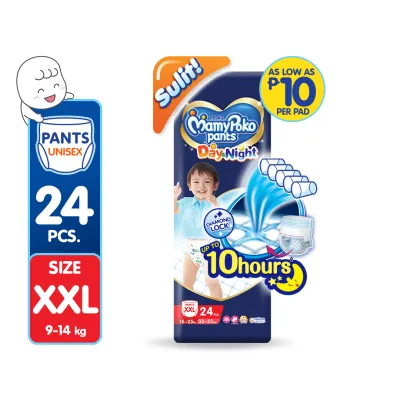
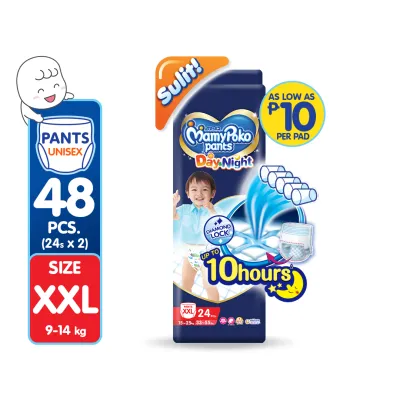
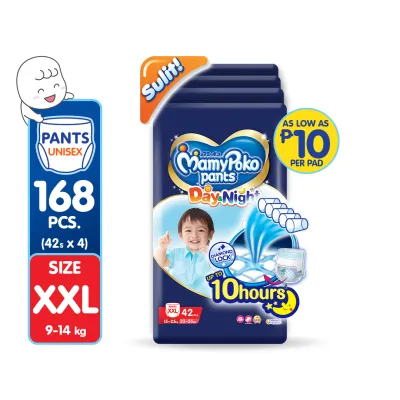
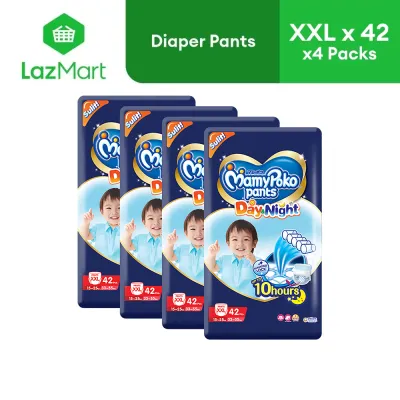
![Mamy Poko [XXL] Day & Night Pants Diaper (24pcs)](https://img.lazcdn.com/g/p/012ed0d9b935c44dd54018867a255099.jpg_400x400q80.jpg_.webp)
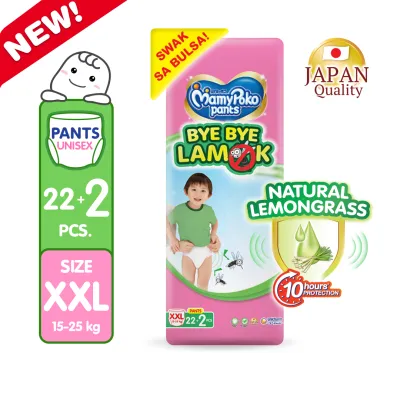
![[DUO PACK] Mamypoko Bye Bye Lamok Disposable Pants Diaper - XXL (22pcs + 2 Free) x 2 Packs](https://img.lazcdn.com/g/p/7df5aa88350464c812bcde3a9e91300e.png_400x400q80.png_.webp)
Prices are valid at publication and may change. Please refer to the product page for the latest price.
How MamyPoko, Pampers, and Huggies XXL Pants Compare
As toddlers transition into the XXL size category, their physical development and daily routines change. Older toddlers are highly mobile, constantly running, climbing, and exploring, which puts significant physical stress on a diaper’s waistband and leg seals. At the same time, their bladder capacity is much larger than that of an infant, meaning the diaper must absorb a substantial volume of liquid rapidly without sagging or leaking.

Evaluating XXL pants diapers requires looking beyond basic brand names to examine how these products perform under real-world conditions. For families in the Philippines, this means analyzing three core performance pillars: physical fit and elasticity, liquid handling and leak protection, and breathability under high tropical humidity. Understanding how MamyPoko, Pampers, and Huggies address these demands will help you select the diaper that keeps your toddler dry, comfortable, and free to move.
Fit and Elasticity for Bigger Thighs and Waists
A proper fit is the first line of defense against diaper leaks and skin irritation. As toddlers grow, their body shapes diversify; some develop thick, chunky thighs, while others have a rounder tummy but slimmer legs. A diaper’s cut and elasticity determine how well it conforms to these varied shapes during active play.
MamyPoko XXL pants are designed with a focus on generous, pillowy stretch. The waistband and leg areas use soft, elastic materials that expand easily, accommodating toddlers with thicker thighs without digging into the skin. This generous cut makes MamyPoko a forgiving option for children who find other brands too restrictive or tight around the leg openings.
Pampers XXL pants take a different approach, prioritizing a streamlined, body-hugging fit. The elastic waistband is highly flexible but designed to keep the diaper close to the body, minimizing bulk. This slim profile is ideal for leaner toddlers, as it prevents the diaper from shifting or slipping down when fully loaded, though it may feel snugger on children with very chunky legs.
Huggies XXL pants feature a high-waisted design with a secure, snug waistband. This construction is particularly beneficial for toddlers with rounder midsections, as the waistband sits comfortably above the hips and resists rolling down. The leg openings are designed to provide a secure seal without excessive pressure.
When fitting any of these brands, parents should check the leg gathers after putting the pants on. Ensure the outer ruffles are pulled outward and sit flat against the thigh; tucked-in ruffles are a primary cause of leg leaks. Because age is not a reliable indicator for diaper sizing, always consult the manufacturer’s weight and size charts printed on the packaging to verify that your toddler falls within the recommended weight range for that specific brand’s XXL cut.
Absorbency and Leak Protection for Heavy Wetters
For older toddlers, a diaper must be capable of handling large, sudden volumes of urine. The speed of absorption and the diaper’s ability to lock moisture away under pressure are critical, especially during long afternoon naps or overnight sleep.
MamyPoko utilizes a thick, high-capacity absorbent core designed to distribute liquid evenly across the diaper. This core design excels at locking away moisture, which helps prevent surface wetness and minimizes the risk of leaks during extended wear. The robust design is highly favored for overnight use, as it can absorb multiple wettings without leaking.
Pampers incorporates advanced channel technology that quickly draws liquid away from the surface and distributes it along the length of the diaper. This prevents the gel from clumping in one spot, reducing the heavy “sag” that can restrict an active toddler’s movement. The quick-dry topsheet helps keep the skin dry to the touch, even after several hours.
Huggies features a highly absorbent core paired with tall, double-layered leak guards along the legs. These physical barriers are designed to contain sudden rushes of liquid before they can escape through the leg openings. The core absorbs wetness efficiently, providing reliable protection during active play.
A key factor to observe is whether the diaper sags excessively when wet. Heavy sagging can pull the waistband down, creating gaps at the back or around the legs that lead to compression leaks when the toddler sits down. Choosing a diaper with a core that distributes liquid evenly can help maintain a secure fit throughout the diaper’s use.
Breathability and Skin Comfort in Humid Weather
The tropical climate of the Philippines introduces unique challenges for toddler skin care. High temperatures and humidity create a warm, moist environment inside the diaper, which can easily lead to skin irritation, friction rubs, and diaper rash.
To combat this, modern XXL pants diapers utilize breathable outer covers and specialized topsheets. MamyPoko features soft, cloth-like materials designed to allow air to circulate, helping to release heat and moisture from inside the diaper. The soft texture minimizes friction against sensitive skin during movement.
Pampers designs its pants with micro-pores that promote air circulation, keeping the interior environment cooler. The lightweight, thin construction is particularly advantageous in hot weather, as it reduces the overall heat trapped around the toddler’s waist and thighs.
Huggies focuses on a soft, textured topsheet that minimizes direct contact with wetness, paired with a breathable outer cover. The materials are selected to be gentle on the skin, reducing the risk of chafing from the diaper’s edges during active play.
Despite these design features, trapped moisture remains a risk factor for diaper rash. Parents should regularly check the skin around the waistband and thighs for signs of redness or friction marks. If your toddler develops persistent redness, irritation, or discomfort that does not resolve with regular diaper changes and barrier creams, discontinue use of the current diaper brand and consult a pediatrician or qualified healthcare professional for guidance.
Price and Value: Comparing the Cost per Diaper
As toddlers transition into larger sizes like XXL, the cost per diaper increases significantly while the number of pieces per pack decreases. This makes budget planning and value evaluation essential for families managing household expenses.
To determine the true value of a diaper brand, avoid comparing only the total price of the package. Instead, calculate the cost per individual diaper using a simple formula:
Cost per Diaper = Pack Price (₱) / Number of Pieces in the Pack
Because pack counts vary widely between MamyPoko, Pampers, and Huggies, this calculation provides an accurate basis for comparison. For example, a pack that seems less expensive may actually have a higher unit cost if it contains fewer diapers.
Parents in the Philippines have several options for sourcing XXL pants diapers. Physical supermarkets and baby specialty stores offer the convenience of immediate purchase, but online marketplaces and official brand stores frequently provide better value through bulk purchasing, bundle deals, and subscription options. Buying in bulk or during major promotional events can significantly reduce the unit cost of premium XXL diapers.
When evaluating value, consider performance alongside price. A slightly more expensive diaper that keeps your toddler dry through the night may ultimately be more cost-effective than a cheaper diaper that requires multiple changes or leads to leaks and extra laundry.
How to Choose the Right XXL Pants for Your Toddler
Selecting the best XXL pants diaper requires balancing your toddler’s body shape, activity level, and your family’s budget. Use this conditional decision framework to guide your choice:
- Choose MamyPoko XXL if your toddler has chunky thighs, requires a highly elastic and forgiving fit around the legs, and needs maximum absorbency for long periods or overnight use.
- Choose Pampers XXL if your toddler has a slimmer or average build, is highly active, and you prefer a lightweight, thin diaper that minimizes bulk and keeps skin dry during active daytime play.
- Choose Huggies XXL if your toddler has a rounder tummy, needs a secure high-waisted fit that resists sliding down, and benefits from tall, robust leg leak guards to prevent blowouts.
- Verify first if your toddler is experiencing frequent leaks or red marks. These issues are often resolved by adjusting how the leg cuffs are pulled out, checking that the waistband is positioned correctly, or verifying that the toddler's weight aligns with the manufacturer's guidelines on the packaging. If leaks persist despite correct fitting, it may be time to try a different brand's cut.
When to Size Up or Switch to Training Pants
Growing toddlers eventually reach a stage where standard XXL pants diapers no longer provide an optimal fit or meet their developmental needs. Recognizing when to transition to a larger size or to specialized training pants is key to supporting your child’s independence and comfort.
Physical signs that your toddler has outgrown XXL pants include the waistband leaving deep, red marks on the skin, the diaper sitting too low on the hips, or frequent leaks occurring despite correct application. If you find yourself struggling to pull the pants up over your toddler’s hips, or if the sides tear prematurely during application, the diaper is likely too small.
At this stage, parents must decide whether to seek out larger sizes (such as XXXL, if available from the manufacturer) or transition to toddler training pants. Training pants are functionally different from standard XXL diapers; they are designed to facilitate potty training by being easier for the toddler to pull up and down independently. Some training pants feature wetness indicators or a temporary cooling sensation when wet, helping the child associate the feeling of urination with the need to use the toilet.
The transition should be guided by your child’s developmental readiness and potty training goals rather than age or weight alone. If your child shows interest in using the toilet, can follow simple instructions, and can communicate their need to go, transitioning to training pants can support their learning process while still providing a safety net for accidents.
Frequently Asked Questions (FAQ)
This section addresses common concerns parents have when managing the diapering needs of larger toddlers.
Can I use XXL diapers overnight for a heavy wetter?
While XXL pants diapers are designed with a higher absorbent capacity than smaller sizes, very heavy wetters may still experience leaks during a 10-to-12-hour sleep cycle. Always check the specific product packaging to see if the diaper is rated for overnight use. If standard XXL pants are insufficient, you may need to adjust your toddler’s fluid intake before bed, change the diaper immediately before they sleep, or consider using a dedicated overnight diaper or a booster pad designed for extra absorption.
What if my toddler is between sizes (e.g., XL and XXL)?
If your toddler’s weight falls into the overlapping range between XL and XXL, look for physical cues to decide which size to use. If the XL size is leaving red marks around the thighs or waist, or if you are experiencing frequent leaks, it is generally best to size up to XXL. The larger size provides a wider absorbent core and a more comfortable fit for growing legs. If the XXL diaper feels too loose around the waist but fits the thighs well, consider trying a different brand’s cut, as diaper shapes vary significantly between manufacturers.
Community discussion
Share your experience or ask a question. Comments are reviewed before publication.