
As toddlers grow and reach the active milestone of running, jumping, and climbing, their diapering needs undergo a significant shift. Around the time they transition to XXL pants, typically when they weigh 15 kilograms or more, parents face the challenge of finding a diaper that can keep up with rapid physical movements while managing a much larger volume of urine. In the tropical climate of the Philippines, where heat and humidity are constant factors, choosing the wrong diaper can quickly lead to discomfort, restricted movement, and skin irritation.
The decision often comes down to three of the most prominent brands available on the market: MamyPoko, Pampers, and Huggies. Each of these brands offers a distinct approach to the XXL pant diaper category, focusing on different combinations of fit, absorbency, and materials. Finding the ideal option for your child requires looking beyond the brand name and evaluating how each design matches your toddler’s unique body shape, activity level, and wetting patterns.
Quick Verdict: Which XXL Pant Suits Your Active Toddler?
Selecting the right XXL pant diaper for an active toddler is not about finding a single, universally perfect product, but rather identifying which brand aligns with your child’s specific daily routine and physical build. A conditional decision framework can help narrow down the choices based on your primary parenting priorities and your toddler’s unique needs.
Products mentioned in this guide
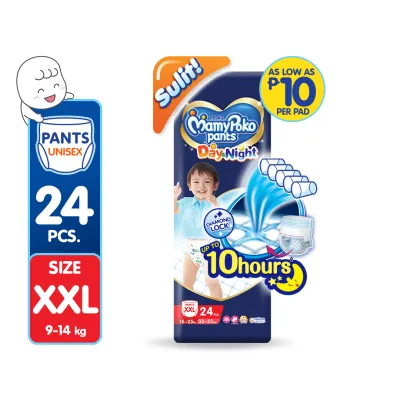
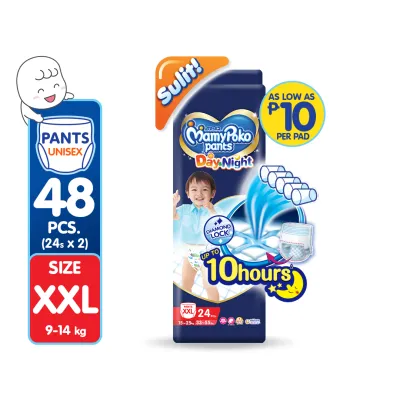
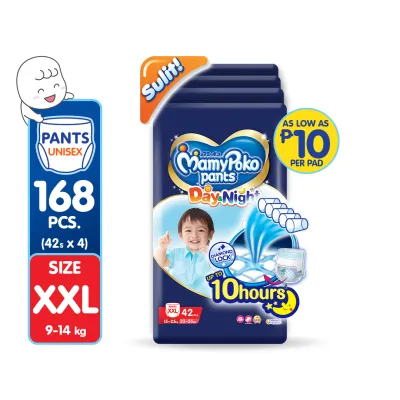
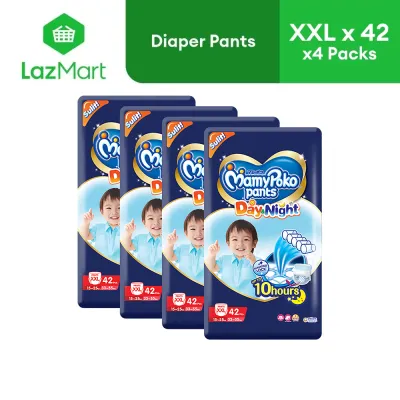
![Mamy Poko [XXL] Day & Night Pants Diaper (24pcs)](https://img.lazcdn.com/g/p/012ed0d9b935c44dd54018867a255099.jpg_400x400q80.jpg_.webp)
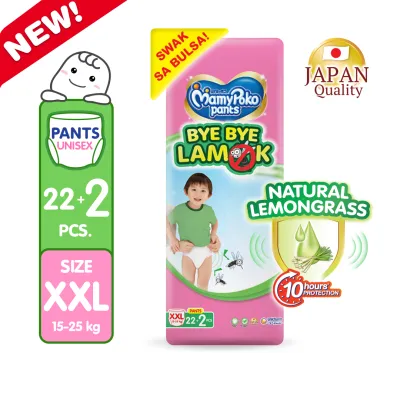
![[DUO PACK] Mamypoko Bye Bye Lamok Disposable Pants Diaper - XXL (22pcs + 2 Free) x 2 Packs](https://img.lazcdn.com/g/p/7df5aa88350464c812bcde3a9e91300e.png_400x400q80.png_.webp)
Prices are valid at publication and may change. Please refer to the product page for the latest price.
- Choose MamyPoko XXL pants if your main priority is maximum overnight absorbency and a high liquid capacity. This brand is particularly well-suited for heavy wetters who need reliable protection during a long night's sleep or during extended outings where immediate diaper changes are not highly practical. Its robust core is built to handle multiple wettings without leaking.
- Choose Pampers XXL pants if you require a slim, highly flexible, and lightweight fit that mimics real underwear. This design is ideal for highly agile toddlers who are constantly on the move and need a diaper that minimizes bulk between the thighs, allowing for an unobstructed, natural gait during active daytime play.
- Choose Huggies XXL pants if your toddler has a sturdier, rounder physical build with chubby thighs and a prominent belly. This brand focuses on a snug, secure waistband design that resists sliding down, making it excellent for active play sessions where a secure, slip-resistant fit is essential to prevent sagging and gaps.
Because diaper manufacturers frequently update their product designs, materials, and size specifications, it is highly recommended to verify the current packaging details and manufacturer instructions before purchasing diapers in bulk. Testing a smaller pack first allows you to observe how the specific cut and elastic tension perform on your child’s body.
Fit and Flexibility for Active Movement
An active toddler requires a diaper that moves like a second skin. When children run, climb, or squat to play on the floor, the diaper’s waistband and leg cuffs must stretch and recover dynamically. If the waistband lacks sufficient elasticity, the diaper can easily slide down, creating gaps at the back that lead to messy leaks. Conversely, if the elastic is too stiff, it can press tightly against the skin, causing discomfort and leaving deep red marks.

Huggies XXL pants are designed with a focus on structural security, utilizing a snug waistband that hugs the toddler’s midsection firmly. This design is highly effective at keeping the diaper in place even when it begins to fill with liquid. The elastic gathers are robust, providing a secure fit that resists the downward pull caused by gravity during vigorous play. This makes them a strong option for toddlers who are exceptionally active and prone to pulling at their diapers.
In contrast, Pampers XXL pants emphasize a lightweight, highly flexible 360-degree stretch. The waistband is designed to feel soft and airy, exerting minimal pressure on the toddler’s abdomen while expanding and contracting easily as the child breathes and moves. This underwear-like flexibility helps reduce the feeling of restriction, allowing the toddler to bend, twist, and run with a high degree of comfort.
MamyPoko XXL pants offer a balanced approach, featuring a soft, cushiony waistband that provides a gentle stretch. The design aims to accommodate the natural changes in a toddler’s belly size, which often expands significantly after meals or when sitting down. The elastic is designed to distribute pressure evenly around the waist, reducing the likelihood of localized skin pinching while maintaining a reliable grip on the hips.
The design of the leg cuffs and leak guards is equally critical for preventing leaks during wide-legged movements. Active toddlers frequently squat, crawl, and climb, which can cause the leg openings of a diaper to gap. All three brands utilize double-layered leg elastics to create a barrier against wetness. However, parents of toddlers with thicker thighs must pay close attention to how these elastics sit. In the humid Philippine climate, tight leg elastics combined with sweat can quickly lead to painful friction rubs.
The overall bulkiness and crotch width of the diaper also play a major role in a child’s mobility. A diaper with an excessively wide or stiff crotch area can force a toddler’s legs outward, potentially affecting their natural walking posture and gait. Pampers is characterized by its thin profile, which minimizes bulk between the legs even when the diaper is moderately wet. MamyPoko, while offering exceptional absorbency, has a slightly wider and thicker crotch design, which can appear more prominent under clothing. Huggies sits in the middle, offering structured support that maintains its shape well during movement.
To ensure the diaper is secure without being overly restrictive, parents can perform a simple, actionable fit check known as the two-finger test. After pulling the pants up, gently slide two fingers inside the waistband and around the leg openings. The fingers should slide in easily without forcing. If you feel significant resistance, or if you notice immediate red marks on your toddler’s skin upon removal, the diaper is too tight, and it may be time to adjust the fit or transition to a different size or brand.
Absorbency and Leak Protection for Heavy Wetters
For older toddlers wearing XXL sizes, absorbency is a primary concern. Toddlers at this stage release larger volumes of urine at a single time compared to infants. The diaper’s core must not only absorb this liquid quickly to prevent surface wetness but also distribute it effectively to avoid localized pooling and heavy sagging.
MamyPoko has established a strong reputation for high-capacity absorption, utilizing a thick, highly absorbent core designed to lock away multiple wettings over extended periods. The core technology focuses on drawing liquid deep into the lower layers of the diaper, keeping the top sheet dry. This high-capacity design makes MamyPoko a popular choice for overnight use, as it can reliably manage heavy wetting without saturating to the point of leaking before morning.
Pampers takes a different approach by incorporating advanced channel technology. Instead of allowing liquid to pool in one central area, the diaper features built-in channels that distribute moisture evenly across the front, middle, and back of the core. This even distribution prevents the diaper from swelling into a heavy, localized lump between the toddler’s legs. By spreading the liquid out, the diaper remains flatter and lighter, which helps maintain comfort and balance for an active child.
Huggies focuses on rapid absorption through specialized liner designs that pull wetness away from the skin almost instantly. This rapid-draw action is crucial for preventing liquid from escaping through the sides before it has a chance to be absorbed. The core is designed to lock wetness securely inside, reducing the risk of rewetting—a scenario where liquid is squeezed back to the surface when the toddler sits down heavily on a hard surface.
The demands on a diaper differ significantly between daytime play and overnight sleep. During the day, the primary challenge is managing sudden, high-volume releases while the toddler is constantly moving, sitting, and climbing. A highly flexible, medium-capacity diaper like Pampers is often sufficient and highly comfortable for daytime wear, provided regular changes are maintained. Overnight, however, the focus shifts entirely to sustained capacity and leak prevention over an 8-to-12-hour period. MamyPoko’s generous absorbent core is highly advantageous for night use, helping to ensure that neither the toddler nor the parents are woken up by damp pajamas or wet bedsheets.
Diaper sagging is a common issue that directly impacts both comfort and leak protection. When a diaper absorbs liquid, it naturally becomes heavier. If the core design allows the wetness to accumulate in one spot, the diaper will sag heavily, pulling down on the waistband and creating gaps at the waist and thighs. Pampers’ channel-based distribution helps mitigate this issue by keeping the weight evenly distributed. Huggies’ structured waistband also helps resist the downward pull of a wet diaper, keeping the core closer to the body.
To verify the true leak protection and absorbency of your chosen brand, perform a simple physical check during diaper changes. Gently touch the inner top sheet of a moderately wet diaper; it should feel relatively dry to the touch, indicating that the core is successfully locking moisture away. Additionally, feel the outer cover of the diaper. If the outer layer feels damp or cold, it suggests that moisture is permeating through the back sheet, which can occur when the diaper is nearing its maximum capacity or if the outer material lacks sufficient barrier properties.
Comfort, Breathability, and Skin Sensitivity
In the tropical environment of the Philippines, where high temperatures and elevated humidity levels are common throughout the year, diaper comfort and breathability are critical for maintaining healthy skin. Active toddlers sweat continuously, and when this perspiration is trapped inside a diaper along with urine, it creates a warm, moist environment that is highly conducive to skin breakdown and diaper rash.
The softness of the diaper’s top sheet is the first line of defense against friction-induced irritation. As a toddler runs and plays, the inner lining of the diaper constantly rubs against their sensitive skin. A top sheet with a rough or stiff texture can quickly cause painful chafing, particularly in the delicate skin folds around the groin. Parents should look for diapers that feature cottony-soft materials with textured surfaces designed to minimize direct contact with the skin, reducing friction during movement.
Breathability is essential for heat dissipation in tropical climates. Diapers with poor air circulation trap heat and moisture, which can lead to heat rash, commonly known in the Philippines as bungang-araw. To prevent this, high-quality pant diapers utilize micro-porous outer covers that allow hot air and moisture vapor to escape while keeping liquid safely contained inside. When evaluating a diaper, check the manufacturer’s product specifications for references to breathable outer layers or air-circulation channels.
Many diaper brands highlight skin-friendly features on their packaging, such as hypoallergenic certifications, dermatological testing, or the inclusion of soothing lotions (such as aloe vera or chamomile) on the top sheet. It is important for parents to verify these claims by reading the product packaging and official brand documentation carefully. Keep in mind that these features can vary significantly between different product lines within the same brand (for example, a brand’s premium line versus its standard or budget line). These claims should be viewed as helpful indicators rather than absolute guarantees of safety, as every child’s skin sensitivity is unique.
Parents must remain vigilant for warning signs of skin irritation or allergic reactions. If you notice persistent redness, raised red bumps, dry patches, or raw areas on your toddler’s waist, thighs, or diaper area, this indicates that the current diaper may not be suitable for their skin or that the fit is incorrect. Using a diaper that is too tight can trap sweat against the skin, exacerbating irritation.
If skin irritation or diaper rash develops and does not improve within a few days of gentle care, or if you observe signs of infection such as blisters, pus, or extreme tenderness, stop using the specific diaper brand immediately. Clean the diaper area gently with warm water, pat it completely dry with a soft towel, and consult a pediatrician or qualified healthcare professional. Do not attempt to treat severe or persistent rashes with over-the-counter creams without professional medical guidance, as incorrect treatments can sometimes worsen the condition.
Sizing Accuracy and Value Verification
Choosing the correct size is just as important as choosing the right brand. While manufacturers provide weight guidelines on their packaging—with XXL sizes typically designed for toddlers weighing between 15 and 25 kilograms—these numbers are only general estimates. A toddler’s unique body shape, including the roundness of their belly and the thickness of their thighs, plays a massive role in how a diaper fits.
Relying solely on the weight chart can sometimes lead to fit issues. For example, a toddler who weighs 16 kilograms but has exceptionally chunky thighs may find a standard XXL diaper from one brand too tight around the legs, while a toddler of the same weight with a slimmer build might fit perfectly. It is essential to look for physical indicators that your child is ready to transition from XL to XXL pants, rather than waiting until they reach the maximum weight limit of their current size.
Clear signs that a diaper is too small include the waistband sitting significantly below the belly button, the side seams tearing easily when you pull the pants up, or the diaper looking visibly strained across the buttocks. Frequent leaks, especially when the diaper is not fully saturated, also suggest that the current size lacks the physical coverage needed to contain wetness during active movement. If you consistently find deep, dark red marks around your toddler’s waist or thighs after removing the diaper, it is a clear signal that the elastic is under too much tension and a larger size is required.
When evaluating the cost-effectiveness of MamyPoko, Pampers, and Huggies XXL pants, parents should look beyond the retail price of a single pack. Because pack sizes vary widely across different retail outlets and online marketplaces, the most accurate way to compare costs is by calculating the price-per-piece. To do this, simply divide the total price of the diaper pack by the number of individual diapers inside. This calculation provides a clear baseline for comparing the direct cost of each brand.
However, calculating true value also requires factoring in the diaper’s performance and absorbency, a concept known as functional value. For instance, a diaper with a lower price-per-piece might seem highly economical at first glance. However, if that diaper has lower absorbency and requires changing every two hours, or if it frequently leaks overnight—requiring extra laundry, diaper rash creams, and additional wipes—the overall cost of using that brand increases significantly.
On the other hand, a diaper with a slightly higher price-per-piece that offers exceptional overnight absorbency might only need to be used once per night, preventing leaks and ensuring uninterrupted sleep. In this scenario, paying a premium for a high-performance diaper can actually result in lower overall spending and greater convenience. By balancing the calculated price-per-piece with observed real-world performance, parents can make an informed financial decision that supports both their household budget and their toddler’s comfort.
Frequently Asked Questions (FAQ)
When should I switch my toddler to XXL pants?
You should consider switching your toddler to XXL pants when you observe clear physical signs of a tight fit, rather than relying solely on age or the weight charts on the packaging. Key indicators include deep, persistent red marks around your child’s waist or thighs, the waistband sitting significantly below the navel, or the diaper looking strained across the hips. Frequent leaks, especially during active play or overnight when the diaper is not completely full, also suggest that the diaper lacks the physical coverage required for your toddler’s current size and movement patterns.
Can I mix different diaper brands for day and night use?
Yes, mixing different diaper brands for daytime and nighttime use is an excellent, highly practical strategy used by many parents to optimize both comfort and household costs. For active daytime play, you can choose a slimmer, highly flexible brand like Pampers that allows your toddler to move freely without bulkiness. For overnight sleep, you can switch to a high-capacity, maximum-absorbency brand like MamyPoko or Huggies to ensure long-lasting protection, preventing wetness-induced wakeups and keeping your child dry and comfortable until morning.
Community discussion
Share your experience or ask a question. Comments are reviewed before publication.