
Quick Answer: Which Diaper Brand Should You Choose?
Selecting the ideal diaper for a baby in the Philippines requires balancing high humidity, active movement, and household budgets. No single diaper brand serves as a universal solution for every infant, as differences in physical build, skin sensitivity, and daily activity levels heavily influence how a diaper performs. Finding the right match is often a matter of aligning a brand’s specific design strengths with your baby’s current developmental stage and your family’s daily routine.
To simplify your decision, consider these conditional recommendations based on primary parenting priorities:
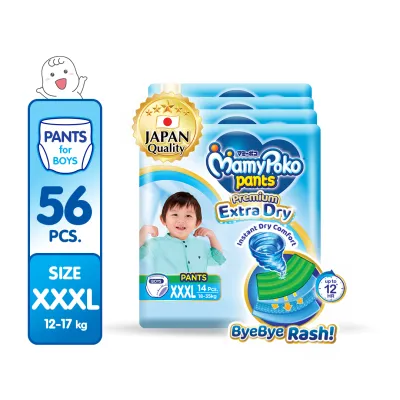
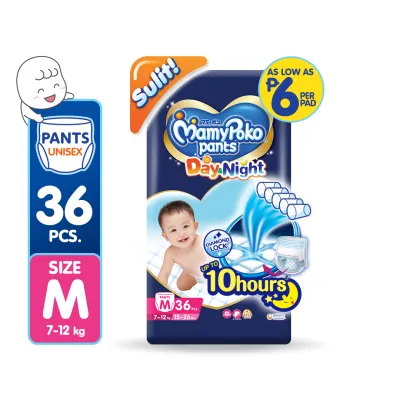
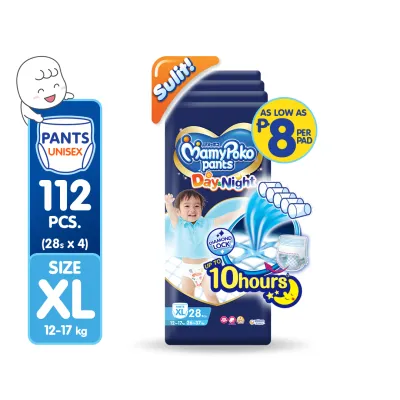
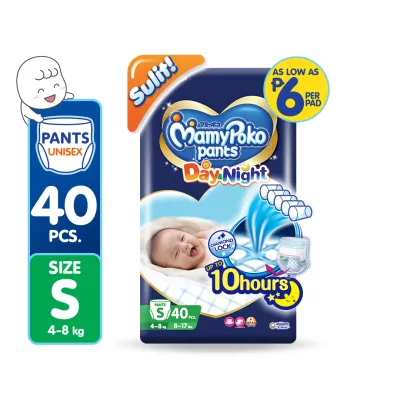
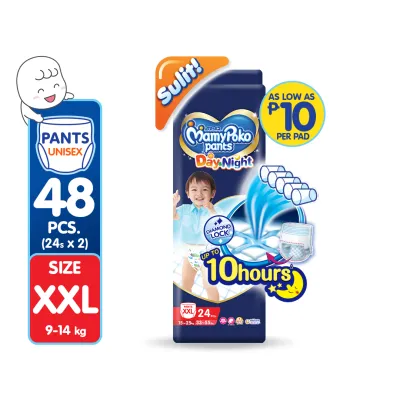
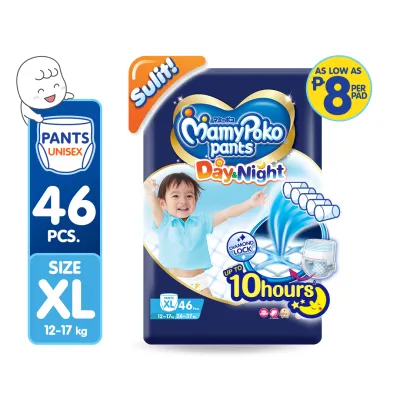
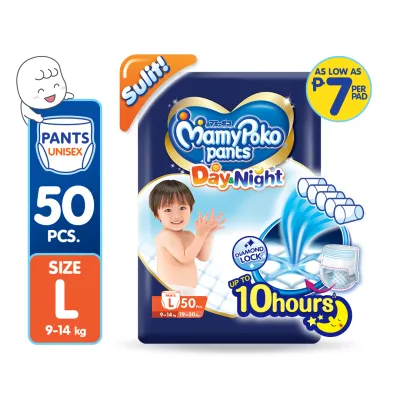
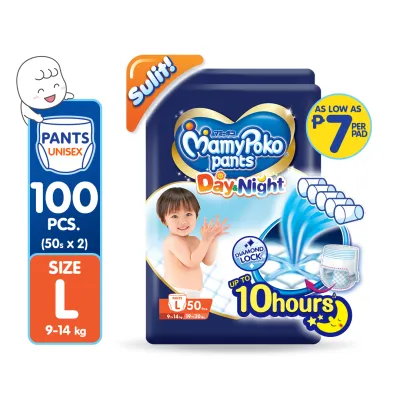
- Choose MamyPoko if you prioritize maximum overnight capacity, deep sleep without interruptions, and highly elastic waistbands that stretch comfortably over rounder bellies.
- Choose Pampers if you prefer a slim, lightweight diaper that keeps your baby cool and allows unrestricted movement during hot, humid daytime hours.
- Choose Huggies if your baby is highly active or prone to frequent liquid stool blowouts, as their structured pocketed waistbands and snug leg guards offer excellent containment.
- Choose Equator if you are looking for a highly economical, straightforward option for frequent daytime changes to maintain hygiene without straining your budget.
Ultimately, your baby’s unique body shape and skin tolerance will dictate the best fit. Parents should always inspect the physical packaging of their chosen variant to verify the recommended weight ranges and specific material features before purchasing in bulk.
Products mentioned in this guide
Prices are valid at publication and may change. Please refer to the product page for the latest price.
Core Comparison Factors: Absorbency, Fit, and Skin Comfort
Operating in a tropical climate like the Philippines presents unique challenges for infant diapering. High ambient temperatures and elevated humidity levels accelerate moisture buildup, making effective diaper design critical for preventing skin irritation and ensuring daily comfort. When evaluating diaper brands, three core performance pillars must guide your choice: absorbency, physical fit, and skin breathability.

Absorbency is not merely about how much liquid a diaper can hold, but how quickly it draws wetness away from the skin. High-quality diapers utilize advanced superabsorbent polymers (SAP) and specialized distribution channels to lock moisture deep within the core. This process prevents re-wetting, which occurs when pressure on a wet diaper forces liquid back onto the baby’s skin. Overnight diapers require a higher concentration of these absorbent materials to handle multiple urinations over ten to twelve hours, whereas daytime diapers can prioritize a lighter, thinner profile.
Physical fit determines how well a diaper prevents leaks during movement. Key structural elements include the elasticity of the waistband, the strength of the fastening tapes or the stretch of the pants waistband, and the design of the leg cuffs. Double-layered leg guards are essential for containing sudden liquid messes, especially when babies begin sitting, crawling, or walking. A diaper that fits poorly will either sag and leak under the weight of wetness or cling too tightly, leaving red friction marks on the baby’s delicate skin.
Skin comfort in tropical environments relies heavily on breathability. If air cannot circulate through the outer cover of the diaper, heat and sweat become trapped, creating an ideal environment for diaper rash and prickly heat (bungang araw). Features like wetness indicators, which change color when wet, also contribute to comfort by alerting caregivers that it is time for a change before irritation can start. Parents must verify the manufacturer’s stated weight ranges, material compositions, and specific variant features on the physical packaging, as standard and premium tiers within the same brand can differ significantly.
MamyPoko Diapers: Strengths, Limitations, and Best For
When considering premium diapering options in the local market, momypoko diapers stand out for their focus on heavy-duty absorbency and exceptional physical stretch. This brand has earned a strong reputation among Filipino parents who require reliable protection for long stretches of time, particularly during nighttime sleep when frequent changes can disrupt a baby’s rest.
The primary strength of MamyPoko lies in its robust core construction and highly elastic waistband. Many of their pants-style variants feature a deep, multi-elastic waistband that distributes pressure evenly around the baby’s abdomen, preventing the diaper from slipping down even when fully loaded. The absorbent core utilizes specialized speed-wave sheets that rapidly draw liquid downward and distribute it horizontally, minimizing localized sagging. The inner lining is exceptionally soft, offering a cotton-like texture that reduces friction against the skin.
However, these design choices come with certain limitations. Because MamyPoko prioritizes high fluid capacity, the diapers tend to have a thicker, bulkier profile compared to ultra-thin competitors. In the peak of the Philippine summer, this added bulk can sometimes feel warm for highly active babies, and it can make clothing fit tightly around the diaper area. Additionally, the premium variants of this brand represent a higher financial investment per piece, which may not be practical for families requiring frequent daytime changes.
MamyPoko is best suited for overnight use, long travel scenarios, and babies with rounder midsections who benefit from a highly forgiving, stretchy waistband. To ensure optimal skin health, parents should check the specific packaging of their chosen MamyPoko line for details regarding dermatological testing and specific material ingredients.
Pampers Diapers: Strengths, Limitations, and Best For
Pampers is a household name globally and remains a dominant choice in the Philippines due to its emphasis on lightweight comfort and advanced wetness-distribution technology. The brand focuses on keeping babies dry while maintaining a minimal, non-restrictive profile that suits the demands of active daytime play.
The defining strength of Pampers is its slim profile, achieved through the use of thin absorbent channels rather than a thick, uniform pulp core. These channels distribute liquid evenly across the length of the diaper, preventing the heavy, low-hanging sag that often hampers a baby’s movement. The materials used in Pampers diapers are highly breathable, allowing hot air and moisture to escape efficiently, which is a major advantage in humid tropical climates. Many of their product lines also feature highly sensitive wetness indicators and soft, stretchy sides that adapt to the baby’s movements.
On the other hand, the slim, tapered cut of Pampers can sometimes present fit challenges. Babies with exceptionally chunky thighs or highly rounded bellies may find the leg openings or waistbands a bit snug, which can occasionally lead to red pressure marks or minor side leaks if the sizing is not perfectly adjusted. Furthermore, because the brand offers several distinct product lines—ranging from budget-friendly options to premium imported lines—parents must carefully read the packaging to verify which specific features, such as wetness indicators or premium softness, are included in the pack they are purchasing.
Pampers is an excellent choice for daytime wear, highly active infants, and babies with average or slender builds who require a breathable, low-profile diaper that moves naturally with them.
Huggies Diapers: Strengths, Limitations, and Best For
Huggies has designed its diaper lineup with a clear focus on structural security and leak prevention. This brand is highly favored by parents of younger infants and highly active toddlers who need a diaper that remains firmly in place and completely contains sudden, messy blowouts.
A standout feature of Huggies diapers is the inclusion of a pocketed waistband at the back of many tape-style variants. This pocket acts as a physical barrier that catches liquid stools before they can travel up the baby’s back, a common issue during the first few months of life. Additionally, Huggies diapers are equipped with robust, highly secure double leg guards that hug the thighs snugly without gaps. The overall structure of the diaper is firm and supportive, ensuring that the absorbent core stays securely positioned directly beneath the wetness zone even during vigorous crawling or climbing.
Despite these protective benefits, the structured nature of Huggies can be a limitation for some babies. The material can feel slightly stiffer and less pliable than the ultra-soft, cotton-like fabrics found in some premium competitor lines. If a baby is on the upper limit of a weight range, the snug elastication around the legs and waist can sometimes leave temporary marks, indicating that a transition to the next size up is necessary sooner than expected.
Huggies is ideal for babies prone to back leaks, active crawlers who require a secure and structured fit, and parents who prioritize physical containment over ultra-thin profiles. Always inspect the physical packaging to verify the specific leak-guard technologies and exact weight recommendations for the variant you are purchasing.
Equator Diapers: Strengths, Limitations, and Best For
Equator diapers occupy a distinct and important position in the Philippine market by focusing primarily on practical utility, accessibility, and high value. This brand caters to budget-conscious households that need a reliable, functional diaper for everyday use without the premium price tag.
The most significant advantage of Equator diapers is their cost-effectiveness. Because they are priced lower per piece than premium international brands, they allow parents to change their baby’s diaper frequently without financial stress. Frequent changes are one of the most effective ways to prevent diaper rash, making a value-oriented diaper highly practical for daytime routines. Equator diapers offer decent basic absorbency and a straightforward, lightweight design that performs reliably during standard daytime wear. They are also widely available in local supermarkets and neighborhood stores across the country.
However, the lower price point means that Equator diapers lack some of the advanced features found in premium competitors. They typically do not feature wetness indicators, specialized distribution channels, or high-stretch waistbands. The overnight absorbency capacity is also more limited, meaning they may not reliably keep a heavy-wetting baby dry through a full ten-to-twelve-hour night without a diaper change. The inner lining, while functional, may not feel as plush or silky as more expensive alternatives.
Equator is best suited for budget-conscious families, frequent daytime diaper changes, and older toddlers who are undergoing potty training and only require light, temporary protection. Parents should inspect the material feel and verify the weight limits and sizing charts printed on the physical packaging to ensure a comfortable fit.
Side-by-Side Comparison and Decision Framework
To help you synthesize these brand evaluations, the table below summarizes the key observable features of each diaper brand. These categories represent general design characteristics across each brand’s primary product lines in the Philippines.
| Brand | Primary Focus | Waistband Type | Profile Thickness | Wetness Indicator | Ideal Scenario |
|---|---|---|---|---|---|
| MamyPoko | High overnight capacity & deep stretch | Highly elastic, wide waistband | Thicker, plush core | Available on premium lines | Overnight use & rounder baby builds |
| Pampers | Slim fit & high breathability | Soft, stretchy sides | Ultra-thin, channeled core | Available on most lines | Hot daytime wear & slender baby builds |
| Huggies | Blowout prevention & secure fit | Pocketed back waistband | Moderately structured core | Available on select lines | Active crawlers & babies prone to back leaks |
| Equator | High-value, frequent daytime changes | Standard elastic waistband | Standard, basic core | Generally not present | Budget-conscious daytime diapering |
Your Step-by-Step Decision Framework
To make a confident choice for your baby, apply this structured decision framework based on your immediate household needs and your baby’s physical development:
- Choose MamyPoko if your baby is a heavy wetter who wakes up due to dampness, or if your baby has a round belly and chunky waist that requires a highly elastic, non-binding waistband.
- Choose Pampers if you live in a particularly warm or humid area, your baby is highly active during the day, and you prefer a diaper that remains thin and lightweight even when wet.
- Choose Huggies if your baby is currently transitioning through developmental milestones like rolling or crawling and you frequently struggle with messy back leaks or leg-gap blowouts.
- Choose Equator if your primary goal is to maintain a high frequency of daytime diaper changes on a strict budget, and you do not require advanced overnight absorbency or premium features.
- Neither may fit if your baby falls directly on the boundary of a manufacturer's weight class and possesses a unique body shape, such as an exceptionally long torso or very thick thighs. In these cases, you may need to purchase a small pack of the next size up to test the physical fit.
- Verify first if the specific package you are purchasing in-store or online explicitly lists the features you expect, such as wetness indicators, organic cotton materials, or hypoallergenic certifications, as these specifications can change across different manufacturing batches and product tiers.
How to Ensure a Proper Fit and Protect Your Baby’s Skin
Even the highest-quality diaper will leak or cause irritation if it is applied incorrectly or is the wrong size for your baby. Ensuring a proper physical fit is a straightforward, low-risk process that parents can perform during every diaper change using simple visual and physical checks.
First, always apply the two-finger rule after fastening a diaper. You should be able to slide two fingers comfortably between the diaper’s waistband and your baby’s tummy. If the space is too tight, the diaper may cause discomfort and restrict breathing; if it is too loose, liquid will easily escape from the top. Second, check the leg cuffs immediately after fastening. Run your finger along the inner thigh to ensure that the elasticated leg guards are flared fully outward and not tucked inward, as tucked cuffs are a primary cause of leg leaks.
Protecting your baby’s skin in a tropical climate requires diligent moisture management. During diaper changes, gently clean the area using alcohol-free, fragrance-free wipes or plain water, and allow the skin to dry completely before putting on a new diaper. Trapping moisture inside a fresh diaper is a direct trigger for diaper rash. Providing your baby with brief periods of diaper-free time each day can also help the skin breathe and recover from constant friction.
Safety Warning: If your baby develops a persistent, bright red rash, shows signs of an allergic reaction (such as hives or severe swelling), or if leaks continue to occur despite correct sizing and application, stop using the product immediately. Clean the area with mild water, keep it dry, and consult a qualified pediatrician for professional medical advice. Never attempt to self-diagnose severe skin conditions or apply medicated ointments without professional guidance.
Frequently Asked Questions (FAQ)
When should I switch my baby from tape to pull-up style diapers?
The transition from tape-style diapers to pull-up pants is typically driven by your baby’s physical development and activity levels rather than a specific age. When babies become highly active—such as when they begin rolling over constantly, crawling, pulling themselves up to stand, or resisting lying still during diaper changes—fastening tape diapers can become difficult and frustrating. Pull-up style diapers can be slipped on quickly while the baby is standing or moving, making the changing process much easier for caregivers. Parents must verify the weight ranges and size availability for pull-up pants on the manufacturer’s packaging, as the physical fit and sizing structure can differ from tape diapers even within the same brand.
How do I know if a diaper is too small or too large for my baby?
You can identify an improper diaper size through several clear, observable signs. A diaper is likely too small if it leaves deep red marks or indentations on your baby’s thighs or waist, if the waistband sits significantly below the belly button, or if you experience frequent leaks because the absorbent core is saturated too quickly. Conversely, a diaper is too large if there are visible gaps around the legs or waist when the baby moves, or if the diaper sags heavily even when completely dry. Always cross-reference your baby’s current weight with the manufacturer’s printed weight chart on the packaging. Remember that these weight ranges are general guidelines, and you may need to adjust the size based on your baby’s unique body shape.
Community discussion
Share your experience or ask a question. Comments are reviewed before publication.