
Choosing between the Mamme Bestie and other wearable breast pumps comes down to matching their physical dimensions, suction modes, and local support with your daily routine and anatomy. While the Mamme Bestie offers a hands-free, wearable design tailored for mobile mothers, other options on the market might provide different flange sizes, larger milk capacities, or distinct motor configurations that better suit your body. To make the right choice, you must look past marketing buzzwords and systematically evaluate how each pump’s specifications align with your personal breastfeeding journey.
Key Specifications to Compare Before You Buy
A successful pumping experience starts with a precise physical fit. The flange is the funnel-shaped part that contacts your breast, and using the wrong size can lead to friction, pain, and reduced milk output. Before purchasing any wearable pump, measure your nipple diameter at the base using a sizing ruler immediately after a pumping or nursing session, then select a flange or silicone insert that is two to three millimeters larger than your measurement.
While some wearable pumps like the Mamme Bestie come with standard flange sizes, you should check if the manufacturer includes smaller silicone inserts in the box or if they must be purchased separately. Many mothers require sizes like 17mm, 19mm, or 21mm to achieve an optimal seal. Ensuring these inserts are readily available prevents the discomfort of using a flange that is too large, which can pull excess areola tissue into the tunnel.
Products mentioned in this guide
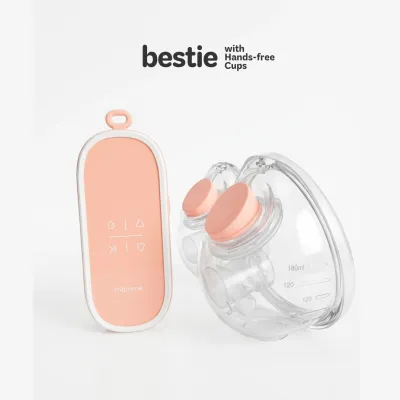
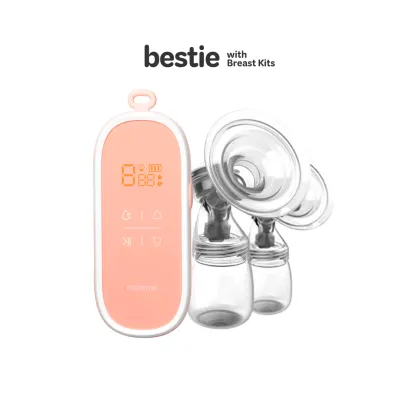
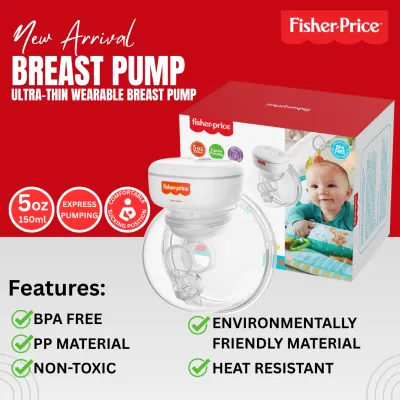
Prices are valid at publication and may change. Please refer to the product page for the latest price.
Milk collection capacity is another critical specification to compare. Most wearable pump cups hold between 150ml and 240ml of milk per breast. If you have a high milk supply, choosing a pump with a larger capacity prevents the need to pause your session, empty the cups, and reassemble the parts mid-pump. Additionally, look for secure spill-prevention designs, such as one-way valves and silicone seals, which keep the milk contained even when you move or bend slightly.
The physical shape and weight distribution of the pump motor also affect how comfortably it sits inside your nursing bra. Some wearable models feature a heavy motor positioned on top of the cup, which can make the pump feel top-heavy and cause the bra to sag. Other designs integrate a curved motor that aligns with the natural shape of the breast, distributing the weight more evenly and offering a more discreet profile under standard clothing.
Evaluating Suction Strength and Comfort Features
Suction performance is not just about raw power; it is about how effectively the pump mimics a baby’s natural nursing pattern. Most modern wearable breast pumps offer at least two distinct modes: a stimulation mode and an expression mode. The stimulation mode uses fast, shallow pulses to trigger your letdown reflex, while the expression mode uses slower, deeper suctions to draw out milk efficiently.

When comparing the Mamme Bestie to other models, check the exact number of adjustable suction levels available within each mode on the device interface. A pump that offers nine or more adjustable levels allows you to fine-tune the vacuum strength to your comfort level. Avoid the misconception that higher suction always equals more milk; excessive suction can cause pain, which actually inhibits the letdown reflex and reduces overall milk yield.
You should also verify any clinical or hospital-grade claims by reviewing the manufacturer’s official technical specifications rather than relying on promotional labels. True hospital-grade performance typically refers to a highly consistent vacuum pressure and cycle speed, often measured in millimeters of mercury (mmHg). Check the user manual to confirm the maximum vacuum strength, ensuring it falls within a safe and comfortable range for daily home use.
The material quality of the parts that contact your skin is equally important for comfort and safety. Ensure that all flanges, inserts, and diaphragms are made of food-grade, BPA-free silicone. High-quality silicone should feel soft and flexible, allowing it to conform to your breast shape and create a secure seal without causing skin irritation or friction during long pumping sessions.
Portability and Routine Matching: Will It Fit Your Day?
If you plan to pump while working, traveling, or managing household chores, the pump’s physical profile and noise level will dictate how easily it fits into your day. A bulky pump can make it difficult to move freely or wear standard clothing comfortably. Compare the depth and overall dimensions of the pump cups to determine how discreetly they will fit inside your preferred nursing bras.
Motor noise is another crucial factor for discreet pumping in public or quiet environments. Check the manufacturer’s specifications for noise level indicators, ideally looking for devices that operate below 50 decibels, which is comparable to a soft whisper. A quiet motor allows you to pump during office meetings, phone calls, or while your baby is sleeping nearby without causing a distraction.
Battery life and charging convenience are essential for maintaining your pumping schedule on the go. Review the battery capacity, typically measured in milliampere-hours (mAh), and the estimated run time per full charge. A reliable wearable pump should provide at least 90 to 120 minutes of continuous operation, which translates to roughly three to four 30-minute pumping sessions before needing a recharge.
Look for modern charging features like USB-C ports, which allow you to charge the device using standard phone chargers, car adapters, or portable power banks. This flexibility eliminates the need to carry proprietary charging bricks and ensures you can power up your pump anywhere. Avoid models that rely on specialized charging cords that are difficult to replace if lost or damaged.
Finally, consider the ease of cleaning and assembling the pump parts. A wearable pump with too many small, intricate components can quickly become frustrating to wash and sanitize multiple times a day. Count the number of parts that come into contact with breast milk, such as the cup, flange, valve, and diaphragm, and check if they are easy to disassemble and safe for standard sterilization methods.
Price, Warranty, and Replacement Parts in the Philippines
When evaluating the total cost of ownership, look beyond the initial purchase price of the pump. In the Philippines, you should check current retail prices in Philippine Pesos (₱) exclusively through official brand websites or authorized local distributors. Purchasing from unauthorized sellers on general online marketplaces may save money upfront, but it carries a high risk of receiving counterfeit products with unsafe materials or faulty electronics.
A reliable warranty is essential for an electronic device that undergoes heavy daily use. Verify the warranty length, which typically ranges from six months to one year, and read the specific terms to understand what is covered. Ensure the brand has an active local service center or responsive customer support team in the Philippines so you can easily resolve any technical issues or obtain a replacement motor if needed.
You must also factor in the ongoing cost and local availability of consumable replacement parts. Silicone valves, membranes, and backflow protectors naturally stretch and degrade over time, which directly reduces the pump’s suction efficiency. Before making your final decision, confirm that these specific replacement parts are readily available for purchase locally, as waiting weeks for international shipping can disrupt your feeding routine.
Decision Framework: Which Wearable Pump is Right for You?
The Mamme Bestie is a highly suitable choice if its verified flange options, milk capacity, and compact design align seamlessly with your daily routine and budget. It offers a practical balance of portability and ease of use for mothers who need a reliable, hands-free pumping solution without a premium price tag.
On the other hand, you should consider alternative wearable pump brands if your body requires highly specialized flange sizes not supported by the Mamme Bestie, if you require a significantly larger milk collection capacity, or if you need a pump with verified clinical-grade suction levels to manage a sensitive milk supply. Your choice should always prioritize your physical comfort and specific milk expression needs over brand popularity.
Regardless of the brand you choose, remember that every mother’s body responds differently to breast pumps. If you experience persistent pain, struggle with low milk supply, or have questions about proper fit, consult a certified lactation consultant before making a final purchase. They can provide personalized guidance, help you measure your flange size accurately, and recommend a pumping routine tailored to your breastfeeding journey.
Frequently Asked Questions (FAQ)
Can I use a wearable breast pump while sleeping or lying down?
Most wearable breast pumps are designed to be used in an upright or slightly reclined position. Using them while completely flat or sleeping can cause breast milk to leak into the motor unit, potentially damaging the electronics and creating hygiene issues. Always check your specific model’s instruction manual for the maximum safe operating angle. If you need to collect milk passively while resting, consider using a silicone manual milk collector designed for low-profile, leak-resistant use instead of an active electric pump.
How often should I replace the silicone parts and valves?
Silicone parts like duckbill valves, diaphragms, and backflow protectors are highly flexible and wear out with regular use and sterilization. For optimal suction performance, duckbill valves should generally be replaced every 1 to 3 months, while diaphragms and backflow protectors should be replaced every 3 to 6 months, depending on how frequently you pump. Inspect these parts weekly for any signs of stretching, tearing, warping, or persistent cloudiness, and replace them immediately if you notice a sudden drop in your pump’s suction strength.

Community discussion
Share your experience or ask a question. Comments are reviewed before publication.