
Finding the right diaper for a larger toddler is a balancing act between accommodating a growing body and ensuring reliable leak protection. As children reach the toddler stage, their physical proportions change rapidly, and their increased activity levels put extra strain on diaper waistbands and leg cuffs. Choosing between Makuku diaper pants XXL, Pampers, and Huggies requires looking beyond the brand name to evaluate how each design handles the unique demands of an active, heavier toddler.
Quick Answer: Which XXL Diaper Brand is Best for Your Toddler?
The ideal XXL diaper brand for your toddler depends primarily on your child’s specific body shape, their daily activity level, and their wetting patterns. There is no single brand that performs perfectly for every larger toddler because individual fit varies significantly.
To find the best option, it is helpful to look at the general design philosophies of each brand:
Products mentioned in this guide
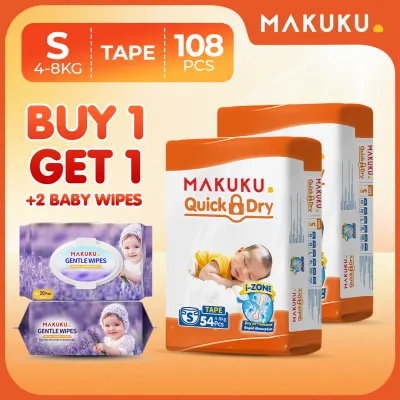
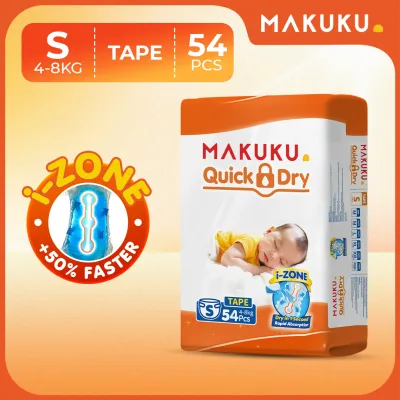
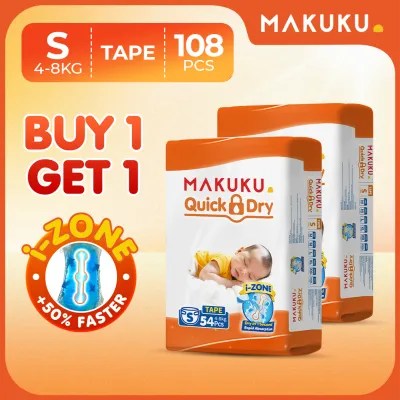
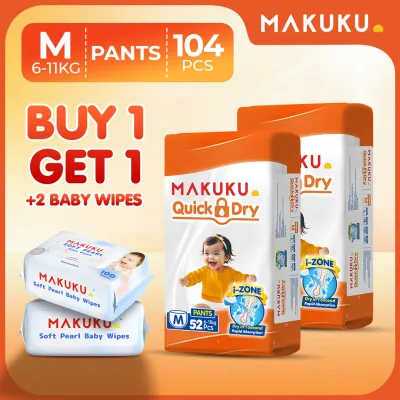
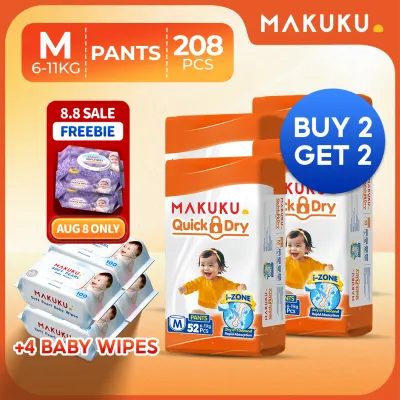
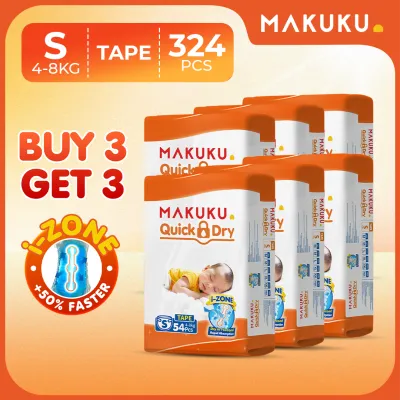
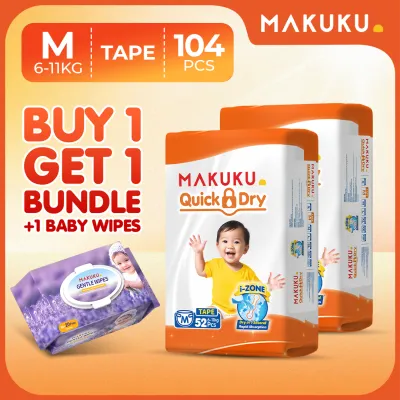
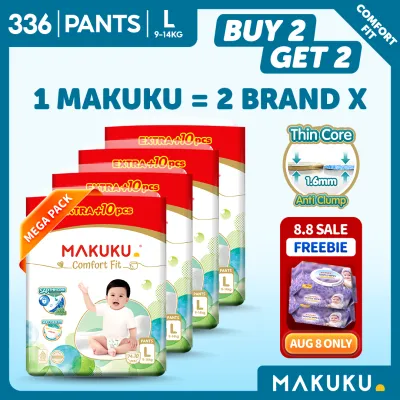
Prices are valid at publication and may change. Please refer to the product page for the latest price.
- Makuku: Typically emphasizes an ultra-slim profile using advanced Superabsorbent Polymer (SAP) core technology, prioritizing high breathability and a lightweight feel that reduces bulk between the thighs.
- Pampers: Often focuses on exceptional waistband elasticity and an all-around flexible fit, making it a strong candidate for toddlers with rounder tummies who need a highly stretchable diaper that moves with them.
- Huggies: Frequently highlights structured, secure waistbands and deep, robust outer leg guards designed to provide heavy-duty leak protection, especially for active movers and side sleepers.
It is important to remember that “XXL” is not a standardized size across the industry. Each manufacturer defines its own weight ranges and fit guidelines. Before purchasing, always check the specific weight range (such as 15kg and above) printed on the packaging to ensure the diaper matches your toddler’s current physical measurements.
Sizing and Fit: Comparing Waistbands and Leg Cuffs for Bigger Bodies
As toddlers grow, their body shapes diversify. Some develop chubby thighs and a narrower waist, while others have a rounder belly and longer torso. A diaper that fits one 16-kilogram child perfectly might cause leaks or discomfort on another of the exact same weight. Evaluating how waistbands, leg cuffs, and overall cuts differ among these brands is essential for finding a comfortable fit.

Waistband Elasticity and Tension
The waistband of a diaper pant must stretch sufficiently to slide over wide hips, yet retain enough tension to stay securely in place when the diaper becomes heavy with wetness. At the XXL stage, toddlers are highly independent and active, making diaper pants the standard choice because they can be pulled up quickly while the toddler is standing.
- The Two-Finger Rule: To evaluate waistband elasticity, gently stretch the diaper's waist prior to use. Once the diaper is on your child, insert two fingers comfortably inside the waistband. If you cannot do this easily, or if the waistband leaves deep red marks on your toddler's tummy or lower back, the elastic tension is too tight.
- Active Movement Check: Observe your toddler during active play. A waistband that is too loose will sag and gap at the back, which is a primary cause of blowout leaks when a toddler sits down or climbs.
Leg Cuff Design for Thicker Thighs
For larger toddlers, the leg cuffs are often the first area to cause discomfort or leaks. Leg cuffs must form a gentle but secure seal around the thighs to contain liquid without restricting circulation.
- Double-Barrier Inspection: Inspect the inner and outer leg gathers of the diaper pants. A double-barrier design—featuring an inner standing leak guard and an outer elasticized ruffle—provides the most reliable protection.
- The Cuff Flare Check: When putting the diaper on your child, always run your finger around the inside of the leg cuffs to ensure the outer ruffles are flared outward. If the ruffles remain tucked inward, they cannot perform their barrier function, leading to immediate side leaks.
- Chafing Prevention: If your toddler has exceptionally thick thighs, look for brands that offer wider, softer leg bands that distribute pressure evenly, rather than thin elastics that can dig into the skin and cause painful chafing.
Overall Cut and Rise
The rise refers to the distance from the front waistband, through the crotch, to the back waistband. A diaper with a short rise will sit too low on a toddler’s hips, increasing the likelihood of the diaper sliding down during active play.
- Waistline Position: Check where the waistband rests when your toddler is standing upright. Ideally, it should sit comfortably near or just below the natural waistline.
- Slippage Check: If the diaper pulls down in the back when your child bends over or sits, the rise is too short. In this scenario, transitioning to a brand with a longer, more generous cut can prevent frequent adjustments and leaks.
Weight Range Verification Checklist
Because sizing metrics vary across Makuku, Pampers, and Huggies, relying solely on the “XXL” label can lead to purchasing errors. Use this checklist before buying a large box:
- Weigh your toddler: Use a reliable scale to get an accurate, current weight in kilograms.
- Check the package range: Look at the reverse side of the packaging to locate the specific weight recommendations (for example, 15–25 kg).
- Assess body shape: If your child is near the lower limit of the weight range but has very chubby legs, you may still need the larger size to avoid tight leg cuffs.
- Compare trial packs: Purchase small travel packs of each brand to physically compare the laid-flat dimensions of the diapers before committing to a bulk purchase.
Absorbency and Leak Protection: Managing Heavy Wetters
A larger toddler produces a higher volume of urine per wetting than an infant. This requires a diaper with an efficient absorbent core that can quickly draw liquid away from the surface and distribute it evenly to prevent pooling and leaks.
Core Technology and Moisture Distribution
The construction of the absorbent core determines how a diaper behaves when wet. Traditional diaper cores rely on a blend of wood fluff pulp and Superabsorbent Polymer (SAP) particles, while some modern designs, such as those featured in Makuku, utilize a full SAP sheet structure.
- Fluff-and-SAP Cores: These cores absorb quickly but can sometimes swell unevenly, resulting in a heavy, saggy lump in the middle of the diaper. If the pulp breaks apart when the toddler climbs or runs, it can create dry spots and wet spots, leading to premature leaks.
- Full SAP Sheet Cores: This design is engineered to lock liquid in place without clumping or sagging. The diaper remains relatively flat and thin even when fully saturated, which helps maintain the diaper's structural integrity during active movement.
- Distribution Layer (ADL): Check if the diaper features an Acquisition Distribution Layer. This layer quickly spreads sudden gushes of urine across the entire length of the core before it can leak out of the sides.
The Tissue Press Test for Surface Dryness
Keeping moisture away from a toddler’s skin is critical for preventing diaper rash. You can easily test how well a diaper locks away wetness using a simple home test:
- Wait until your toddler has worn the diaper for a few hours and it is moderately wet.
- Gently lay the toddler down and open the side seams of the diaper pants.
- Take a single sheet of dry, clean toilet paper or tissue and press it firmly against the inner lining of the diaper for three seconds.
- Remove the tissue and inspect it. If the tissue remains completely dry, the core is successfully locking moisture away. If the tissue is damp or wet, the inner lining is allowing moisture to travel back to the surface, which can lead to skin irritation.
Balancing Overnight and Daytime Performance
The absorbency requirements for daytime and nighttime are highly distinct, and a single diaper style may not excel at both.
- Daytime Needs: During the day, your toddler is constantly moving. The diaper must be flexible, lightweight, and capable of absorbing quick bursts of liquid without restricting movement or causing friction against the skin.
- Overnight Needs: At night, the diaper must handle continuous wetting over ten to twelve hours. Because the child is lying down, gravity causes liquid to pool at the back (for back sleepers) or the sides (for side sleepers). Overnight diapers require a higher overall capacity and robust barriers rather than a slim profile.
Leak Guard Effectiveness
Standing leak guards are the vertical barriers located inside the leg openings. They act as a dam to contain sudden, high-volume releases of urine until the absorbent core can draw the liquid in.
- When inspecting a diaper, check the height and elasticity of these guards. They should stand upright naturally when the diaper is opened.
- If the leak guards are too short or lay flat against the diaper surface, they will fail to contain liquid during sudden gushes, especially when the toddler is lying down or seated.
Material and Skin Comfort: Breathability for Active Toddlers
In warm, humid climates like the Philippines, heat and sweat can quickly accumulate inside a diaper, creating a breeding ground for bacteria and yeast. Ensuring the diaper materials promote air circulation and minimize friction is essential for maintaining healthy skin.
Outer Cover Breathability
A breathable outer cover allows heat and moisture vapor to escape while keeping liquid safely contained inside.
- Microporous Backing Sheets: High-quality diapers use microporous films containing millions of microscopic pores. These pores are large enough for air and water vapor molecules to pass through, but small enough to block liquid water molecules.
- The Vapor Escape Check: To evaluate breathability, pay attention to the outside of the diaper when it is wet. A highly breathable diaper will often feel slightly warm or damp on the outside. This is a normal sign that moisture vapor is successfully escaping.
- If the outer cover feels stiff, plastic-like, or completely dry while the inside is hot and sweaty, the diaper may trap heat, increasing the risk of heat rash (locally known as bungang-araw).
Inner Lining Softness and Chafing Prevention
Active toddlers take thousands of steps a day, which means the inner lining of the diaper is constantly rubbing against their sensitive skin.
- Feel the inner sheet of the diaper with your fingertips. It should feel velvety and smooth, without any rough fibers or stiff edges.
- Pay close attention to the areas where the diaper contacts the inner thighs and lower stomach. If you notice redness or chafing in these specific zones, the material may be too abrasive for your child's skin, or the diaper may be rubbing due to an improper fit.
Wetness Indicators for Quick Monitoring
A reliable wetness indicator—usually a yellow line that turns blue or green when wet—helps caregivers monitor the diaper’s status without interrupting the toddler’s play.
- Ensure the wetness indicator is clearly visible through clothing or with a quick glance at the waistband.
- While convenient, do not rely solely on the indicator color to decide when to change the diaper. Always feel the thickness and weight of the diaper core to judge if it is truly saturated.
Fragrances, Additives, and Sensitive Skin
Many diaper brands add light fragrances, lotions, or botanical extracts to their inner linings to mask odors or soothe skin. However, these additives can sometimes trigger allergic reactions in sensitive children.
- Urine breakdown produces ammonia, which raises the skin's pH, making it more susceptible to diaper rash. A highly absorbent diaper that keeps the skin dry helps maintain the natural, slightly acidic pH of healthy skin.
- If your toddler has a history of eczema, sensitive skin, or frequent diaper rashes, check the packaging carefully to verify if the diaper is fragrance-free, elemental chlorine-free, or hypoallergenic.
- If your child develops a persistent, bright red rash with small bumps, stop using the diaper immediately and consult a qualified pediatrician or dermatologist to identify the cause and receive proper care.
Decision Framework: How to Choose the Right XXL Diaper Pants
Selecting the correct XXL diaper pants involves matching your toddler’s unique physical traits and your daily routine with the strengths of each brand. Use the following guidelines to make an informed decision.
Choose Makuku if:
- Your primary goal is to minimize diaper bulk and heavy sagging between the legs, allowing your active toddler to walk and run with maximum freedom.
- You live in a hot, humid environment and want to prioritize a highly breathable, ultra-thin SAP core that helps keep the skin dry and cool.
- Your toddler has a standard or lean build where a streamlined, less bulky cut fits securely without gaping.
Choose Pampers if:
- Your toddler has a rounder tummy or a wider waist, and you require a highly elastic waistband that stretches comfortably to prevent red marks and digging.
- You prefer a diaper that offers an all-around flexible, body-hugging fit that adapts easily to rapid physical movements during active playtime.
- You want a trusted, widely available option with a soft texture that minimizes friction around the waist and hips.
Choose Huggies if:
- Your main priority is preventing leaks during long sleep stretches or heavy overnight wetting, where a highly structured diaper with robust barriers is required.
- Your toddler is a side sleeper or an active mover who tends to experience side leaks around the legs.
- You prefer a secure, snug fit with deep, vertical standing leak guards and a sturdy waistband that stays firmly in place even when fully saturated.
Verify First Before Buying in Bulk
Before purchasing large box quantities from online marketplaces or local supermarkets, always buy a small trial pack of 4 to 10 pieces. Diaper pants in the Philippines are often available in smaller travel packs at local drugstores or grocery stores, typically ranging from ₱10 to ₱18 per piece depending on the brand and pack size. This allows you to test the actual fit, observe how the materials react with your toddler’s skin, and conduct the tissue press test at home. If you are transitioning between sizes or if your child has highly sensitive skin, a small trial run will save you money and prevent skin irritation.
Frequently Asked Questions (FAQ)
When should I transition my toddler from XL to XXL diaper pants?
You should transition your toddler to XXL diaper pants when you observe physical signs of poor fit, rather than relying strictly on the weight range printed on the box. Common indicators include deep red marks or indentations left on your toddler’s waist or inner thighs, frequent leaks despite proper application, or the waistband sitting too low on the hips (a short rise). If the diaper looks tight or fails to cover the buttocks fully when your child bends over, it is time to move up to the next size.
Can I use XXL diaper pants overnight for a heavy wetter?
Yes, XXL diaper pants can be used overnight, as the larger size naturally contains more absorbent material than smaller sizes. However, standard daytime diaper pants are designed primarily for flexibility and a slim profile, which may not hold up to ten or twelve hours of continuous sleep. If you experience leaks overnight, look for diaper pants specifically labeled for overnight use, or ensure the diaper has deep standing leak guards and a highly absorbent core. If leaks persist, you may need to perform a quick diaper change right before you go to bed.
Why do diaper pants sometimes leak even if they are the correct XXL size?
Leaks in a properly sized XXL diaper are usually caused by application errors or structural shifting during movement. The most common cause is the inner leg cuffs or outer ruffles remaining tucked inside the diaper instead of being flared outward around the thighs. Leaks can also occur if the diaper is pulled up unevenly, causing a gap at the waist, or if the toddler’s urine volume simply exceeds the maximum absorbency limit of that specific core design. Regularly checking that the ruffles are fully pulled out and the waistband is level will resolve most fit-related leaks.

Community discussion
Share your experience or ask a question. Comments are reviewed before publication.