
Selecting the right diaper for a growing baby is one of the most frequent decisions parents in the Philippines face. During the middle of the first year, babies typically transition into medium-sized tape diapers as they become more active—rolling, sitting, and attempting to crawl. In a tropical climate characterized by high humidity and warm temperatures, diaper performance is not just about preventing leaks; it is directly tied to skin health, mobility, and daily comfort.
If you are currently evaluating your options, you have likely come across the makuku diaper medium tape alongside long-standing household names like Pampers, Huggies, and the budget-friendly Equator. Each of these brands approaches diaper construction differently, utilizing distinct materials, core technologies, and fastening systems. Understanding these structural differences allows you to choose a diaper that matches your baby’s specific body shape, activity level, and skin sensitivity.
Quick Answer: Matching Medium Tape Diapers to Your Baby's Needs
There is no single, universally superior medium tape diaper because every baby possesses a unique body shape, skin tolerance, and wetting pattern. A diaper that fits a lean, highly active baby perfectly might cause red marks or leaks on a baby with rounder thighs and a chubby tummy. Therefore, the ideal choice is always conditional on your baby’s physical profile and your household’s daily routine.
Products mentioned in this guide
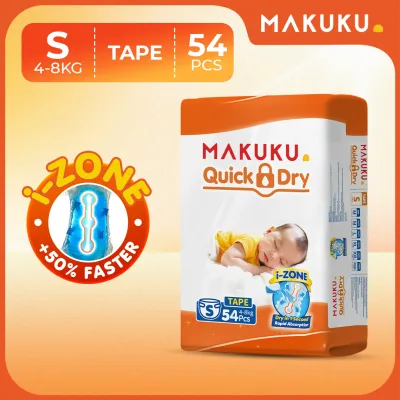
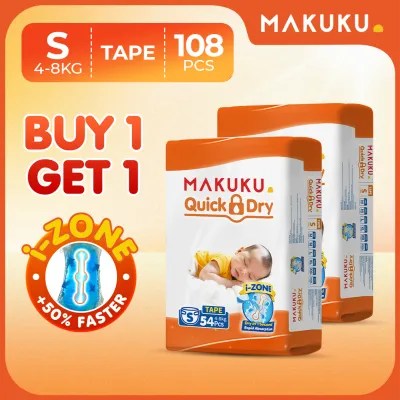
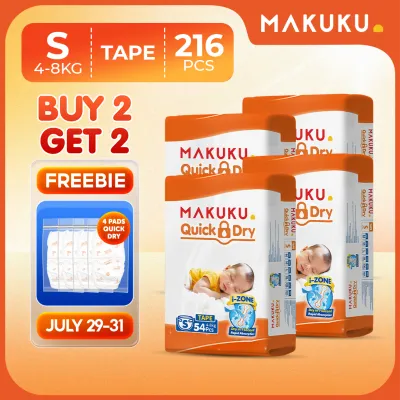
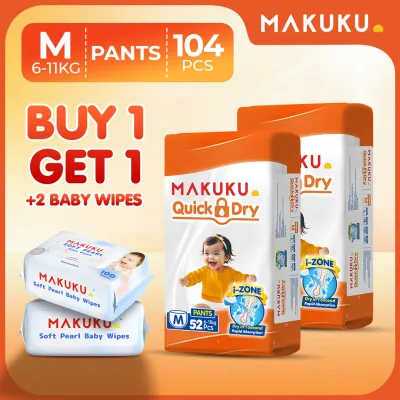
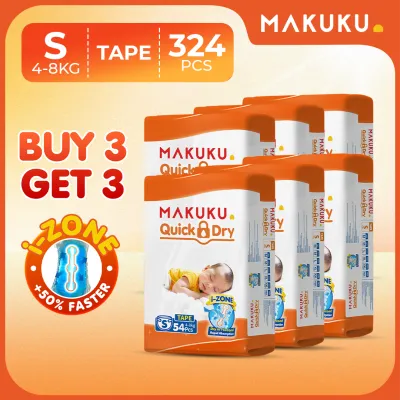
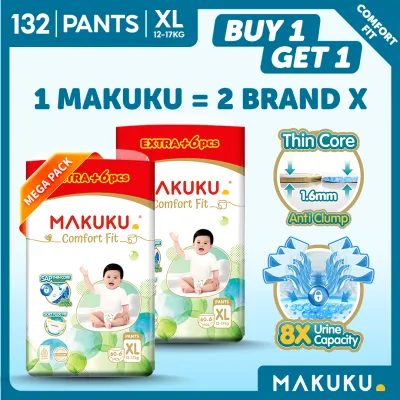
Prices are valid at publication and may change. Please refer to the product page for the latest price.
To help navigate these choices, it is helpful to look at the general design philosophy of each brand. Makuku is widely recognized for its ultra-slim, Super Absorbent Polymer (SAP) core designed to minimize bulk and prevent clumping. Pampers focuses on overall material softness, flexible side panels, and reliable wetness detection. Huggies emphasizes structural security, featuring robust waistbands and tall leg barriers to contain active movement. Equator serves as a highly economical option, prioritizing straightforward absorbency for frequent daytime changes.
Before purchasing any medium tape diaper, parents must verify the specific weight range printed on the packaging. While “Medium” generally covers babies weighing between 6 and 11 kilograms, the actual cut, elasticity, and physical dimensions vary significantly between brands. A baby at the upper limit of one brand’s medium size may already need to transition to a large, while another brand’s medium might still offer a secure fit.
Key Performance Factors to Compare Across Brands
Evaluating diapers systematically requires looking past marketing claims and focusing on observable design features. In the Philippines, several critical performance factors dictate how well a diaper will perform during daily wear and overnight sleep.

Absorbency and Core Technology
The core of a diaper determines how quickly liquid is drawn away from the skin and how well it is retained under pressure. Traditional diapers use a blend of wood pulp and Super Absorbent Polymer (SAP) particles. While effective, pulp-based cores tend to swell, sag, and clump into heavy masses when wet, which can restrict a baby’s movement. Modern core designs, such as pure SAP sheets, distribute liquid evenly without clumping. When testing a diaper, feel the core after use; a high-quality core should remain relatively flat and stable, without the internal absorbent material breaking apart or shifting. Parents should also monitor for any gel leakage, which can occur if the outer lining of a highly saturated core punctures.
Breathability in Humid Climates
The tropical climate of the Philippines makes breathability a vital factor in preventing heat rash and diaper dermatitis. High humidity traps warm air and moisture inside the diaper, creating an environment where bacteria and fungi can thrive. To evaluate breathability, examine the outer backsheet of the diaper. Materials that feel stiff or plastic-like generally trap more heat. Look for cloth-like outer covers with visible micro-pores or designated breathable zones that allow moisture vapor to escape while keeping liquid contained.
Fit and Leak Protection
A diaper’s ability to prevent leaks relies on its structural barriers. Key components include the elasticity of the waistband, the height of the double-layered leg cuffs, and the quality of the tape tabs. The waistband must stretch comfortably to accommodate belly expansion after feeding while remaining snug enough to prevent back leaks when the baby lies down. Leg cuffs act as the primary barrier against side leaks; they should be tall, elasticized, and made of hydrophobic material. Finally, the tape tabs must be highly stretchable and capable of being re-fastened multiple times without losing grip, allowing caregivers to check for wetness and adjust the fit.
Skin Sensitivity and Materials
Because a baby’s skin is exceptionally thin and sensitive, the materials that come into direct contact with the skin are highly important. Many manufacturers incorporate specific features like textured top sheets to minimize skin contact, or add mild lotions and fragrances to mask odors. However, these added substances can sometimes trigger contact allergies in sensitive babies. Parents should inspect the inner lining for physical softness and avoid heavily scented products if their baby is prone to redness. It is important to remember that packaging labels like “hypoallergenic” are not absolute guarantees; individual skin reactions must always be monitored.
Comparing Makuku Diaper Medium Tape and Other Leading Brands
To make an informed decision, it is valuable to examine how each brand translates these performance factors into physical design. Below is a detailed breakdown of what to expect and observe when using each of the four diaper brands.
Makuku Slim and SAP-Focused Design
The makuku diaper medium tape is characterized by its ultra-thin profile, which is achieved through a structured, pulp-free SAP core. This design is specifically engineered to absorb large volumes of liquid while maintaining a flat, lightweight structure. For parents, this thinness is highly noticeable under light summer clothing, as it prevents the diaper from swelling into a bulky, heavy ball between the baby’s legs.
When using this diaper, observe how the core behaves after several hours of wear. The absence of wood pulp means the absorbent material does not clump or sag, which can make crawling and rolling more comfortable for active babies. However, because the diaper is exceptionally slim, caregivers should pay close attention to the tape tension. Ensure the stretchable tapes are fastened securely to the front landing zone to maintain a stable fit during vigorous movement, and check that the thin core is fully aligned with the baby’s wetting zone.
Pampers Softness and Established Fit
Pampers is a long-standing choice in the Philippine market, known for its emphasis on material softness and a contoured fit. The inner top sheet is designed to feel exceptionally gentle against the skin, reducing friction during movement. Additionally, Pampers diapers typically feature highly flexible side panels that stretch easily around the baby’s waist and hips, accommodating different body shapes comfortably.
One of the most practical features for daily care is the wetness indicator line, which changes color when exposed to moisture. This is highly useful for household caregivers, relatives, or nannies (yayas) who need a quick visual cue to time diaper changes. When evaluating the fit, observe the areas around the thighs and waist. If your baby has particularly chubby legs, check if the elastic leaves deep red marks, which indicates it may be time to adjust the tape positioning or size up, even if the baby’s weight falls within the medium range.
Huggies Secure Waistbands and Leak Guards
Huggies diapers are structured with a strong focus on active leak containment. A defining feature of their design is the waistband, which often includes a pocketed or textured barrier at the back. This pocket is specifically designed to catch and contain runny stools, which is incredibly helpful for babies who are transitioning to solid foods and may experience sudden bowel movements.
The leg cuffs on Huggies diapers are physically tall and robust, providing a secure seal around the groin. This makes them highly reliable for babies who sleep on their sides or engage in constant physical activity. When fastening a Huggies medium tape diaper, guide the tapes using the symmetrical alignment markers on the front panel. Symmetrical fastening ensures that the tension is distributed evenly, preventing the diaper from shifting out of place and causing lopsided leaks.
Equator Value and Bulk Performance
Equator is positioned as a highly practical, budget-friendly option for families managing strict household expenses. It is commonly sold in bulk packs, offering a lower cost per piece compared to premium brands. This economic advantage makes it a popular choice for daytime wear, where diapers are changed frequently regardless of saturation levels.
Because Equator is built for value, its design utilizes more traditional materials, resulting in a slightly thicker core. Parents should monitor this core for sagging (“lawlaw”) as it absorbs liquid, as traditional pulp-based cores tend to hold moisture closer to the surface and clump when fully saturated. To maintain skin health, it is recommended to increase the frequency of diaper changes when using Equator. Additionally, inspect the tape tabs during use; they may offer less elasticity than premium alternatives, meaning caregivers must be precise when securing the diaper to prevent slipping.
How to Choose: A Decision Framework for Parents
Selecting the right diaper involves matching your baby’s physical needs and your family’s lifestyle to the strengths of each brand. Below is a conditional framework to guide your final choice.
Choose Makuku if:
You live in a hot, humid area and want to minimize heat retention around your baby’s waist and groin. It is also the ideal choice if you prefer a very slim, lightweight diaper that does not clump or sag between the legs, allowing your baby to roll, sit, and crawl with minimal physical restriction.
Choose Pampers if:
Your baby has highly sensitive skin that benefits from a very soft, low-friction inner lining. This option is also highly suitable if you rely on multiple caregivers who benefit from a clear, color-changing wetness indicator to ensure timely changes, or if your baby has a rounder torso that requires highly stretchable side panels.
Choose Huggies if:
Your baby is extremely active, a heavy wetter overnight, or prone to frequent liquid stools that tend to leak out of the back of the diaper. The robust leg cuffs and pocketed back waistband provide excellent containment for dynamic movement and side-sleeping.
Choose Equator if:
You are managing a tight household budget and want to minimize your diapering expenses. It is an excellent choice for structured daytime routines where you or a caregiver can change the diaper every two to three hours, ensuring the baby remains clean and dry without relying on expensive overnight absorbency technologies.
Verify first if:
Your baby has a history of severe diaper rash, eczema, or highly reactive skin. Before switching to any new brand, consult your pediatrician or a qualified healthcare professional. Carefully inspect the packaging for any listed materials, lotions, or fragrances to ensure they do not conflict with your baby’s skin requirements.
Safe Testing and Leak Prevention Tips
Transitioning to a new diaper brand or size requires a careful approach to ensure baby comfort and prevent unnecessary waste. Implementing a systematic testing method and proper application techniques can save time and reduce the risk of skin irritation.
The Trial Method
Avoid purchasing large jumbo boxes or bulk multi-packs when trying a new diaper brand for the first time. Instead, look for small travel packs or trial packs containing 10 to 12 pieces. Test the new diaper over a continuous 48-to-72-hour period. During this trial, observe how the diaper handles heavy wetting, whether the tape tabs maintain their grip during active play, and, most importantly, how your baby’s skin reacts. If you notice any mild redness or irritation, you can discontinue use immediately without having invested in a large quantity of unused diapers.
Proper Taping Technique
Even the highest-quality diaper will leak if it is not applied correctly. To secure a medium tape diaper, lay your baby flat on a clean changing mat. Pull the front panel up over the belly, ensuring it sits symmetrically. Pull the stretchable tape tabs from the back and secure them to the front landing zone, using the printed numbers or markers to ensure they are placed evenly on both sides. Once the diaper is fastened, run your finger along the inside of the leg cuffs to pull the outer ruffles outward. If these ruffles remain tucked inward, they will act as a funnel, causing liquid to bypass the absorbent core and leak onto clothing.
When to Stop and Consult
While minor redness can occasionally occur from friction or delayed changes, persistent skin issues require professional attention. If you observe persistent redness, small red bumps, peeling skin, blistering, or if your baby shows signs of significant discomfort or pain during wiping, stop using the diaper brand immediately. Wash the diaper area gently with lukewarm water, pat it dry with a soft towel, and consult a pediatrician or qualified healthcare professional. Do not apply medicated rash creams, steroid ointments, or home remedies without a professional diagnosis, as these can sometimes worsen specific types of skin irritation.
Community discussion
Share your experience or ask a question. Comments are reviewed before publication.